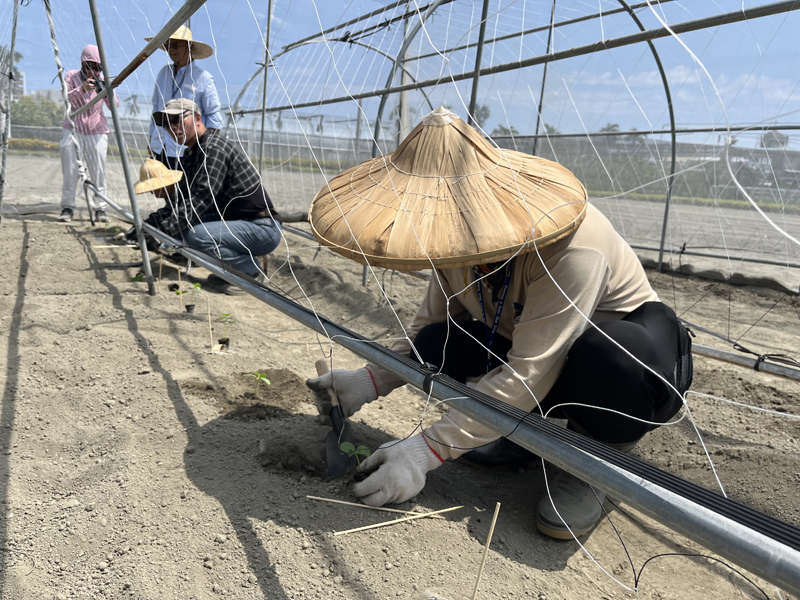
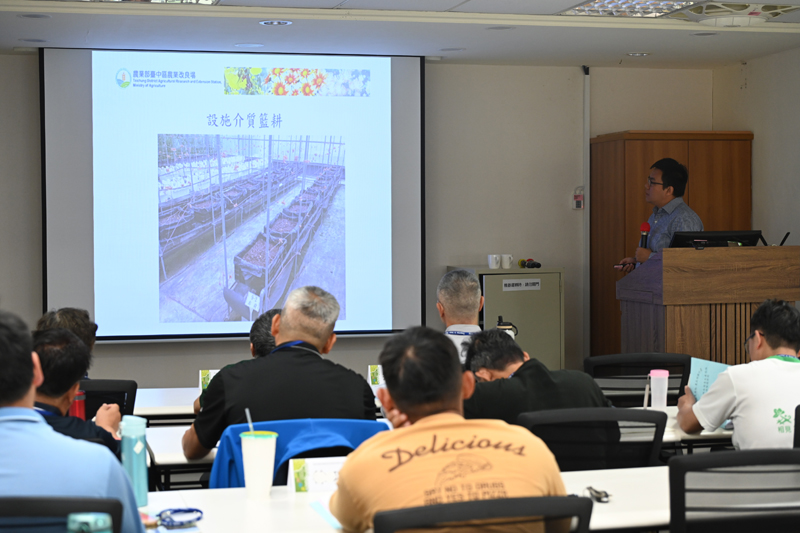
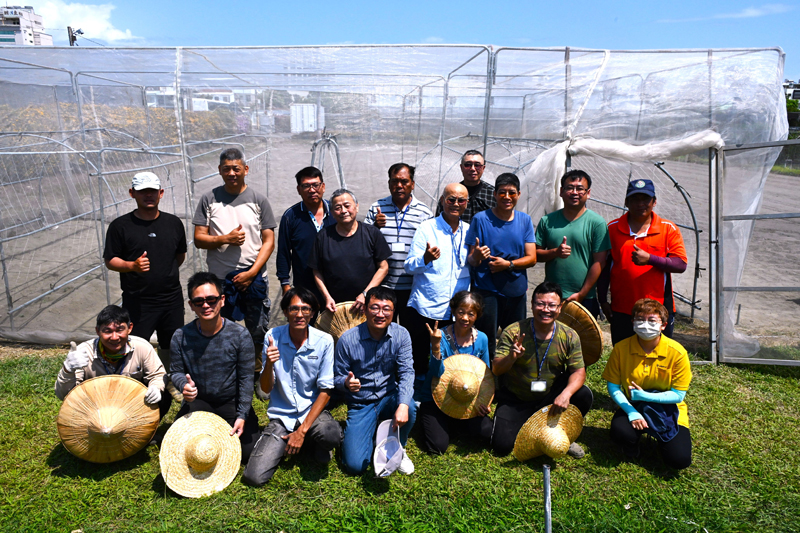
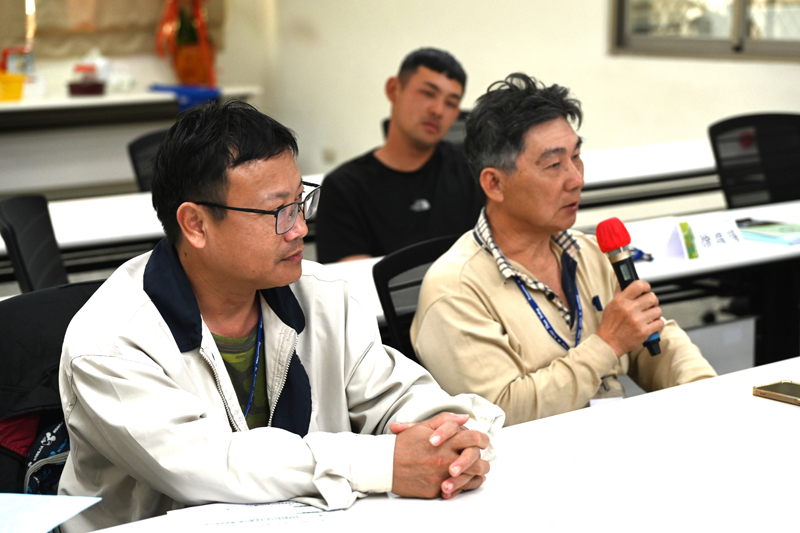
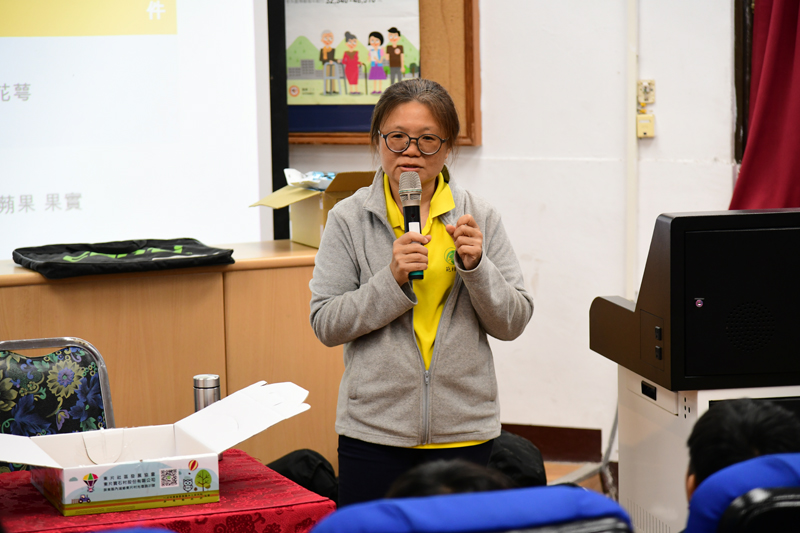
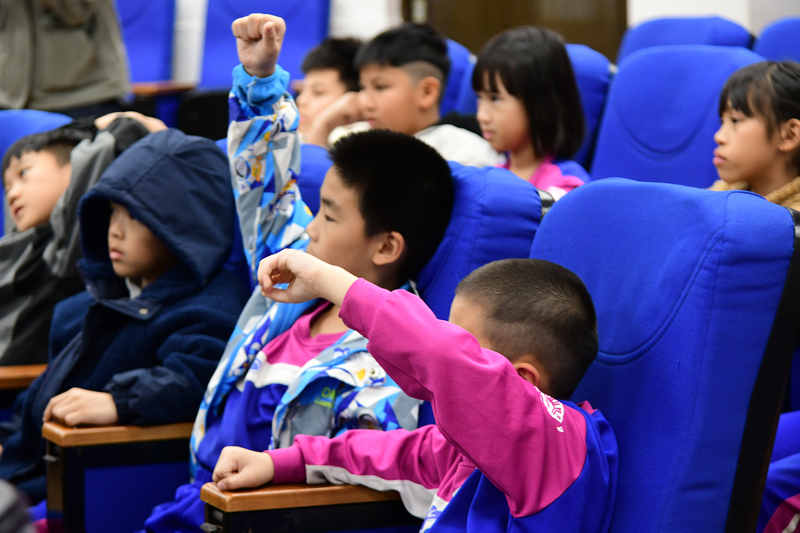
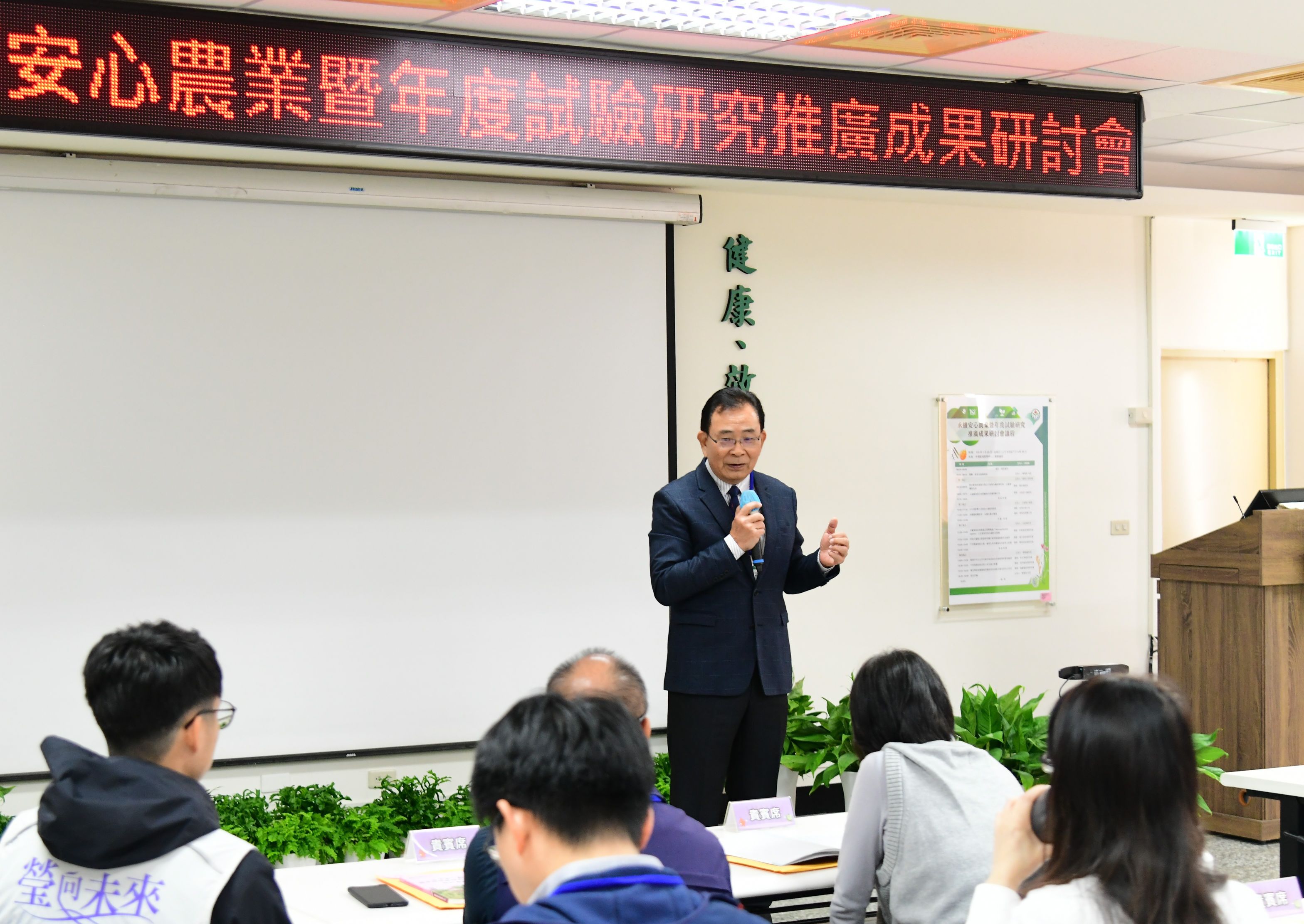
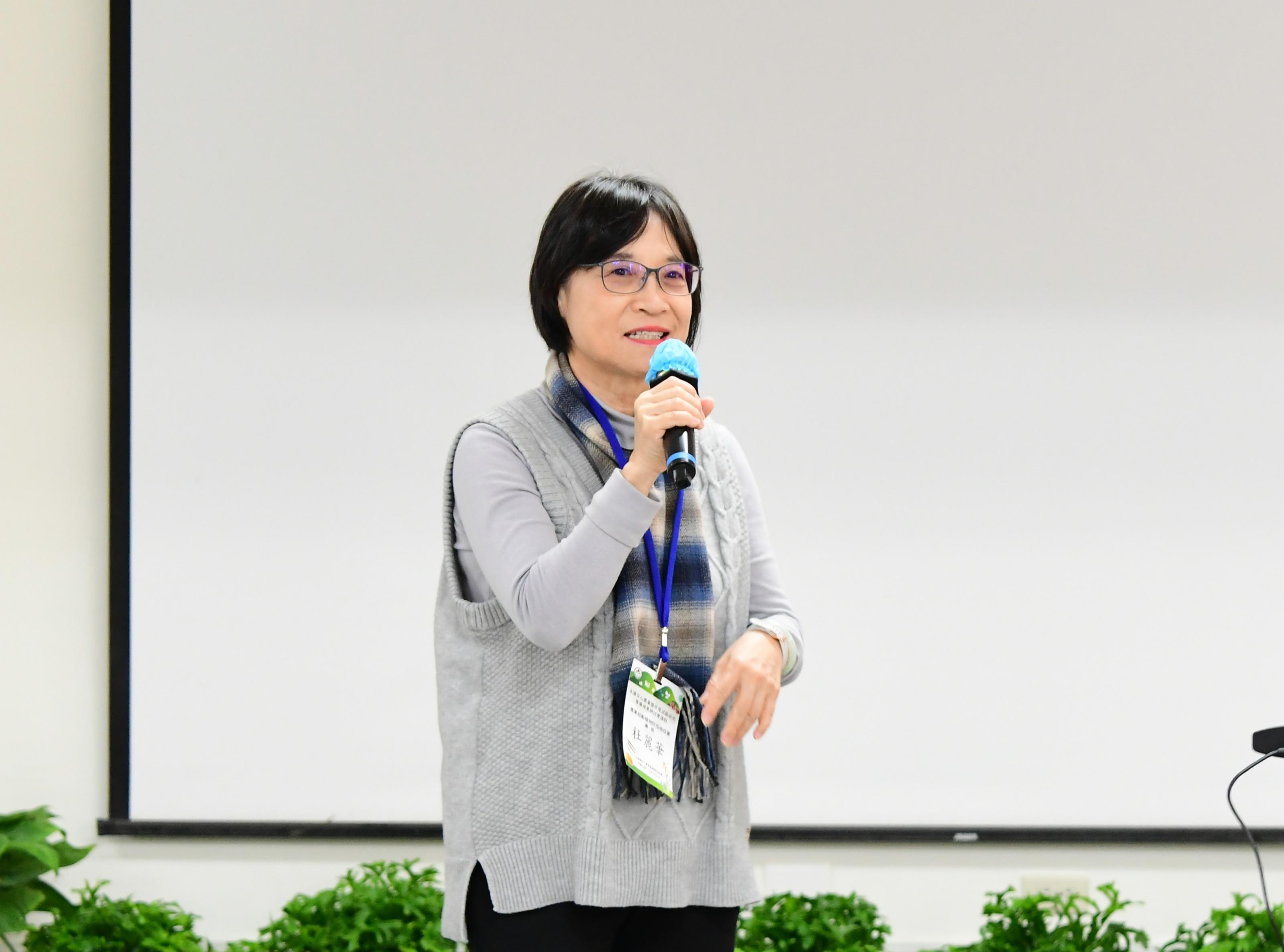
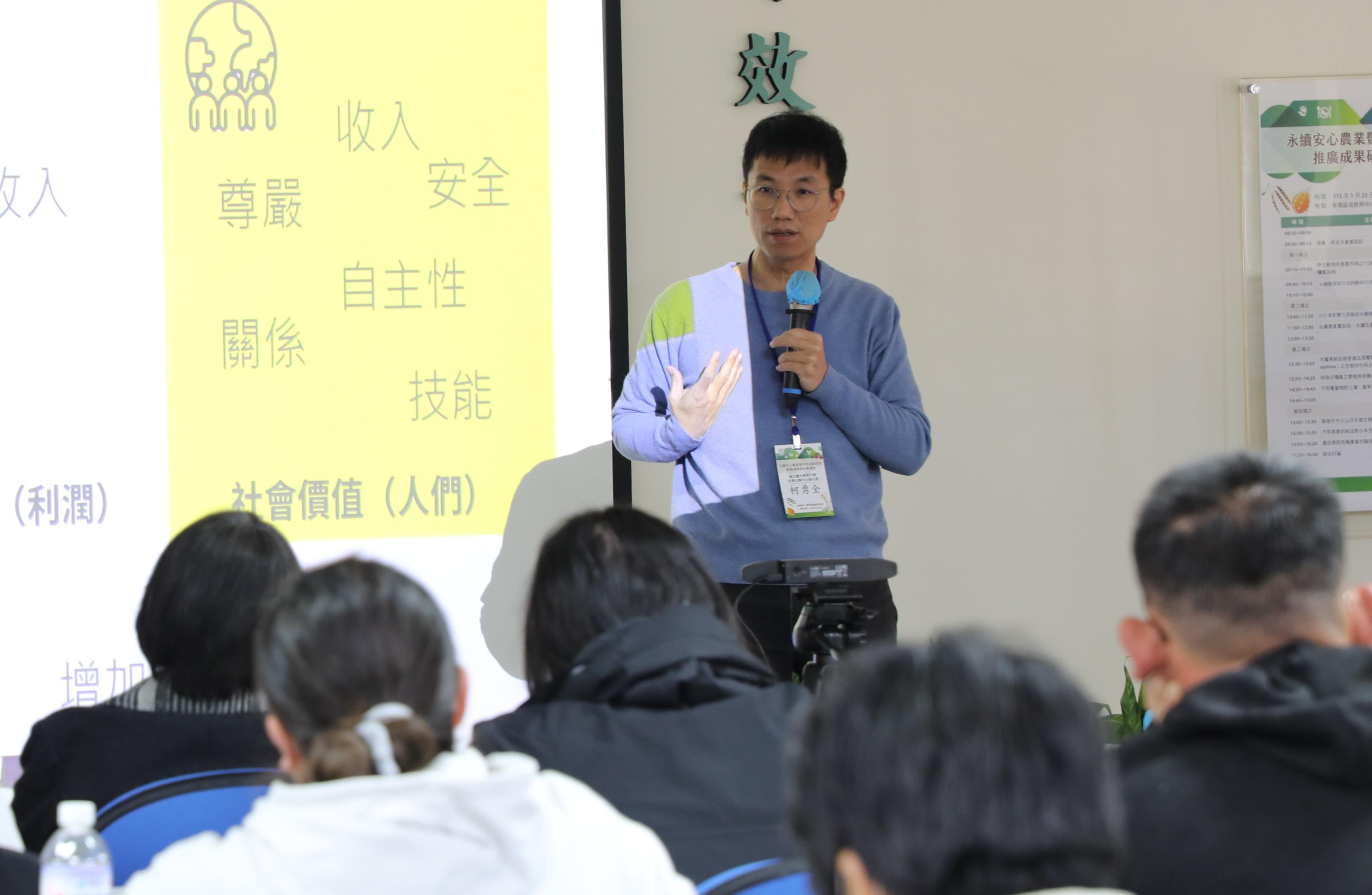
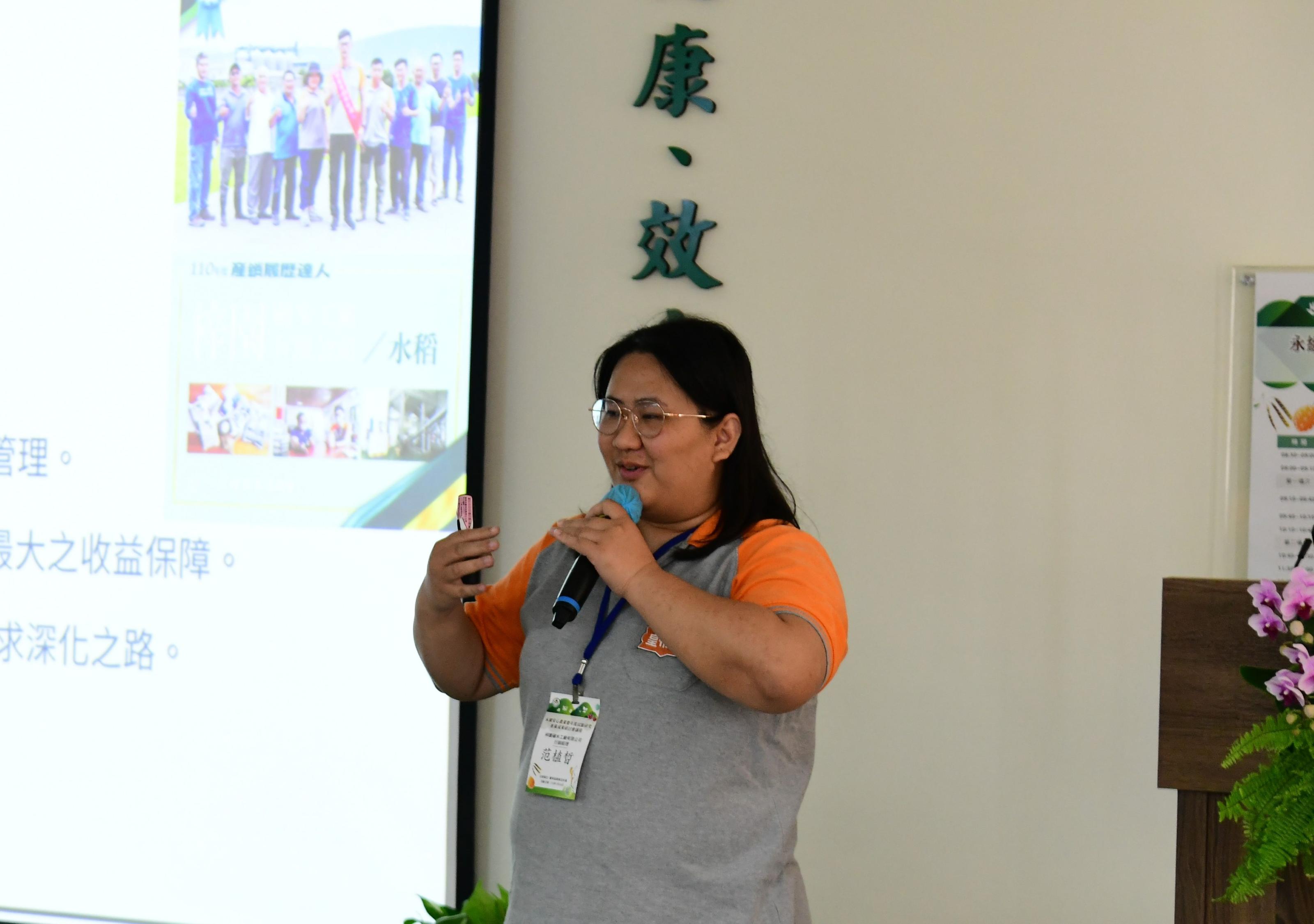
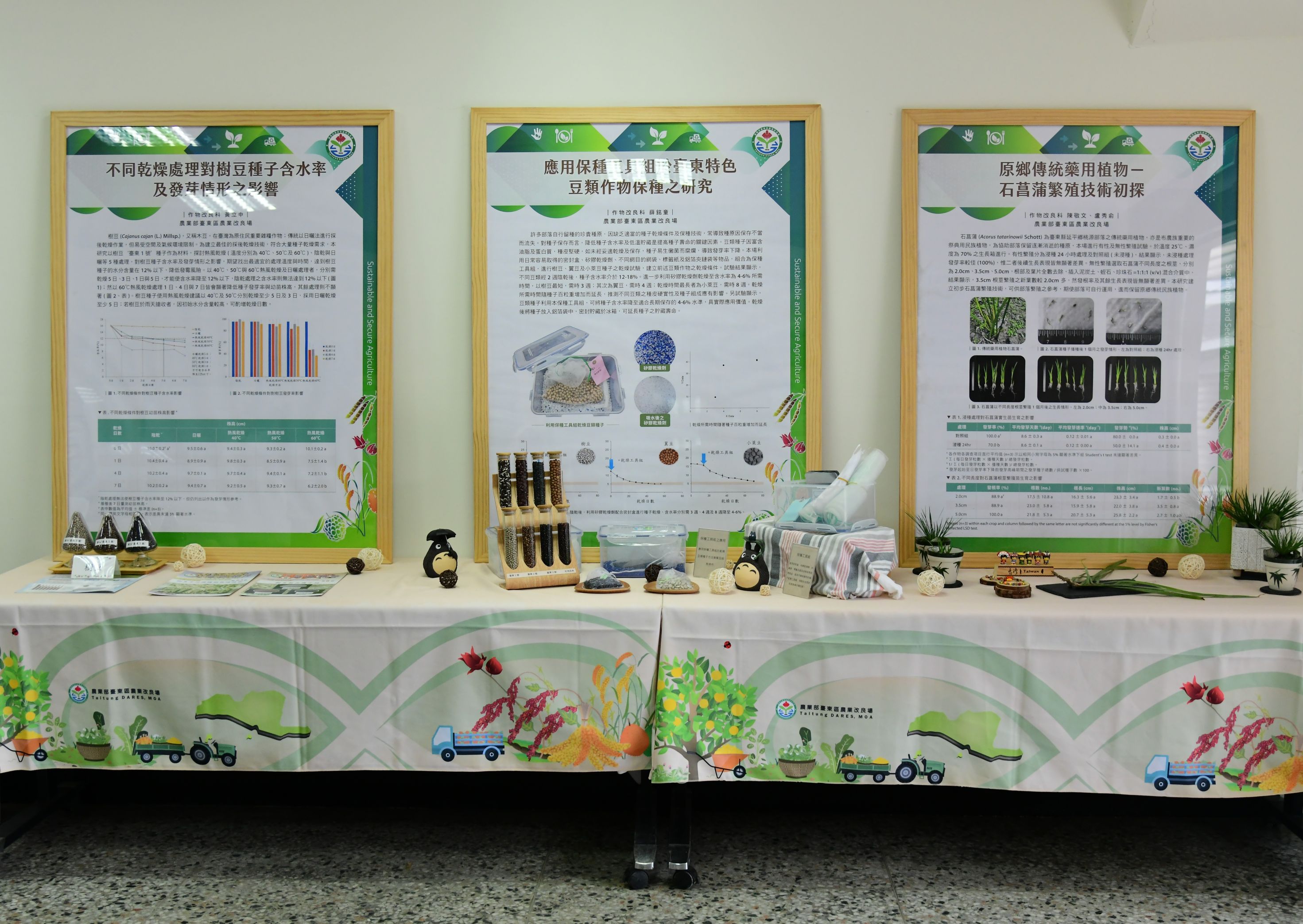
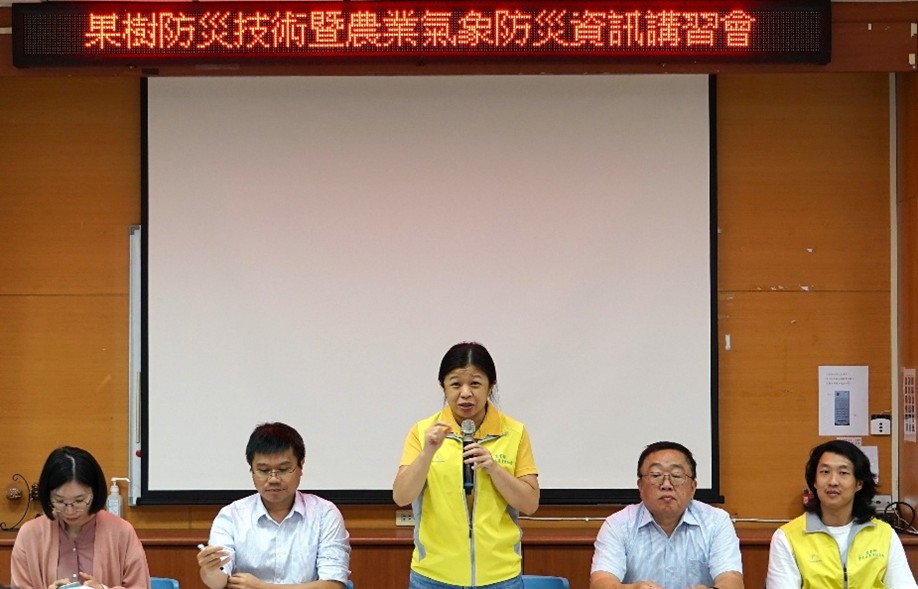
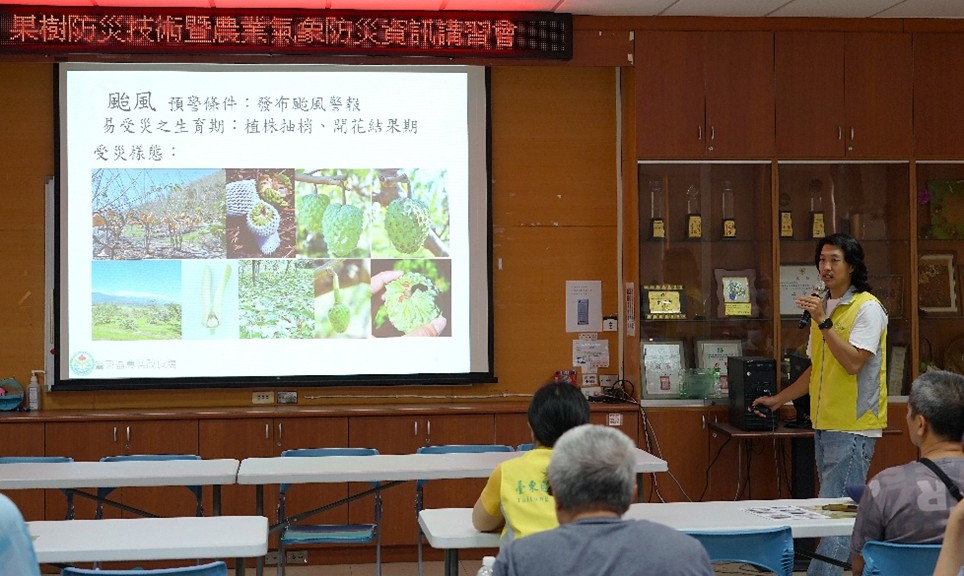
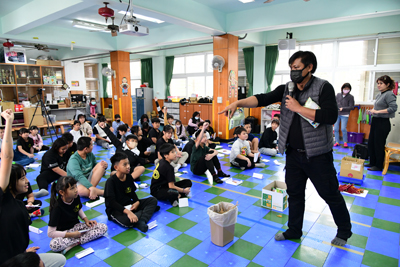
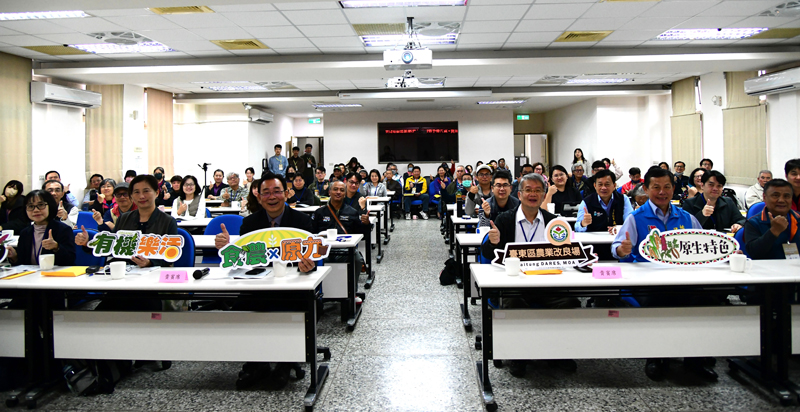
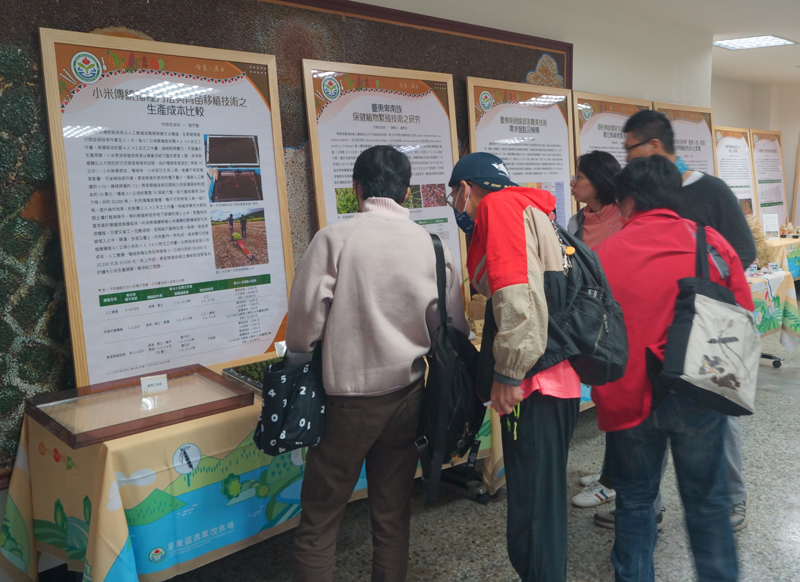
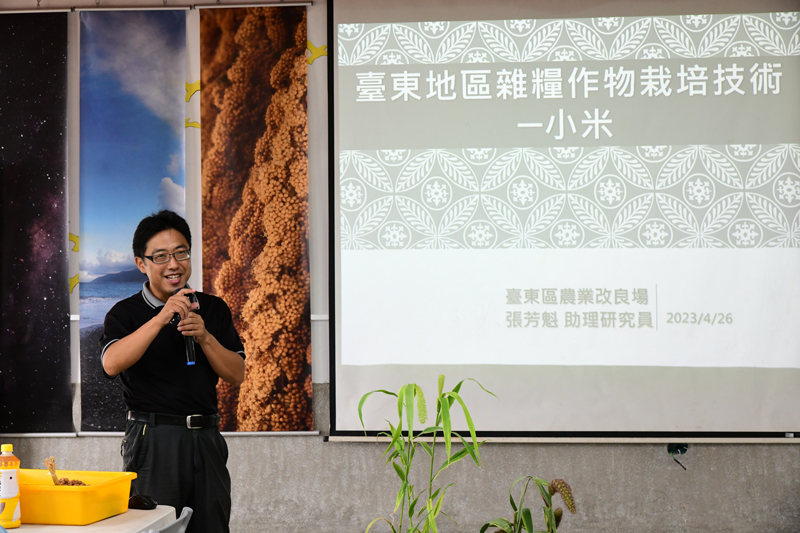
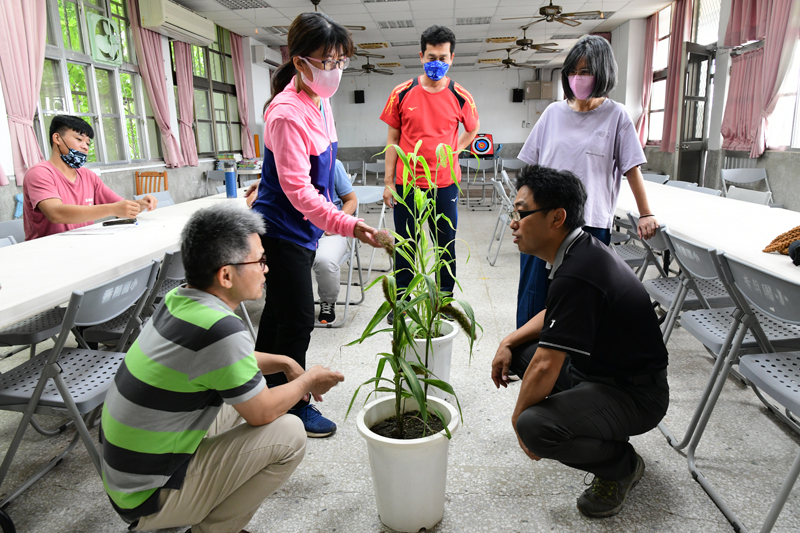
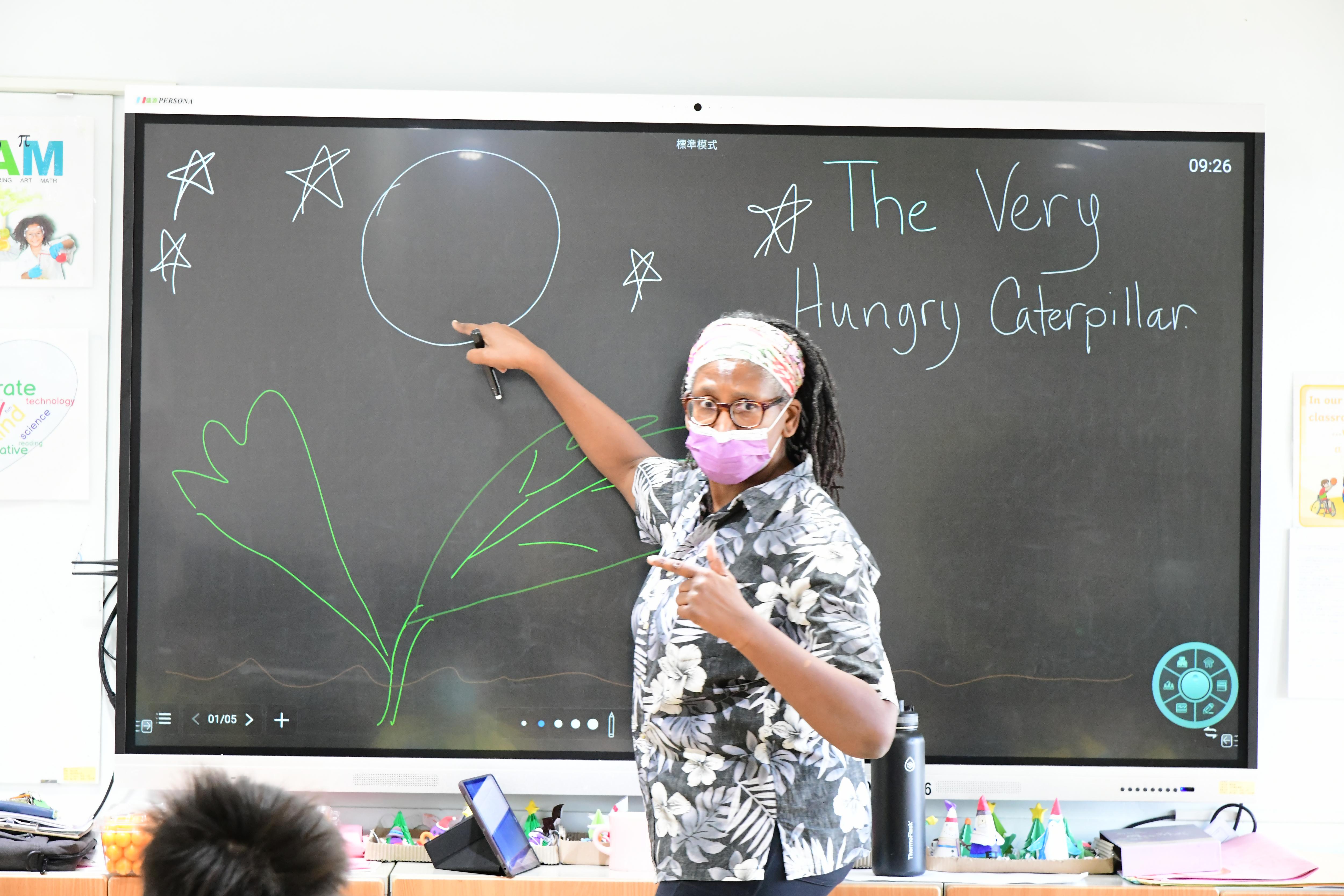
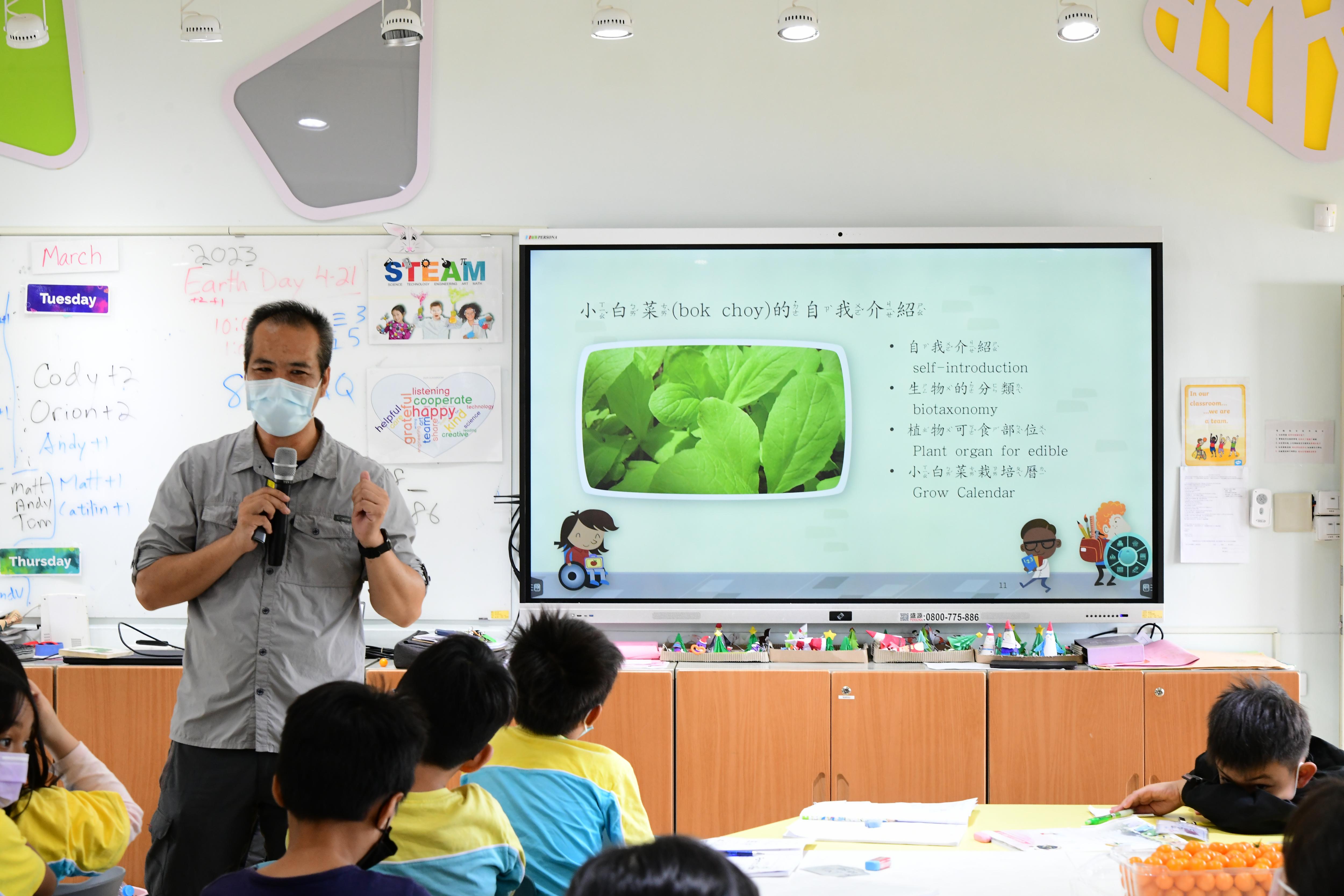
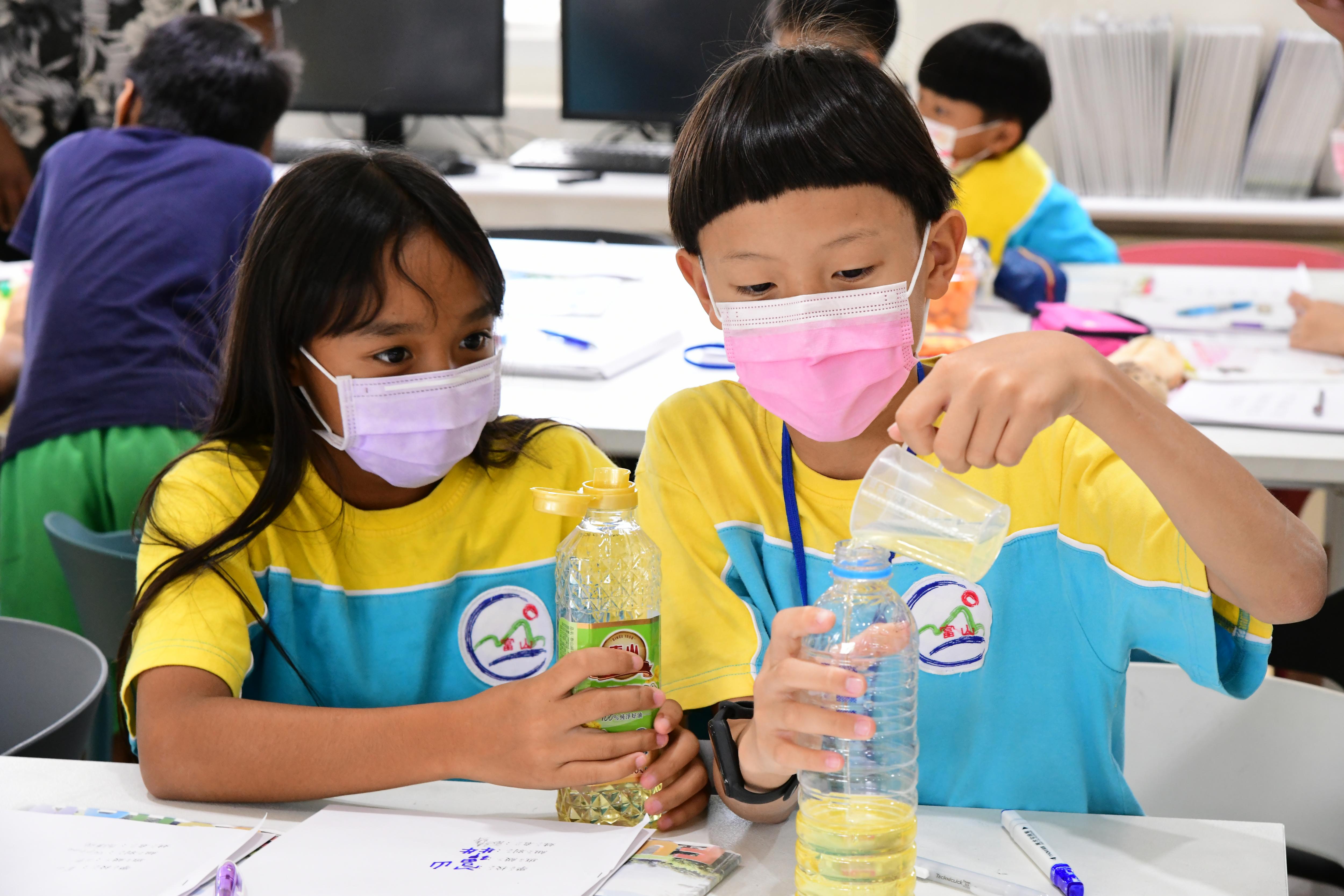
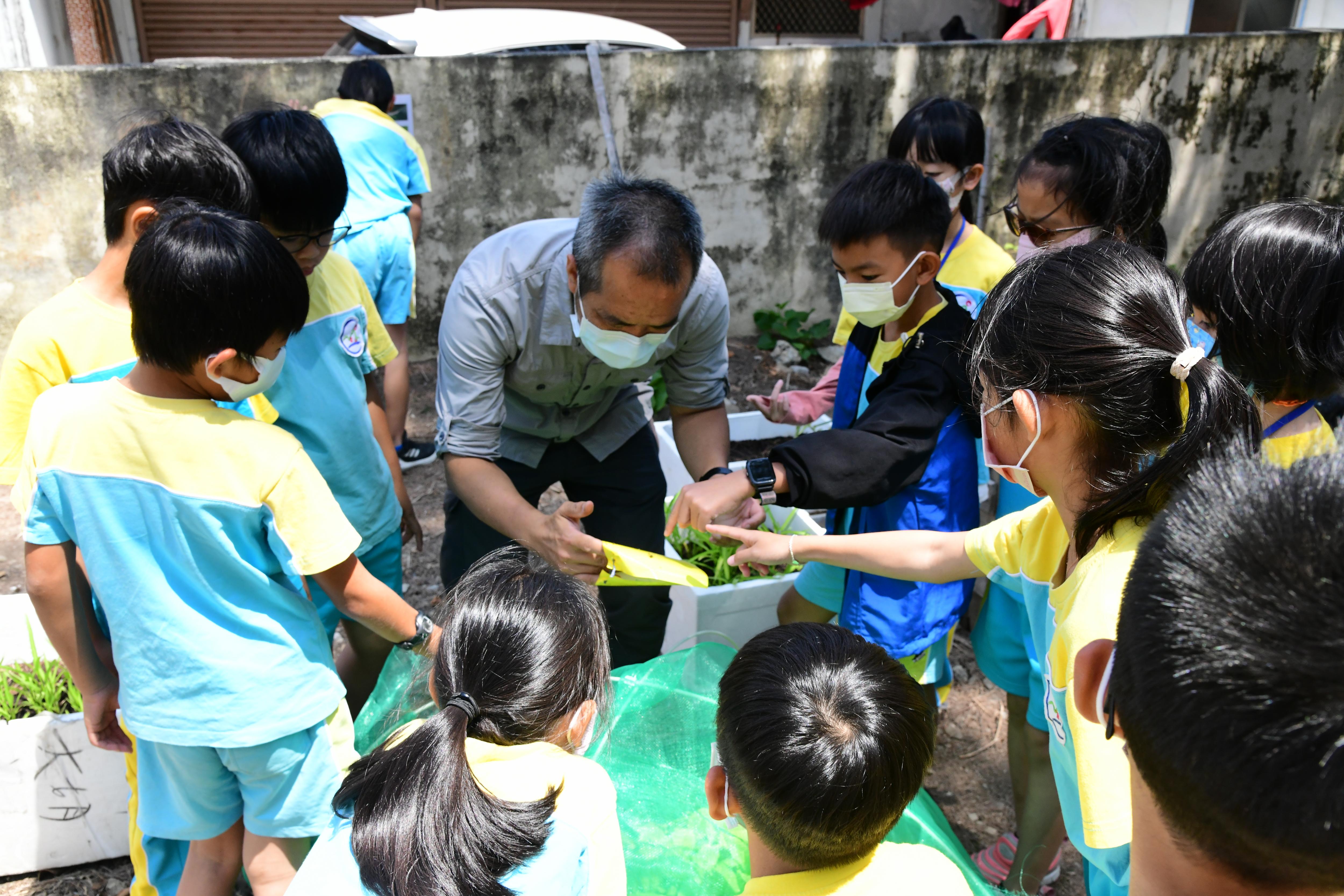
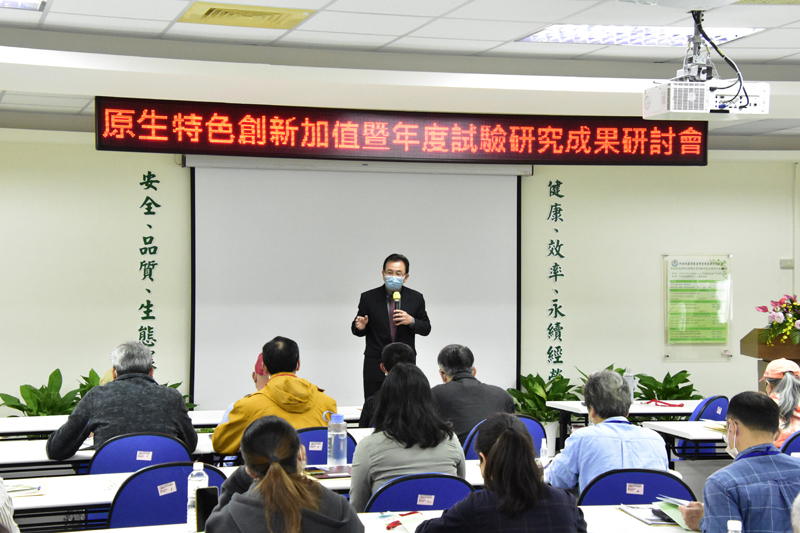
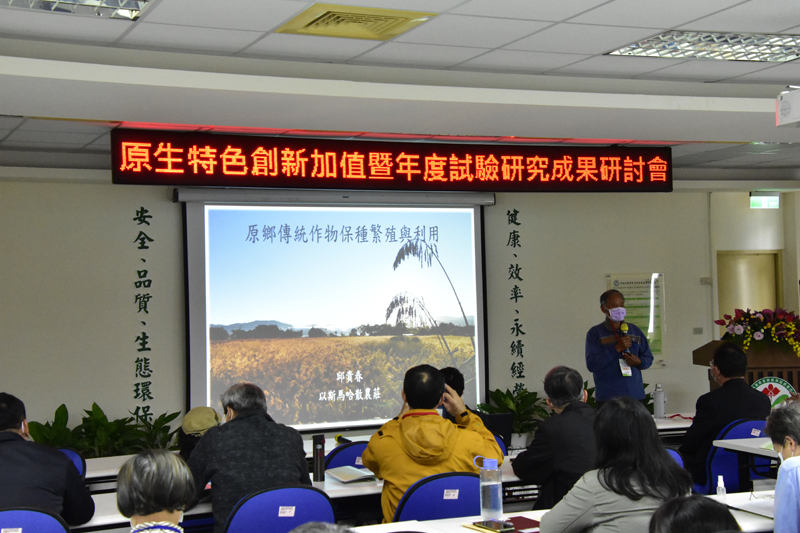
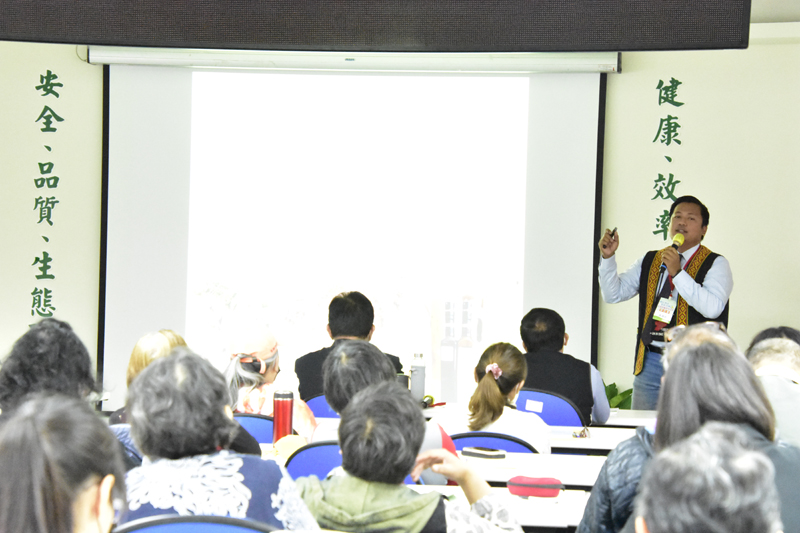
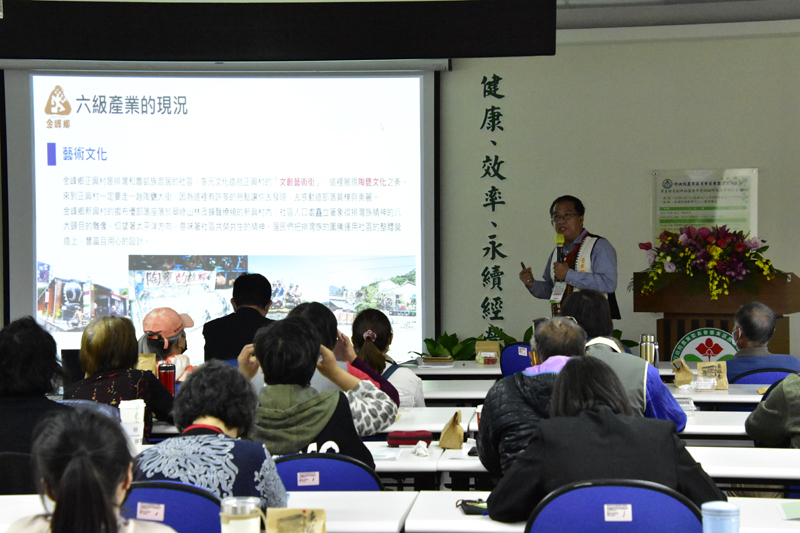
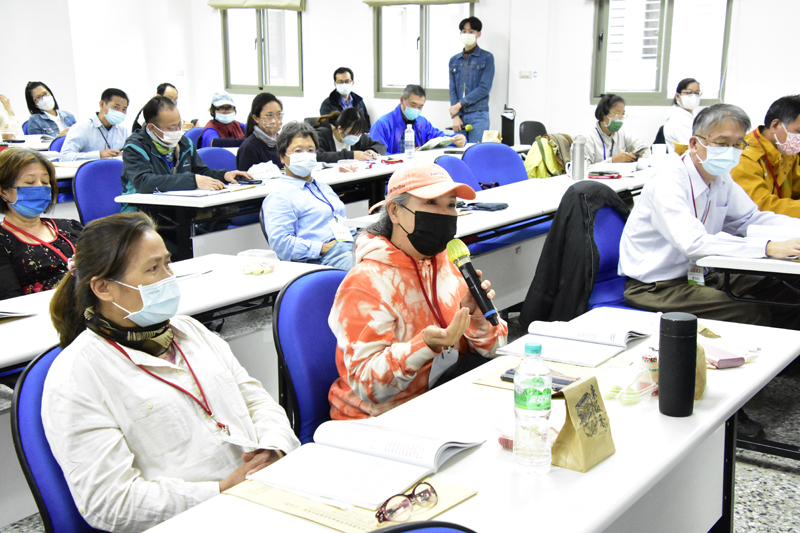
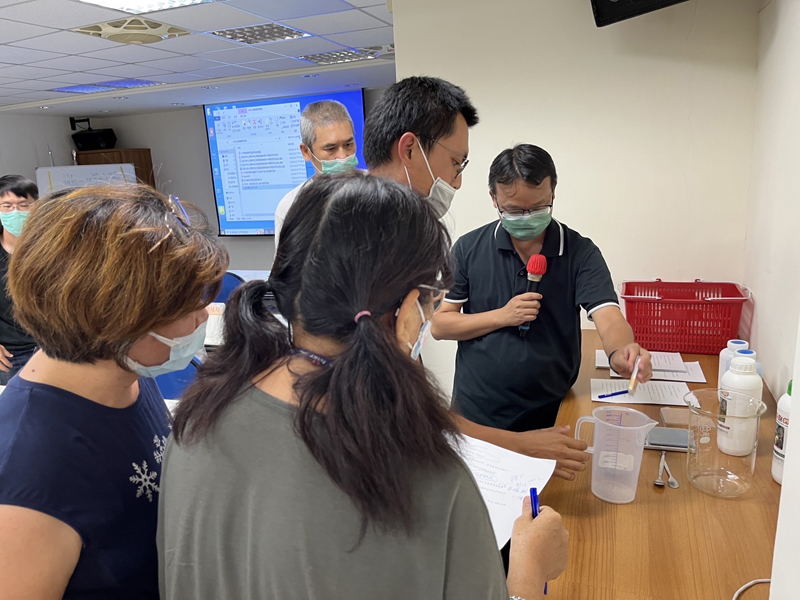
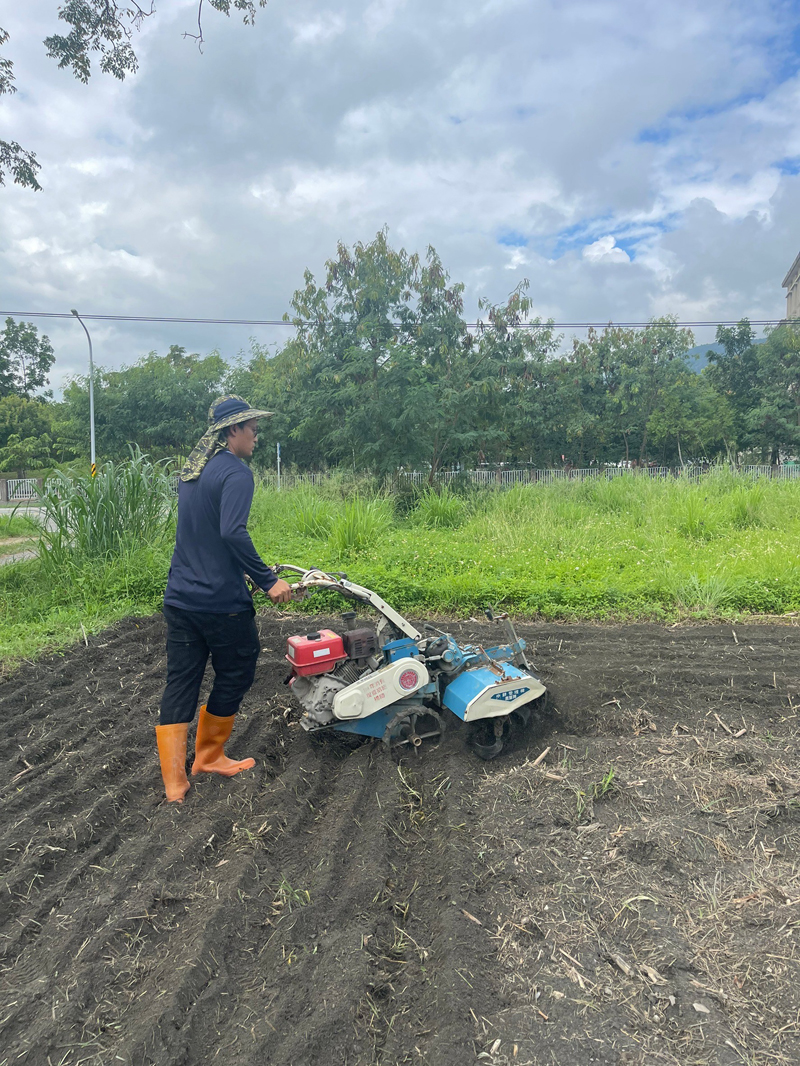
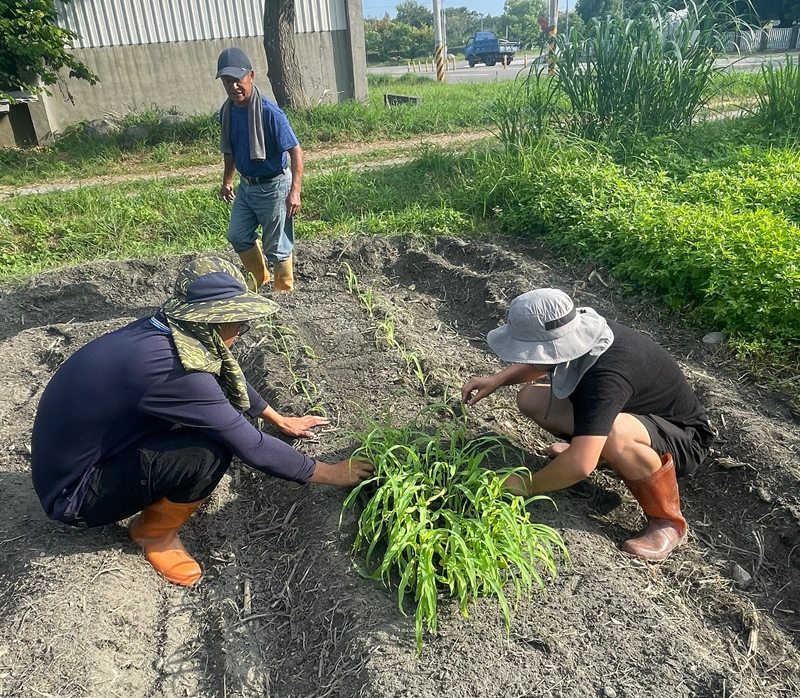
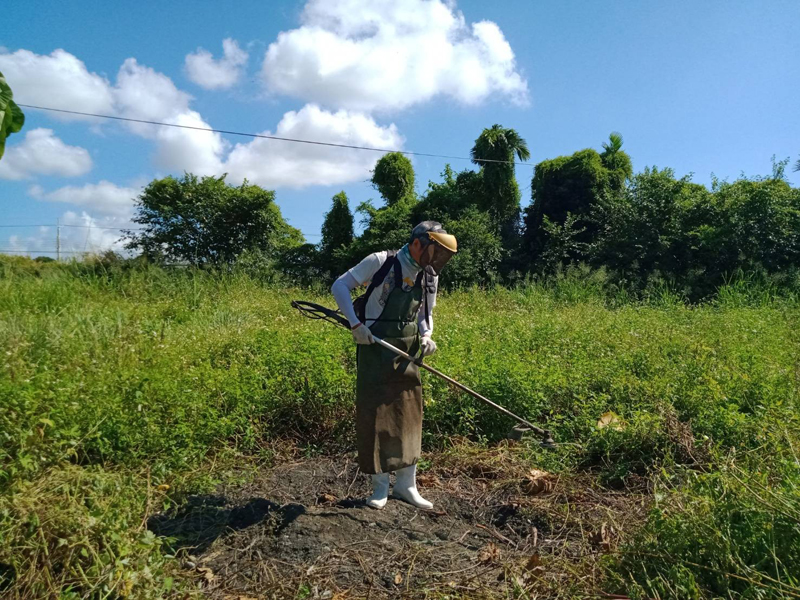
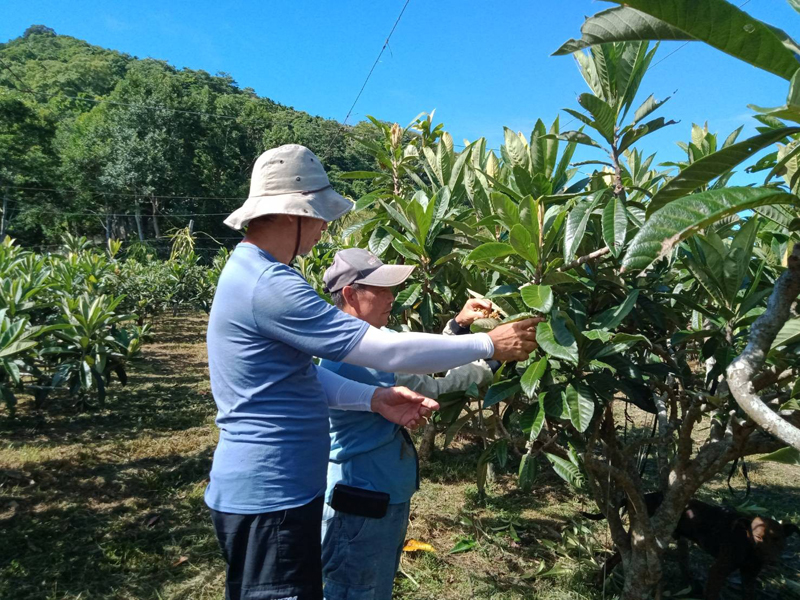
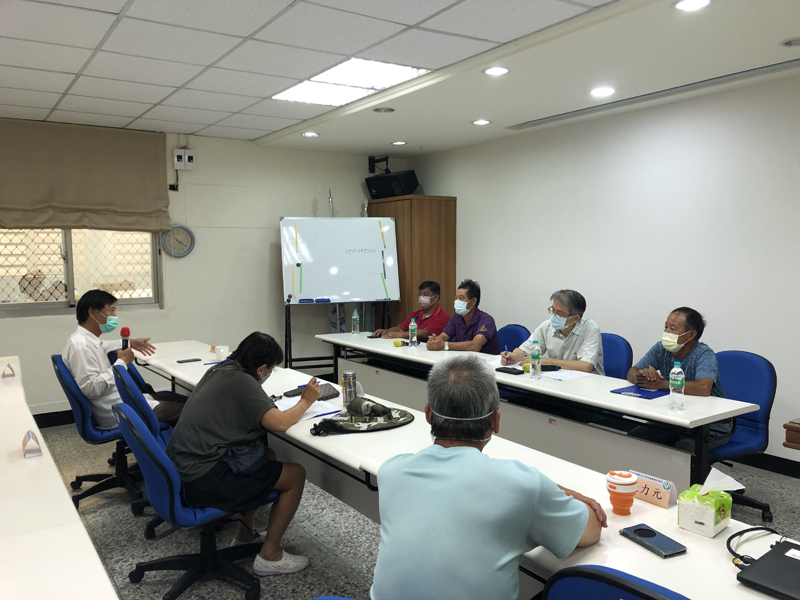
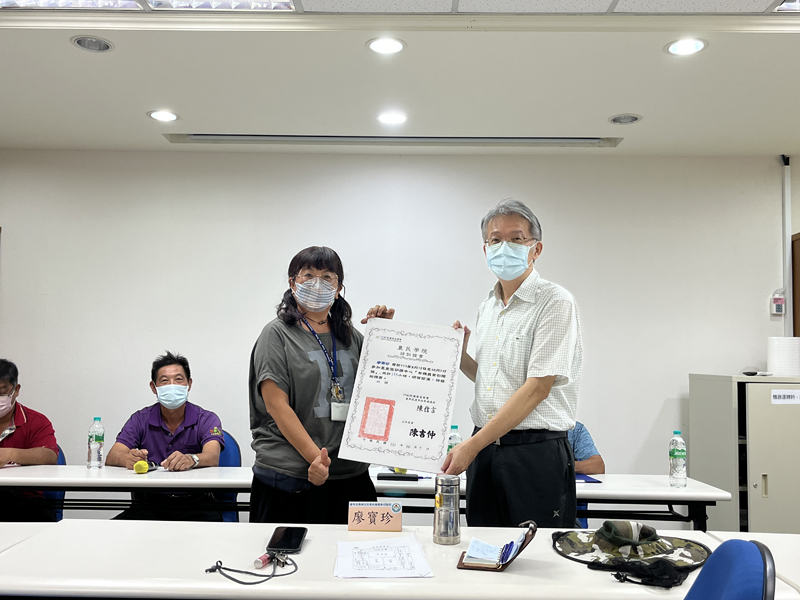
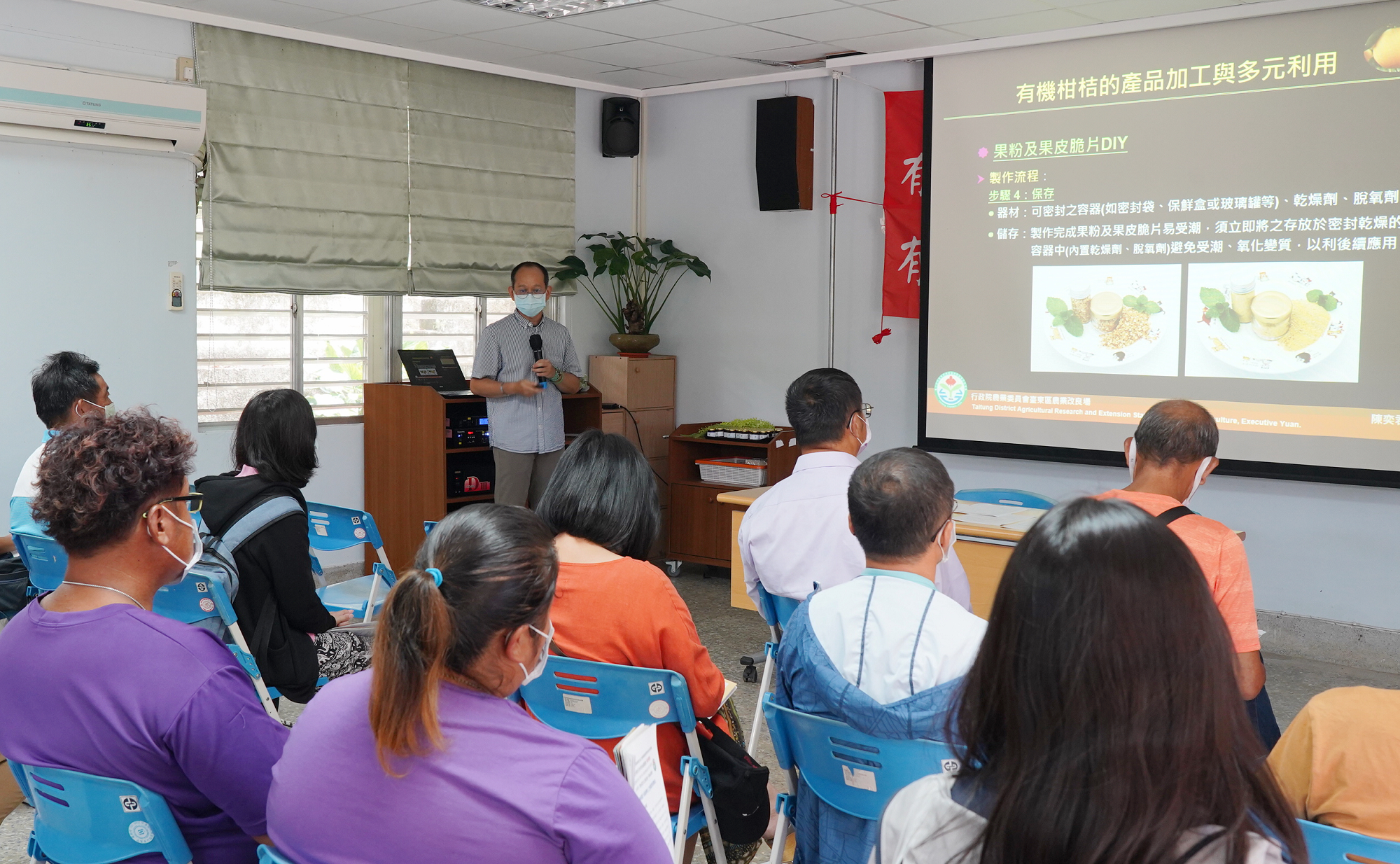
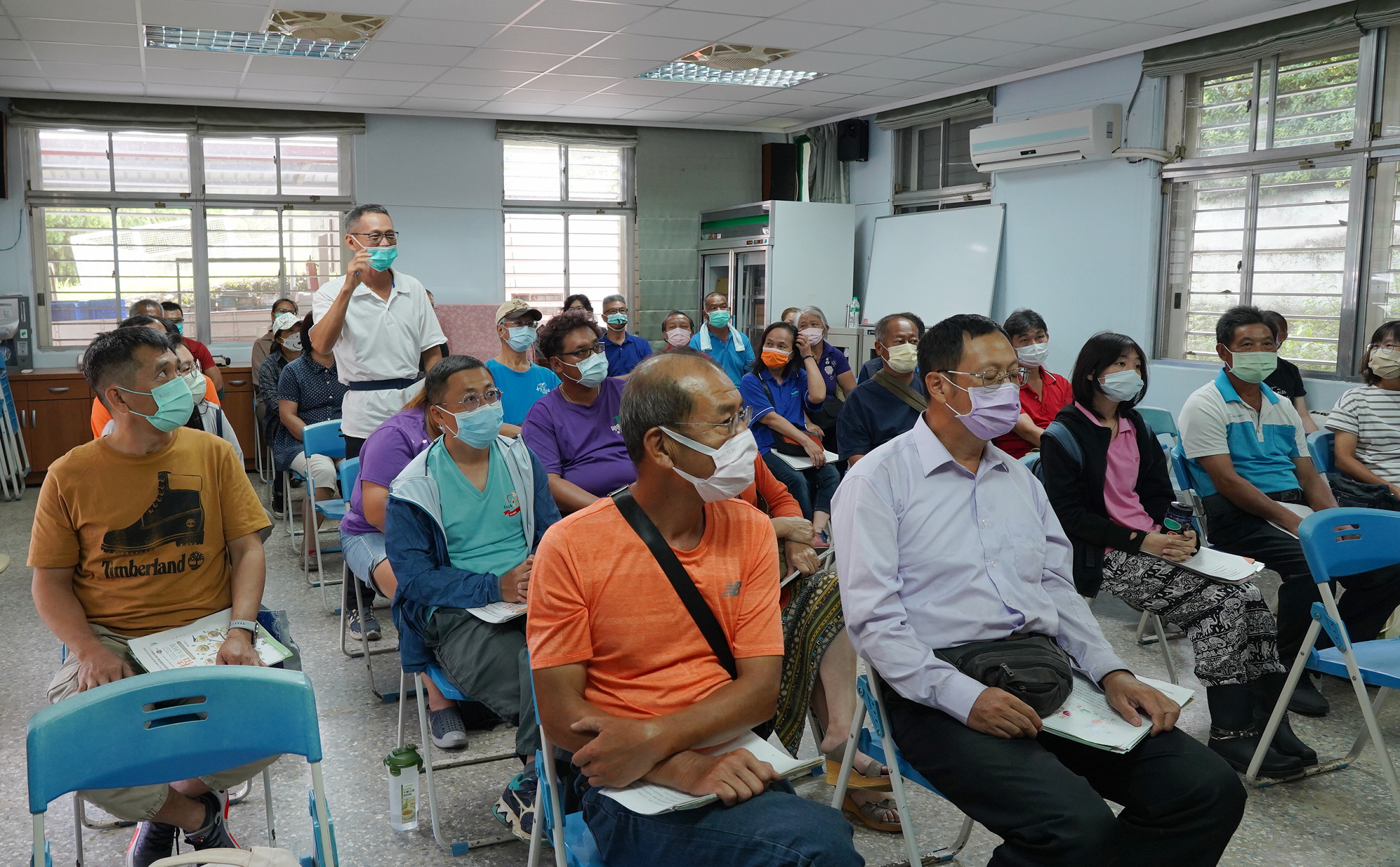
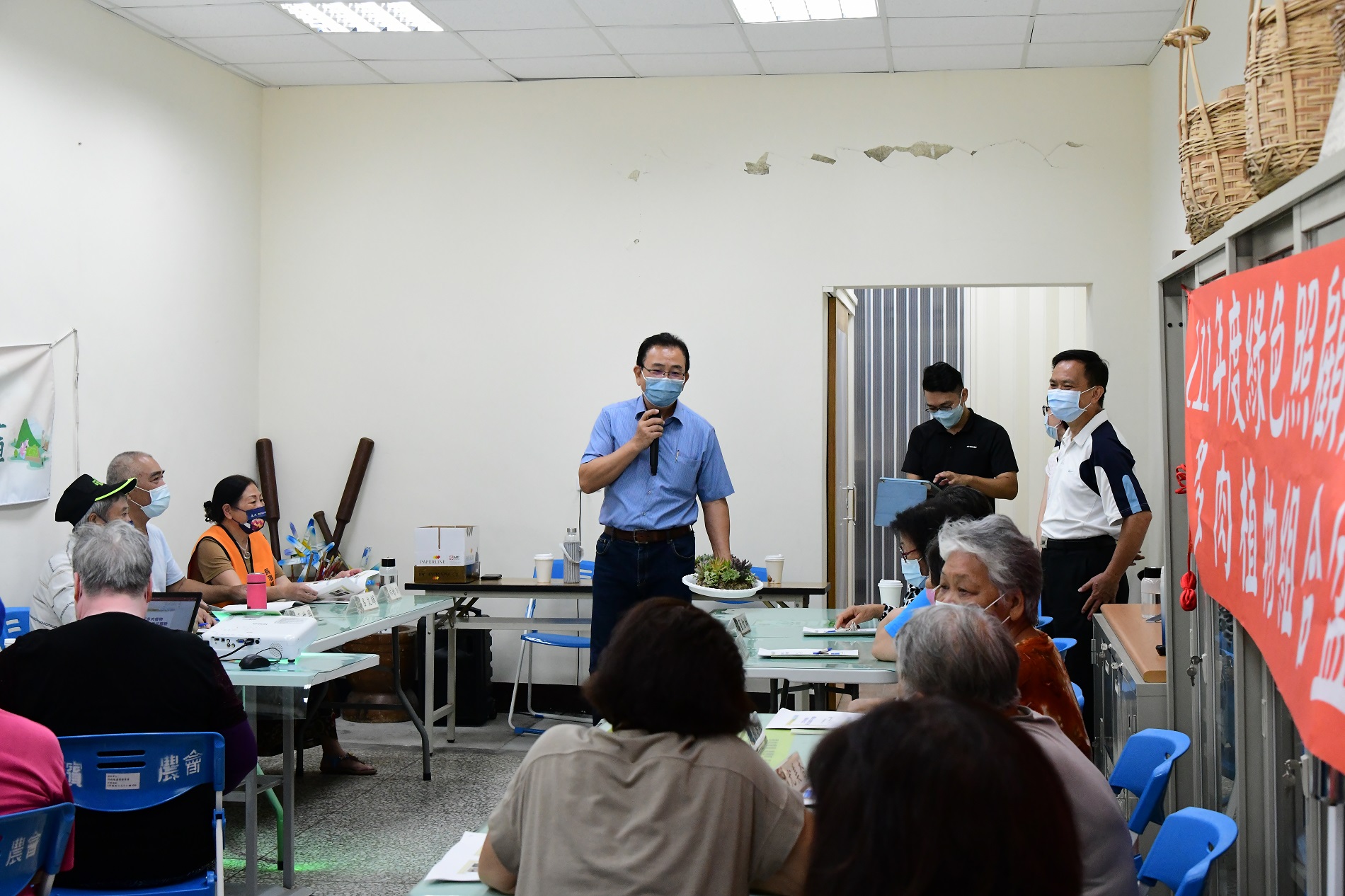
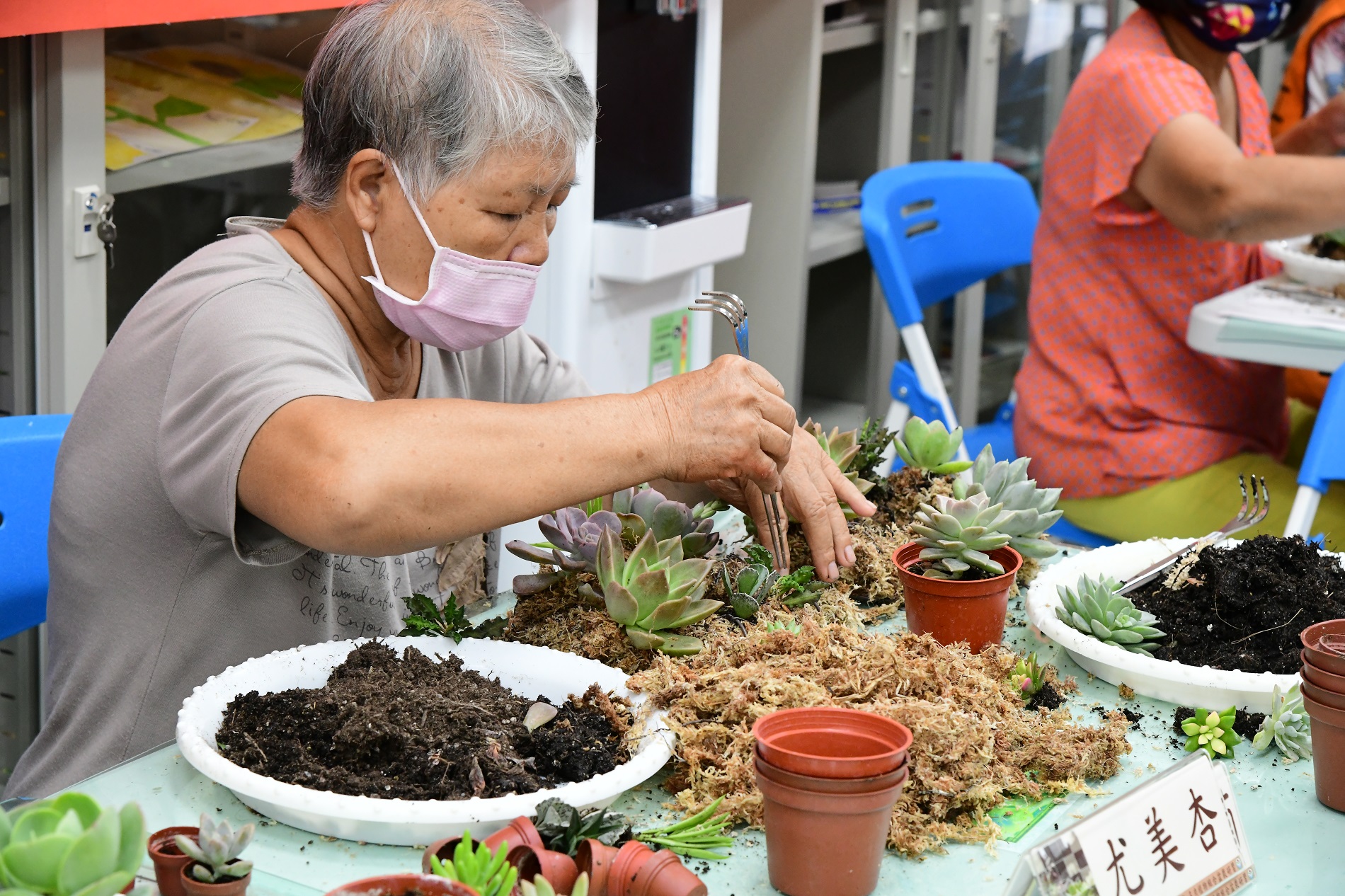
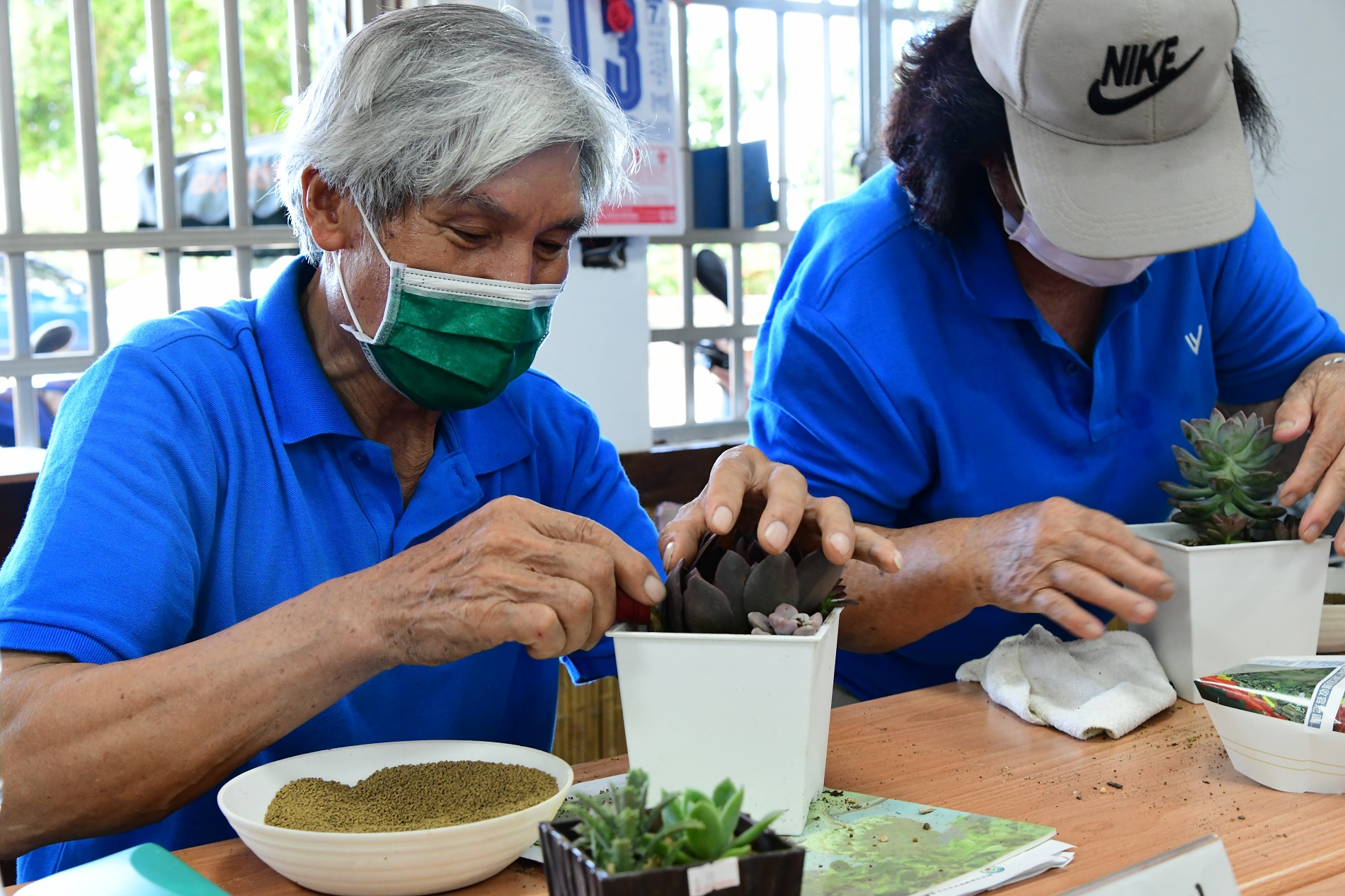
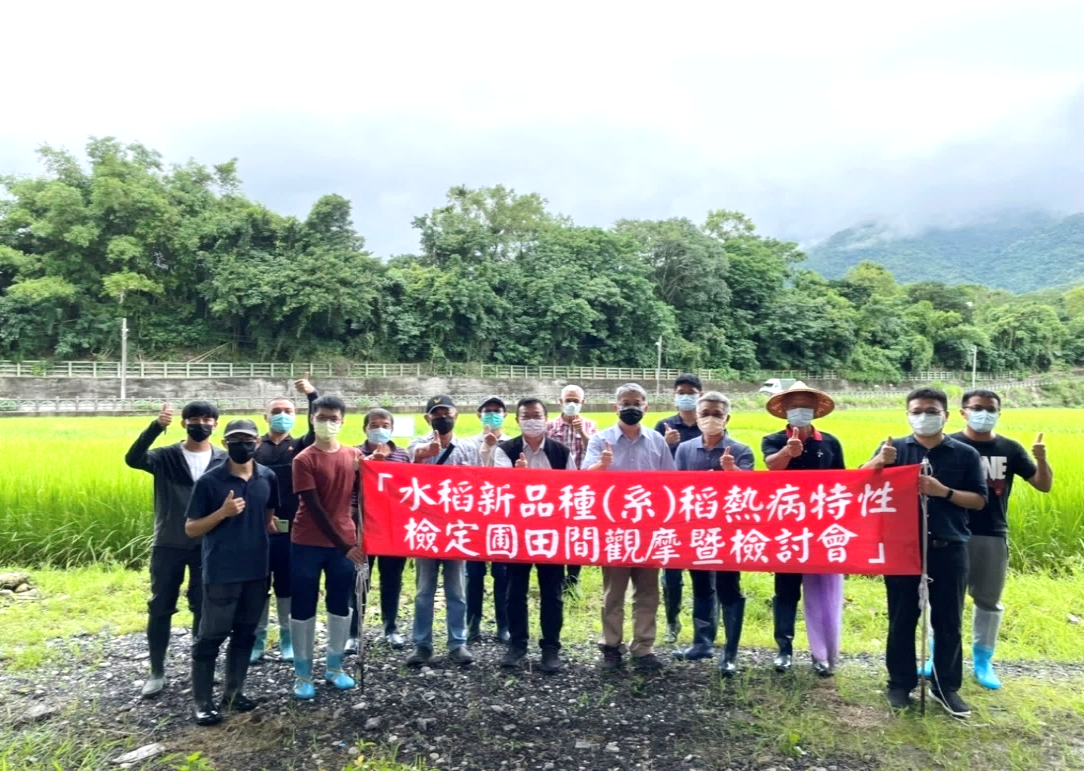
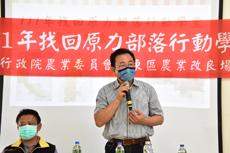
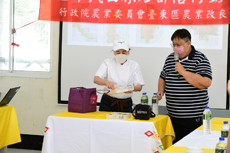
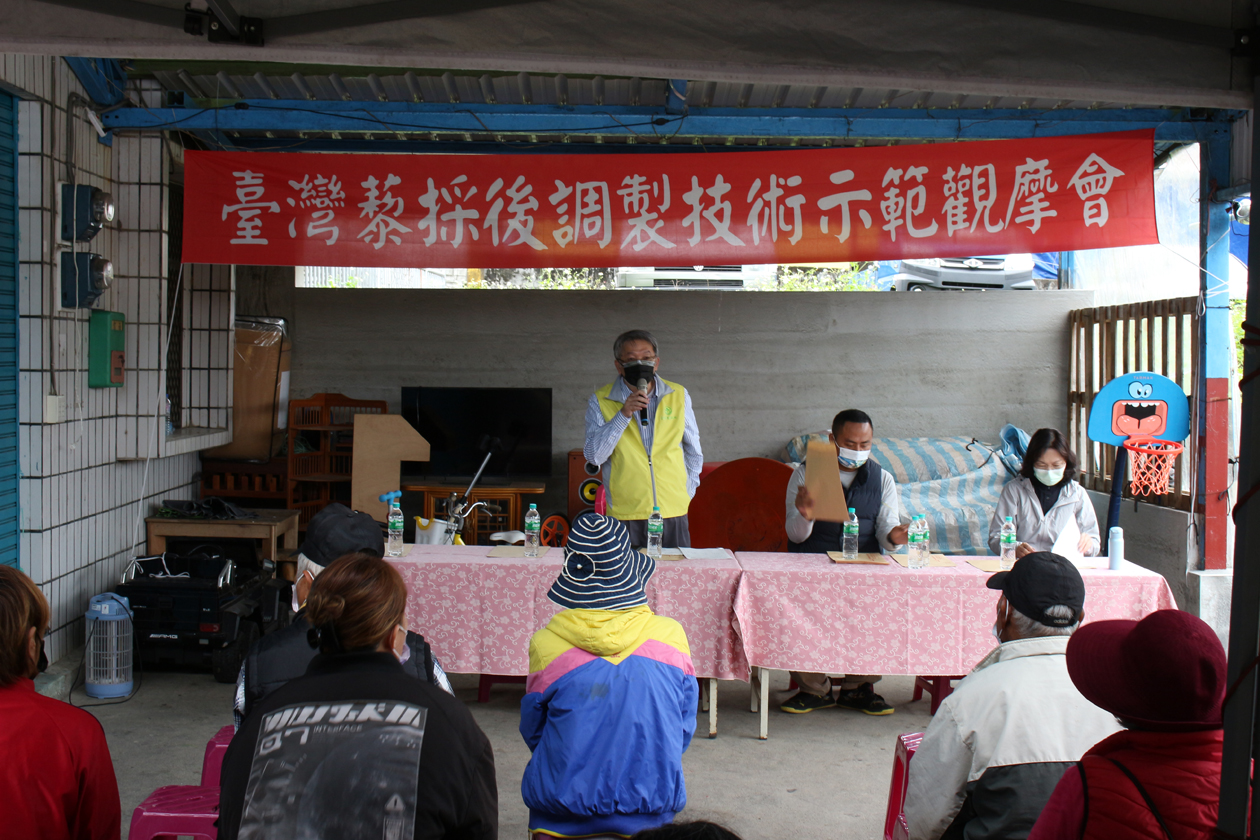
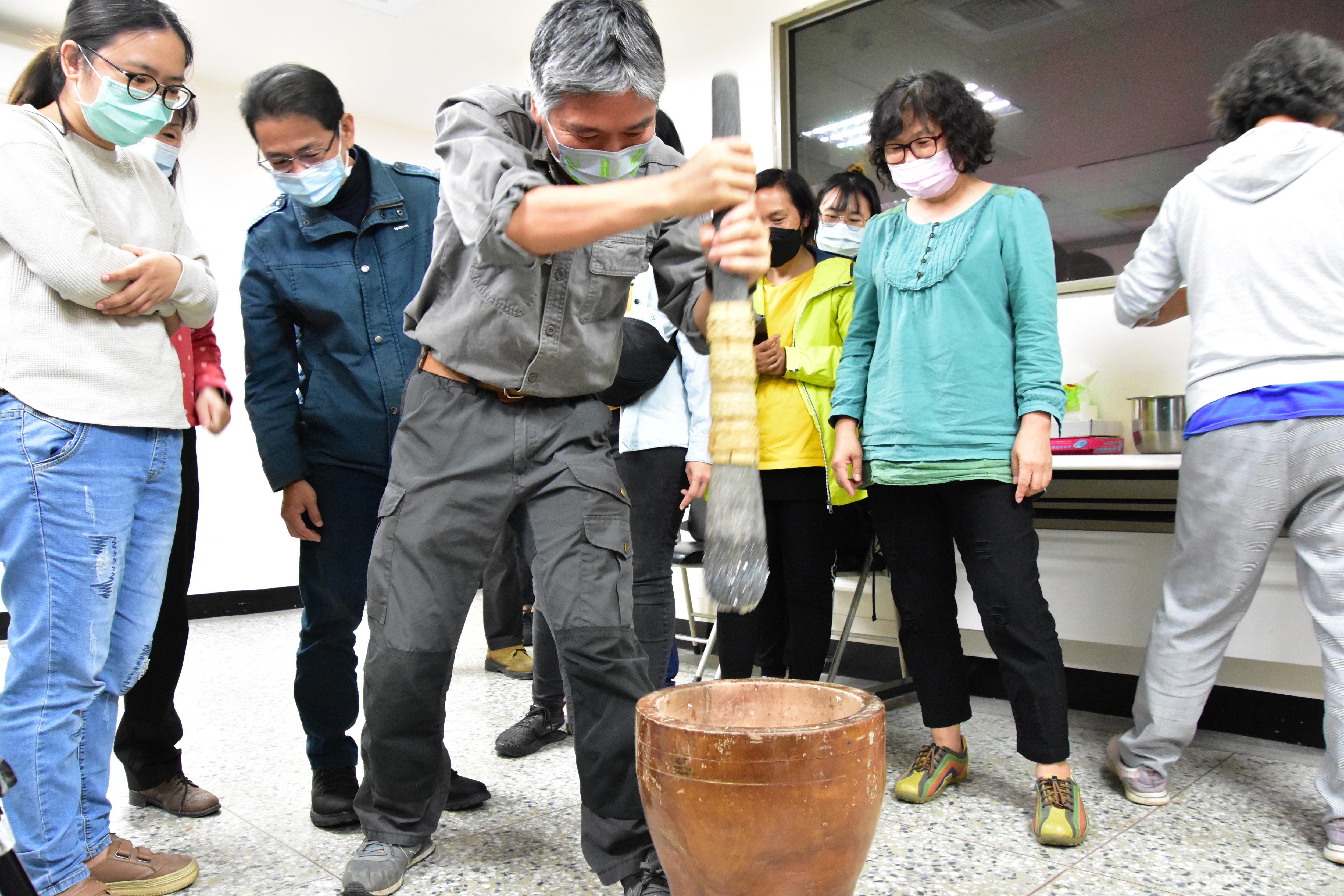
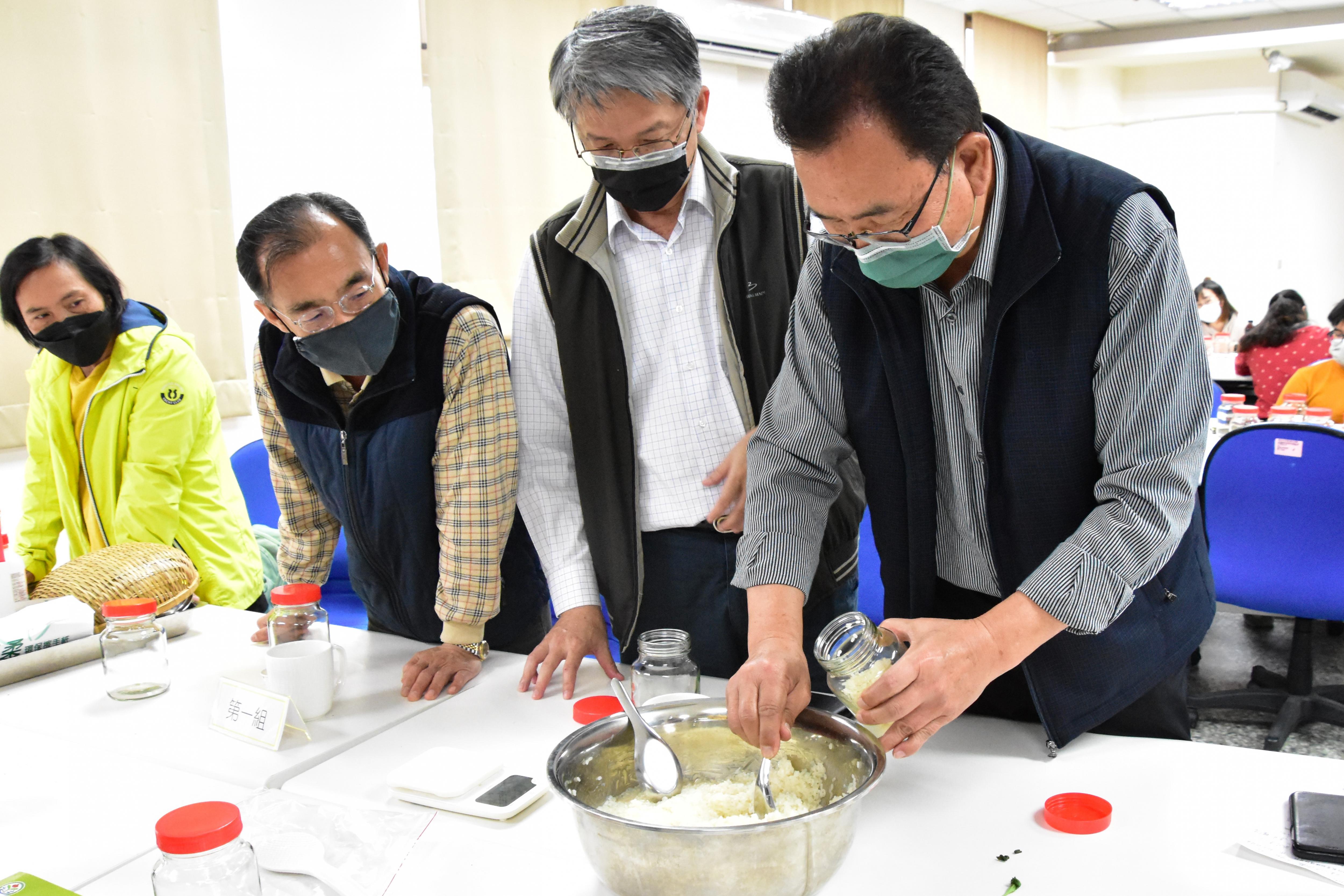
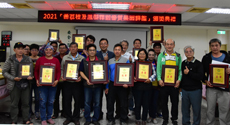
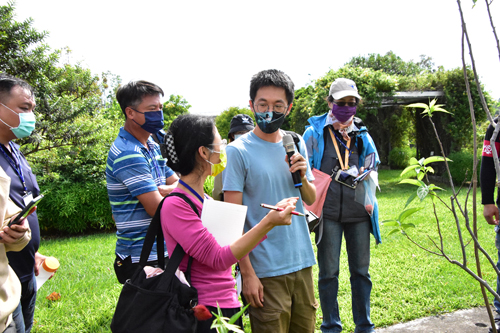
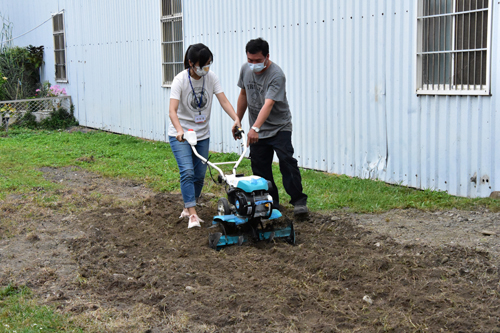
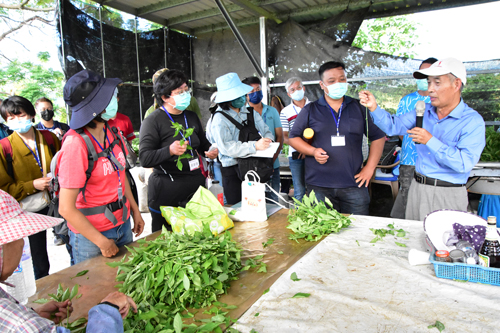
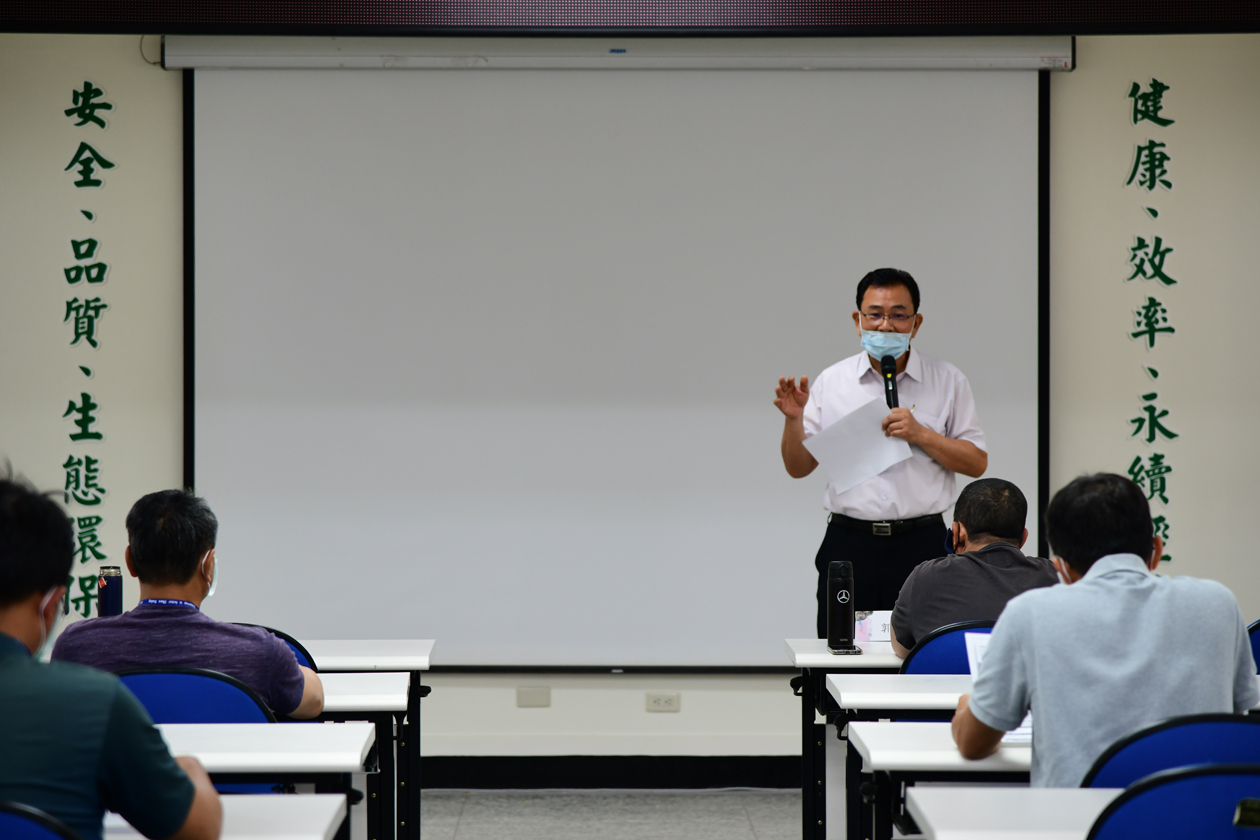
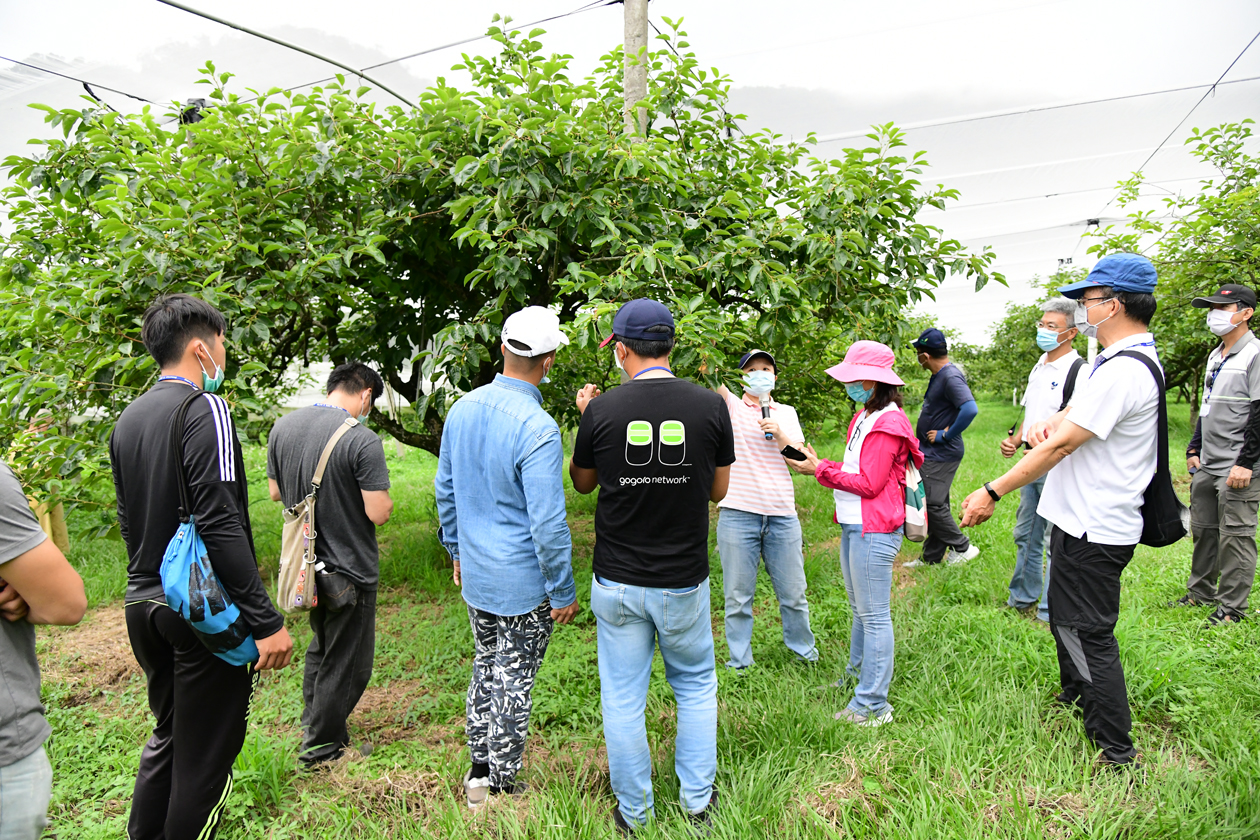
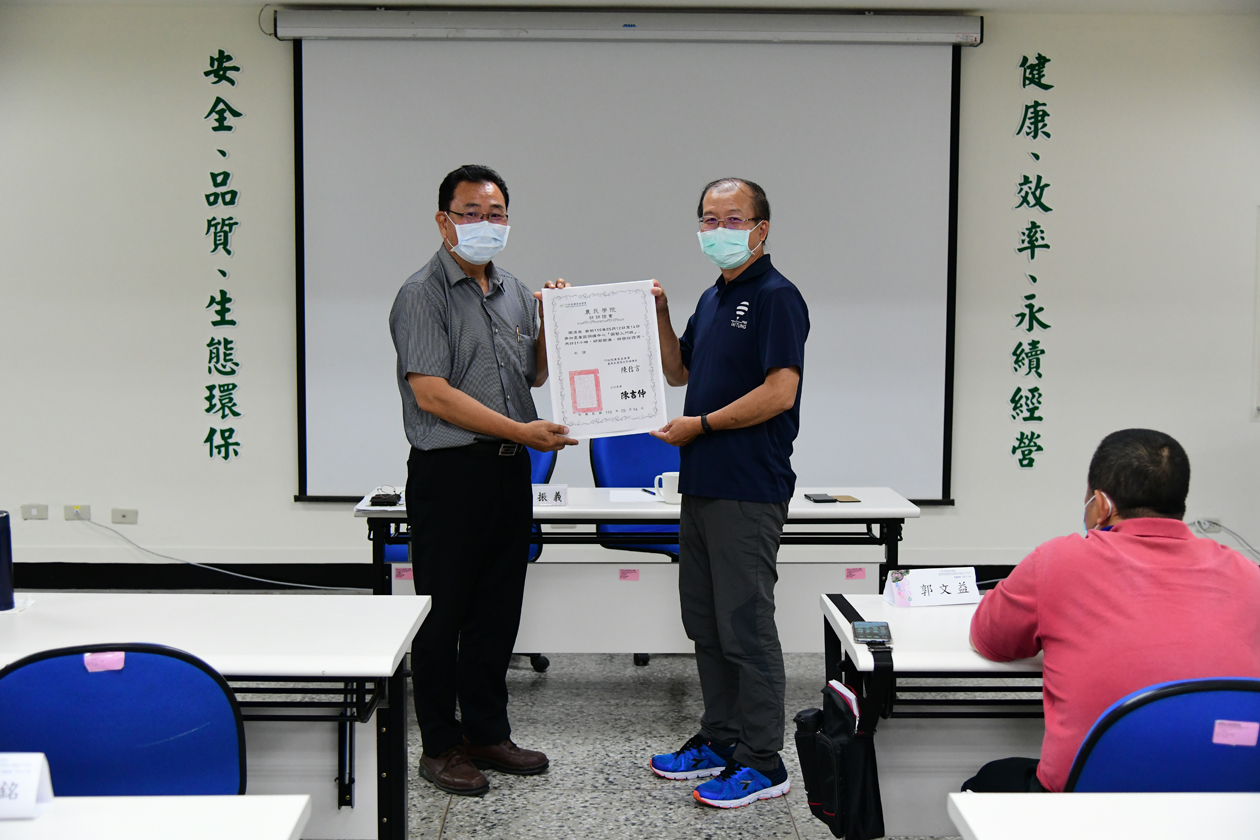
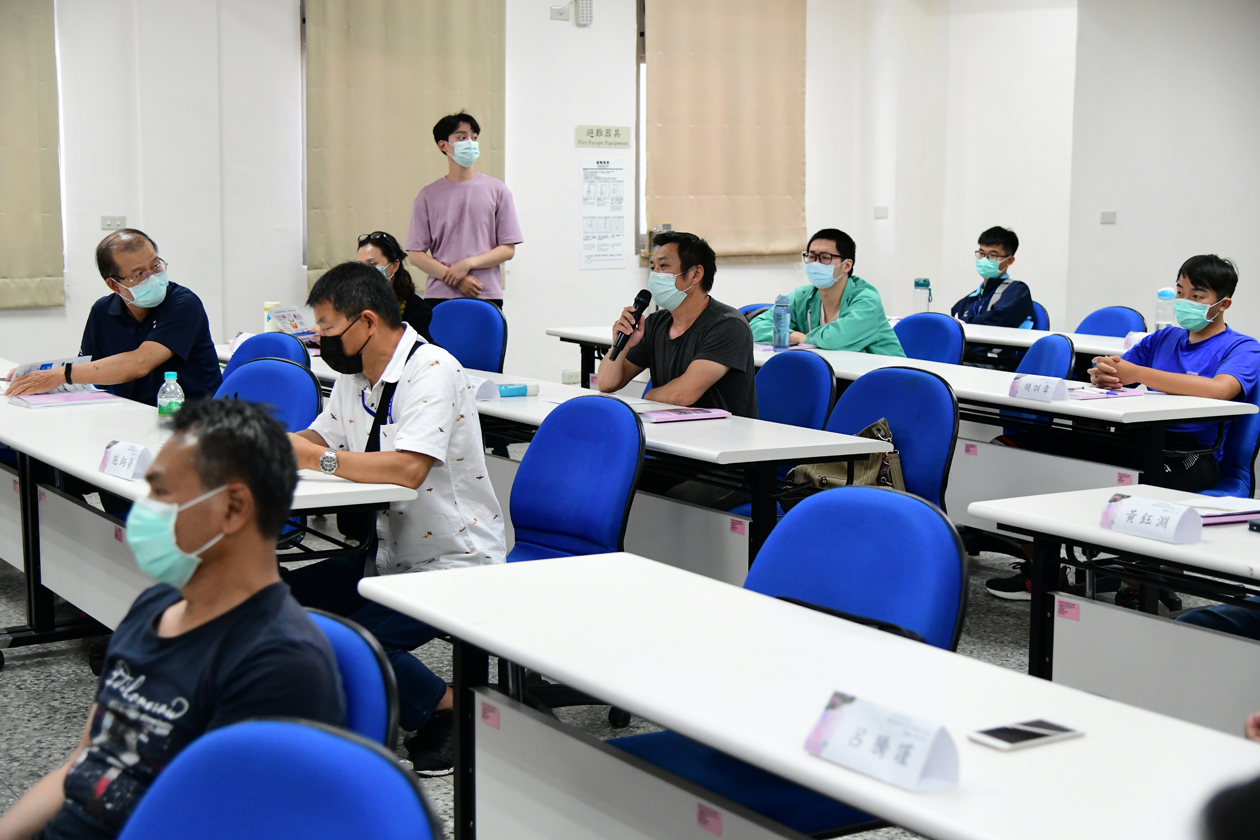
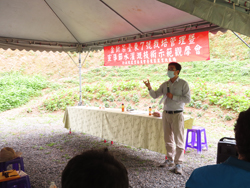
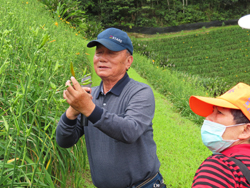
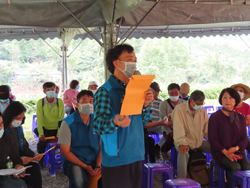
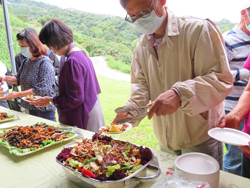
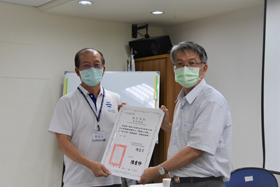
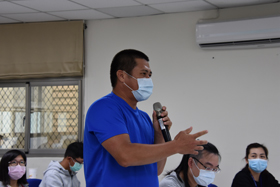
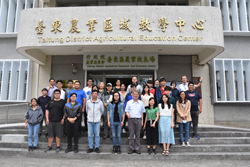
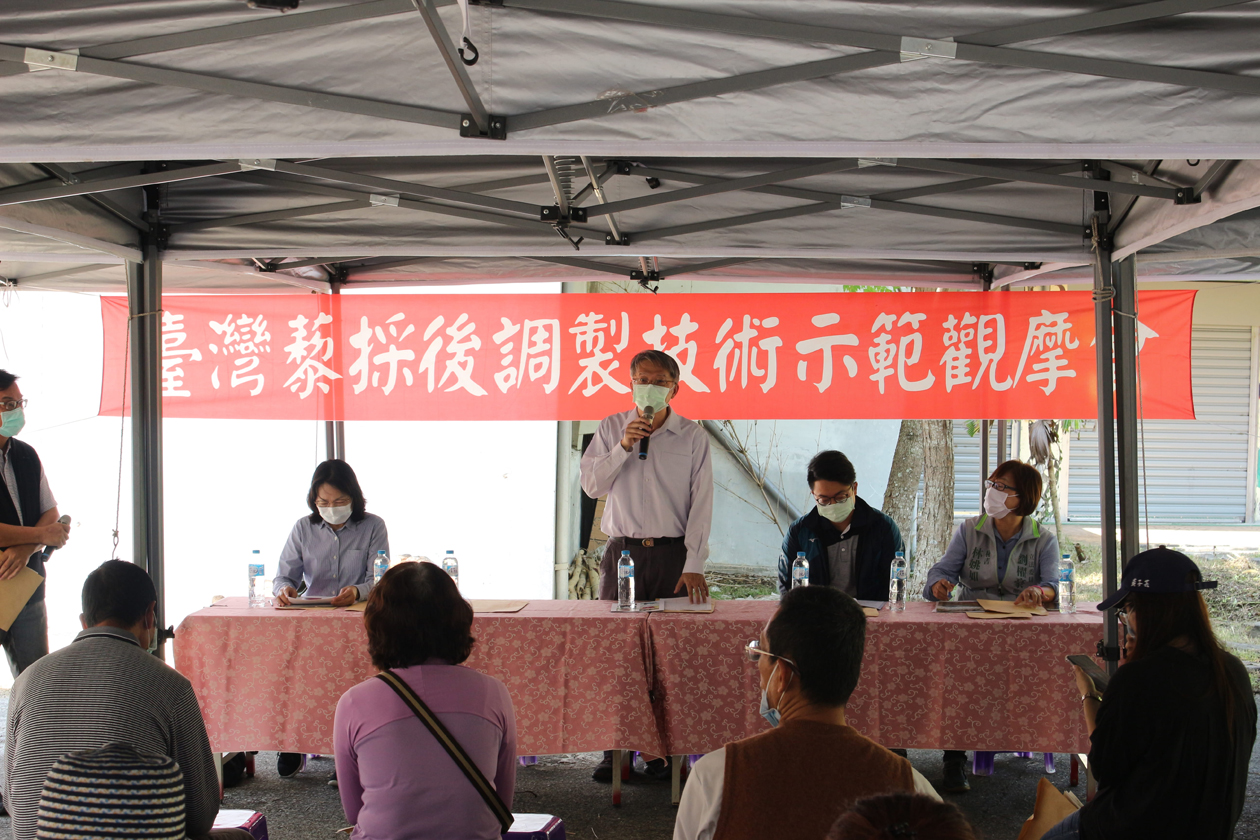
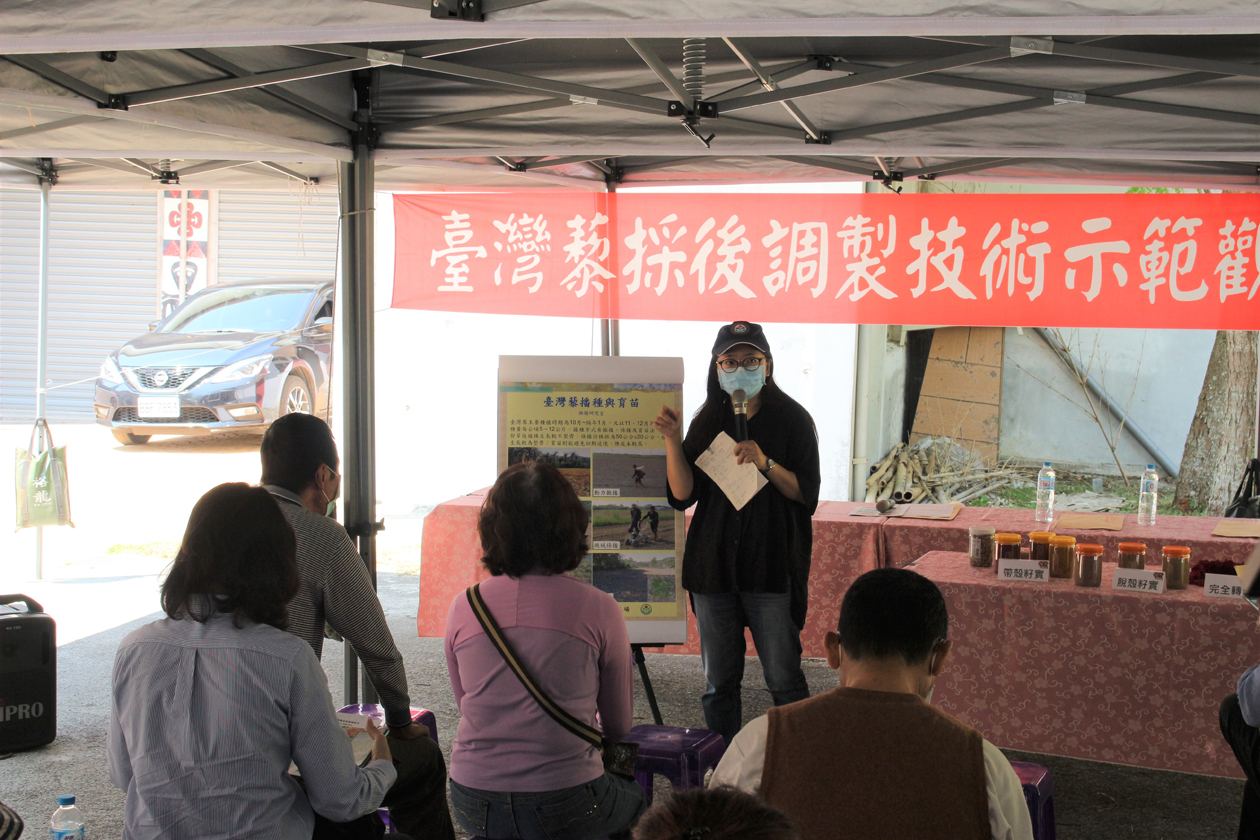
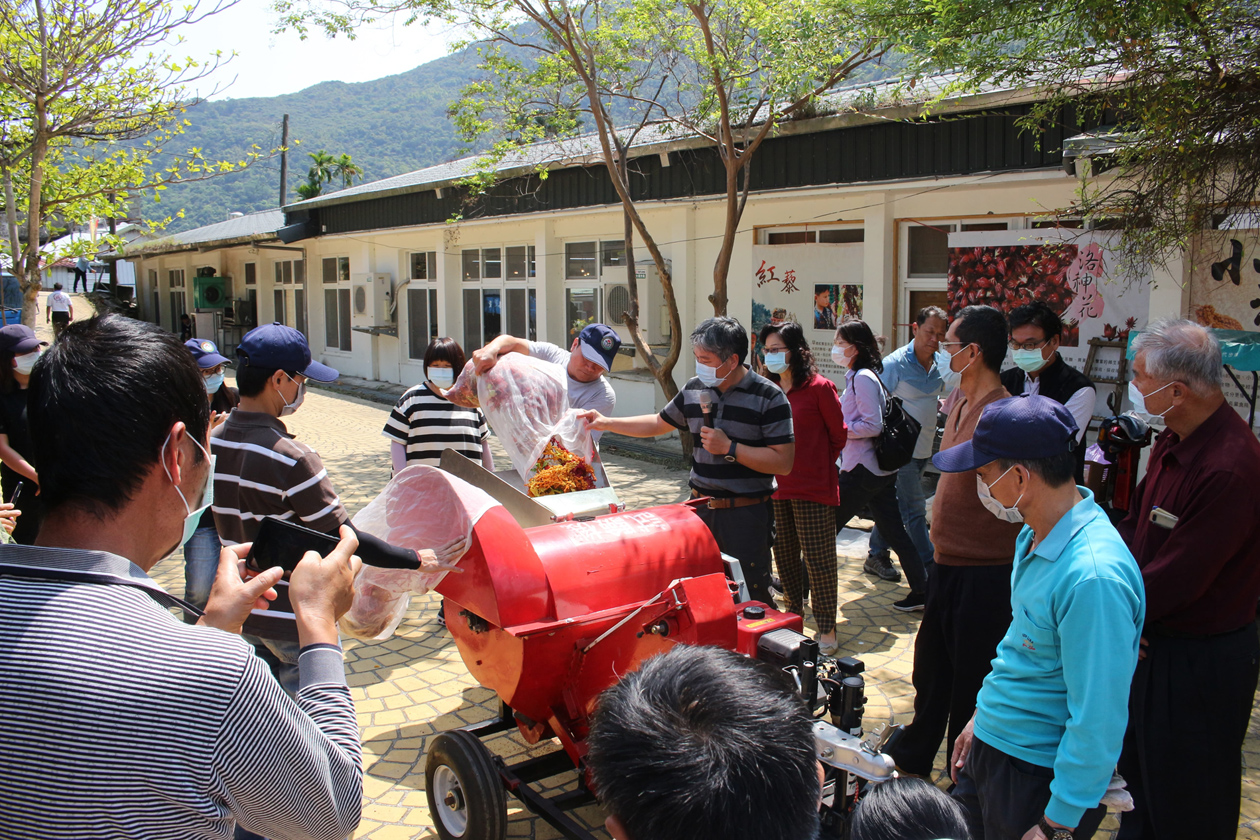
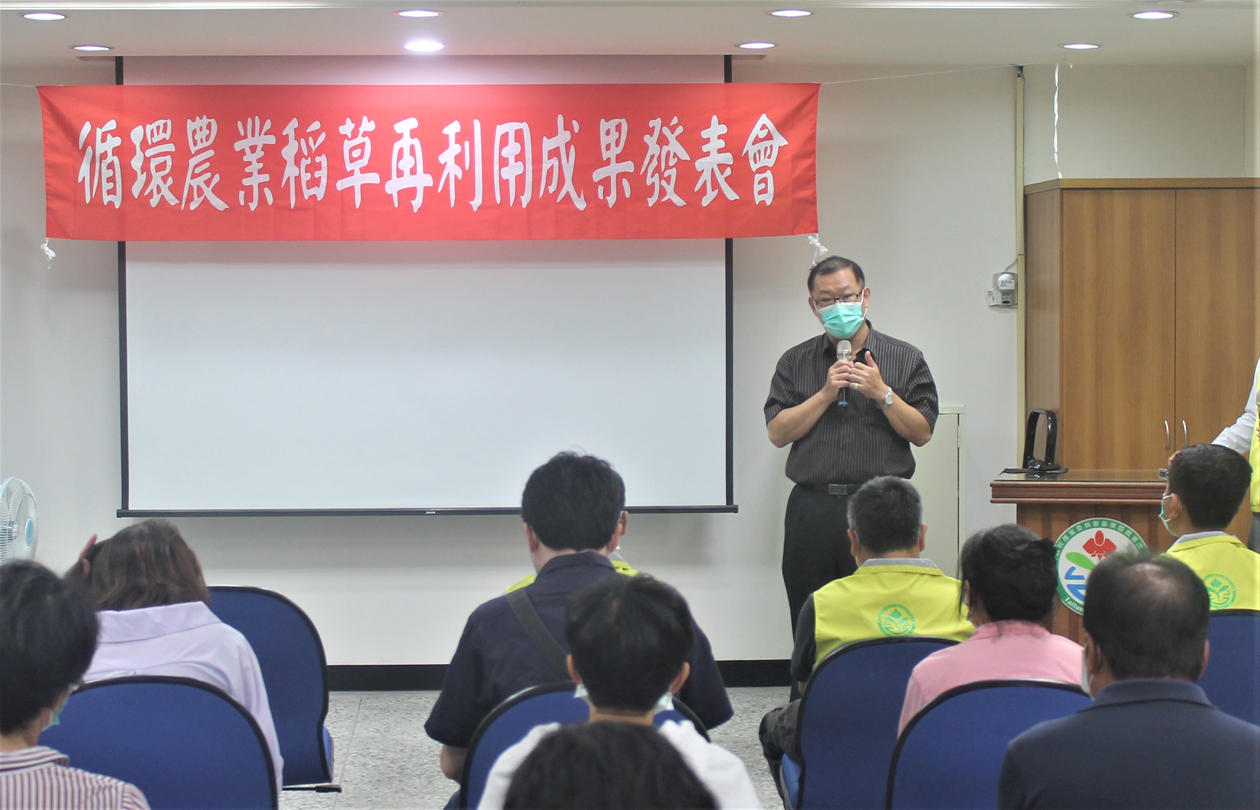
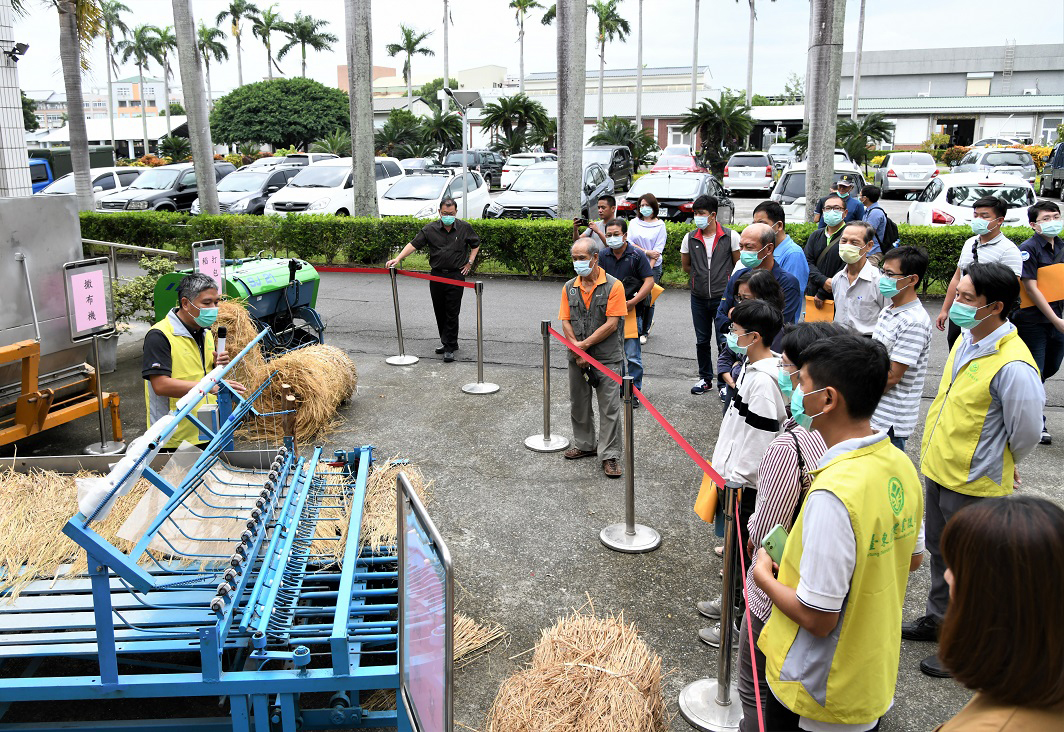
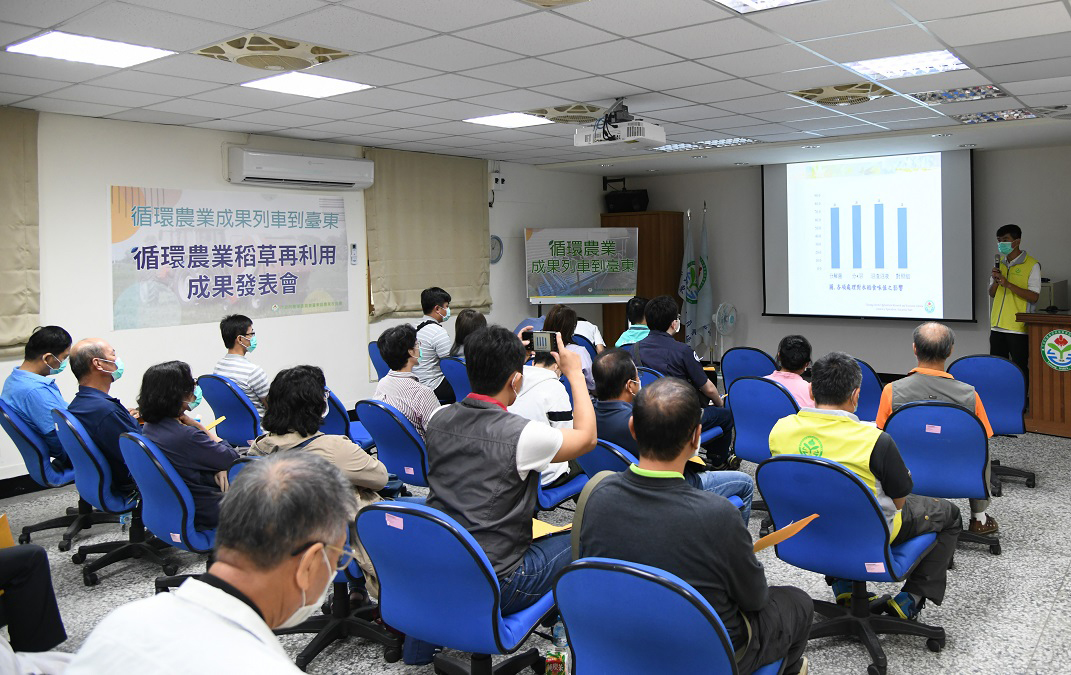
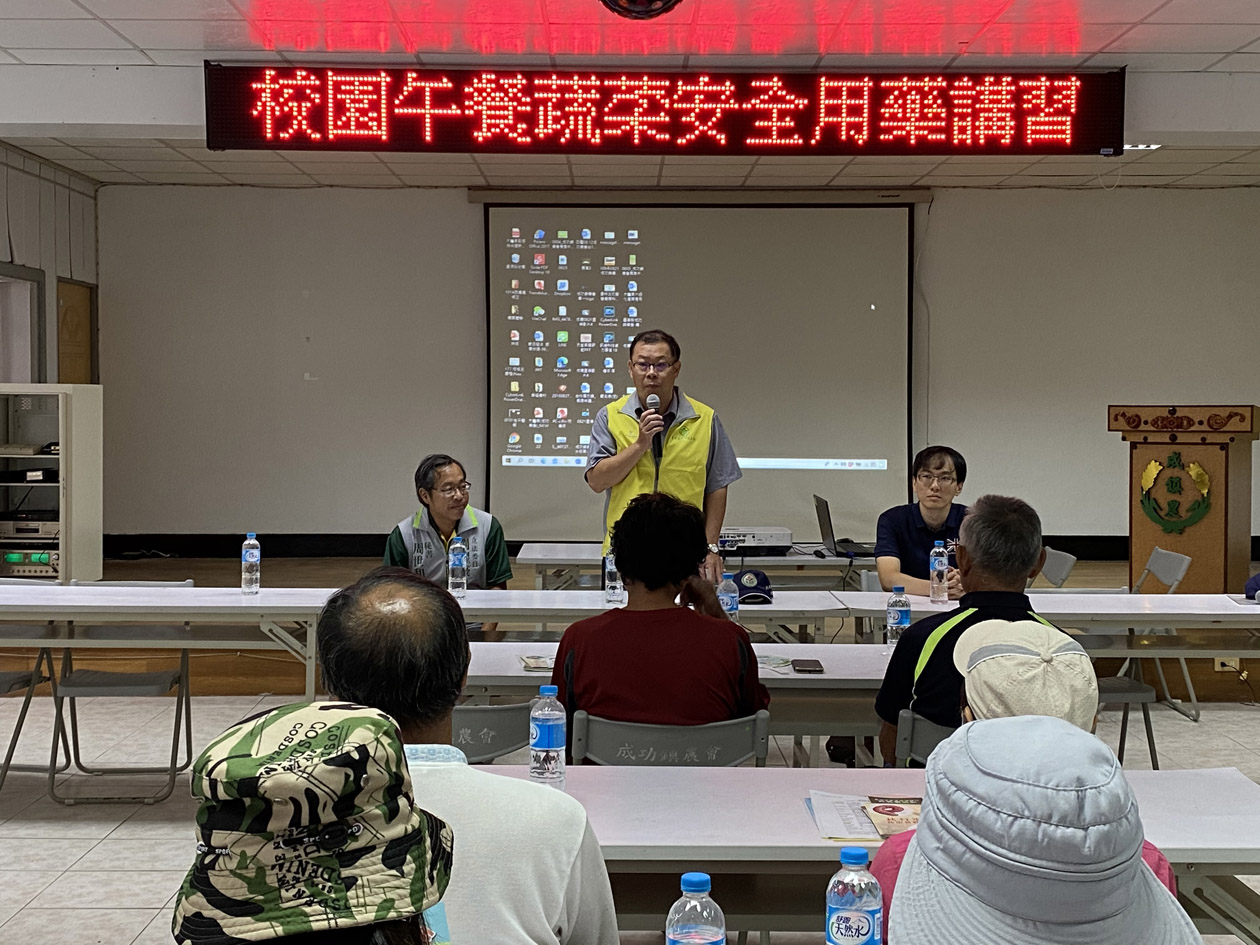
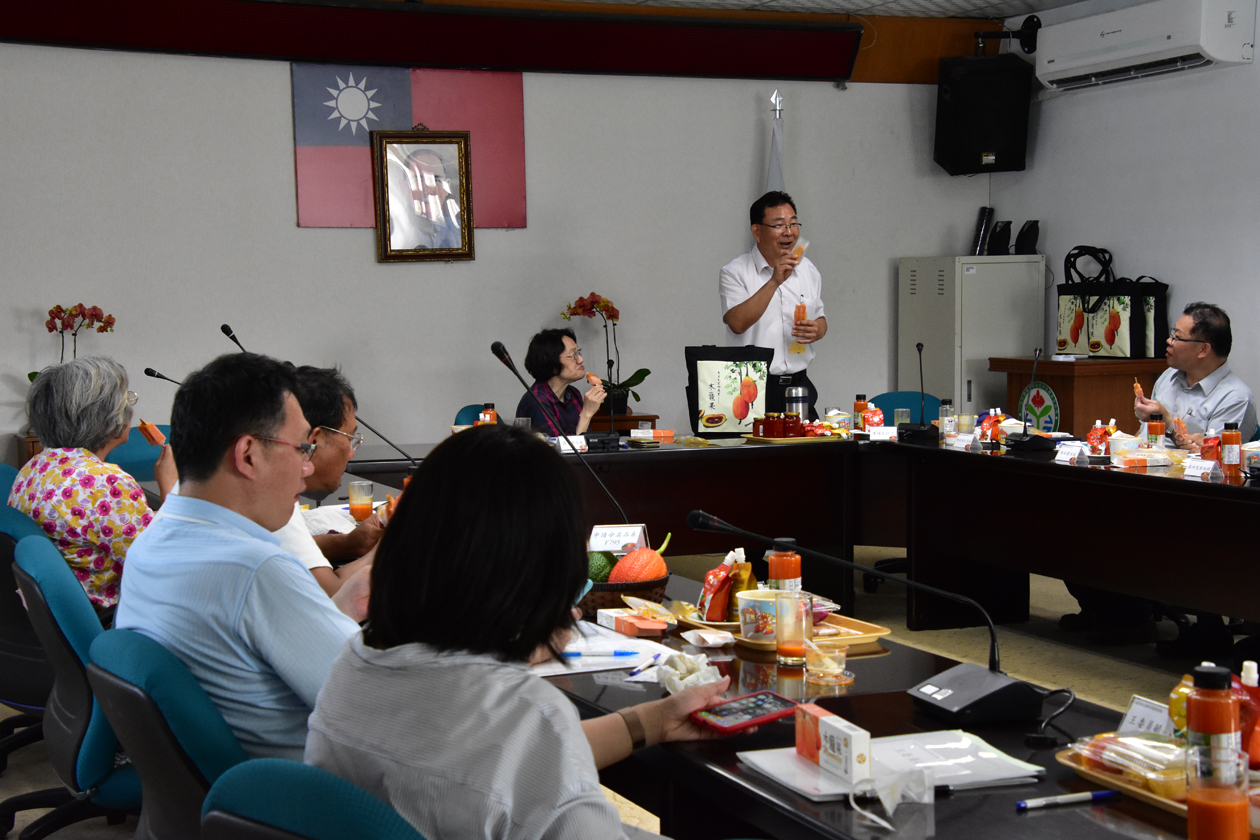
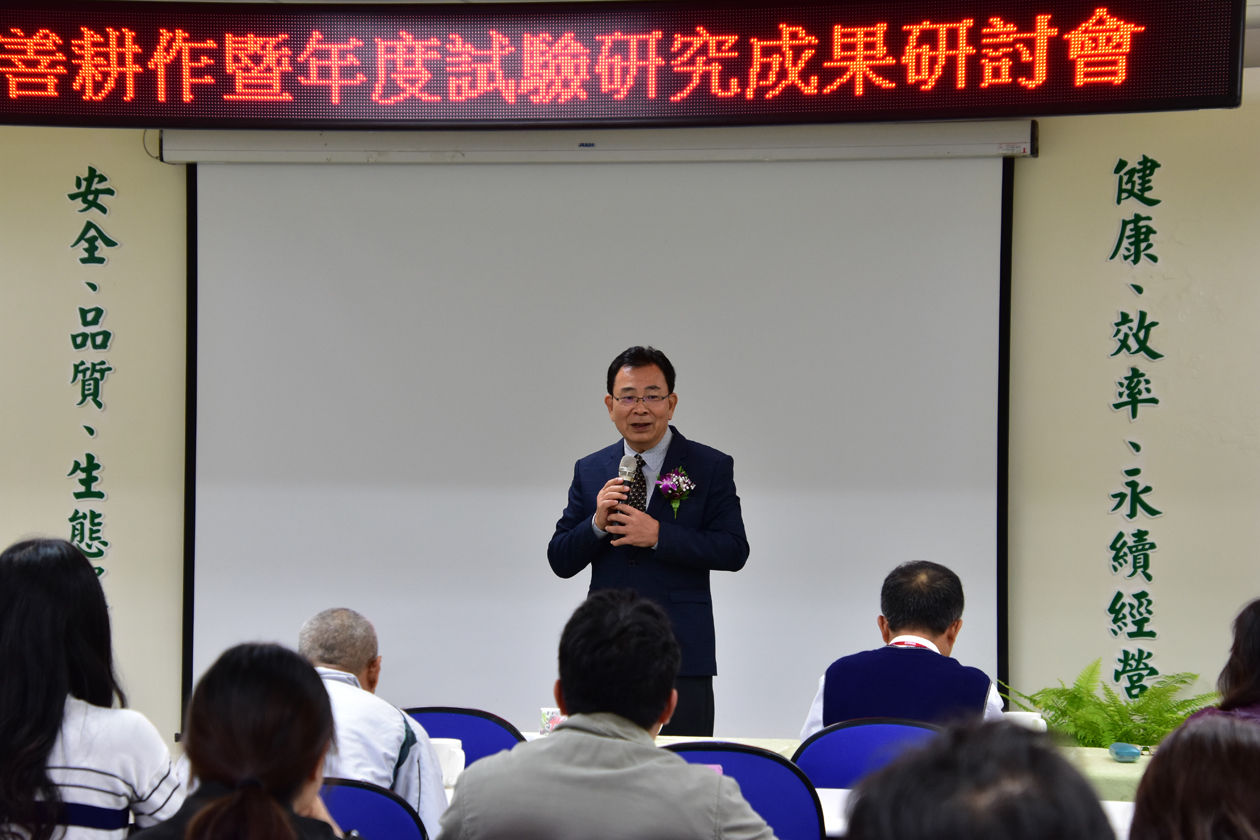
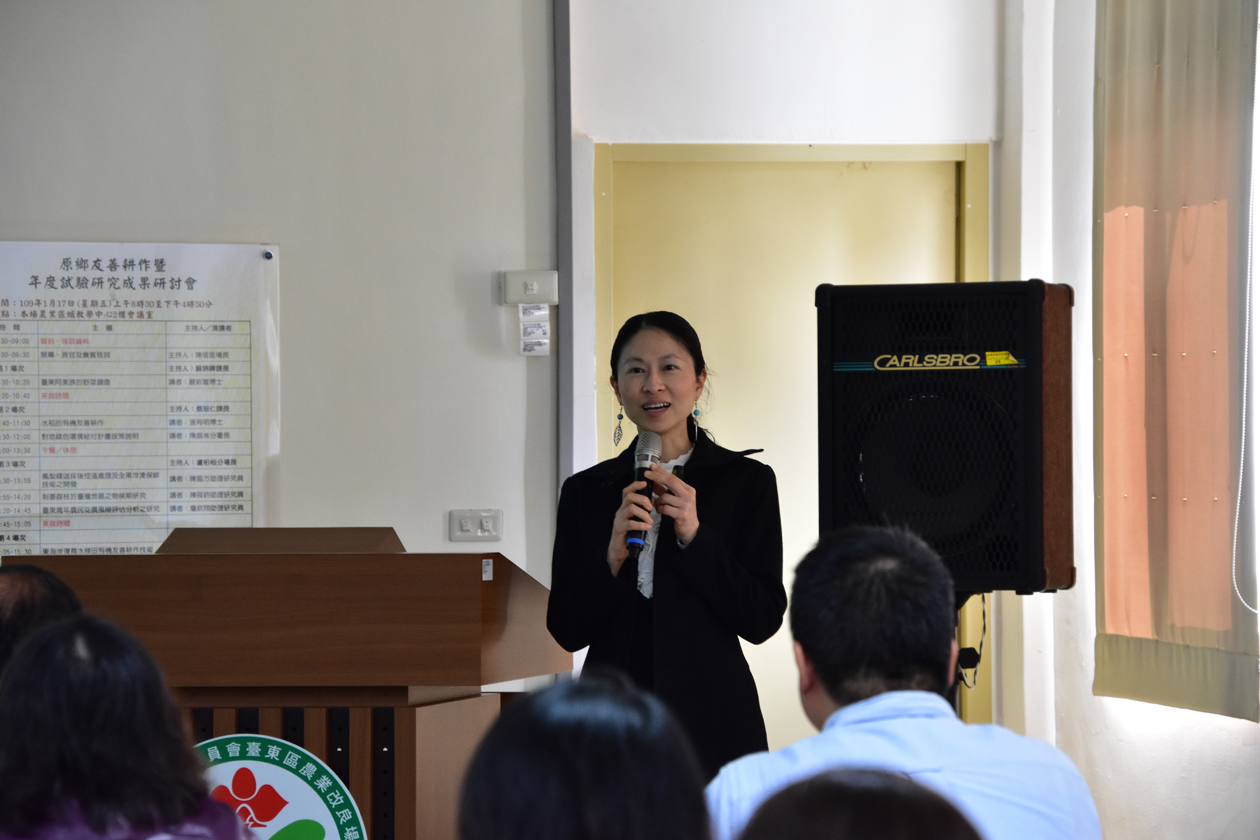
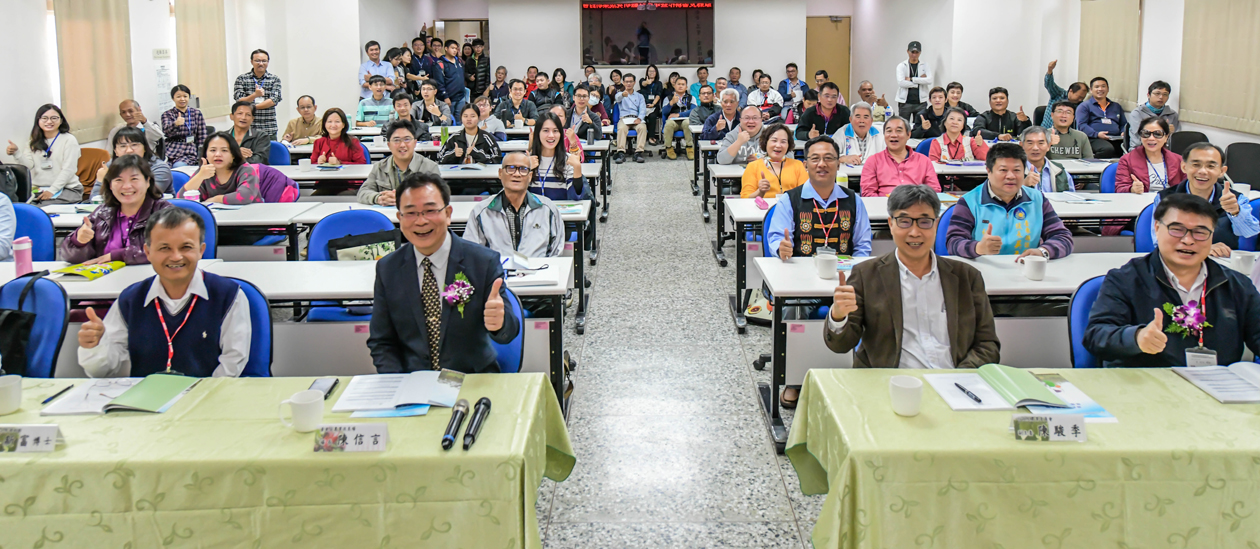
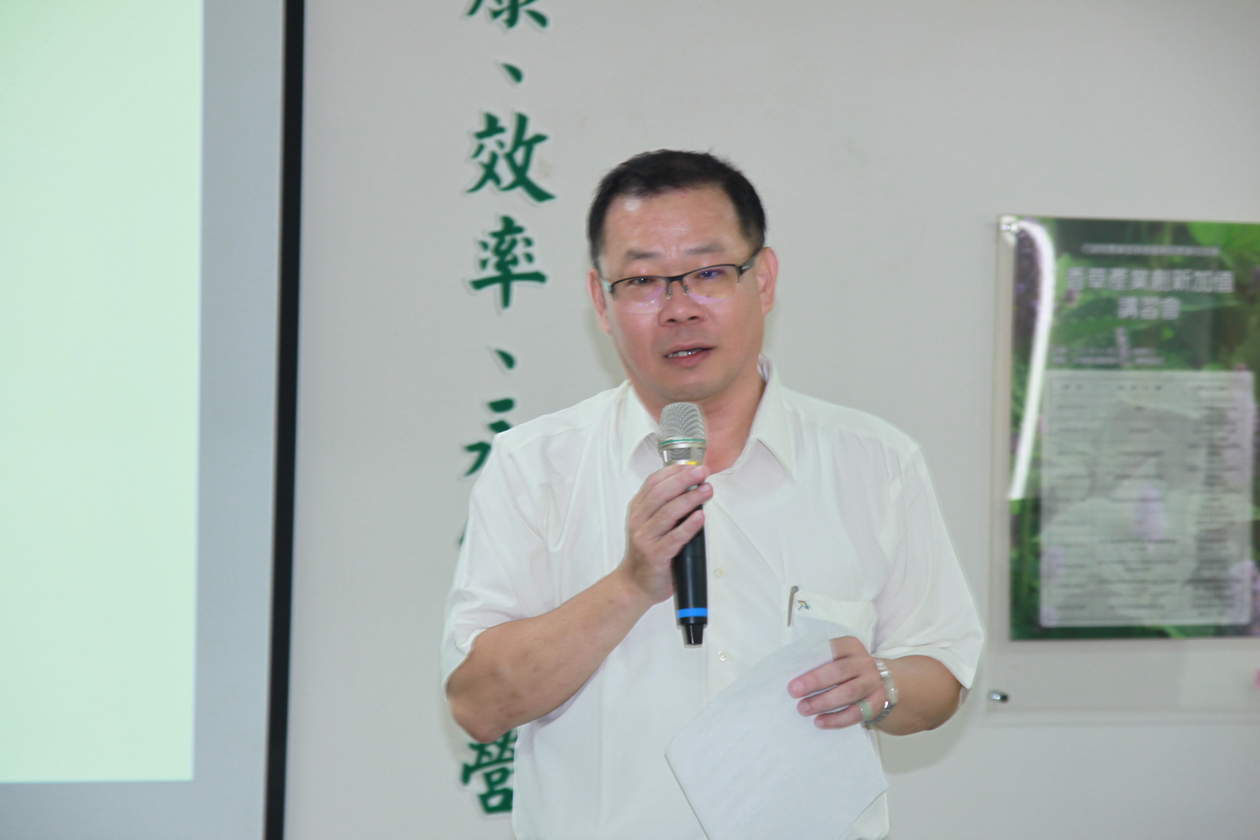
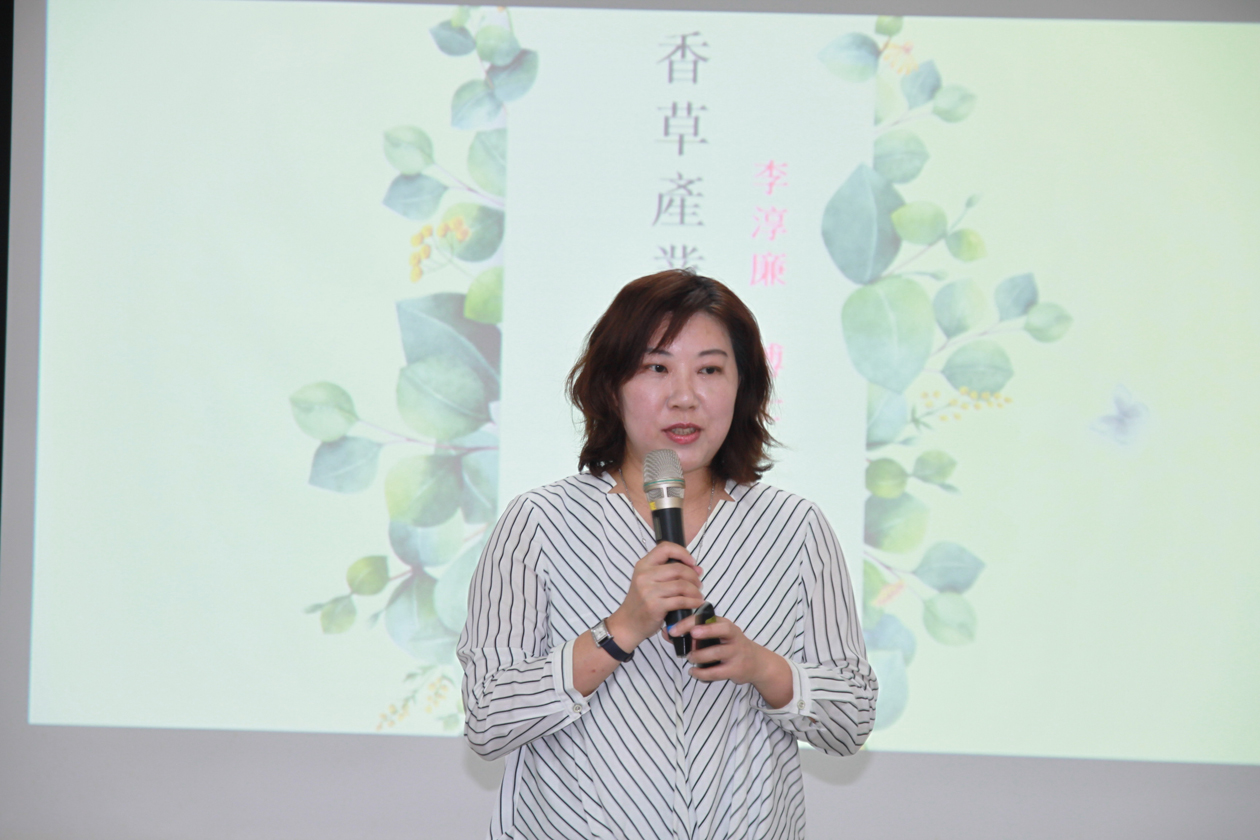
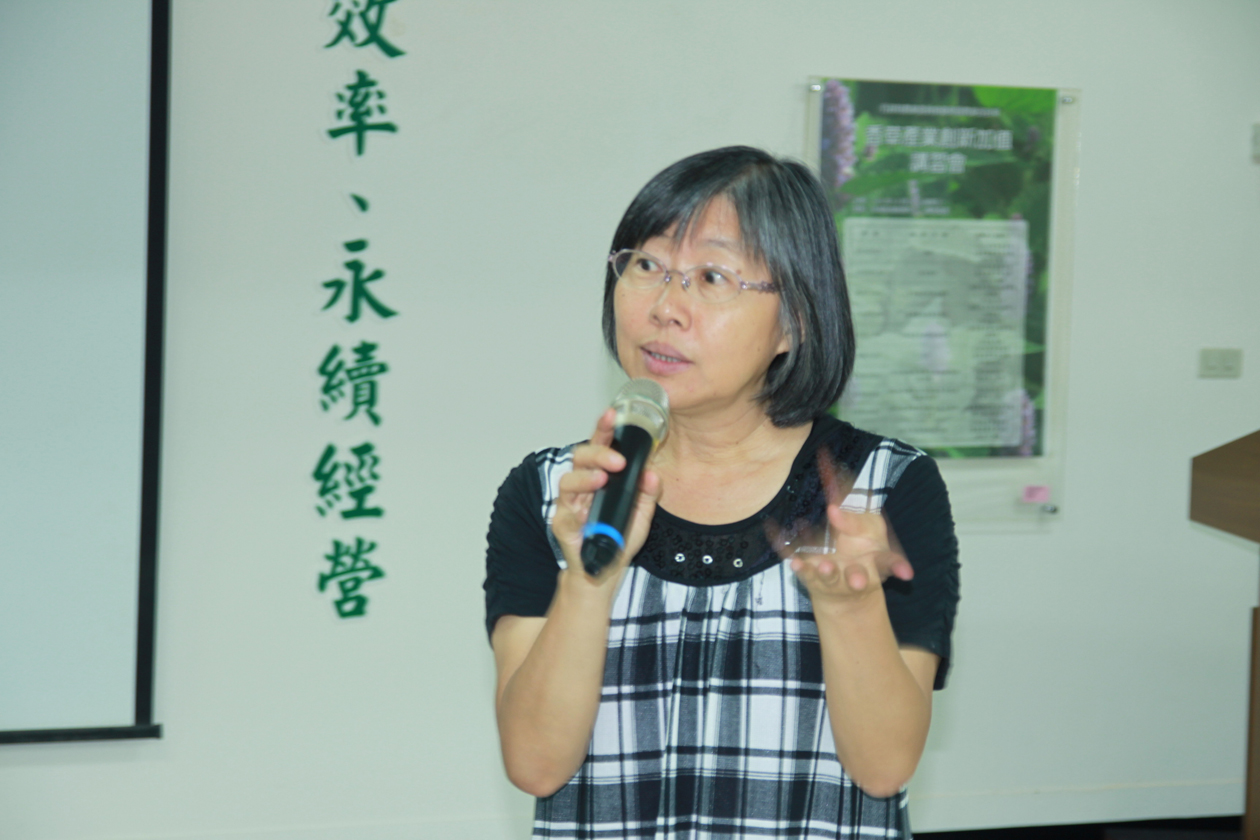
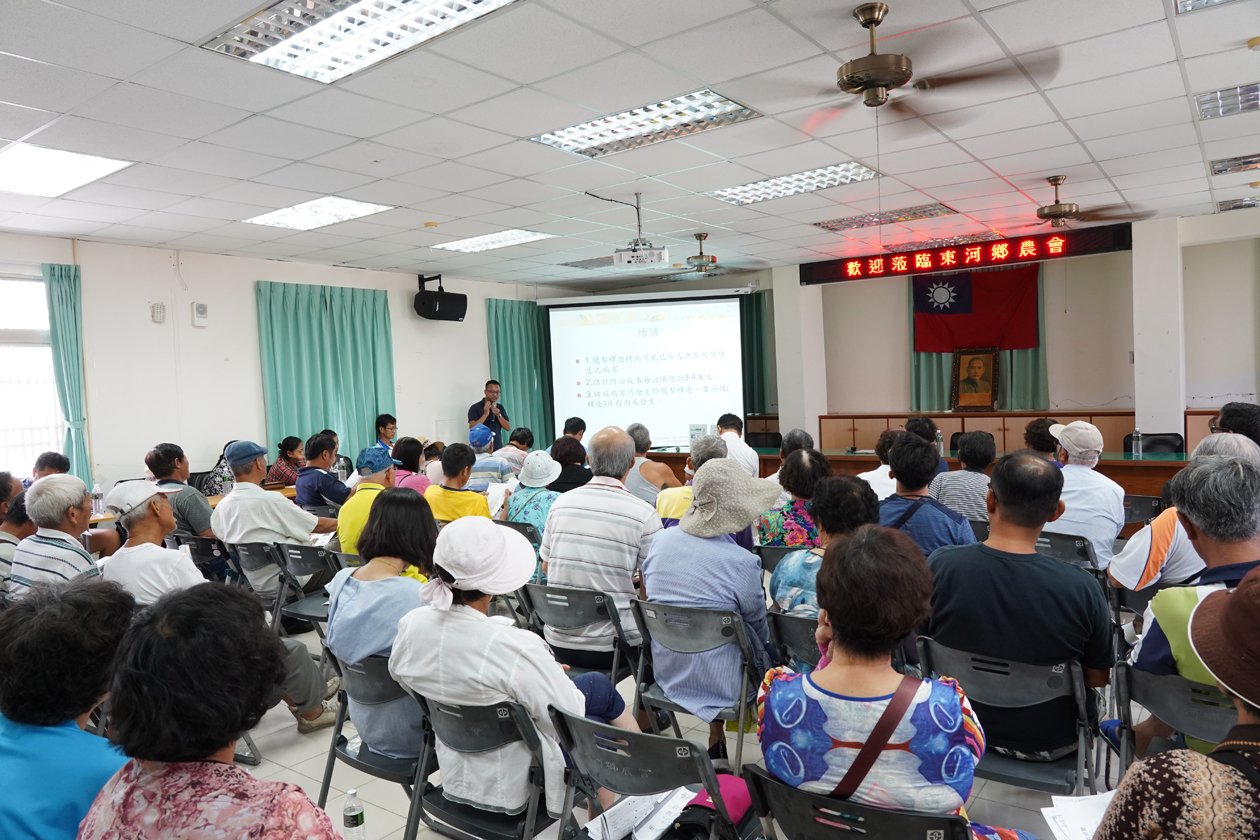
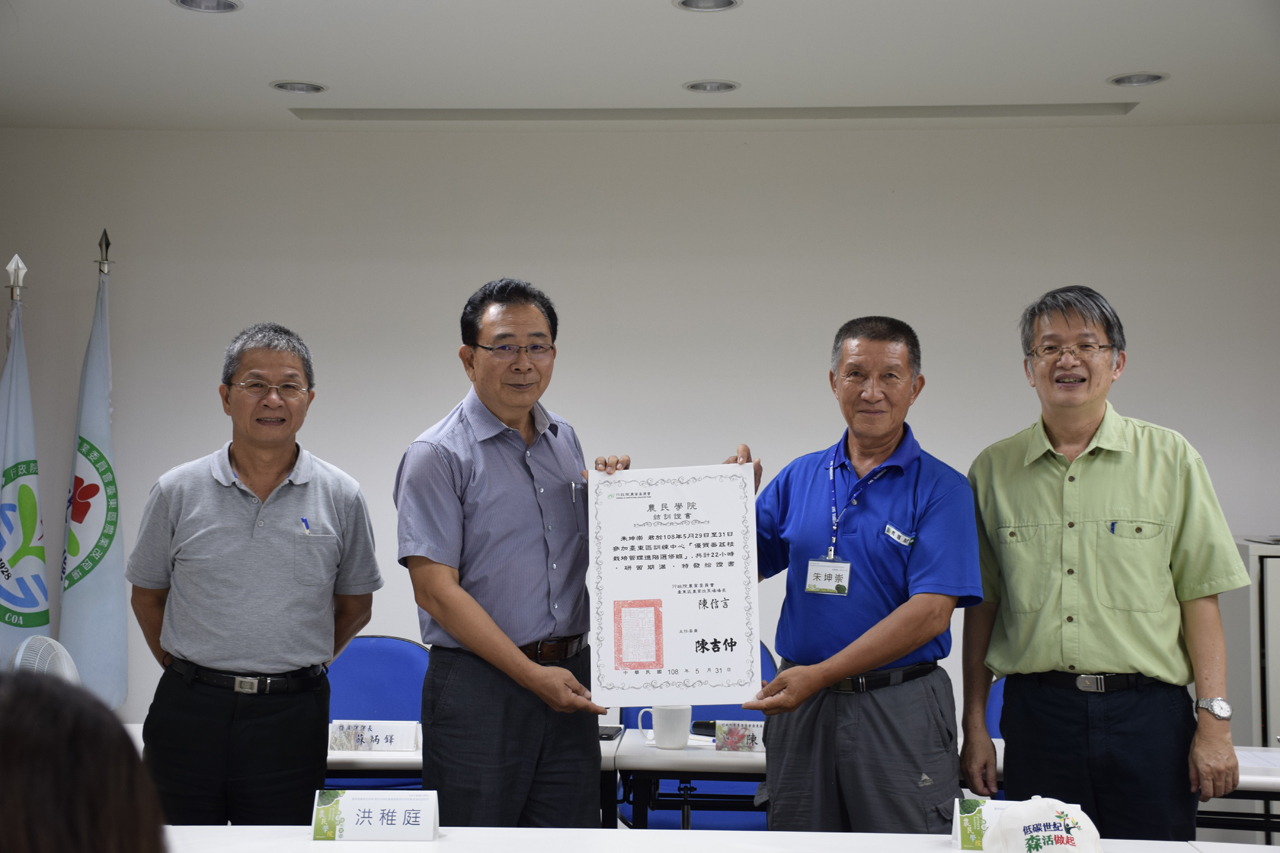
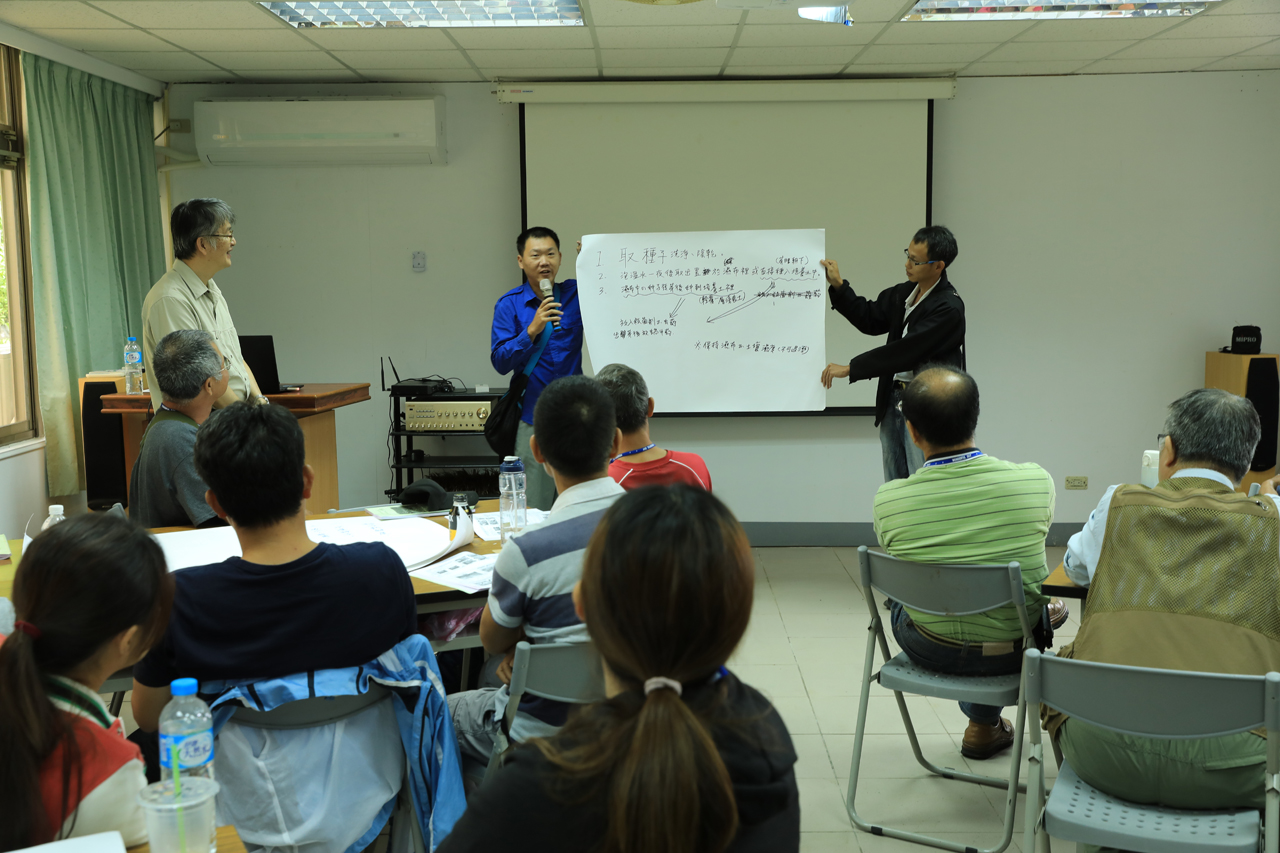
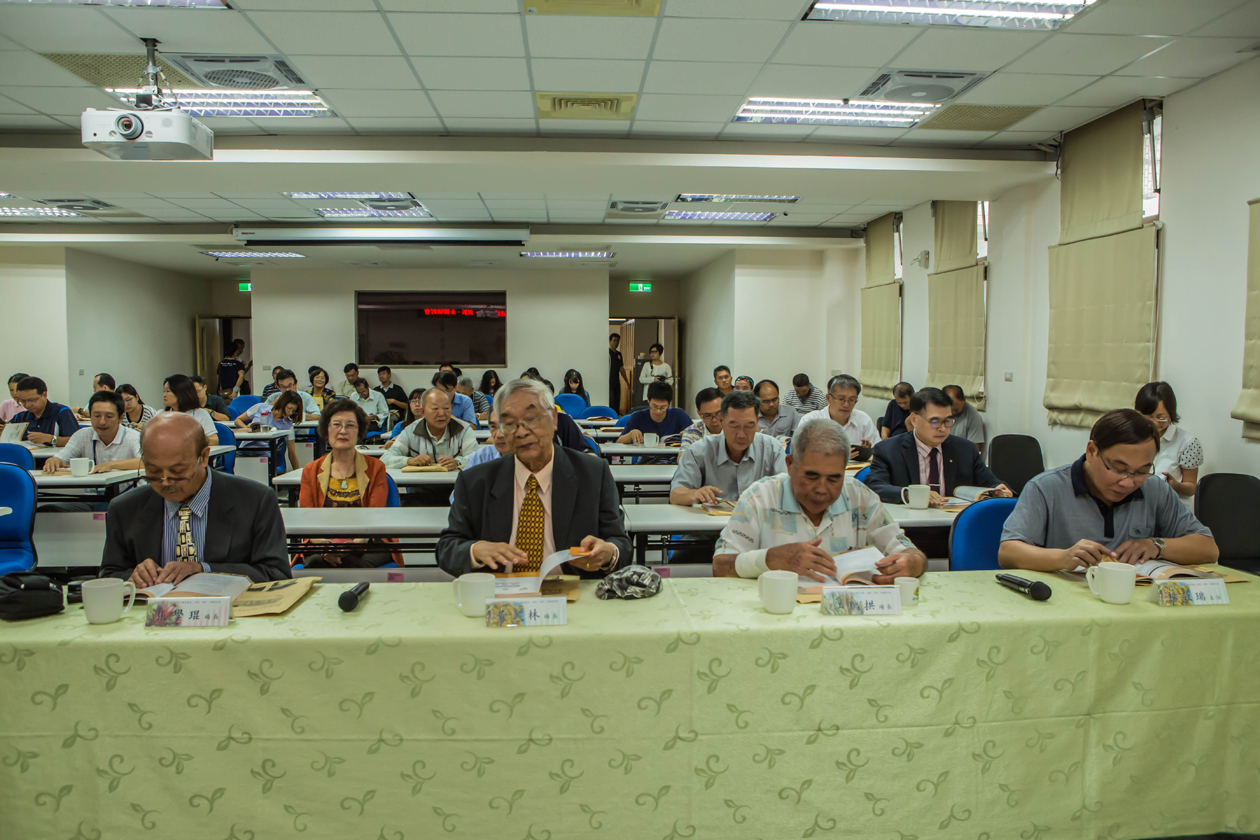
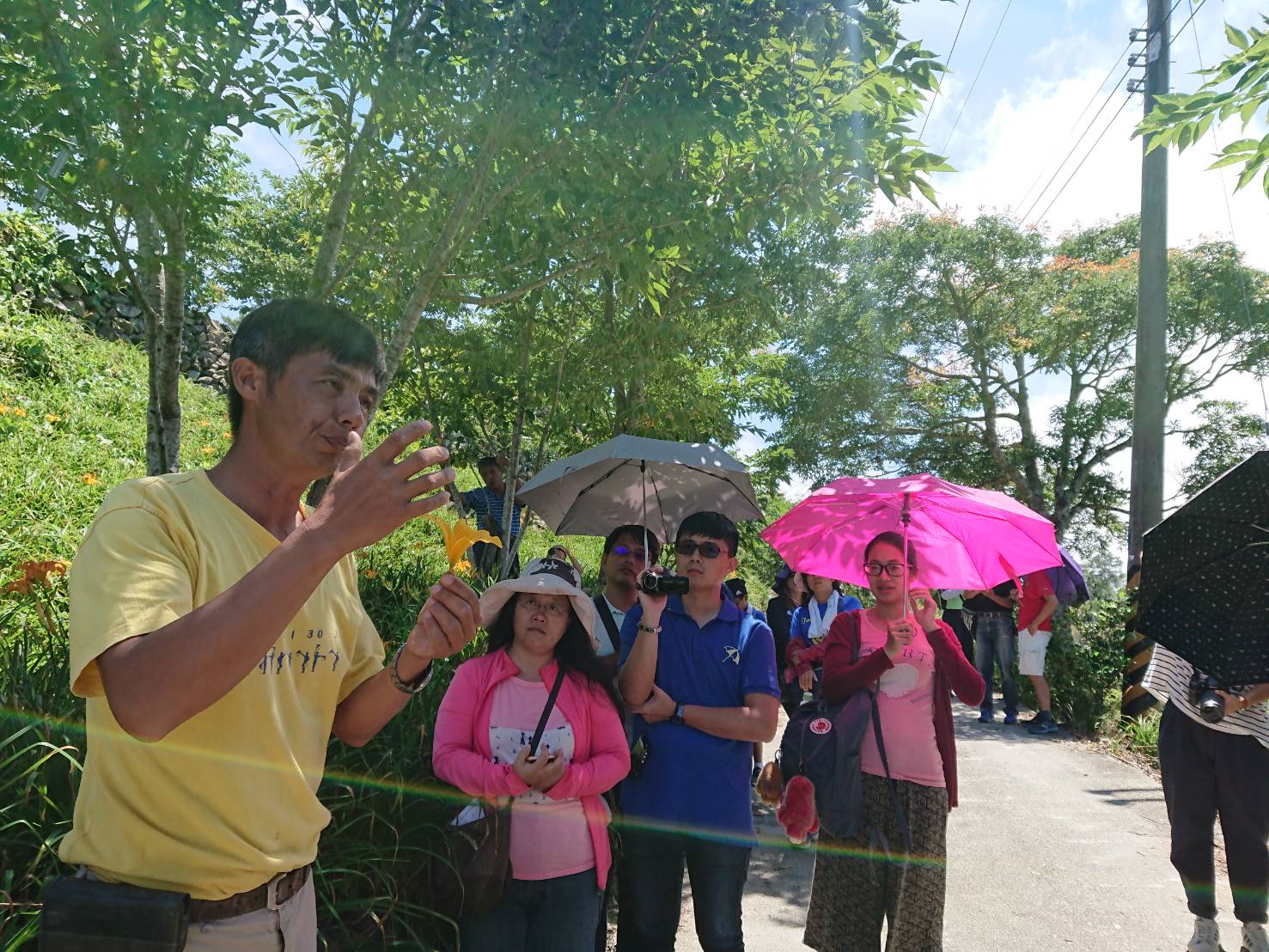
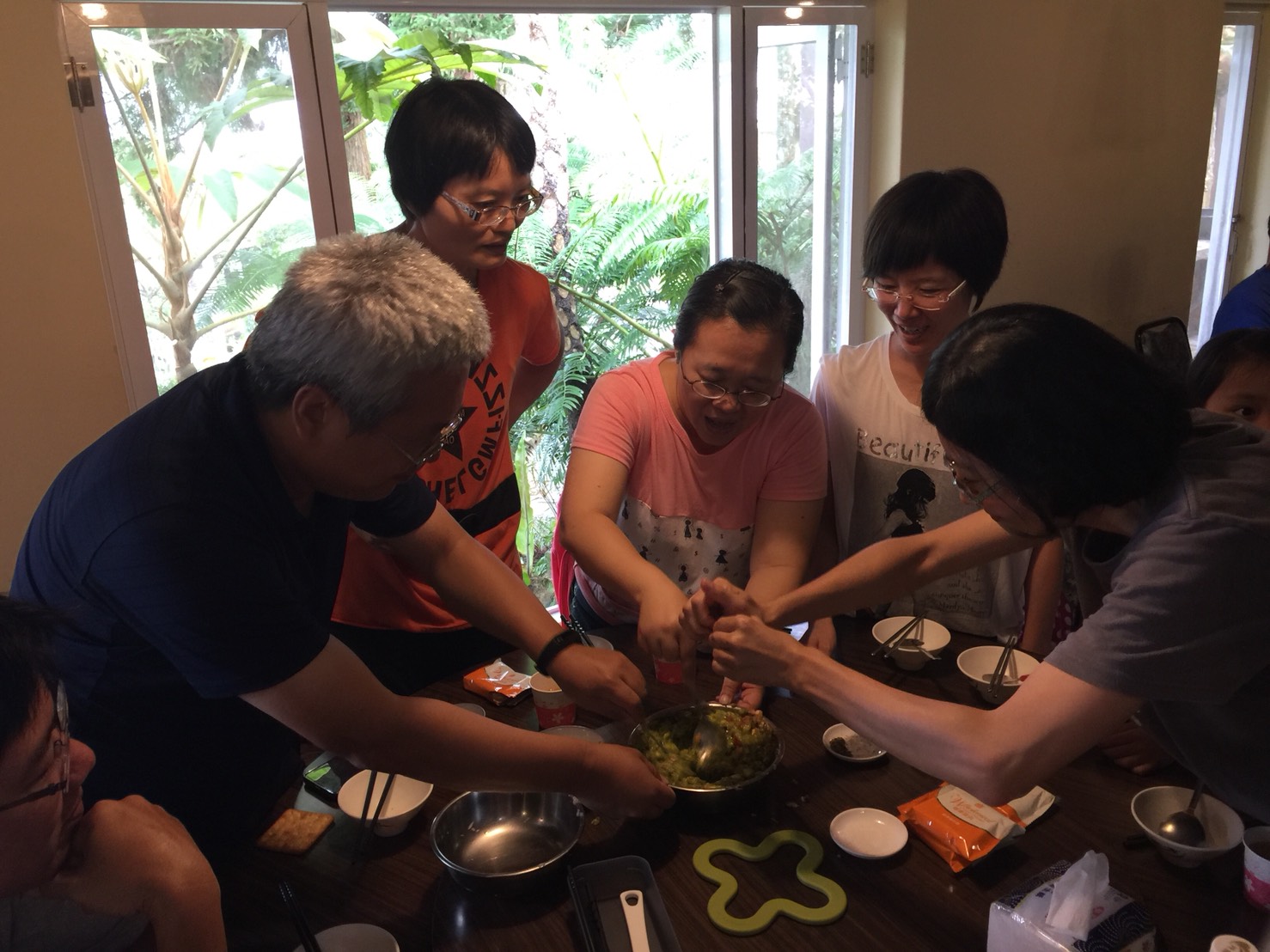
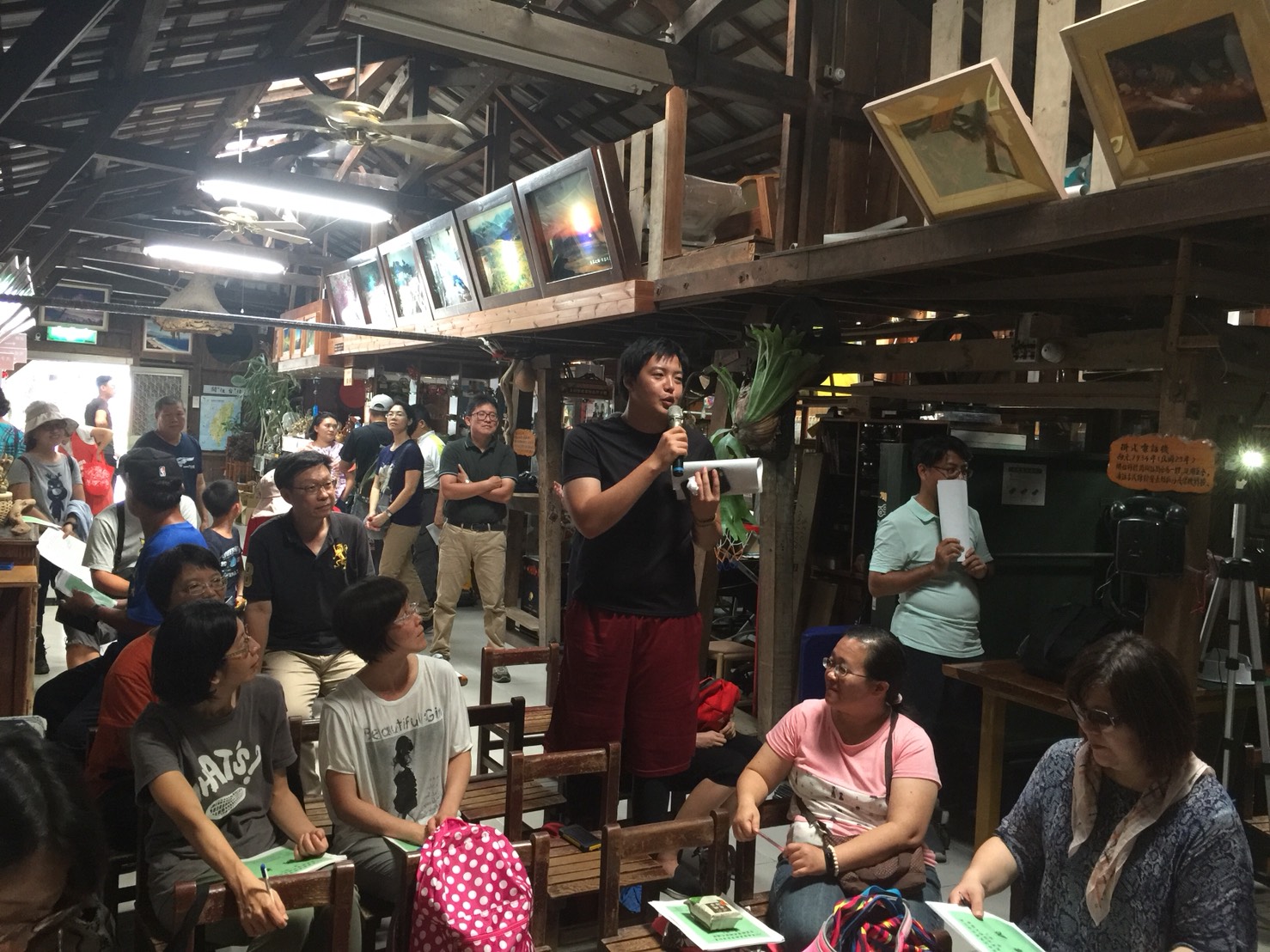
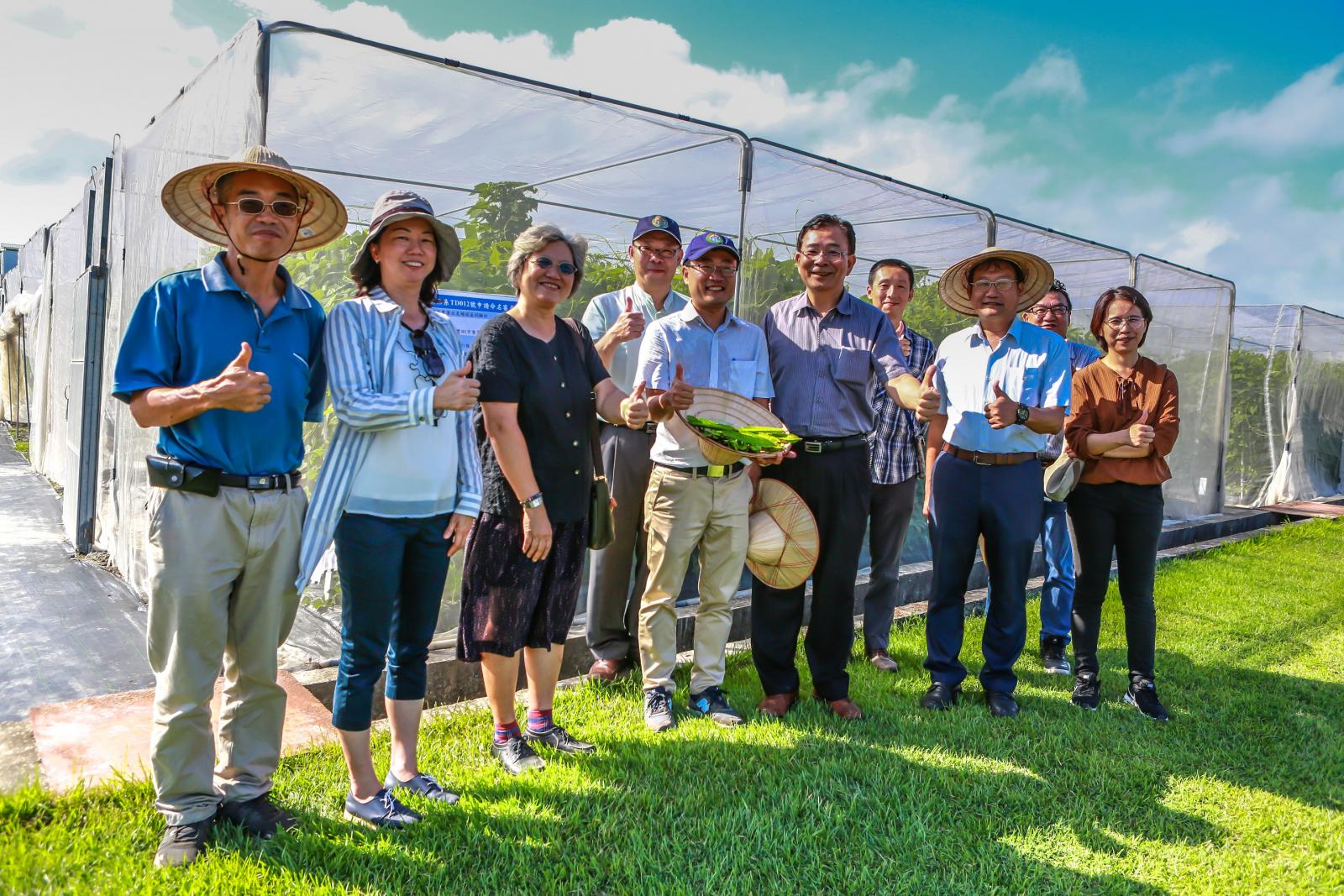
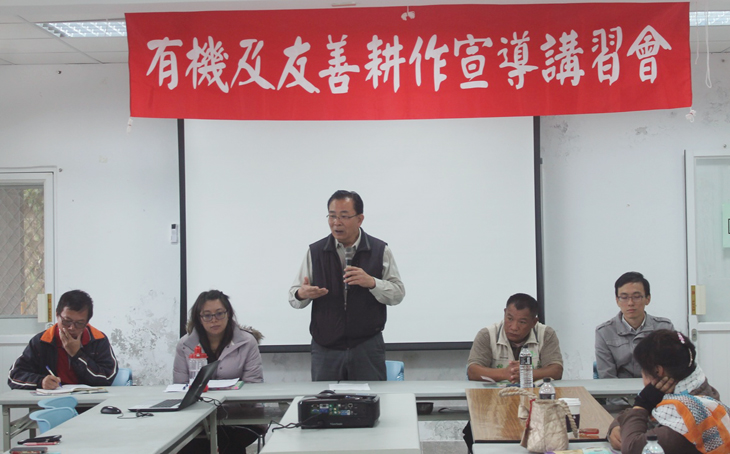
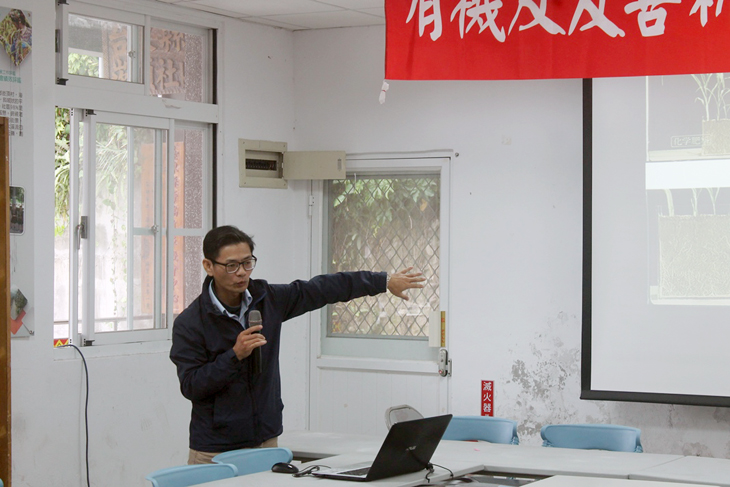
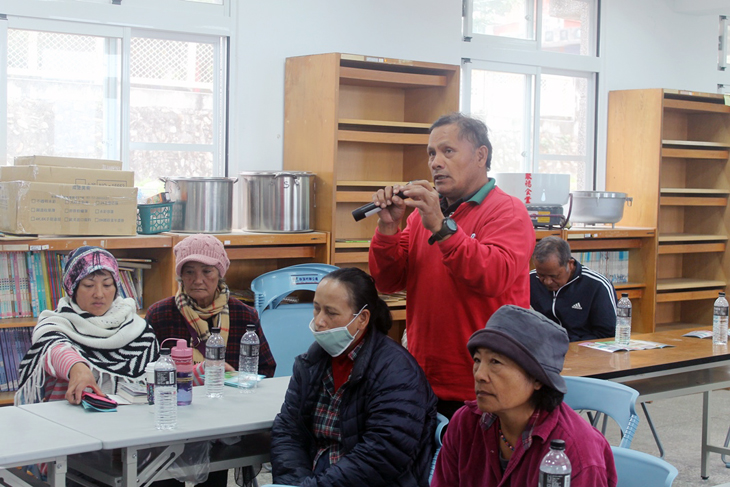
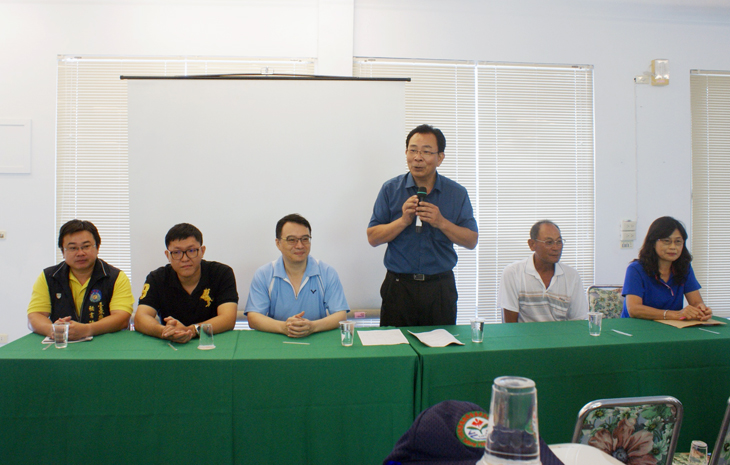
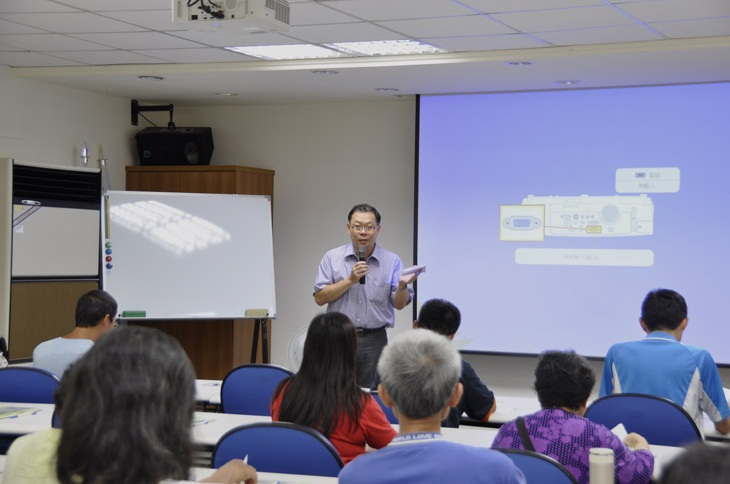
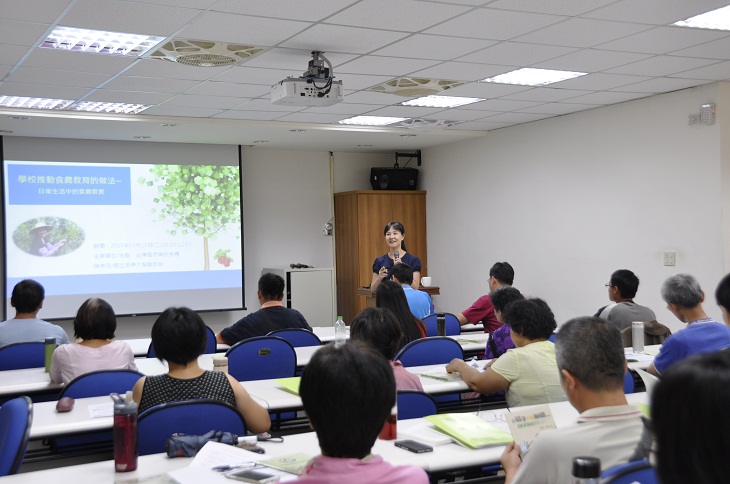
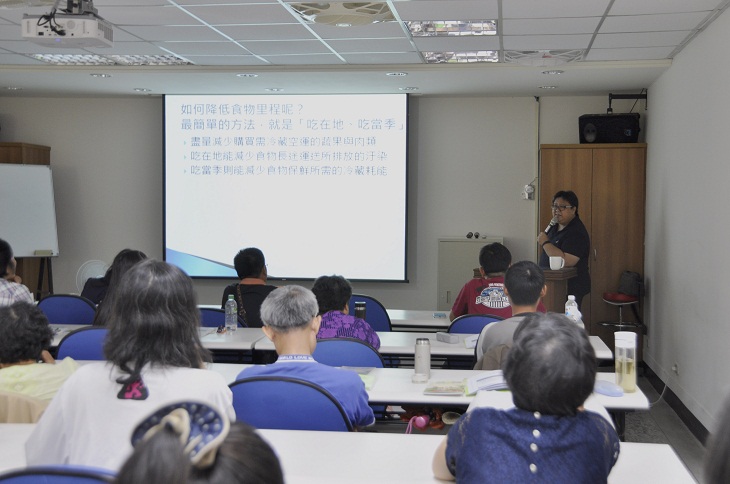
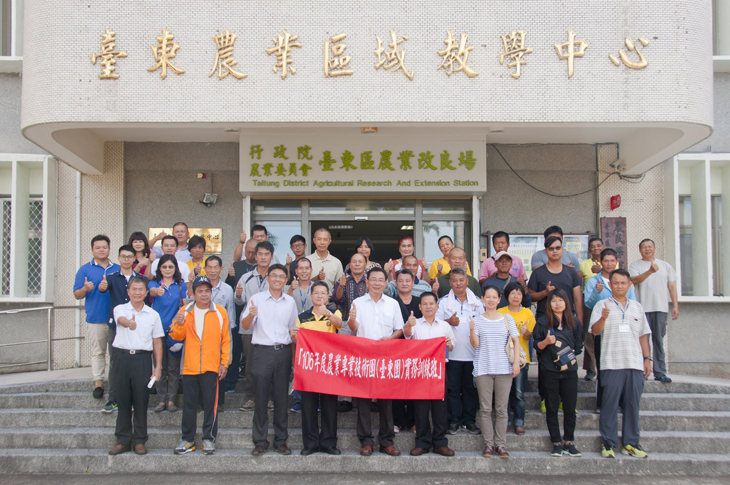
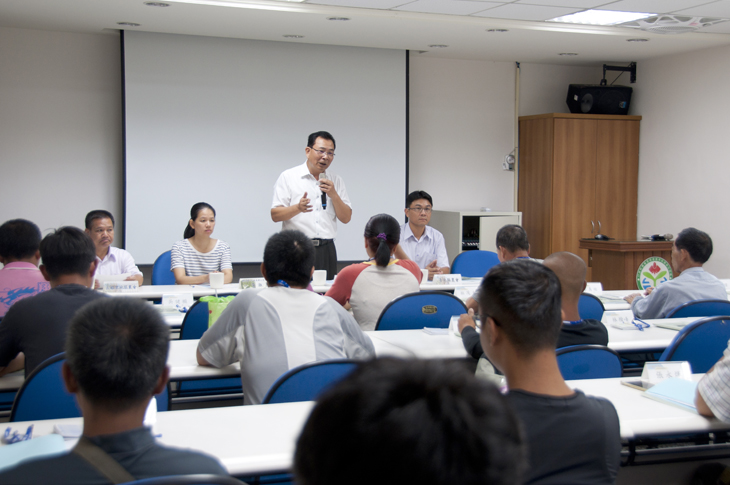
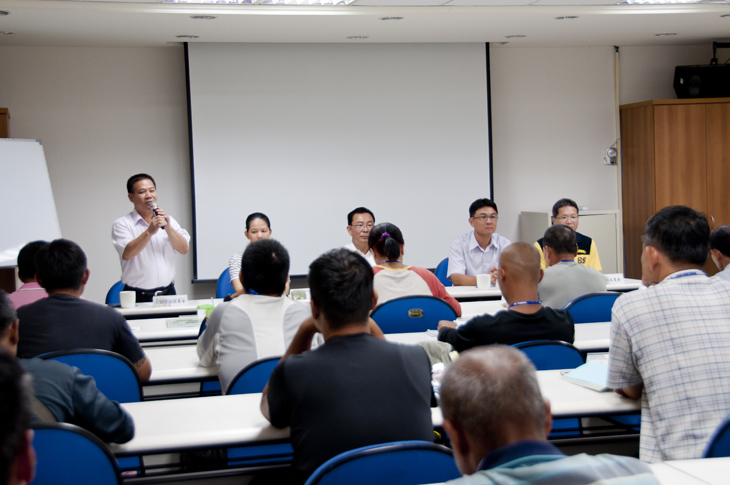
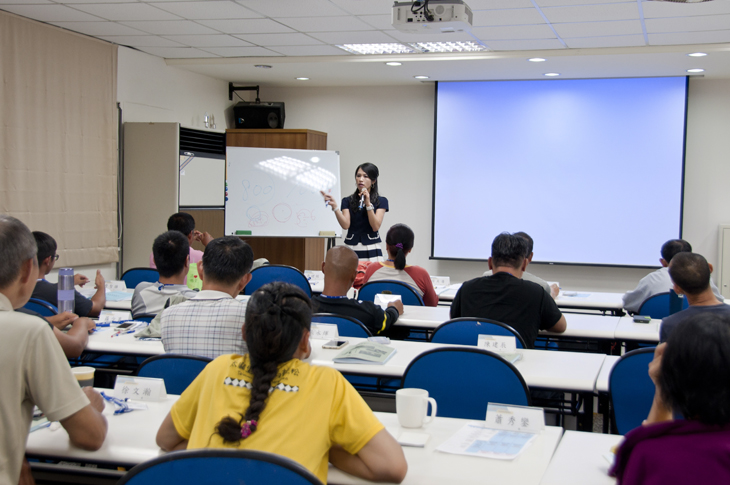
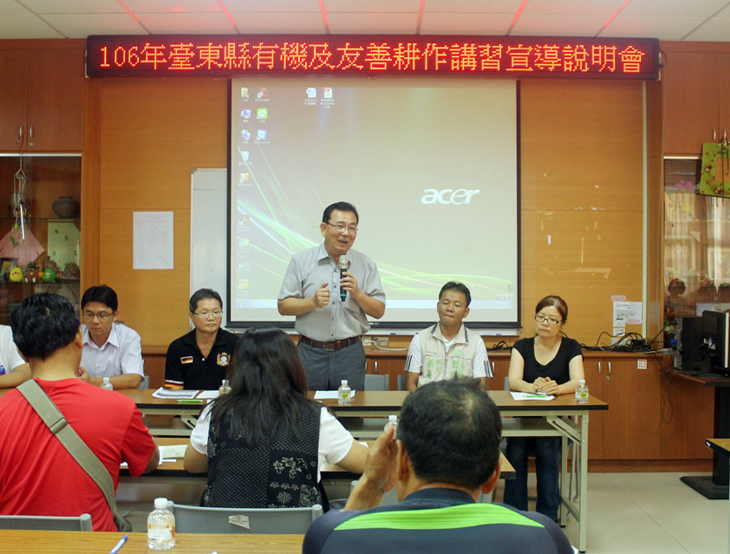
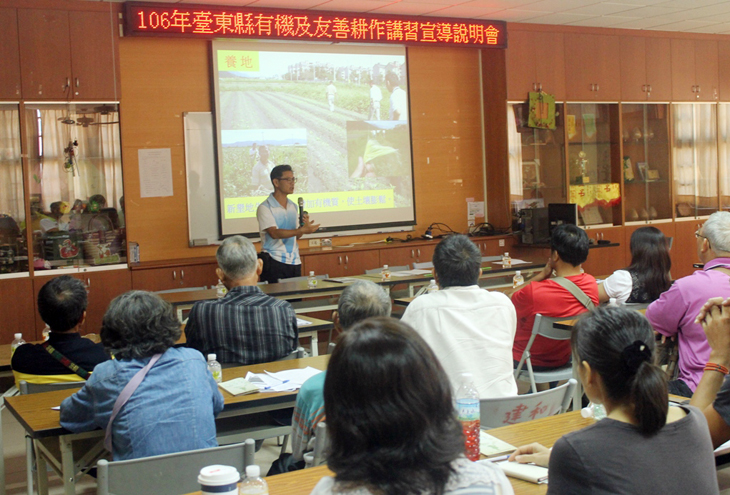
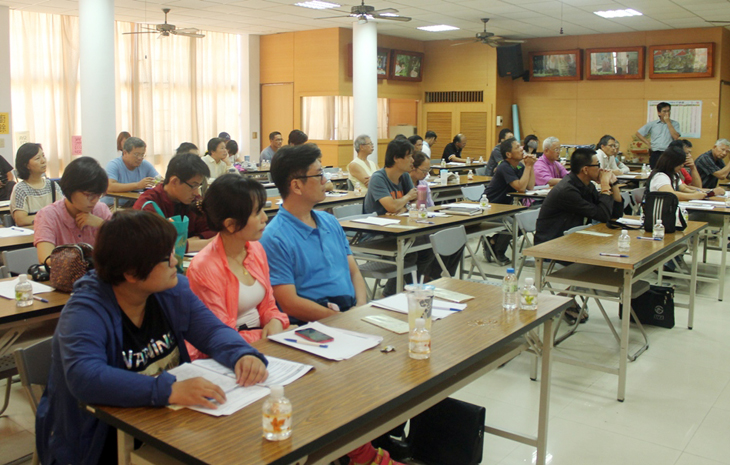
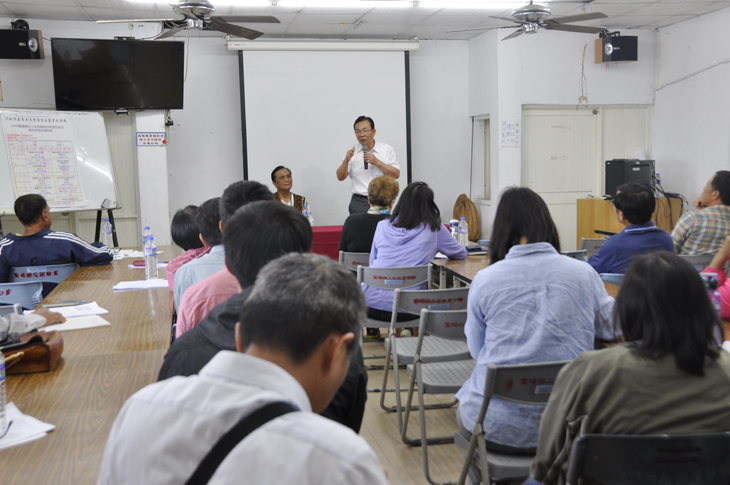
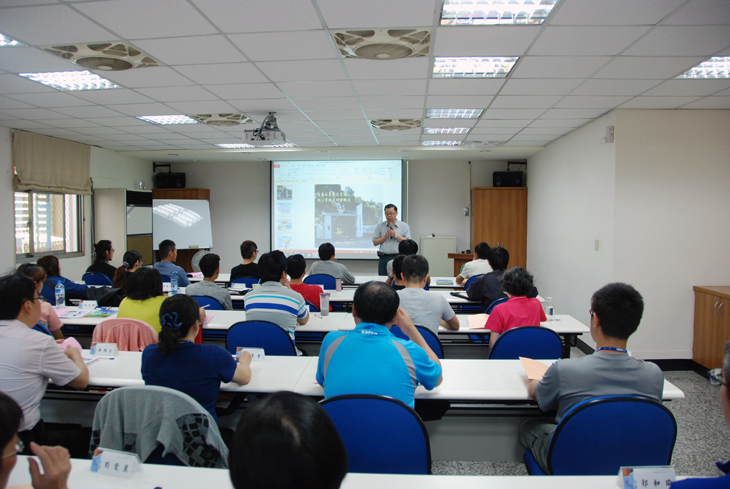
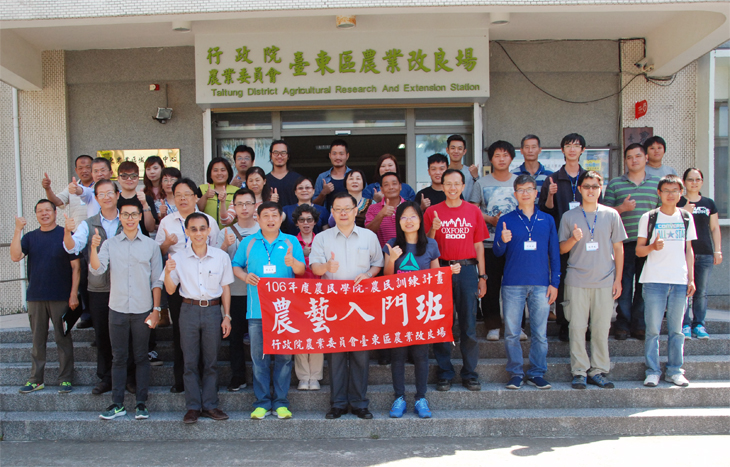
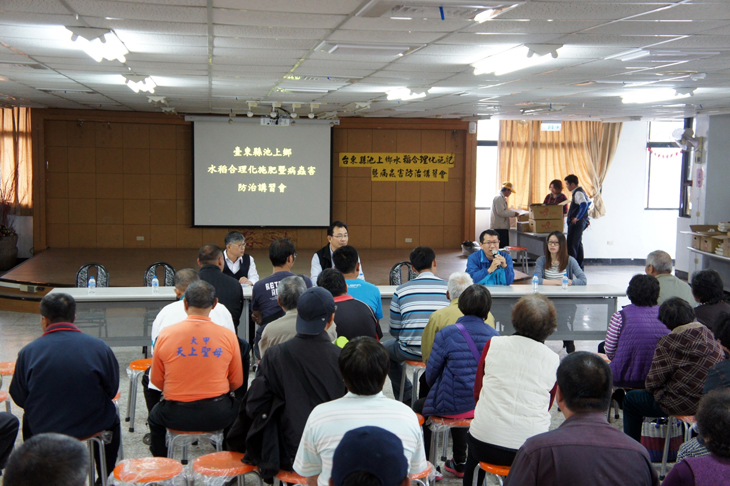
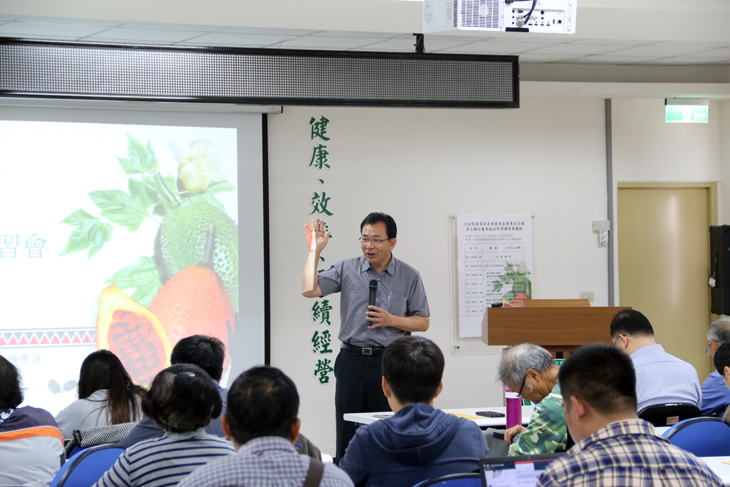
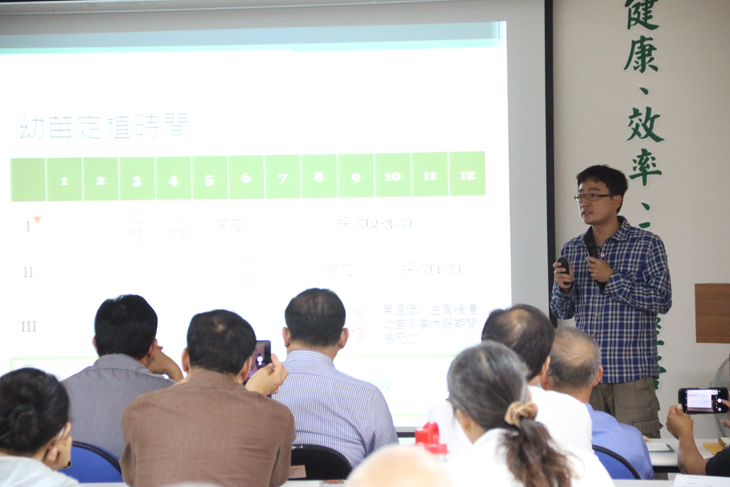
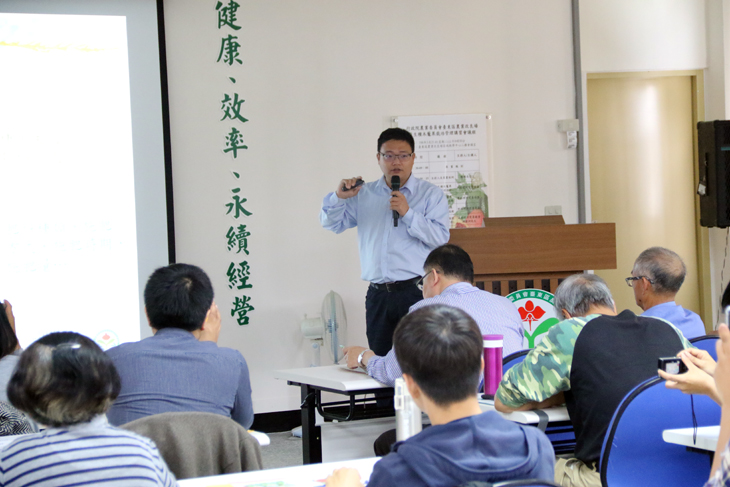
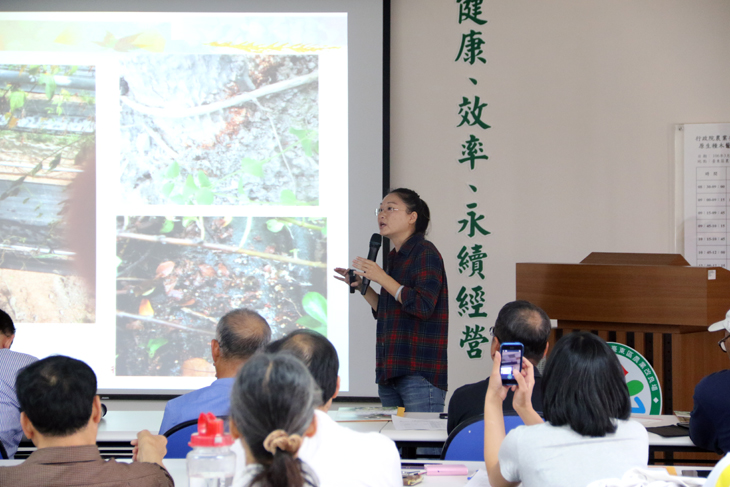
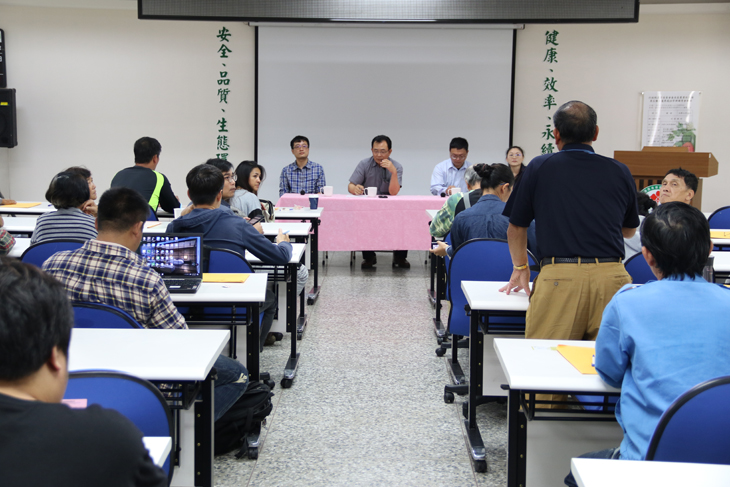
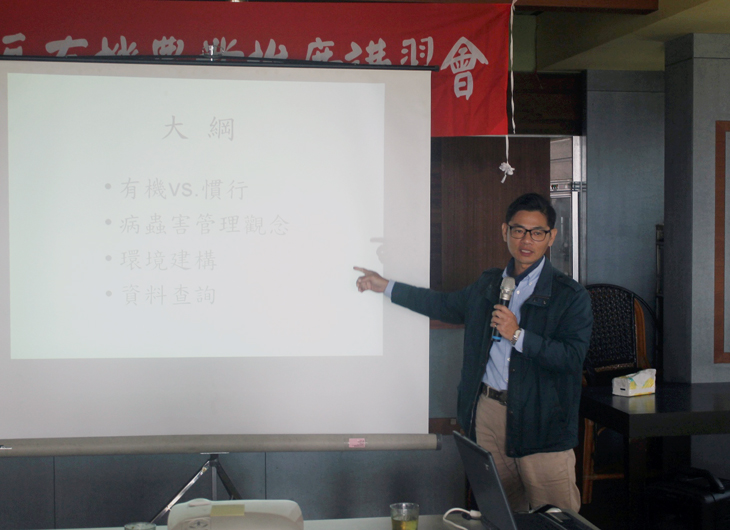
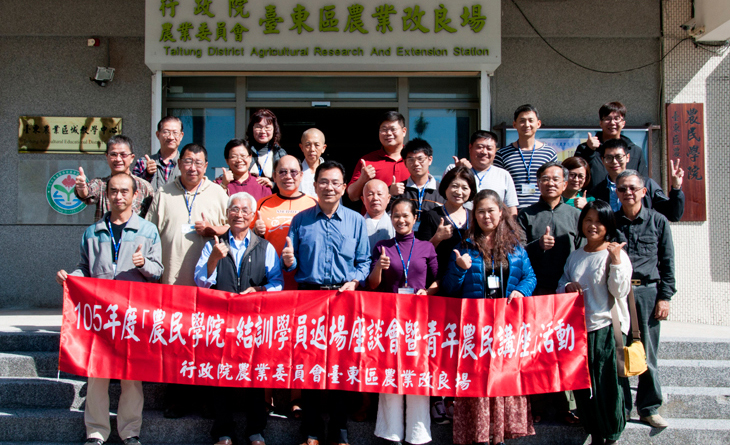
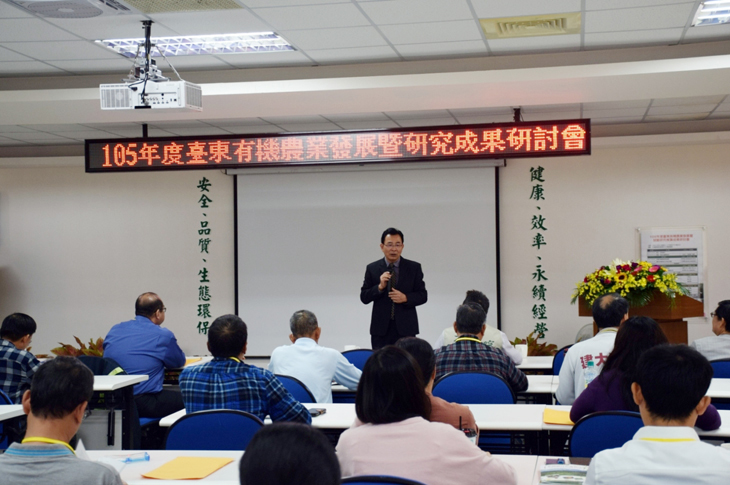
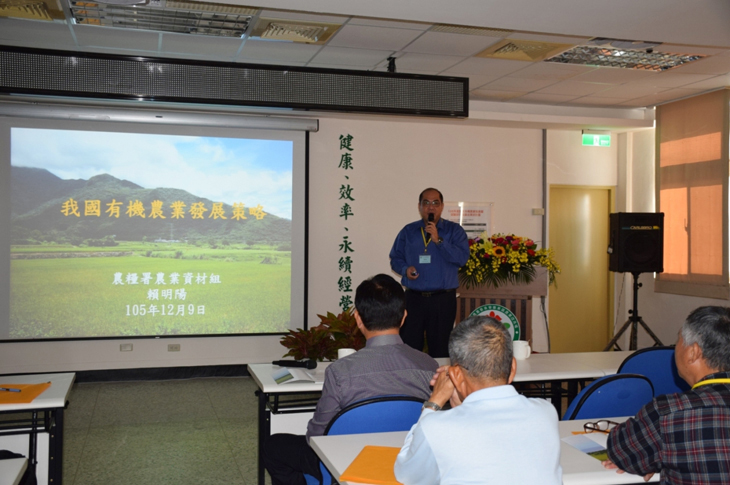
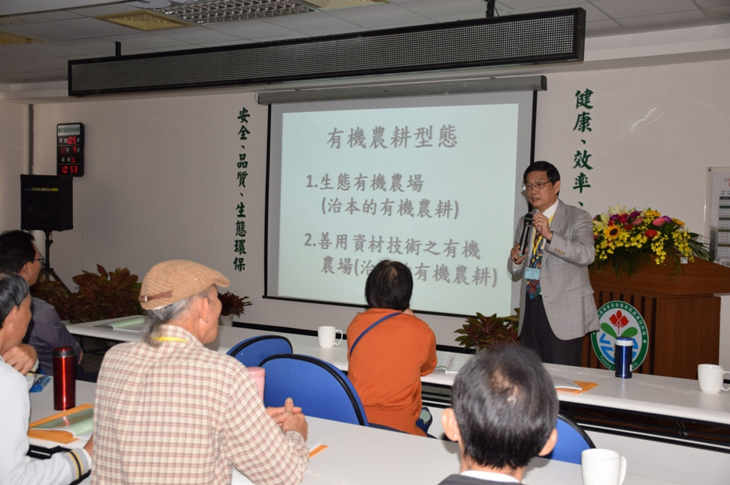
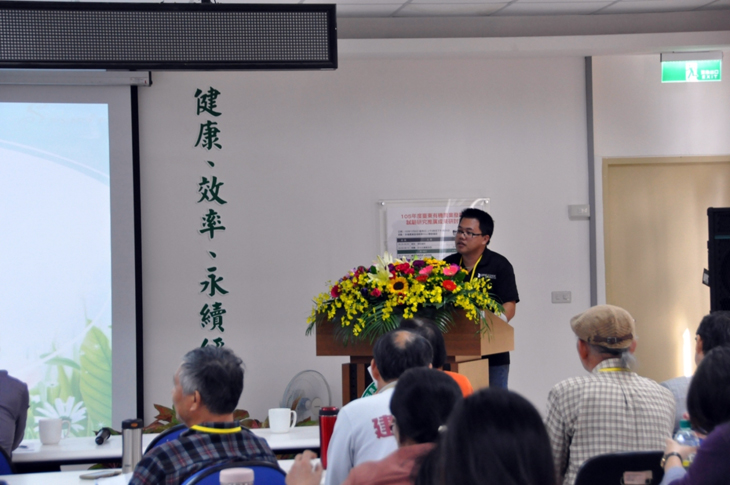
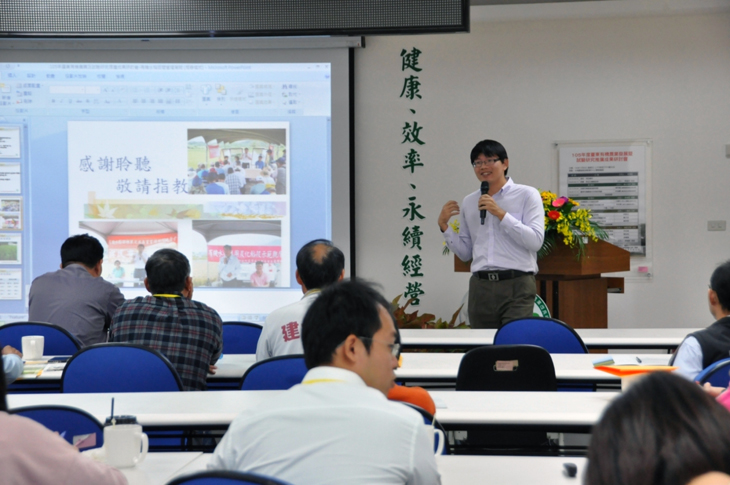
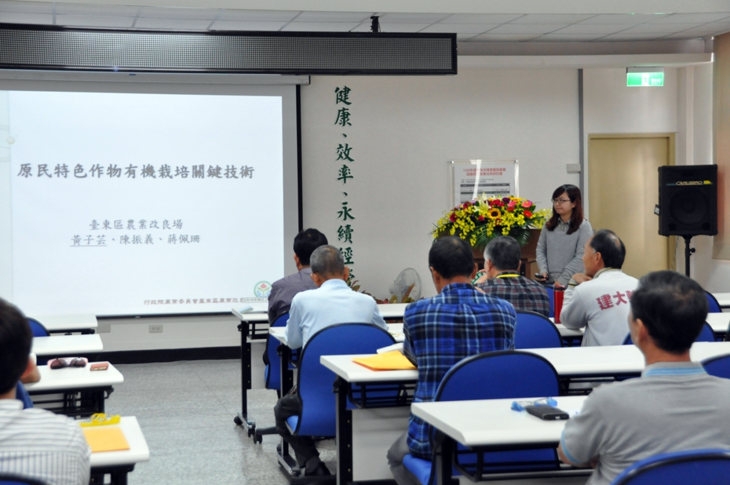
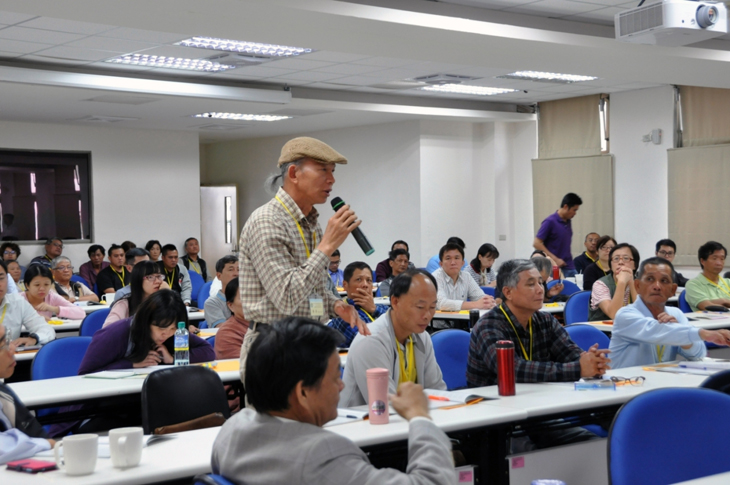
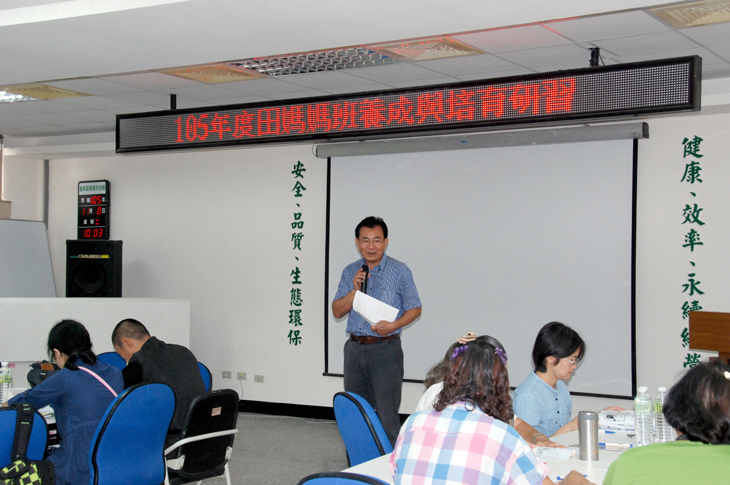
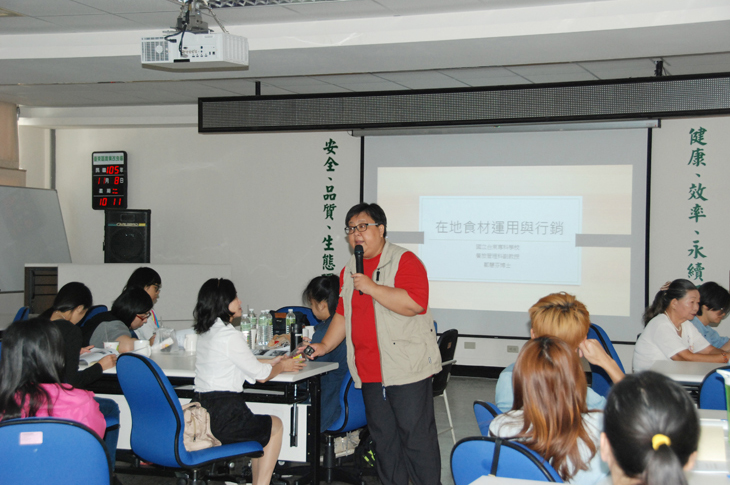
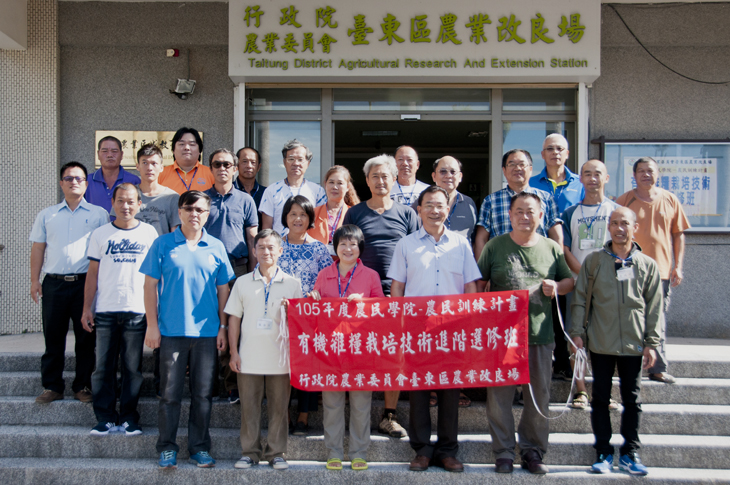
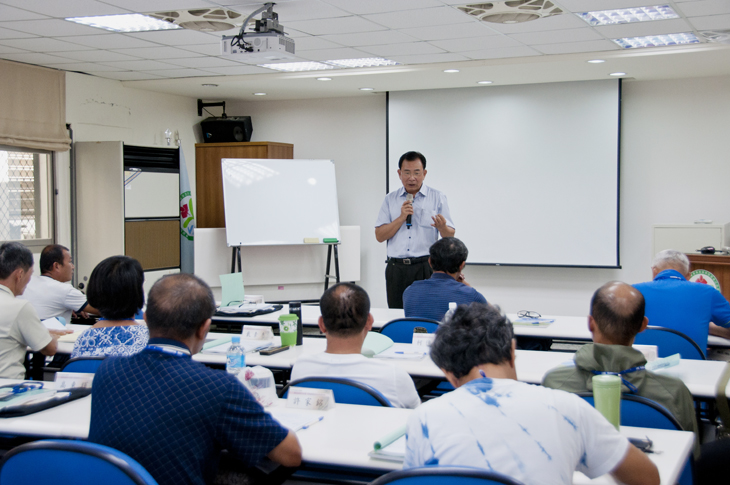
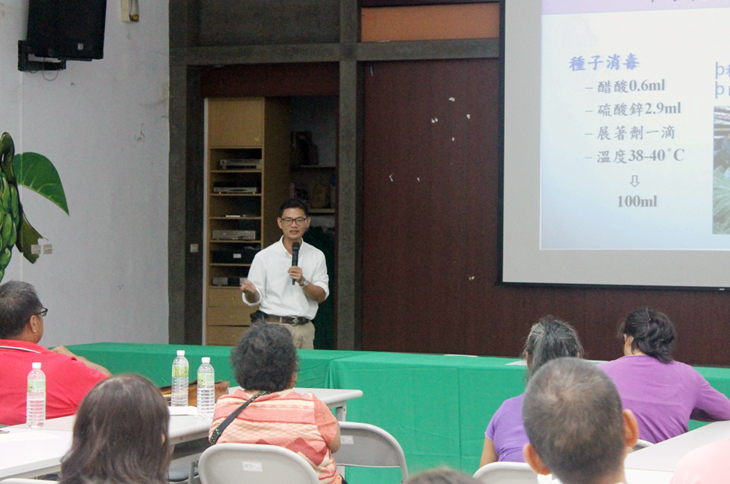
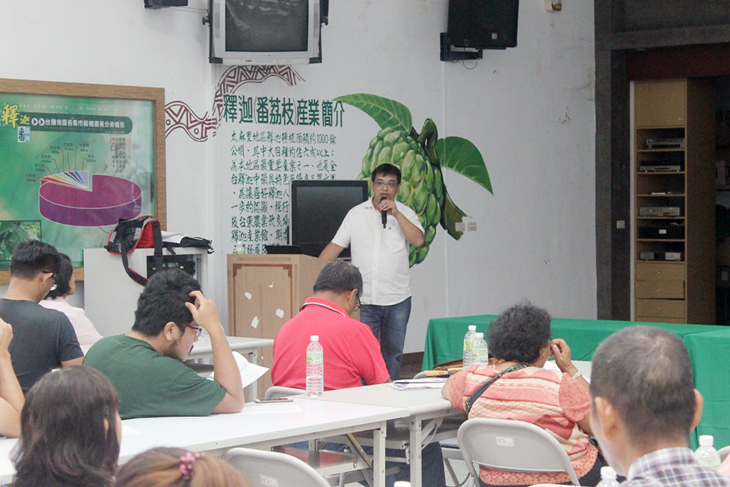
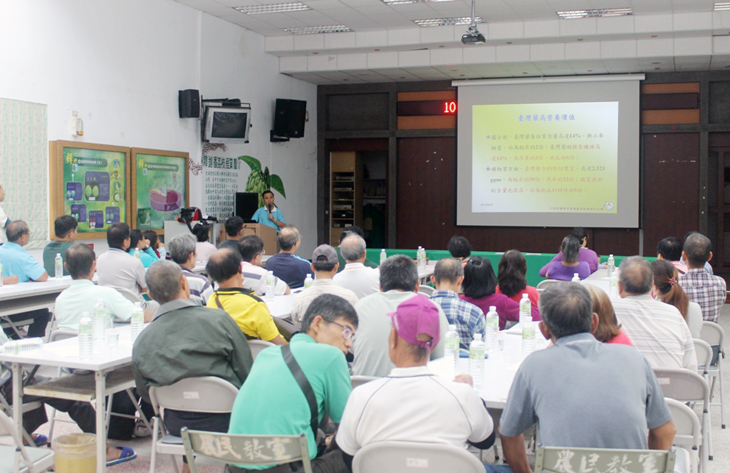
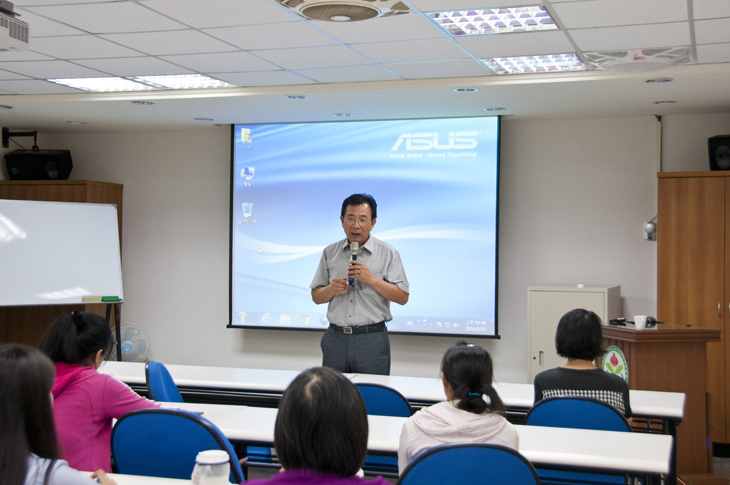
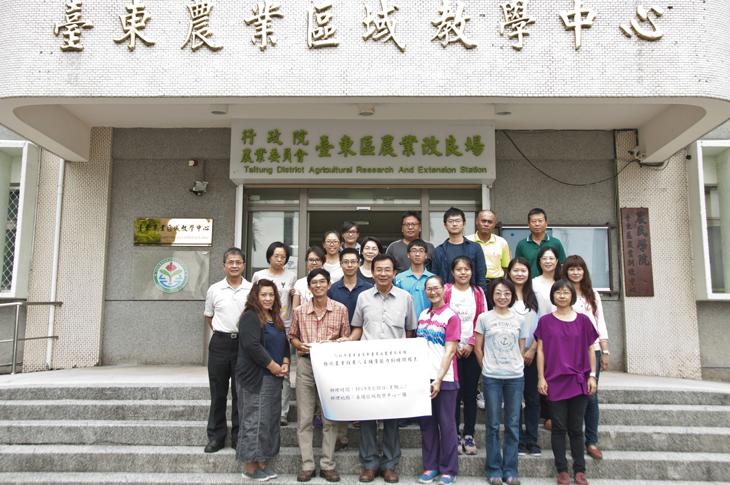
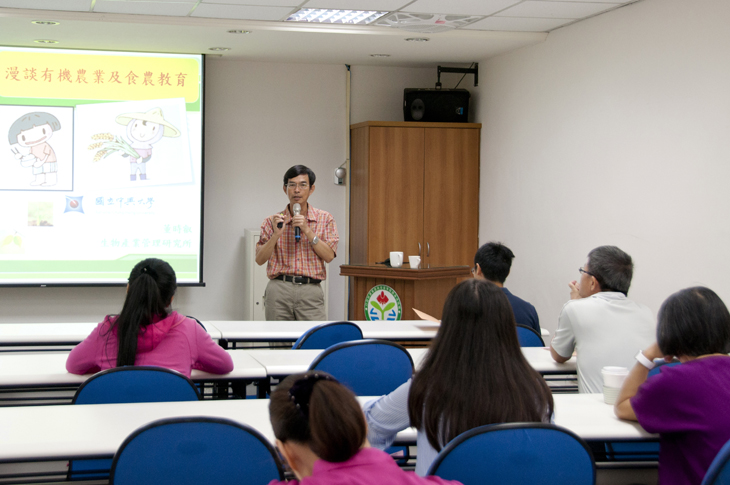
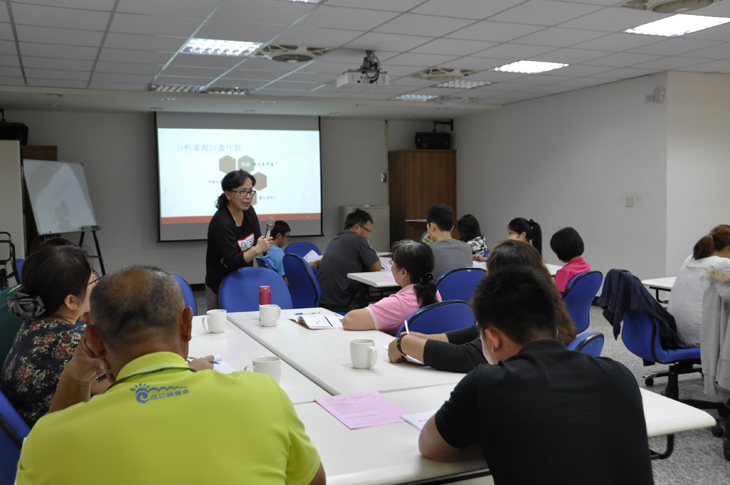
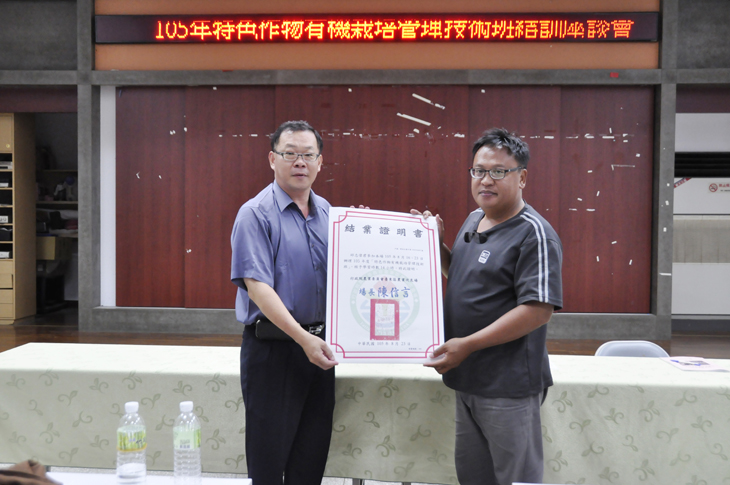
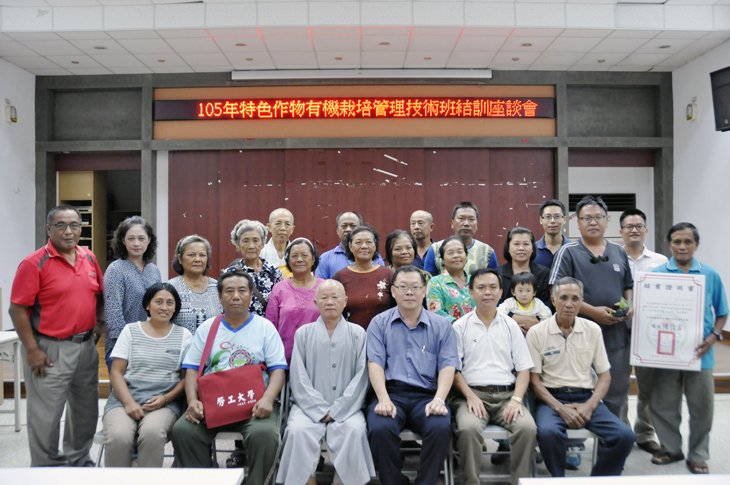
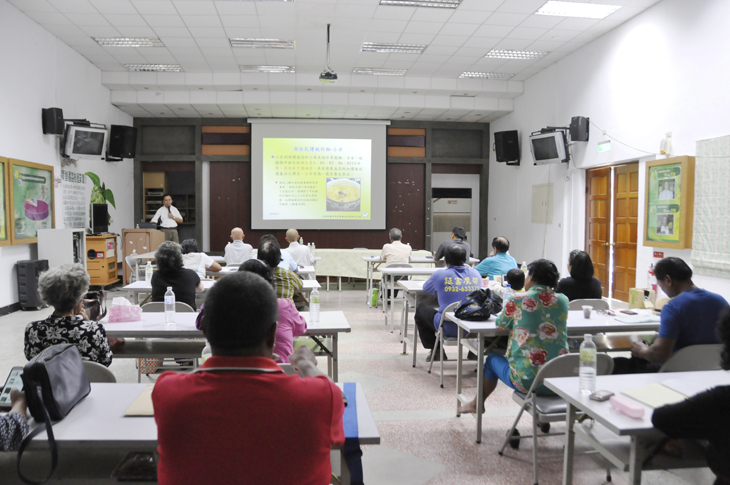
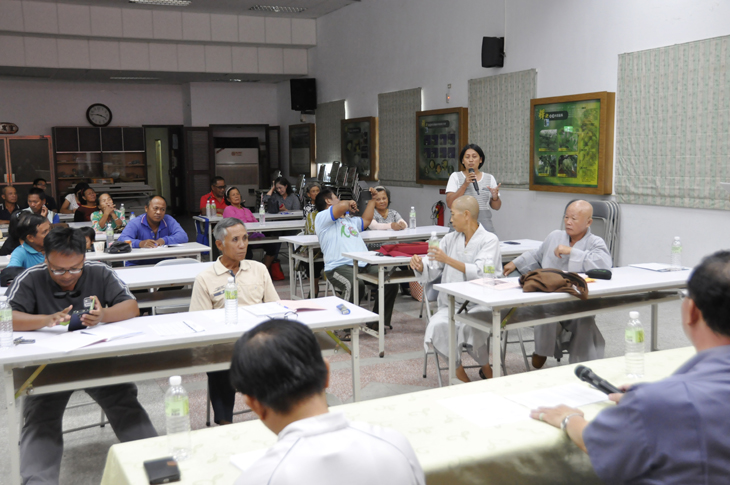
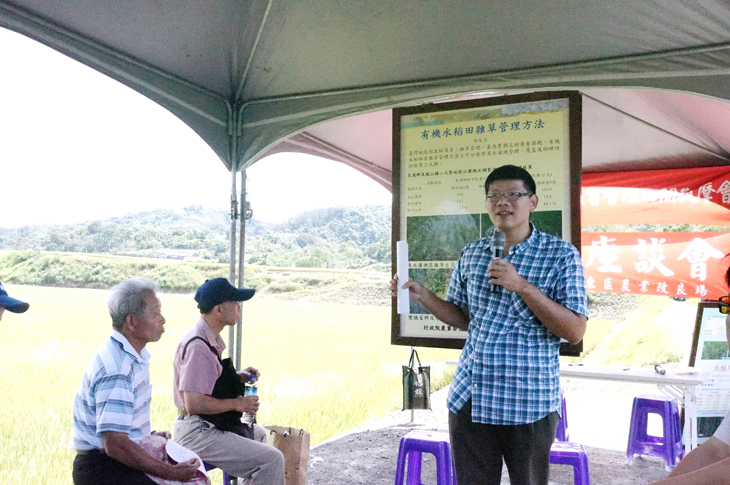
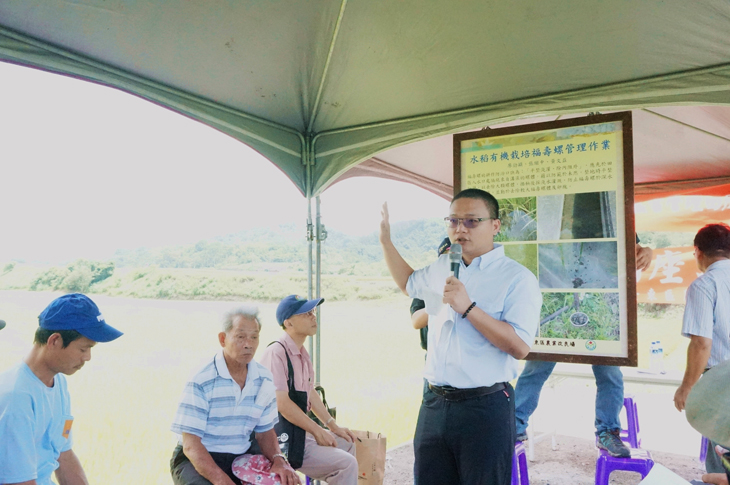
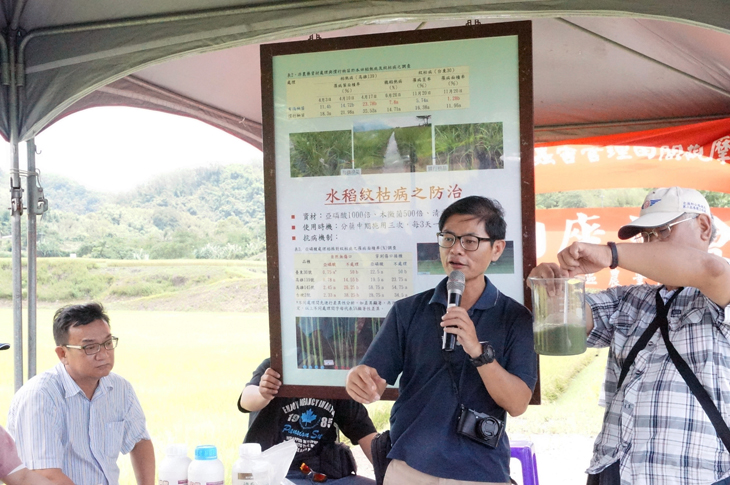
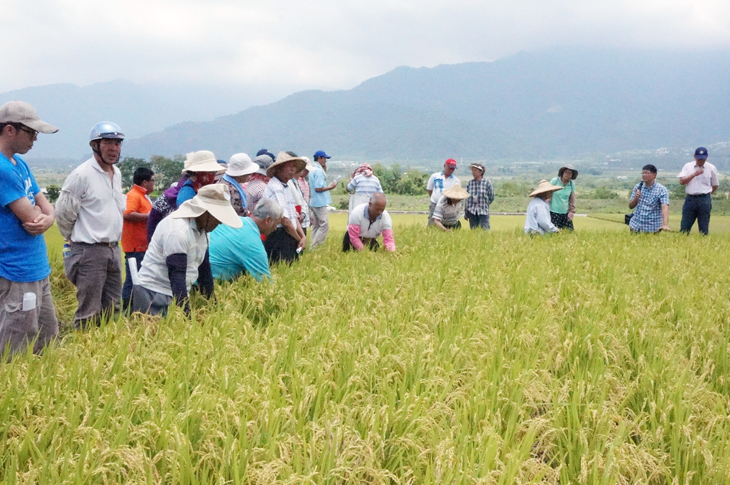
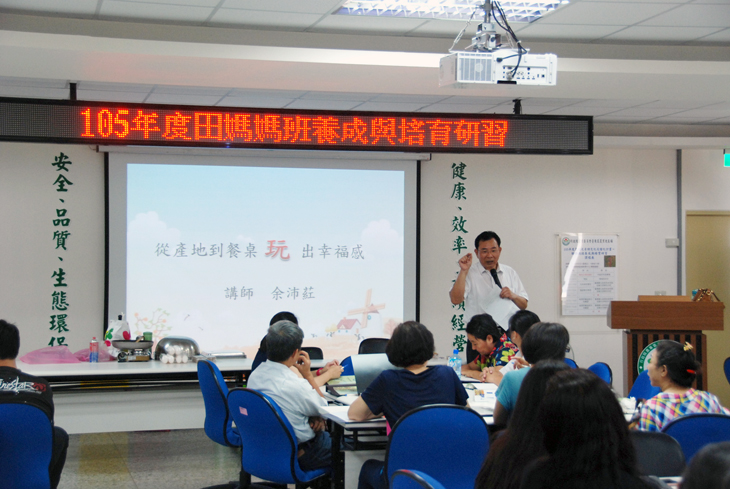
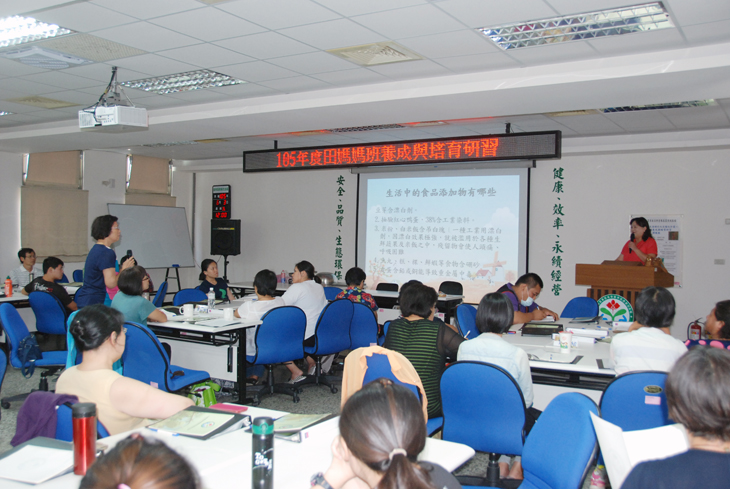
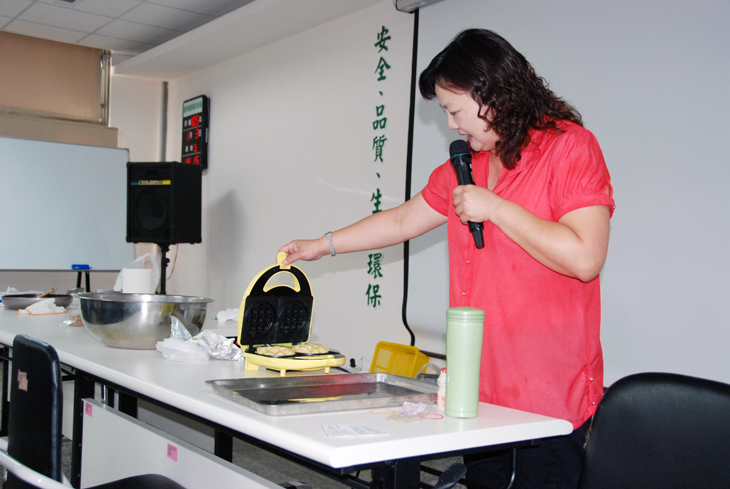
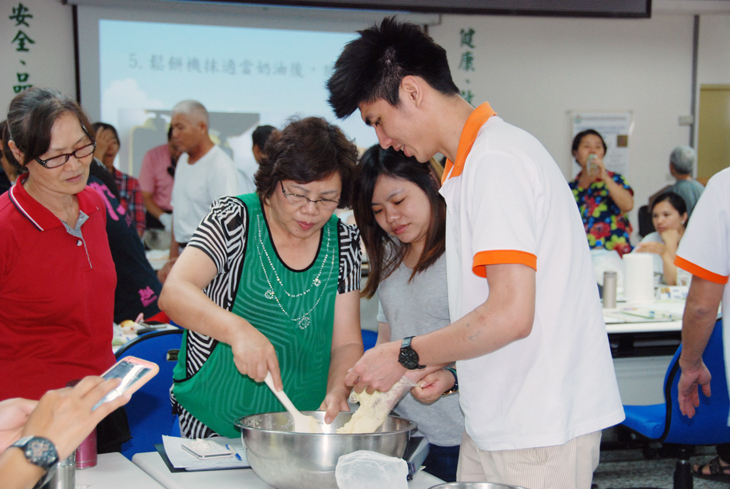
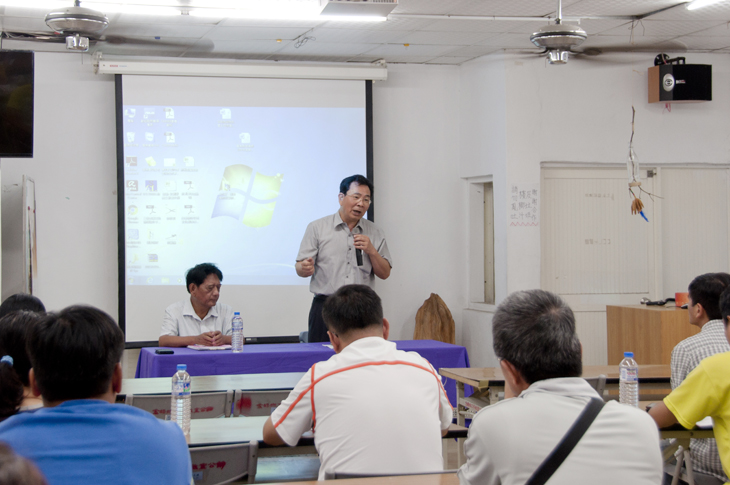
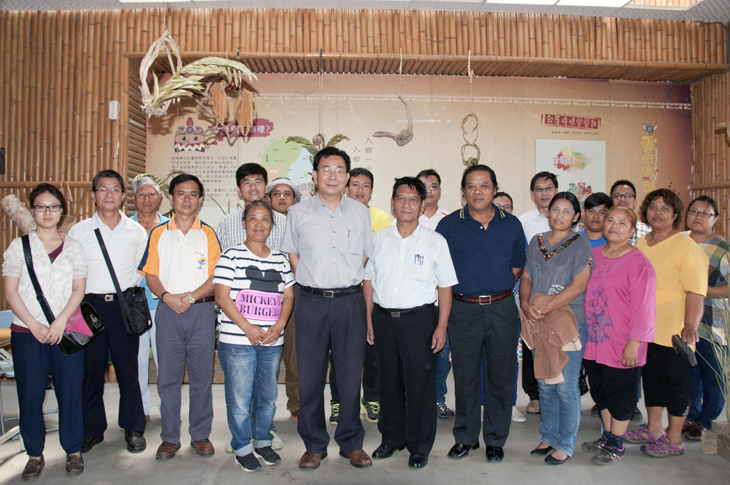
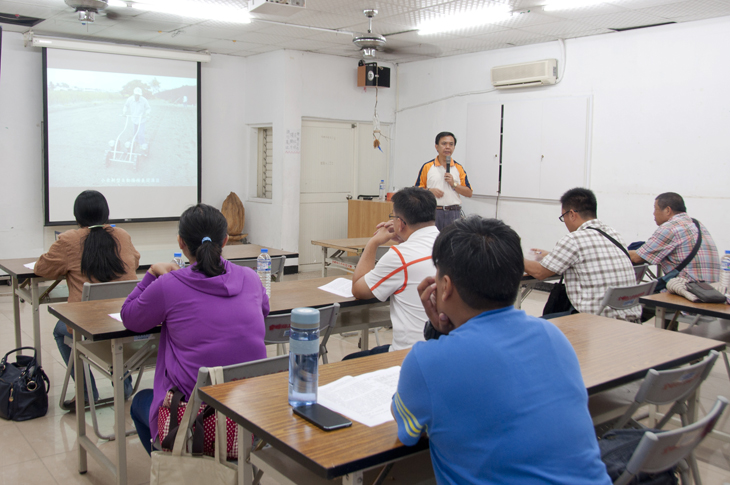
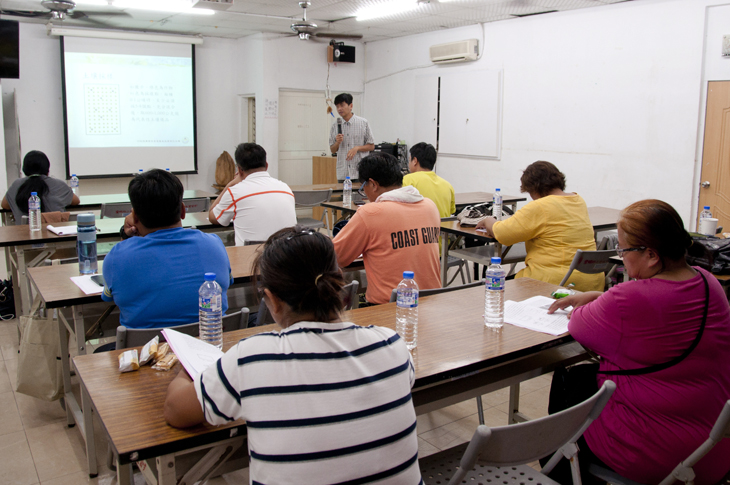
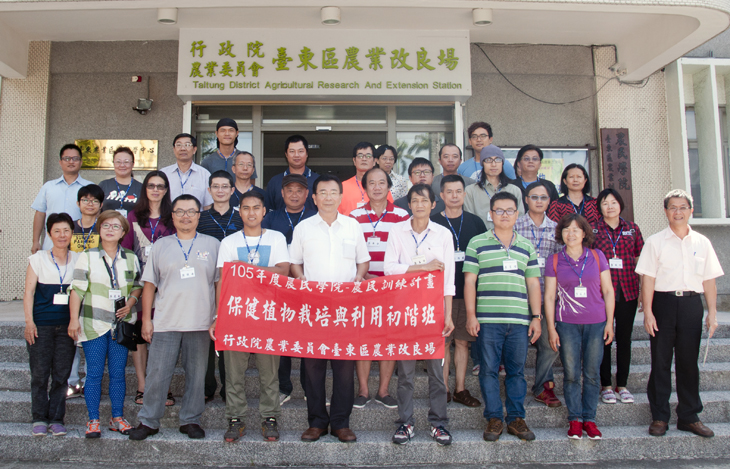
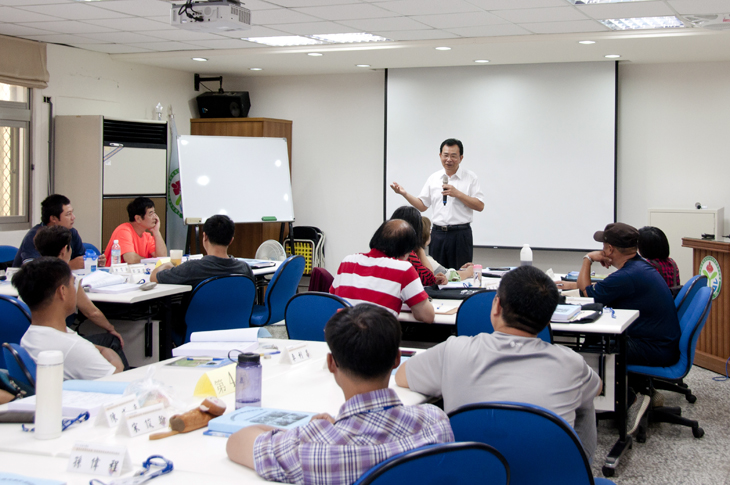
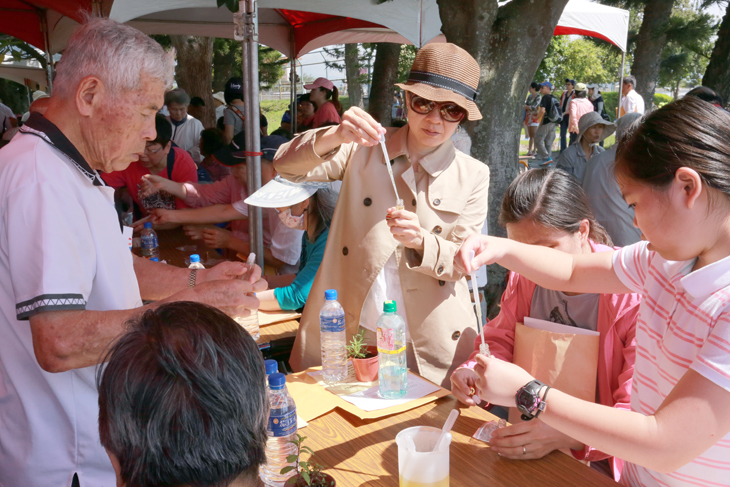
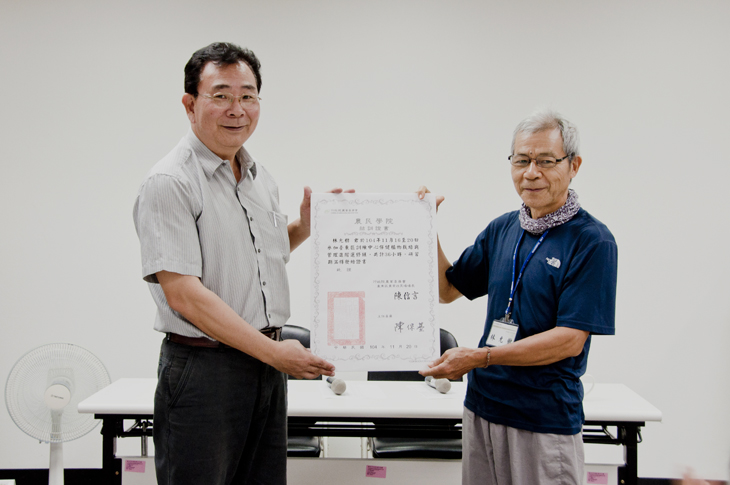
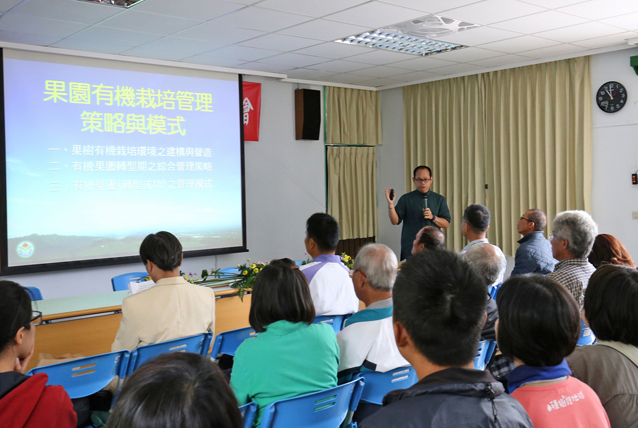
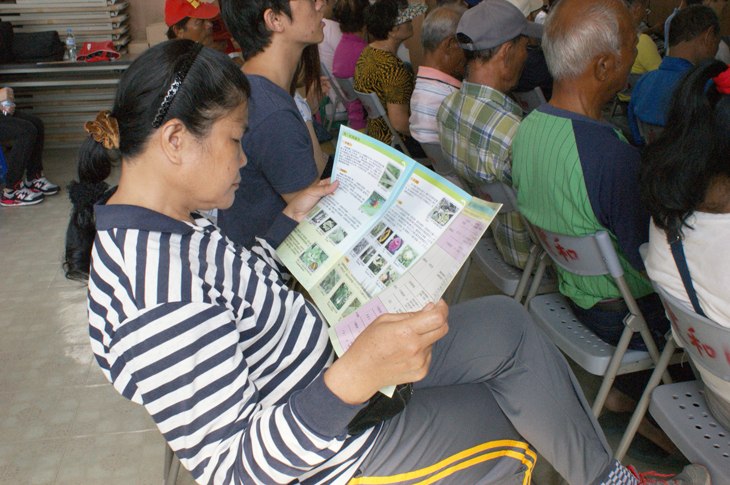
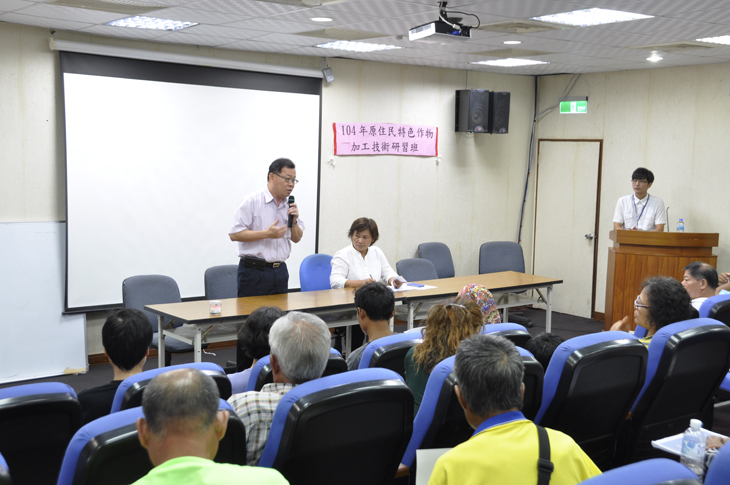
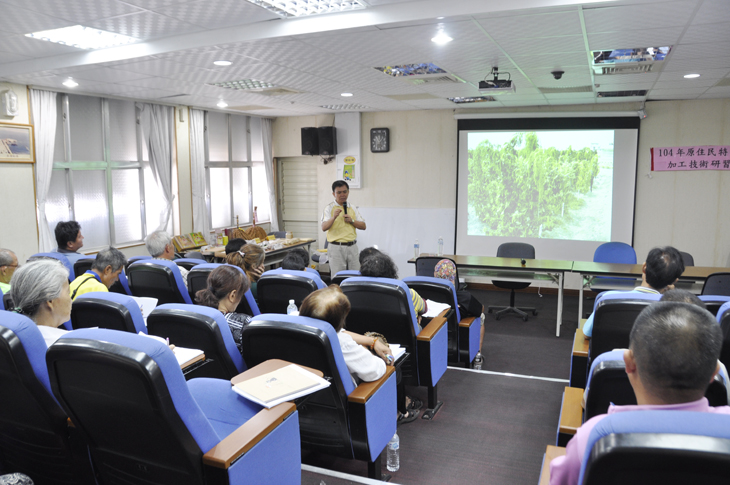
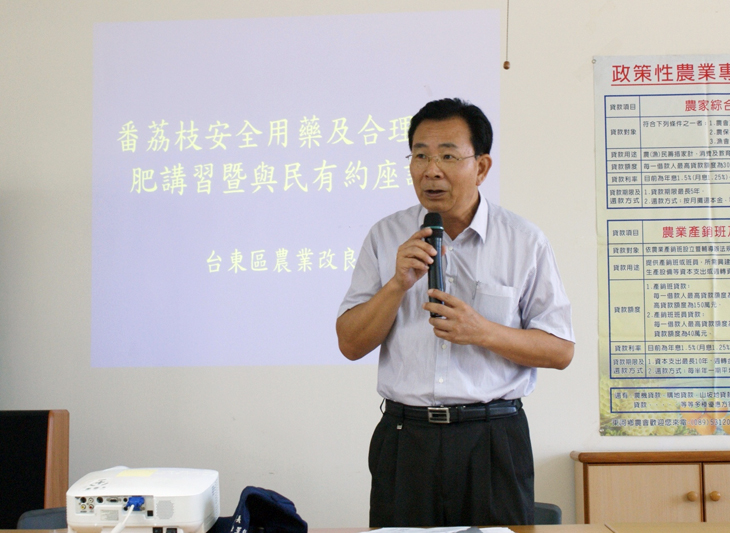
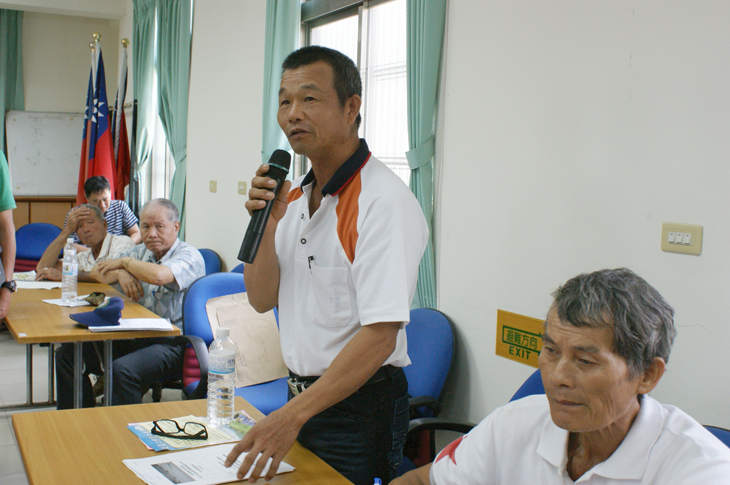
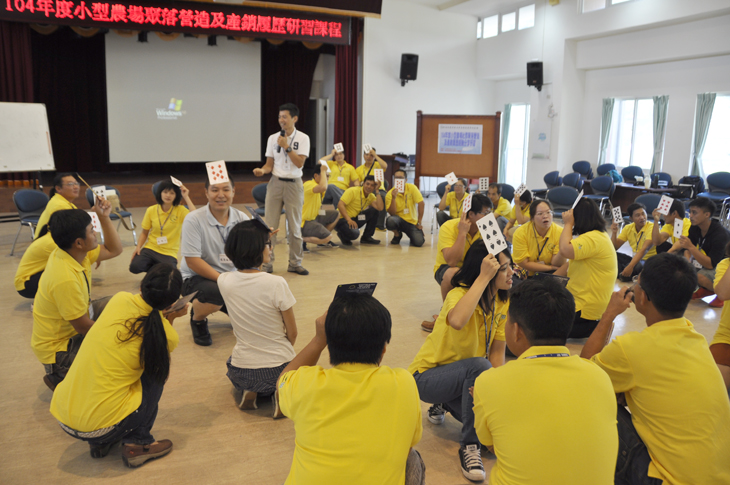
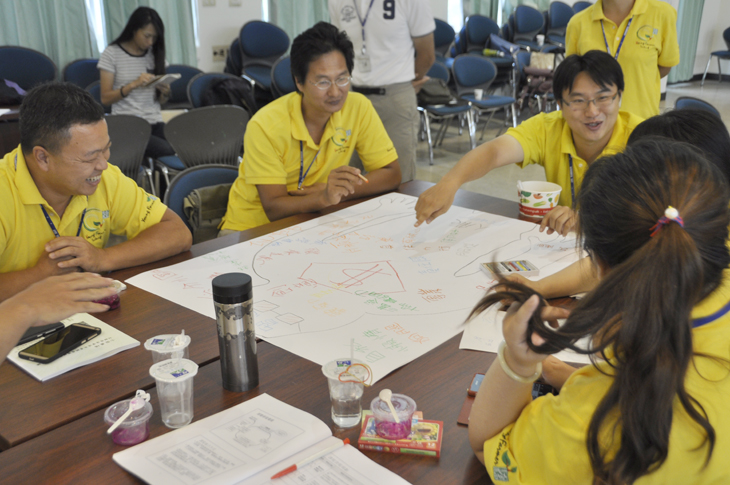
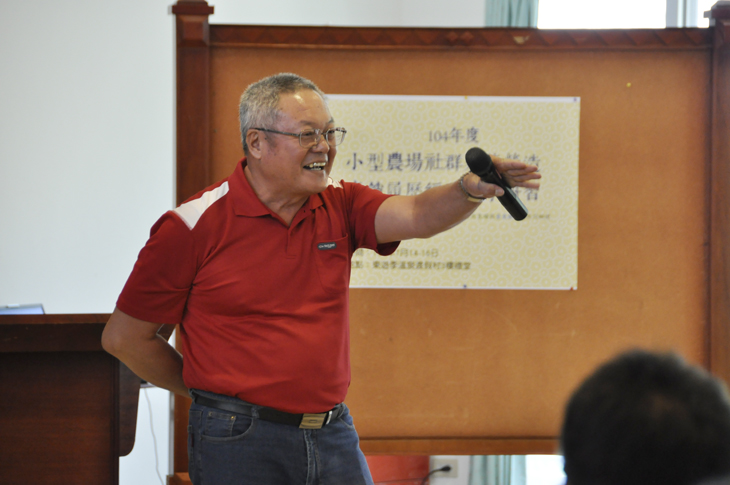
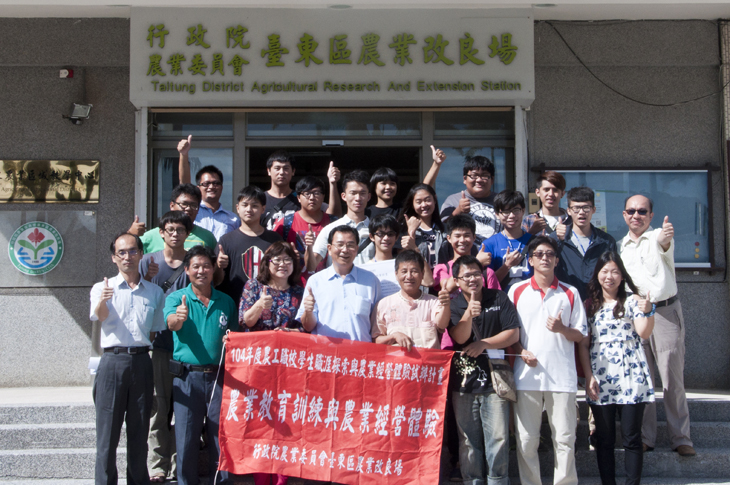
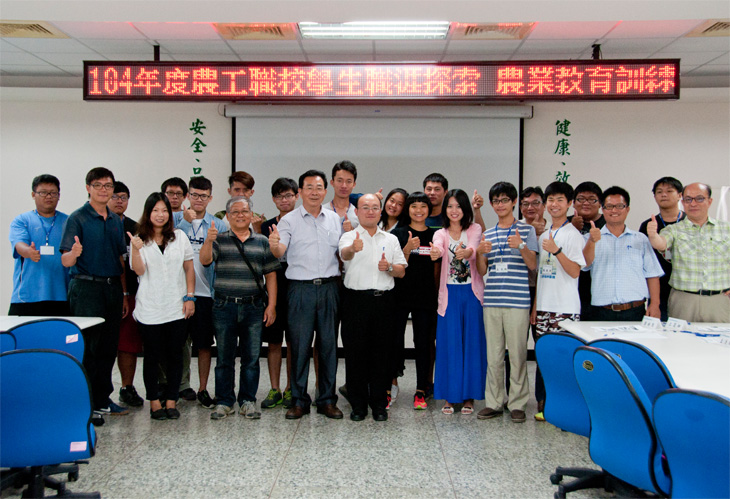
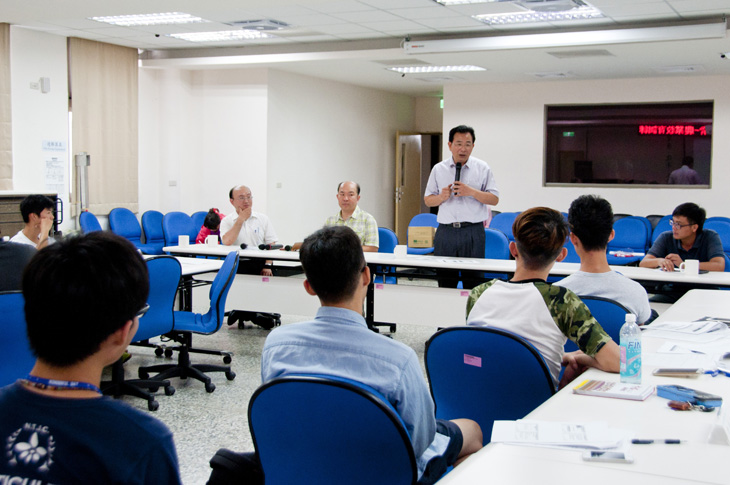
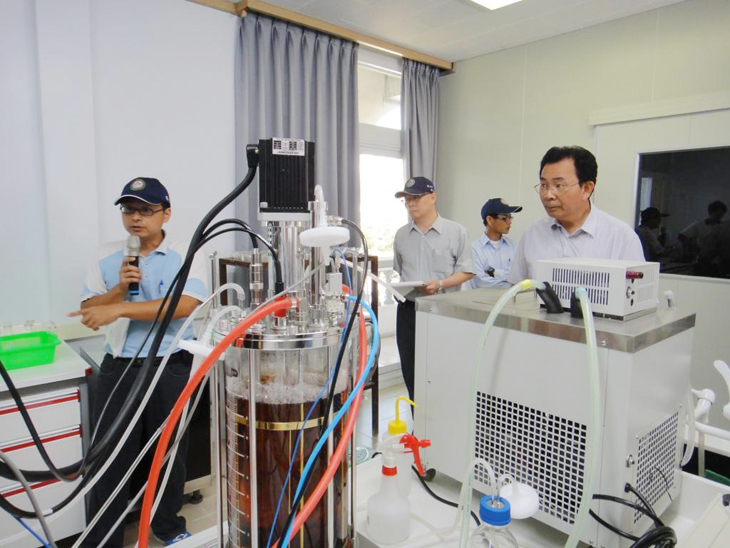
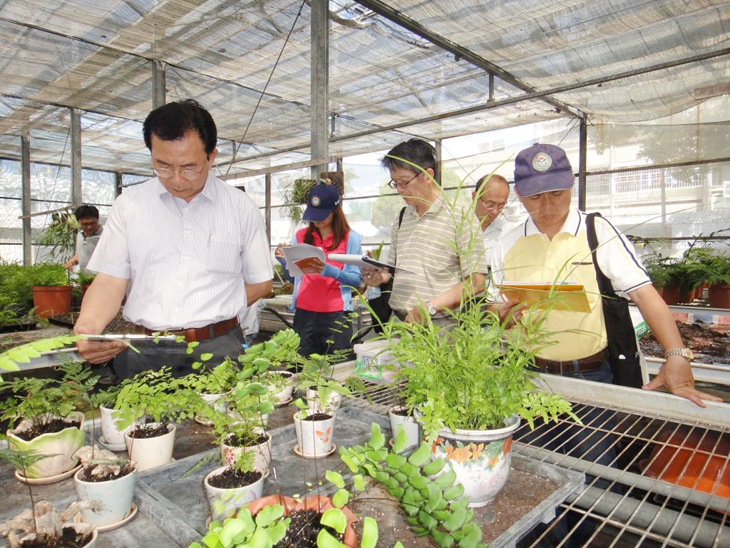
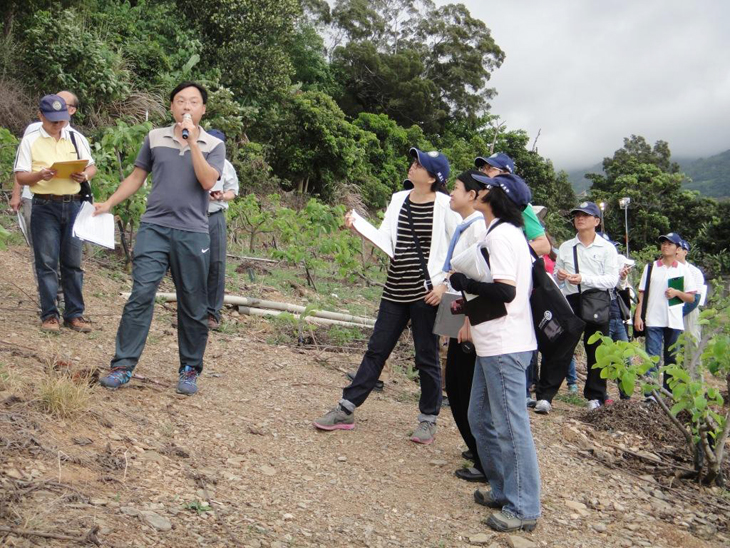
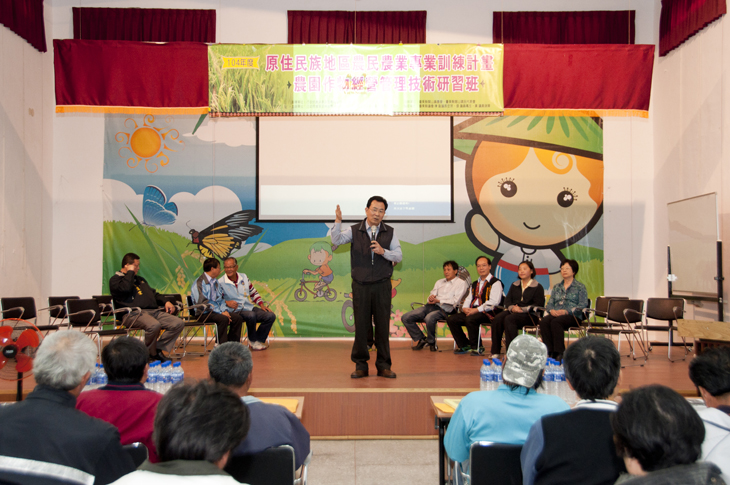
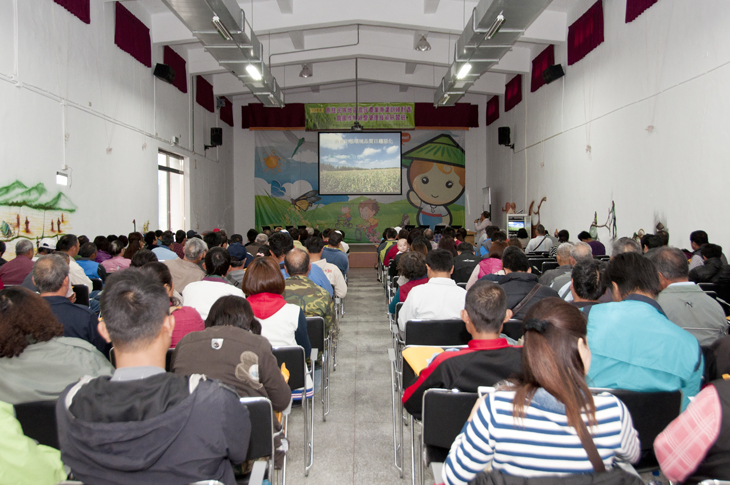
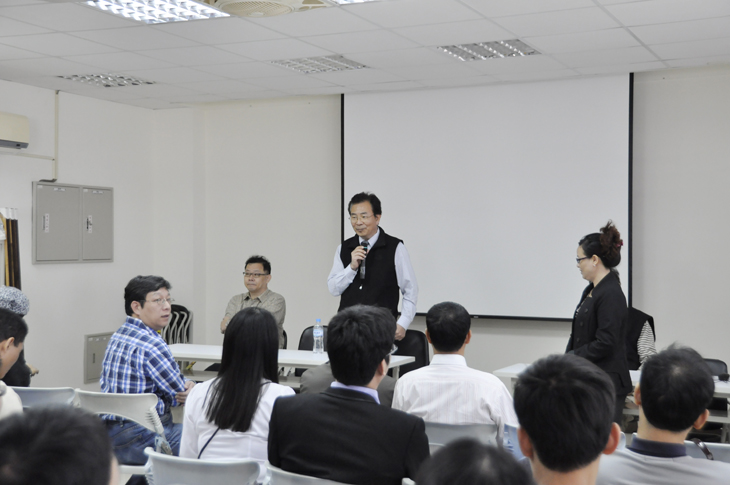
The Taitung District Agricultural Research and Extension Station (TTDARES) of the Ministry of Agriculture held the 2025 Food and Agriculture Education In-service Training at the TTDARES Regional Education Center on November 14. The 12 participants were professional educators in the realm of food and agriculture education. According to the Ministry of Agriculture’s Guidelines for the Qualification and Training of Food and Agriculture Education Professionals, it was held to assist those qualified to complete their training within five years, extending their eligibility as educators in the field while honing their skills and instruction capacity.
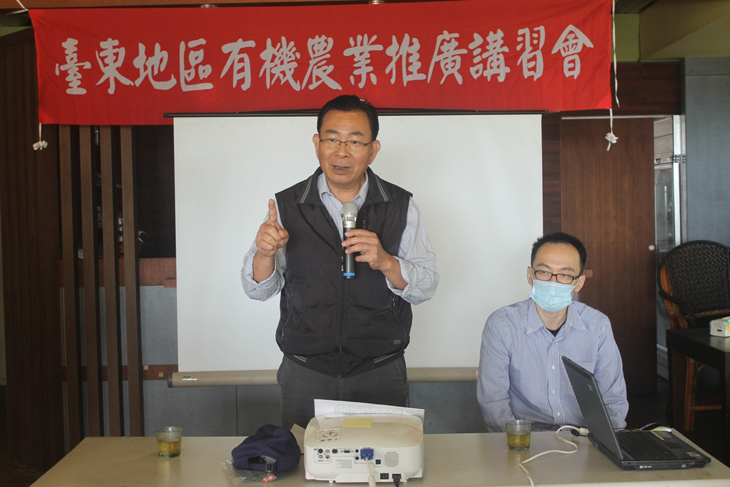
Deputy Director Lu Po-song stated that the TTDARES has long promoted food and agriculture education in the region, working closely with farmers, schools of all levels, and farmers’ associations in designing diversified classes through which participants are encouraged to make use of their skills and food and agriculture education concepts are continually promoted.
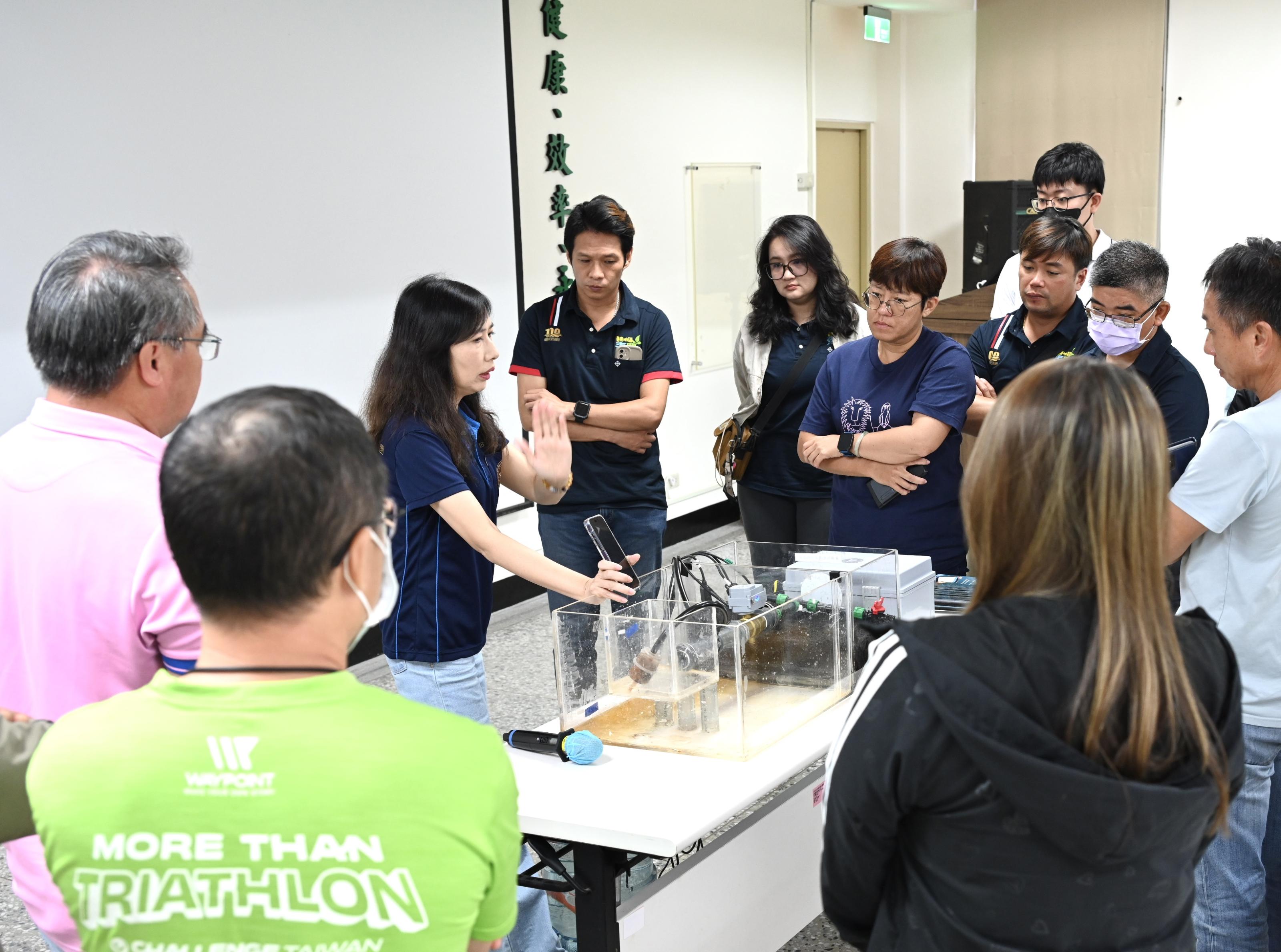
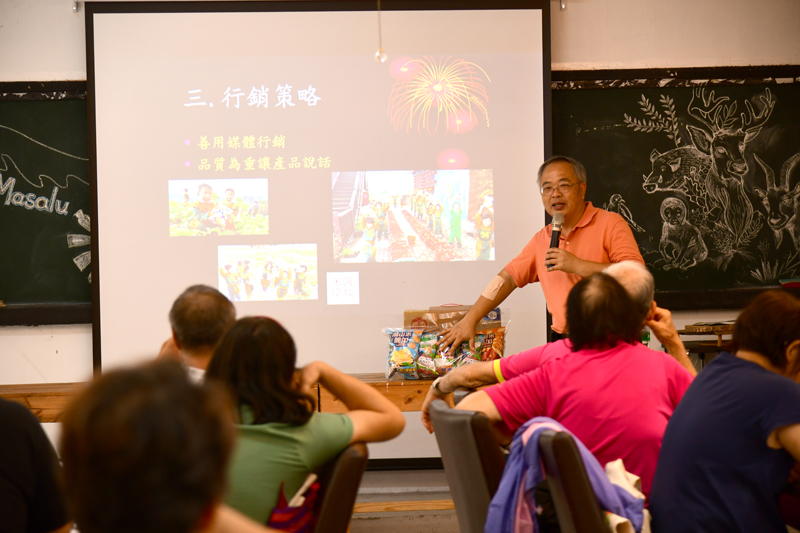
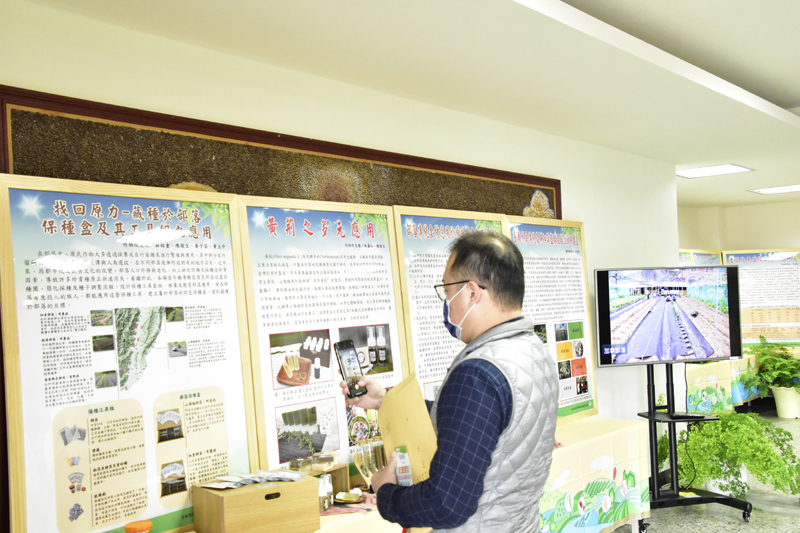
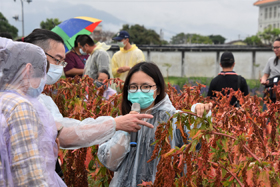
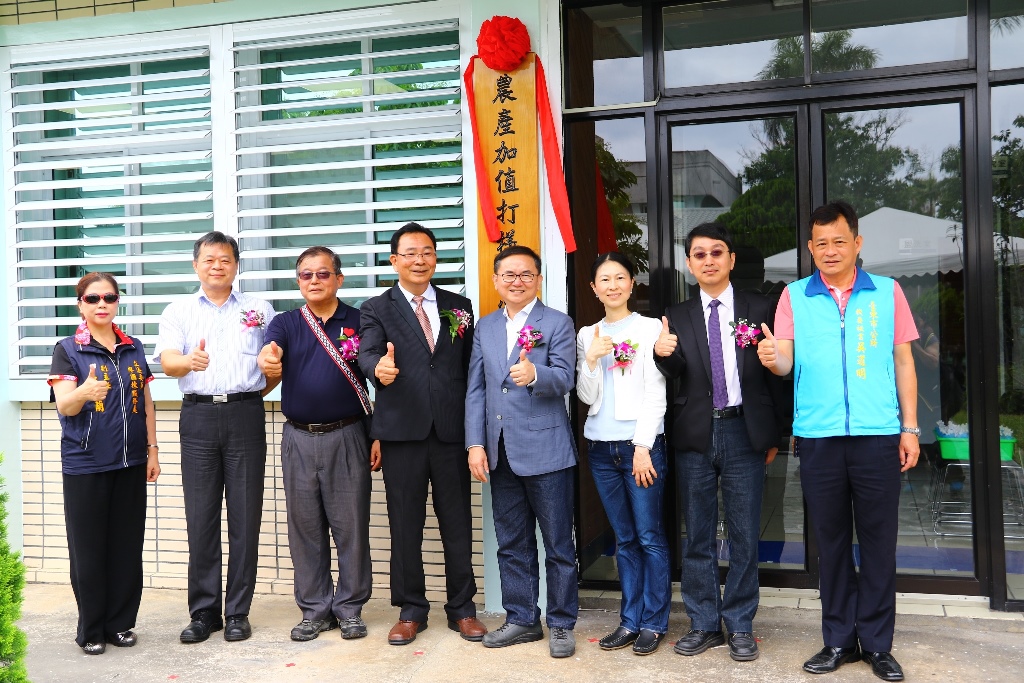
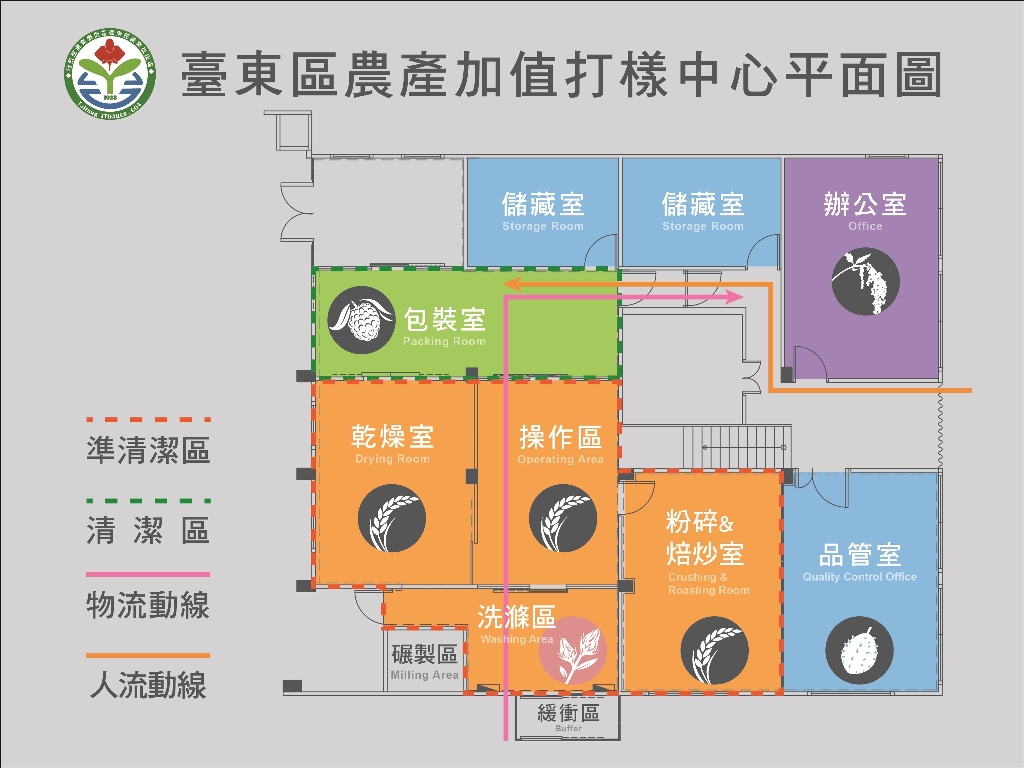
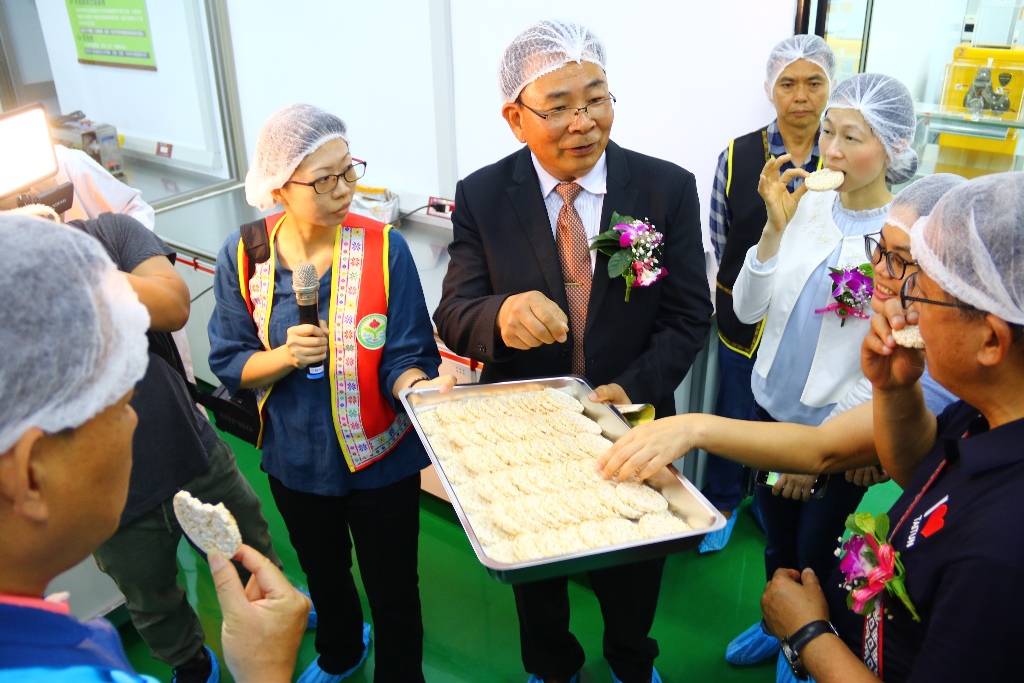
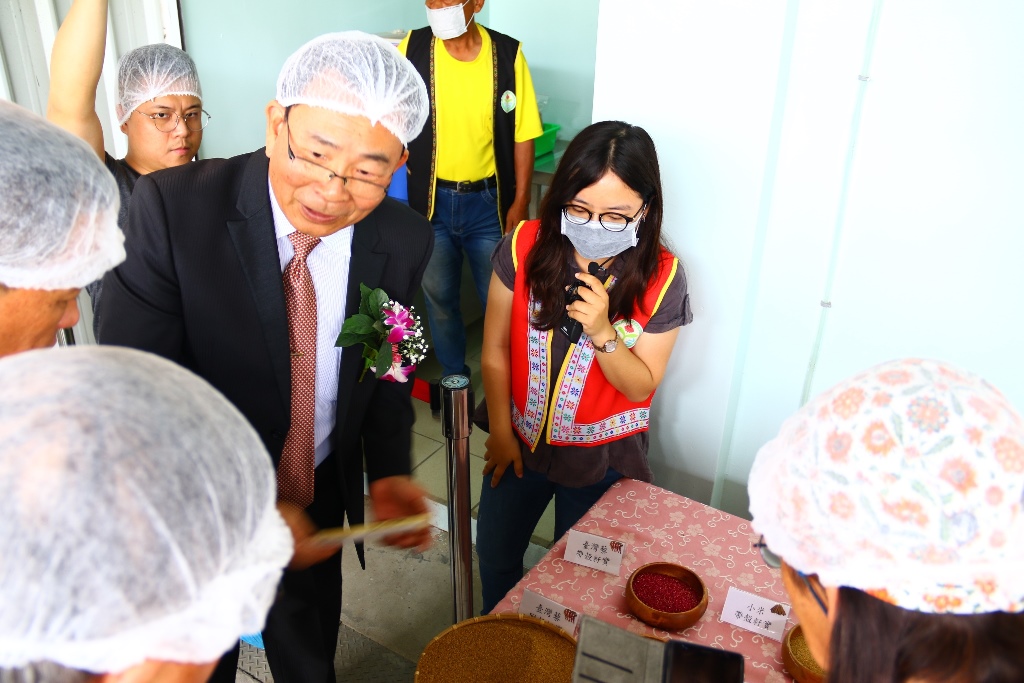
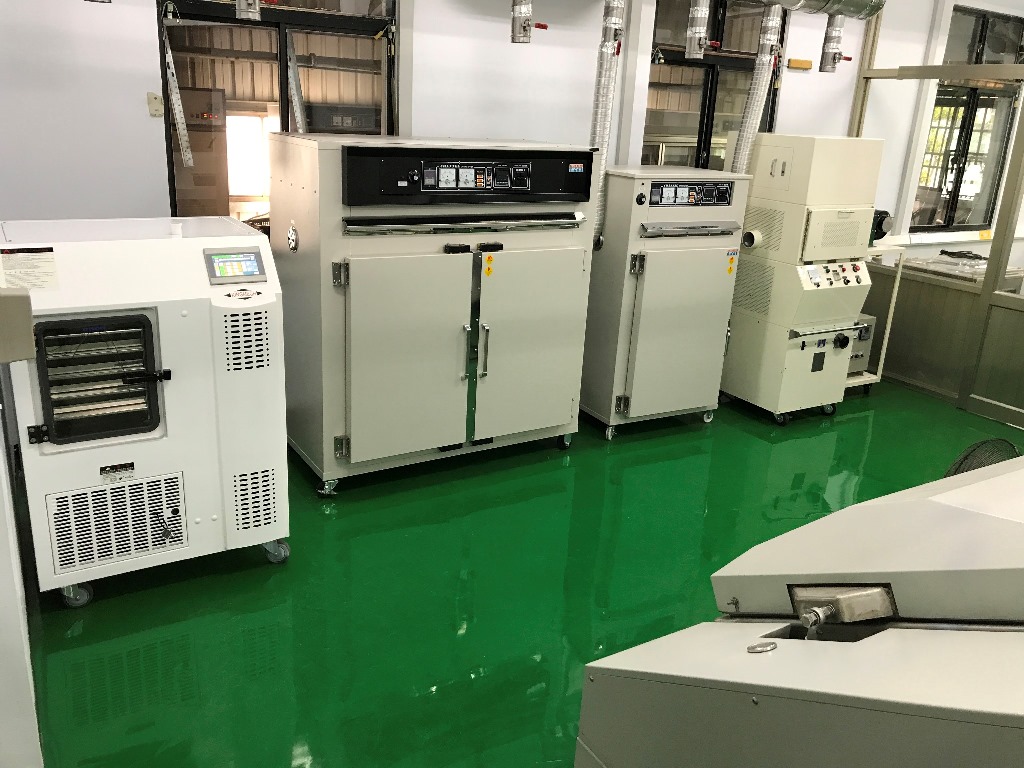
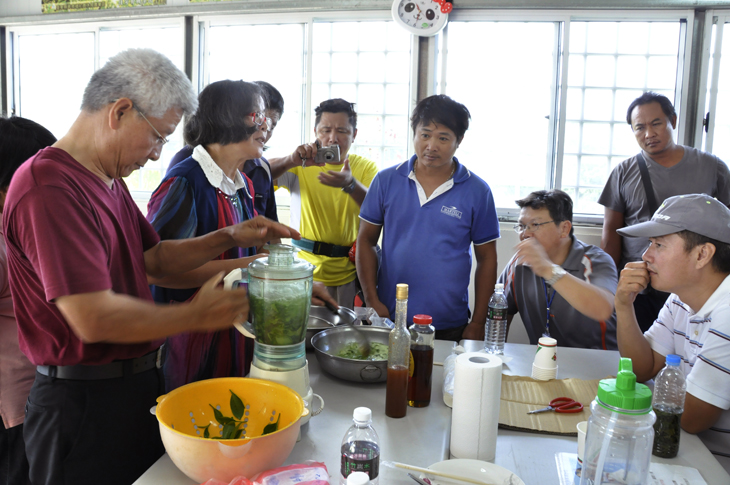
First, associate researcher Chen Ying-fang spoke on the diversity of added-value applications for Taitung’s special agricultural products and discussed major points in the areas of processing and food safety management. Next, assistant researcher Huang Yun-en led participants on a tour of the Taitung Agricultural Product Added-value Trial Production Center while explaining product R&D and trial processes. The training was aligned with the theme of “dietary intake and lifestyle” in the dimension of “dietary health and consumption” from the established Three Dimensions and Six Themes of Food and Agricultural Education. The goal is for participants to integrate what they have learned into their instruction to further the practices of sustainable agriculture and healthy diets.
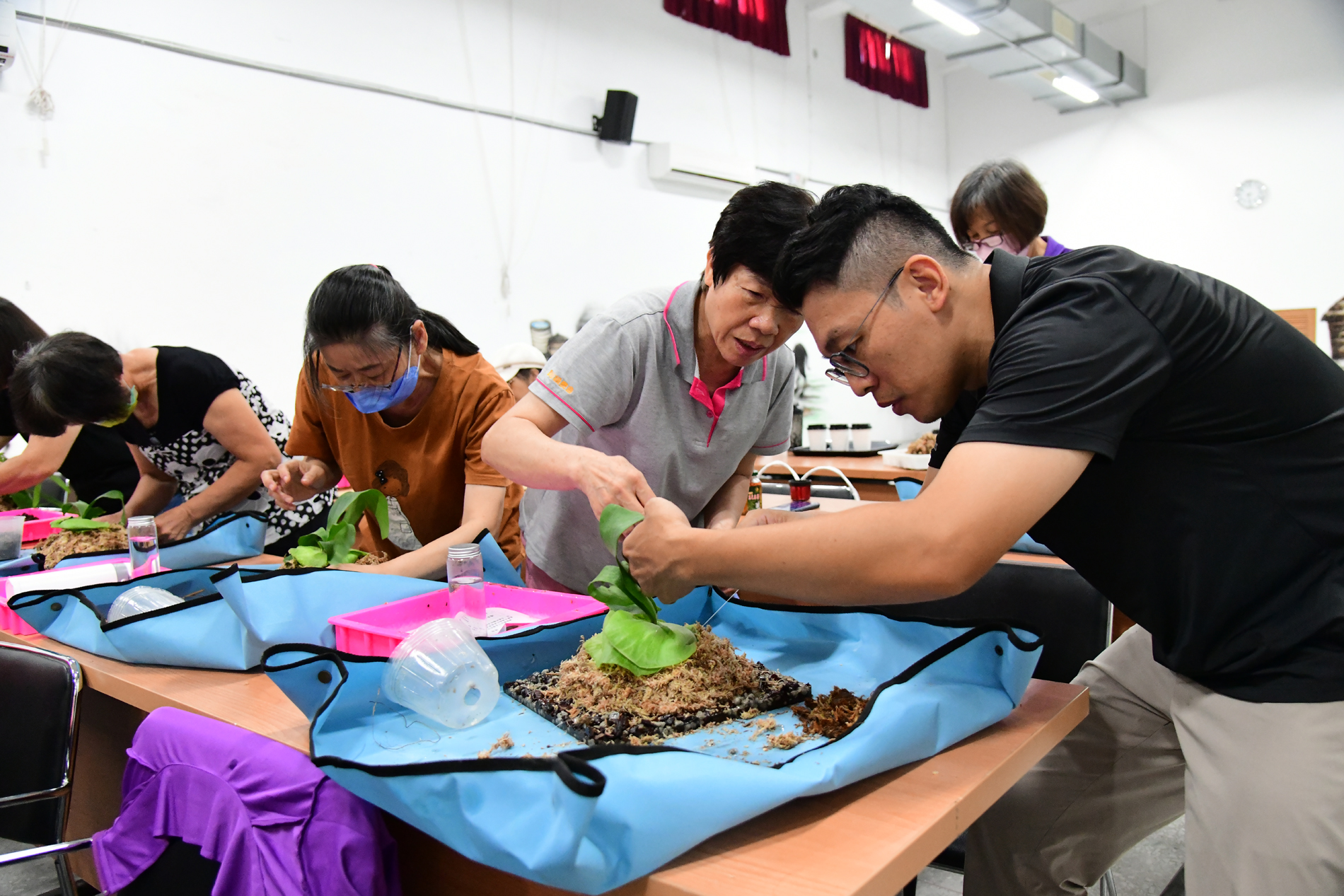
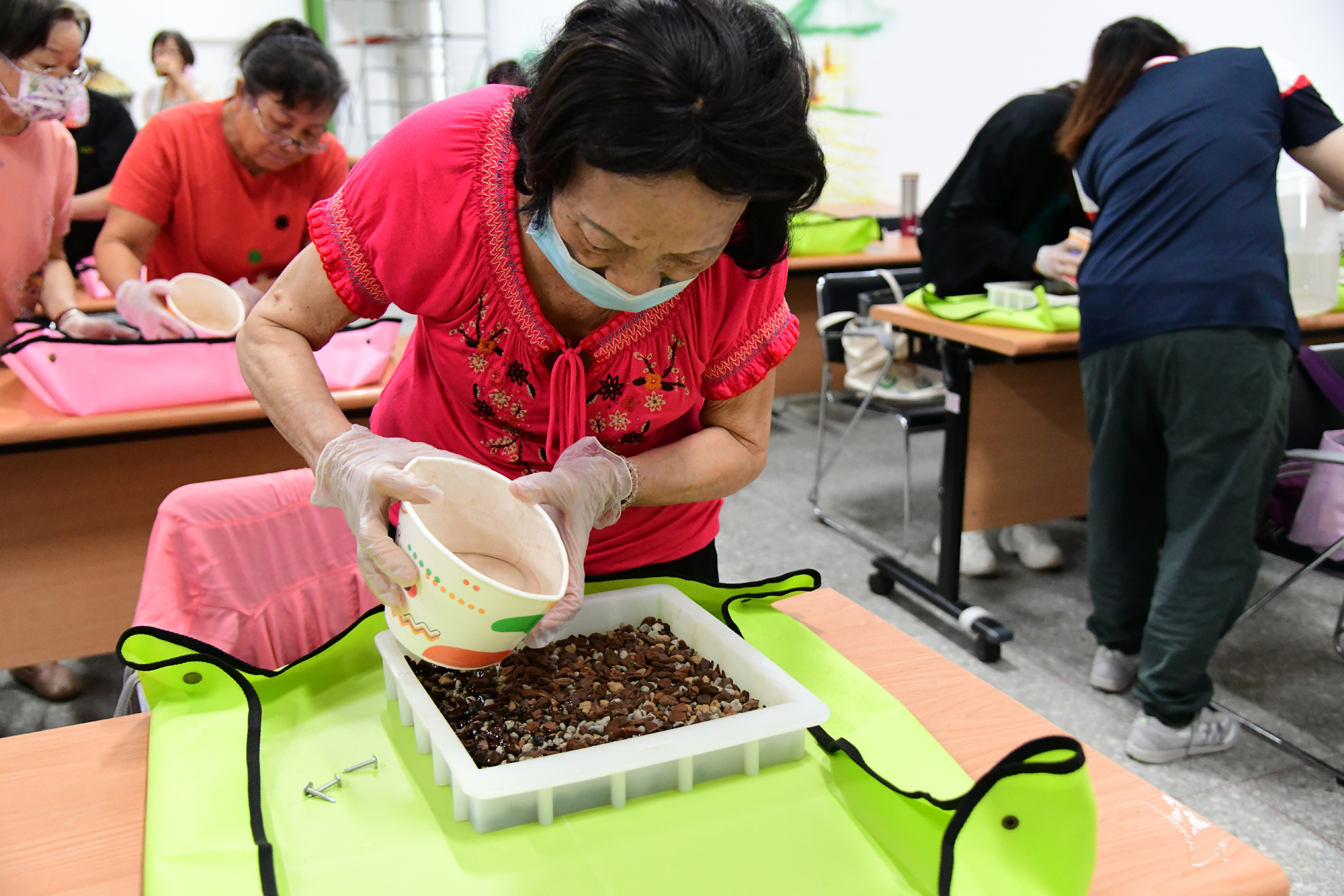
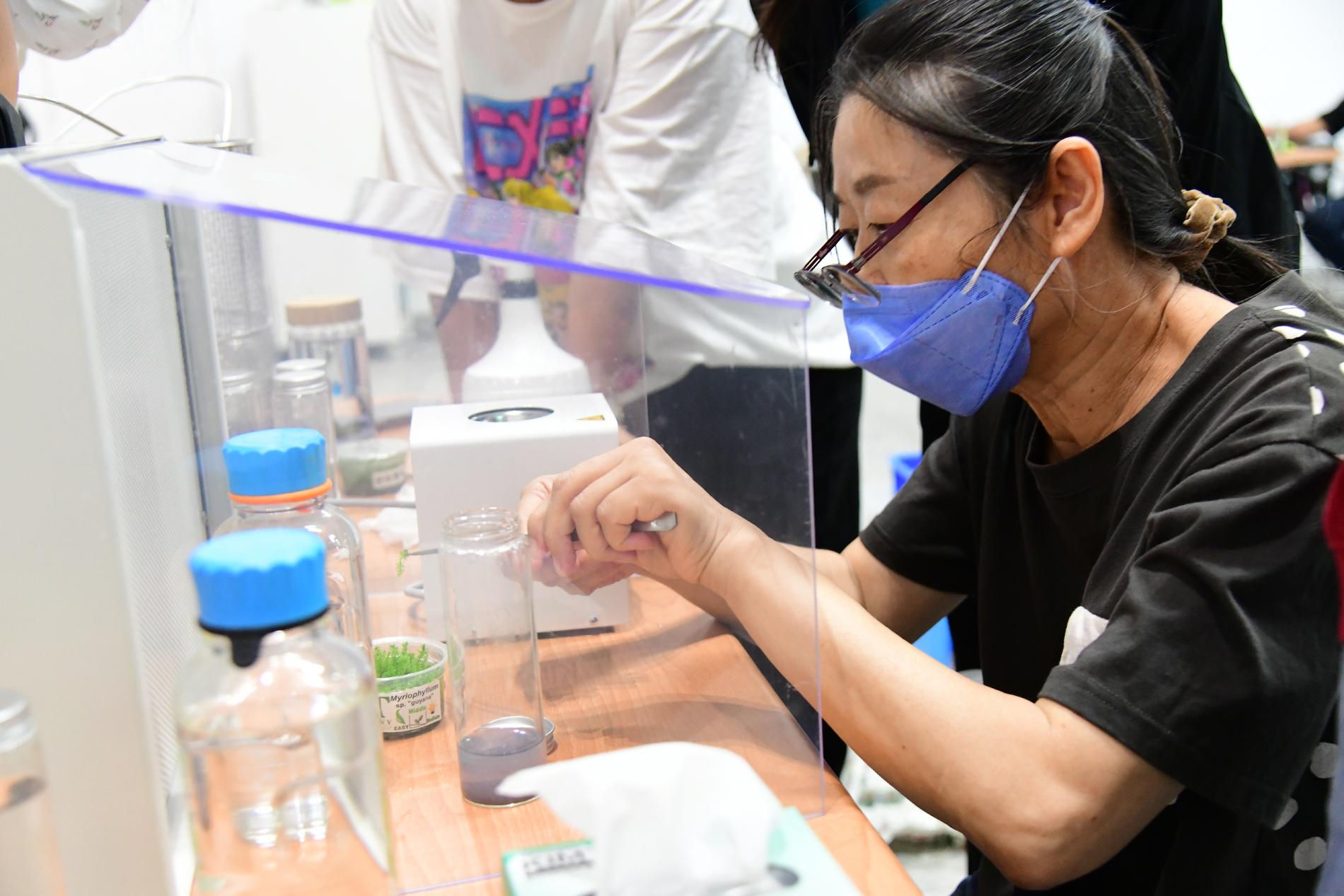
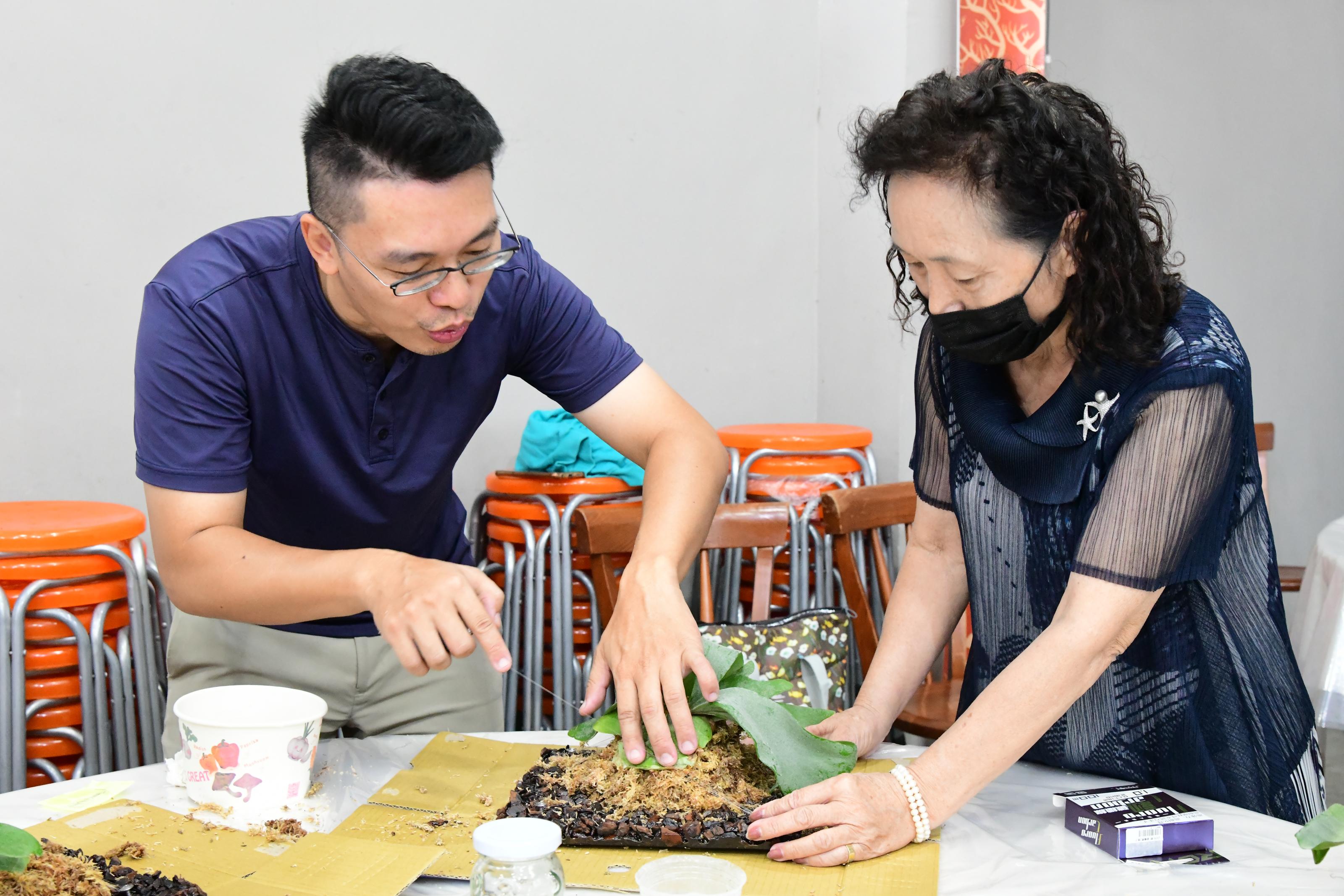
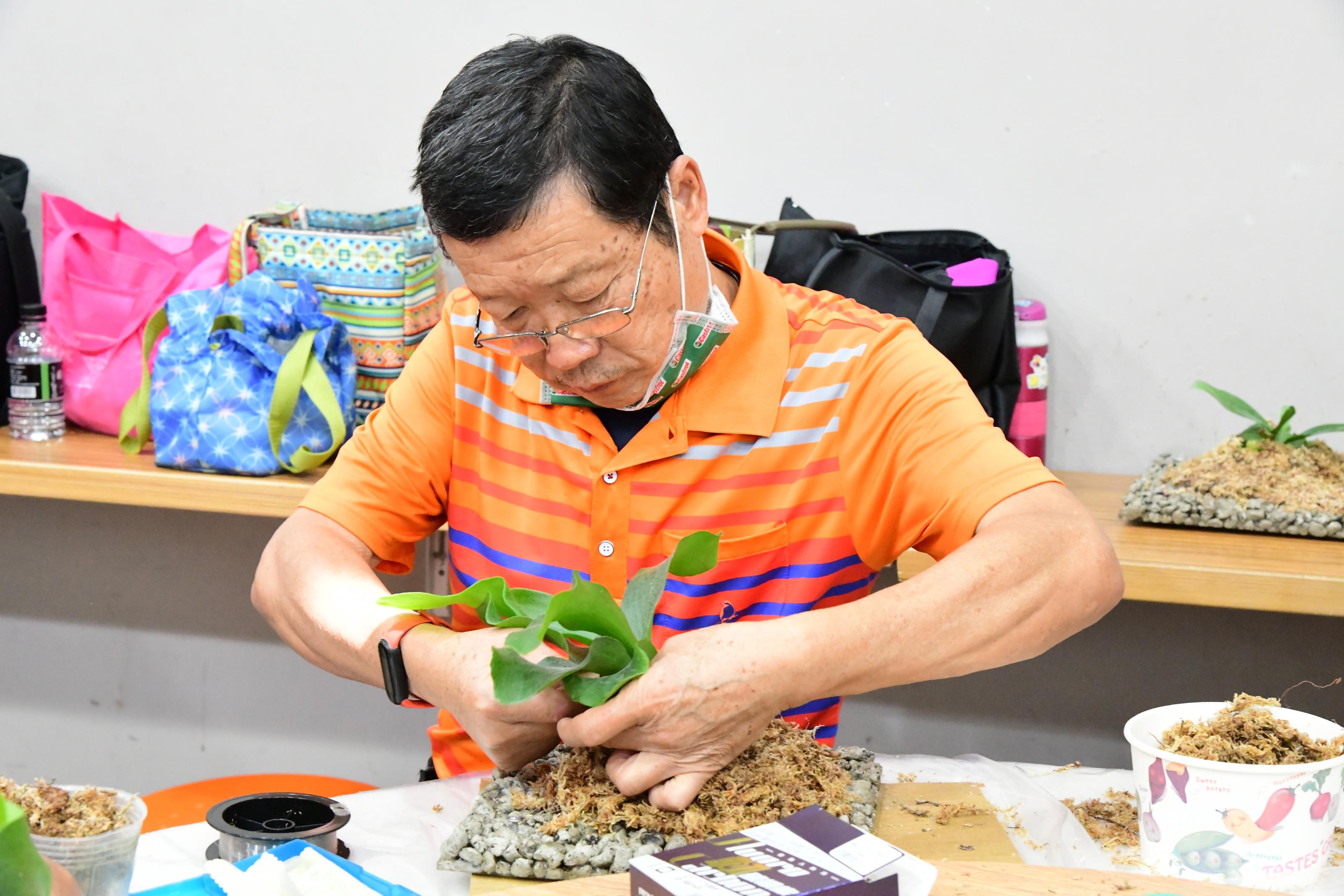
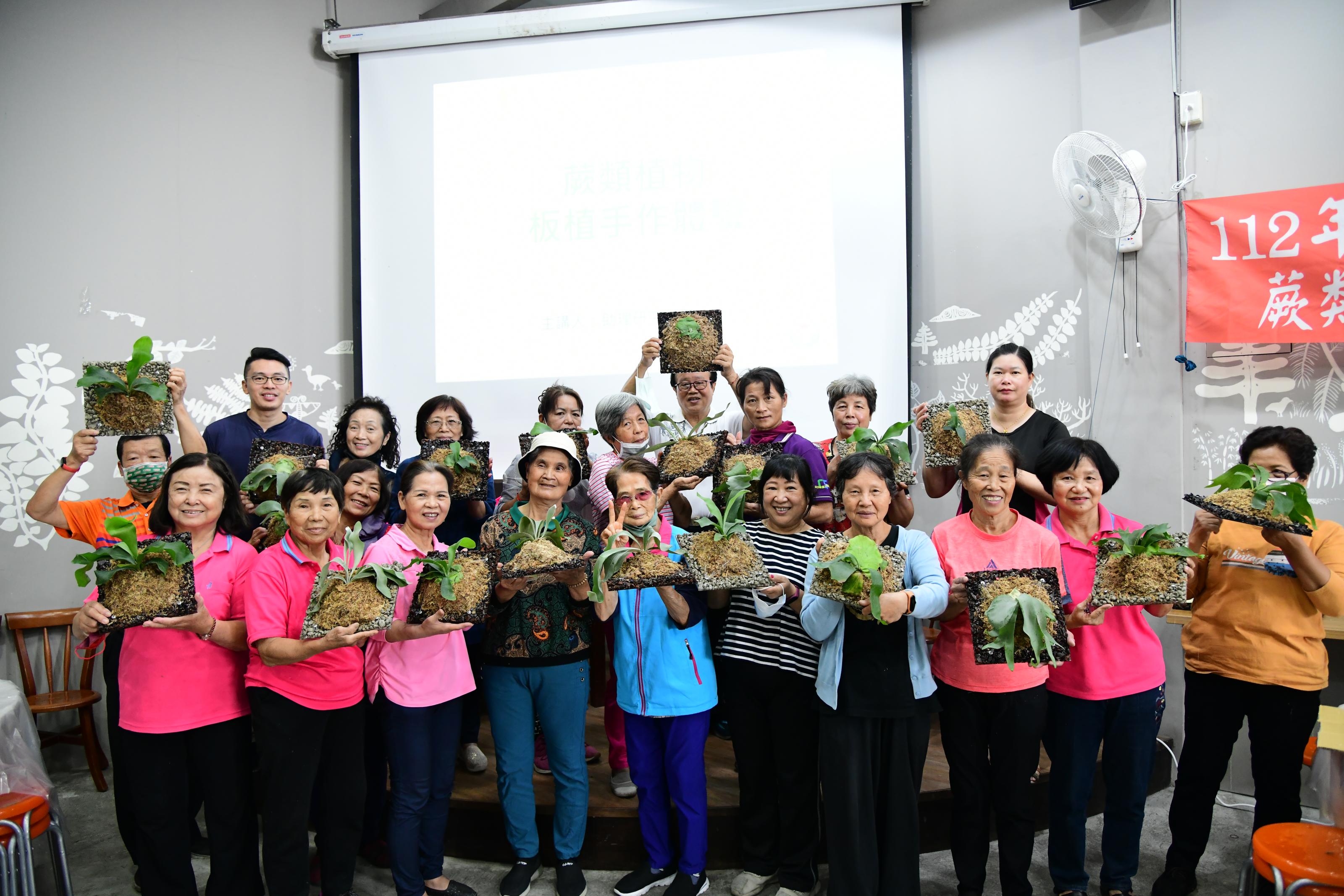
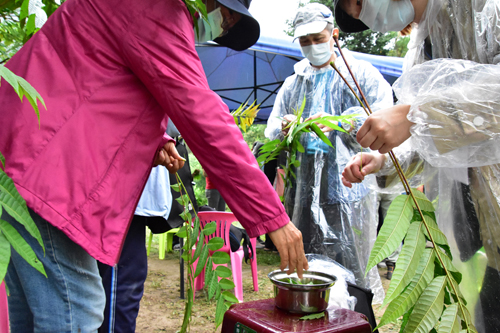
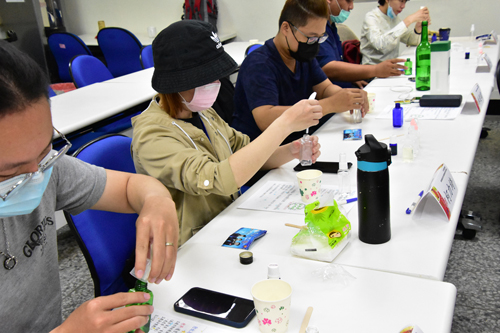
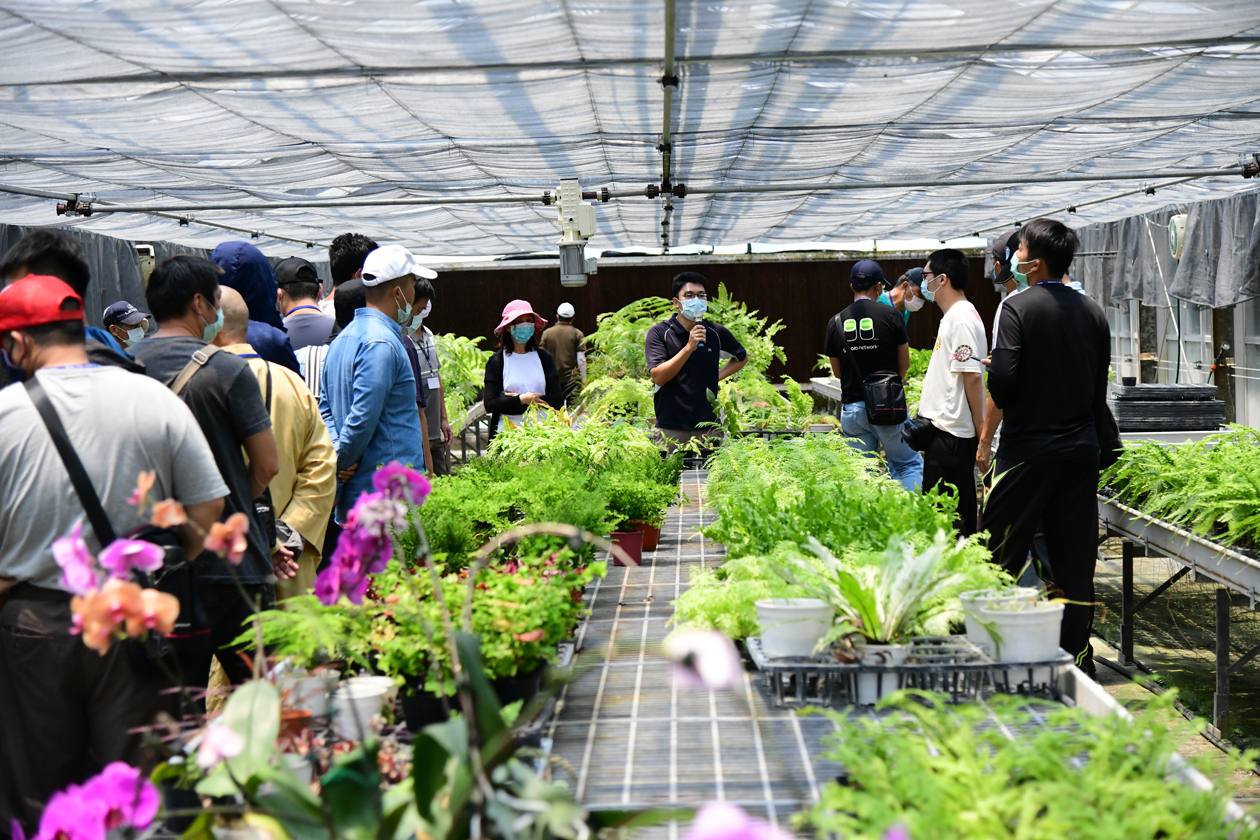
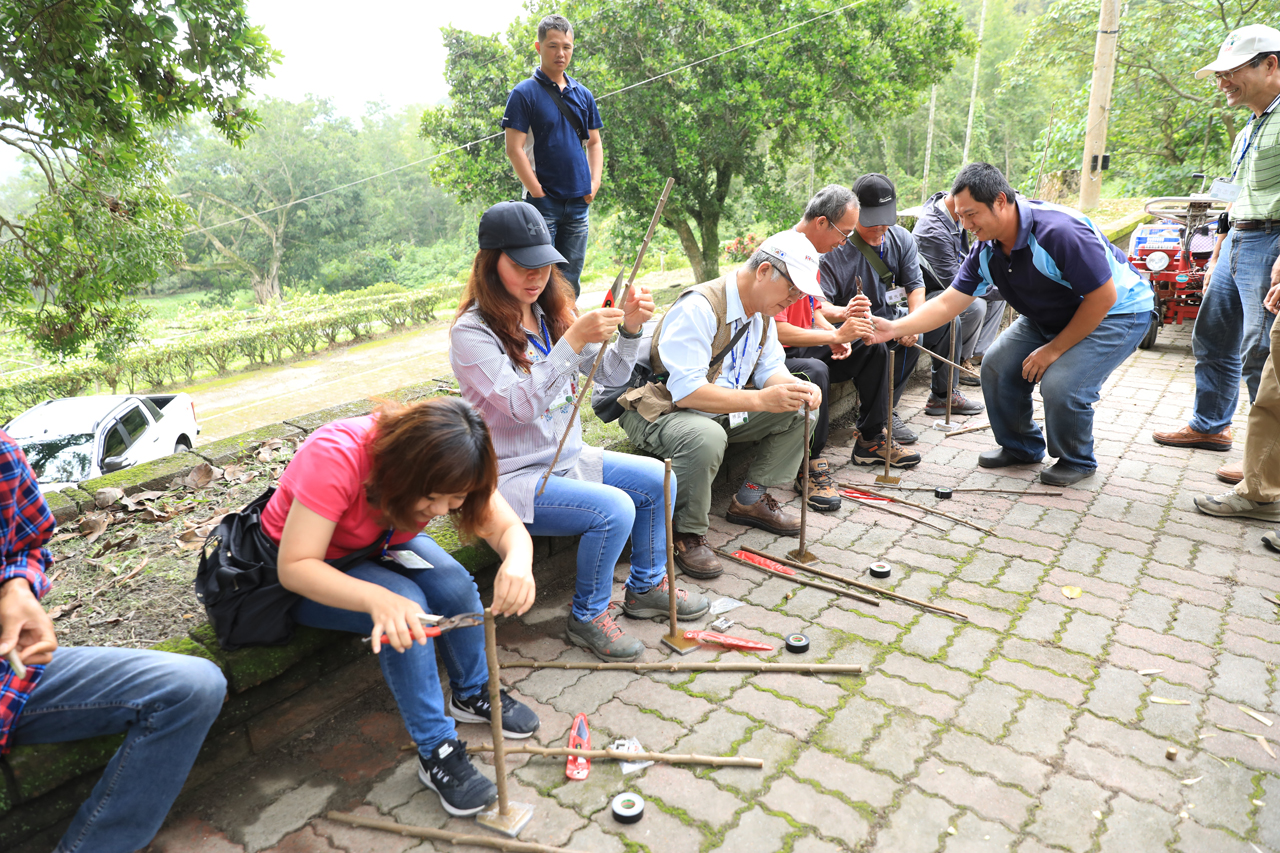
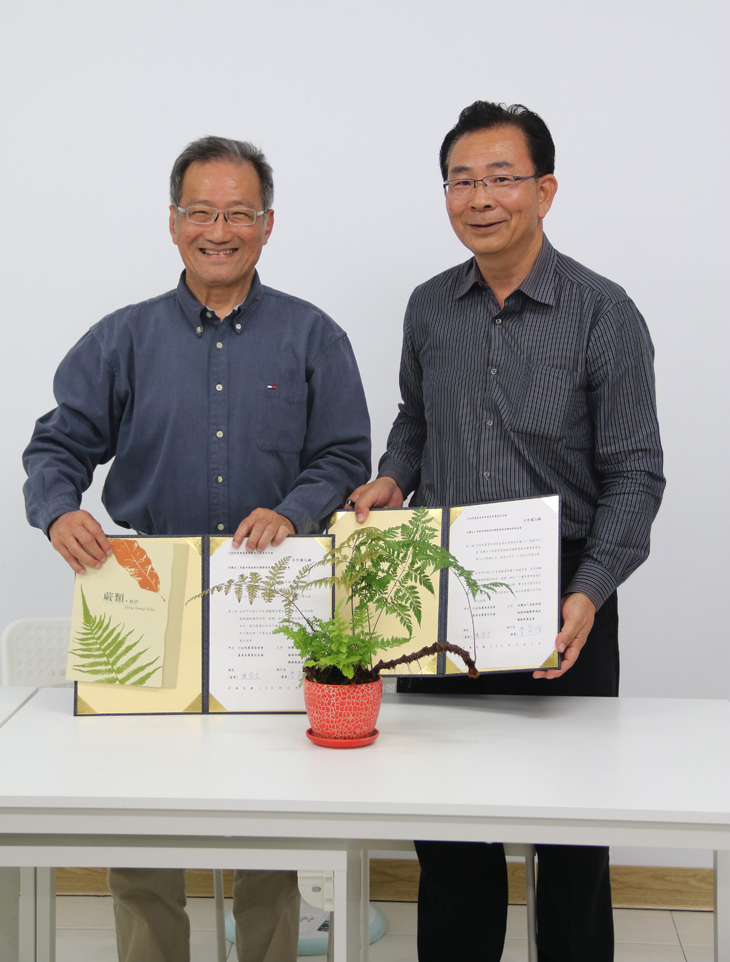
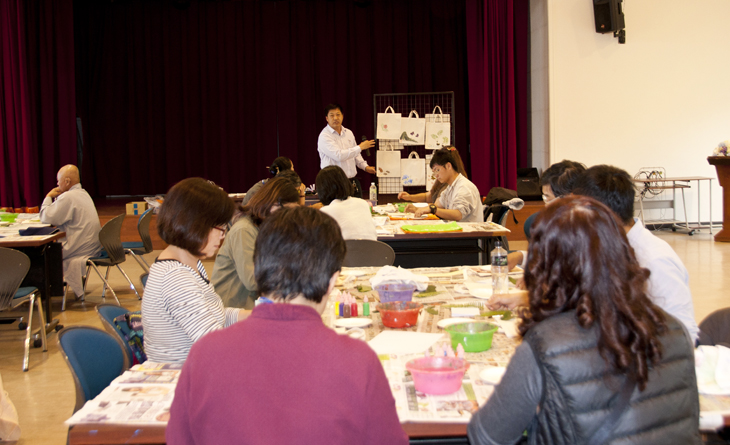
The Taitung District Agricultural Research and Extension Station (TTDARES) of the Ministry of Agriculture held the 2025 Green Care – Mounted Fern and Aseptic Plant Culture Bottle DIY Class on August 27 and September 3 at the Guanshan Rice School. Taught by TTDARES associate researcher Li Wen-nan, the class allowed participants to learn about fern diversity and applications while making mounted ferns and aseptic plant culture bottles by hand.
Section chief Chen Chen-yi of the TTDARES stated that the government has been promoting green care, which incorporates agricultural resources and horticulture to not only boost physical and mental well-being but also strengthen community support while revitalizing rural villages, thus making agriculture a source of happiness.
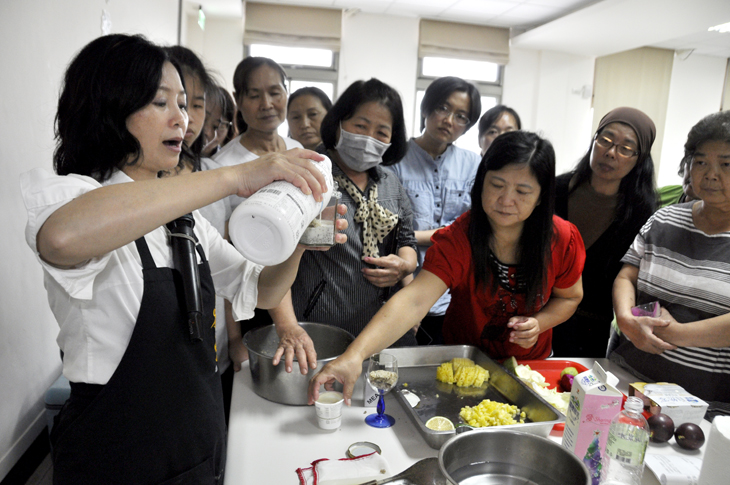
During the event, the instructor led participants in using pumice and tree bark to create a mounting board holding staghorn ferns and using a portable aseptic box to make an aseptic aquatic plant culture bottle, allowing them to enjoy the sense of accomplishment that comes from creating green decorations. Participants remarked that the class showed them how easy taking care of plants can be as long as you have the skills and how it can be enjoyable and therapeutic in daily life.

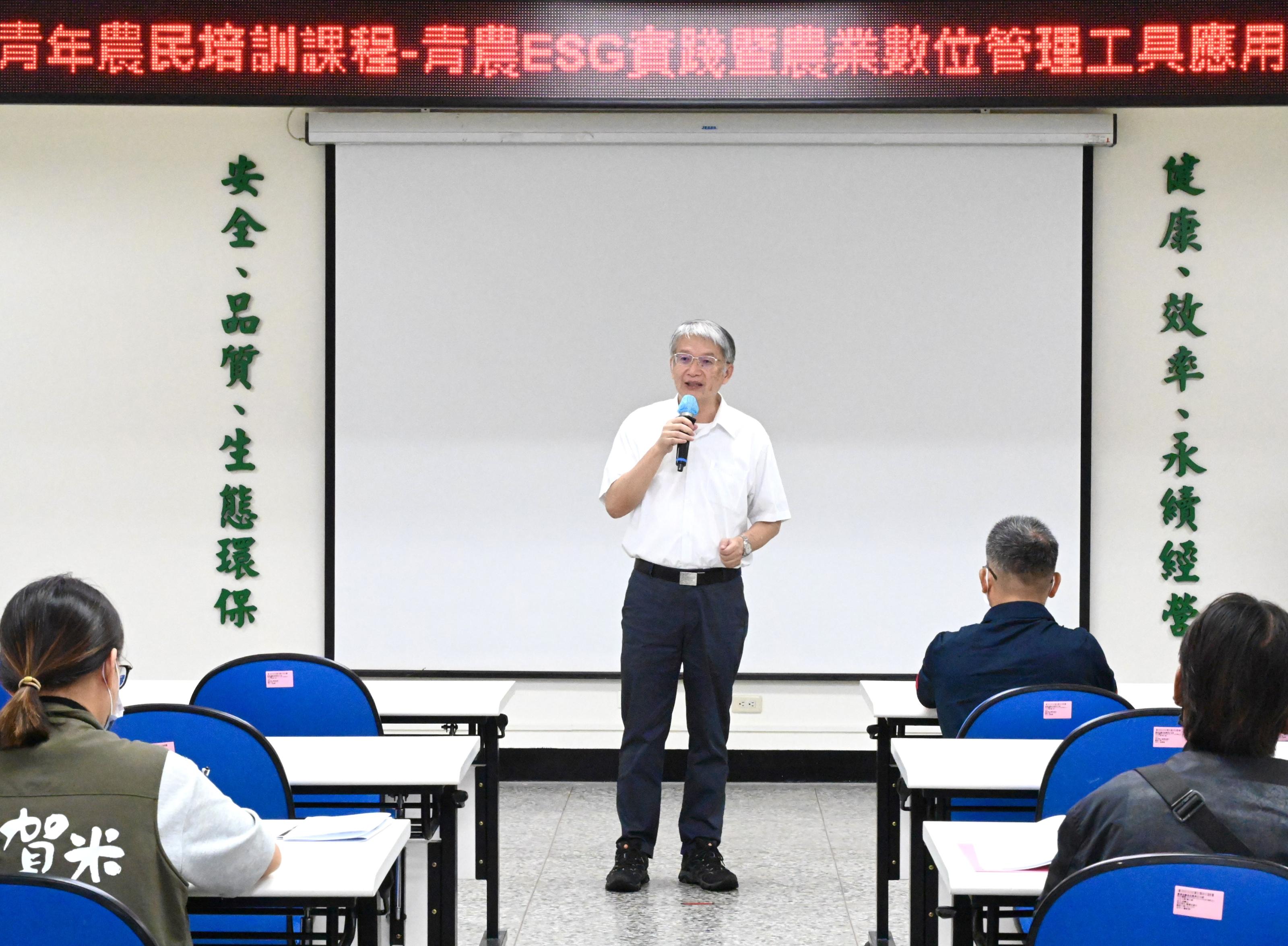
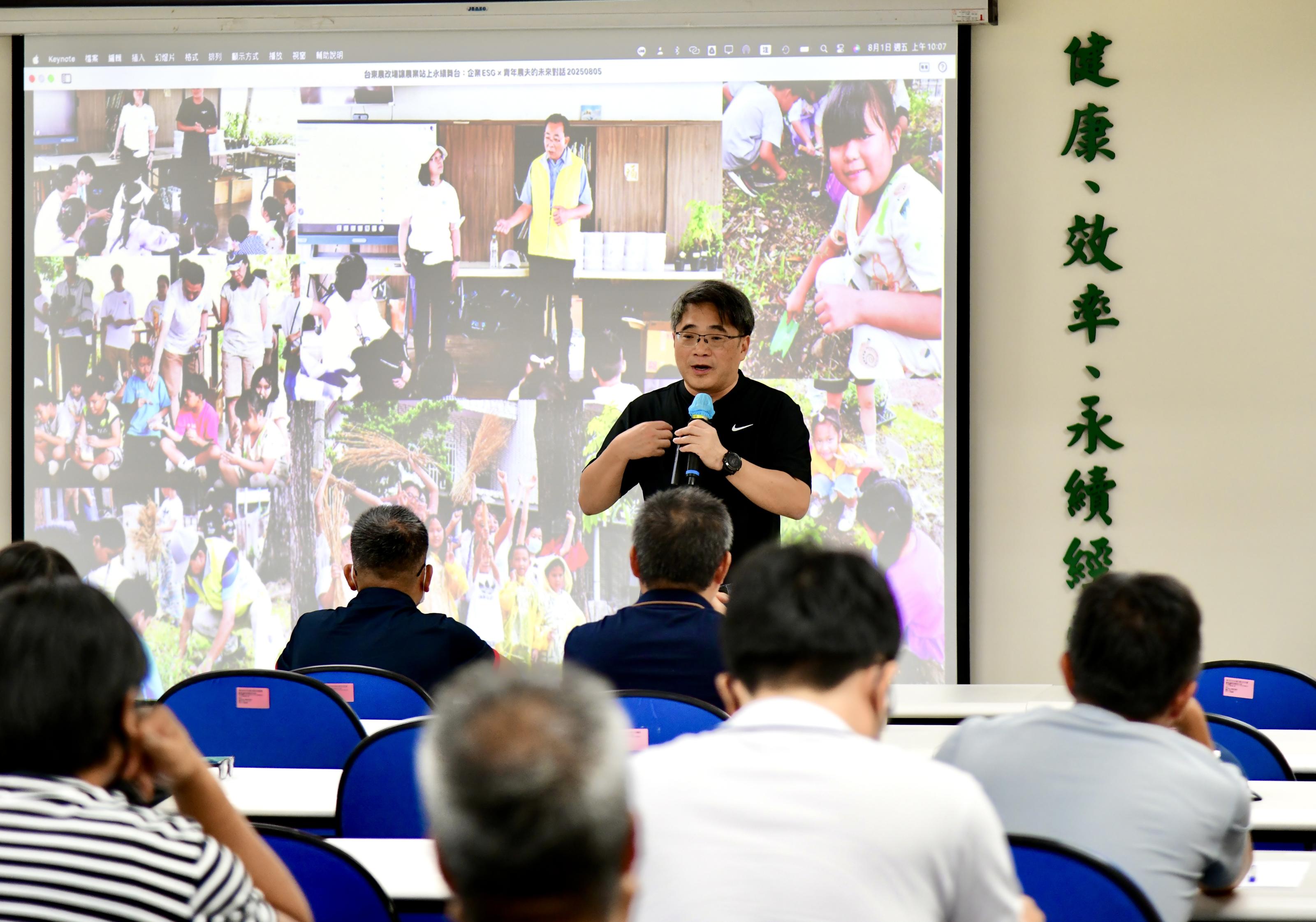
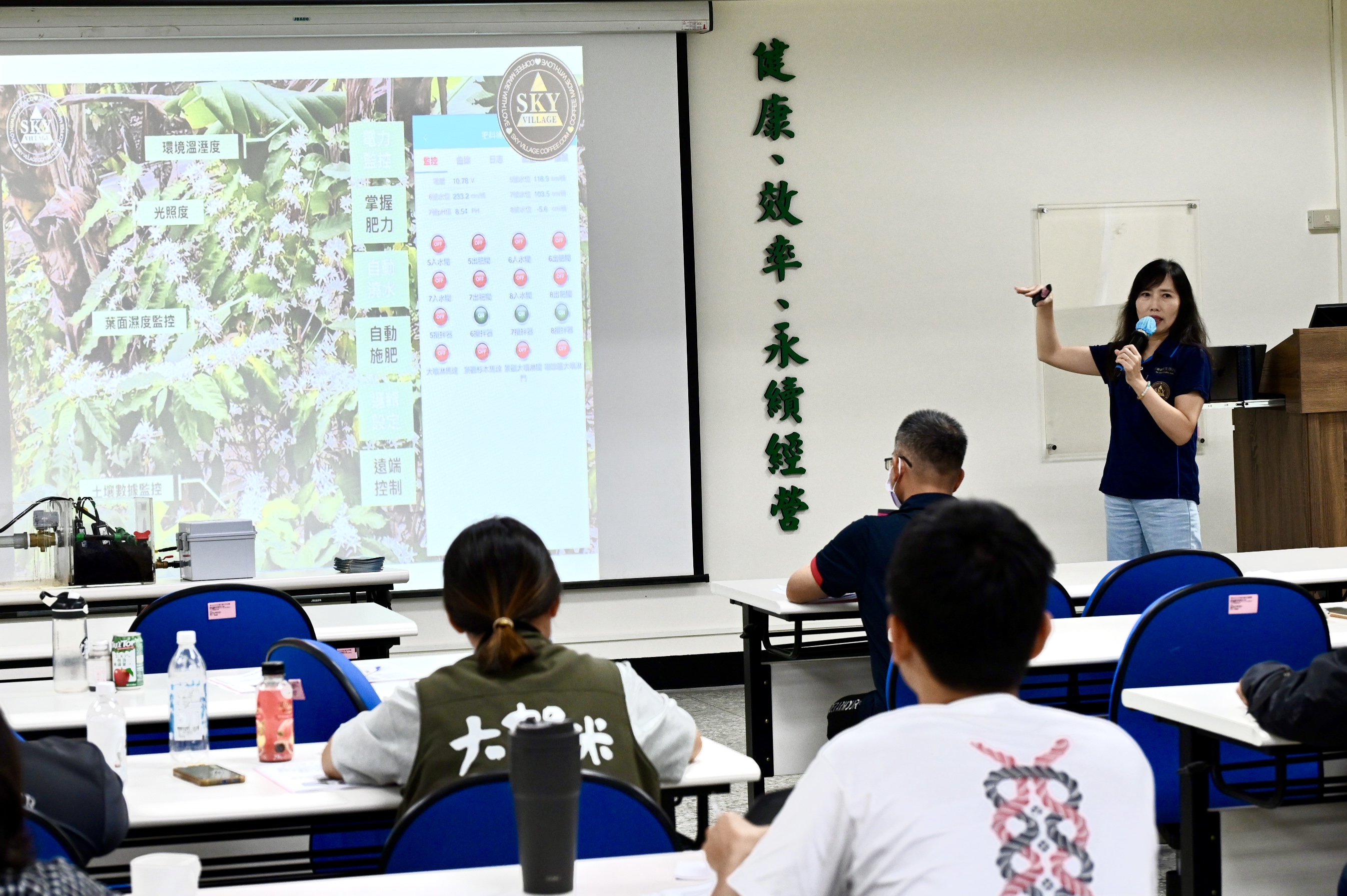
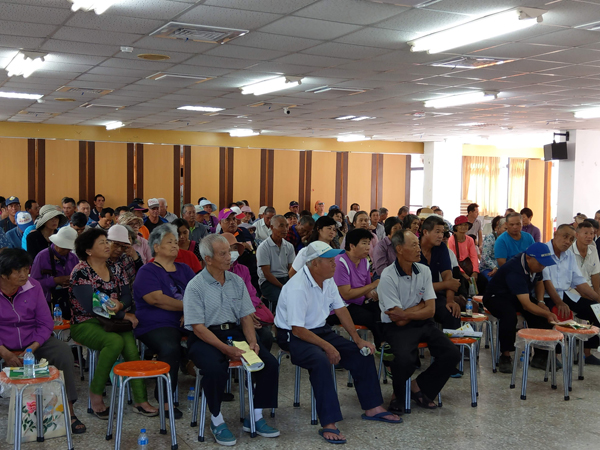
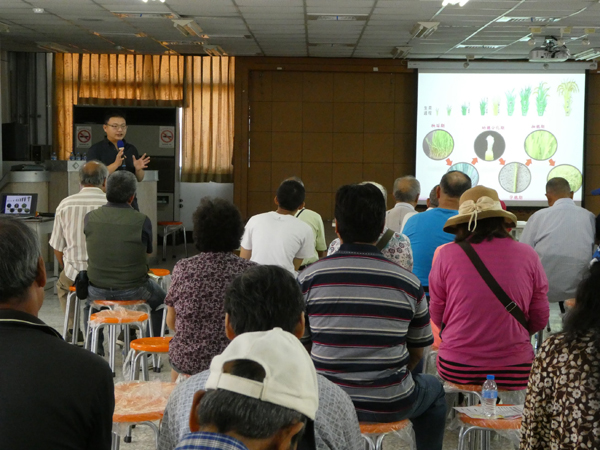
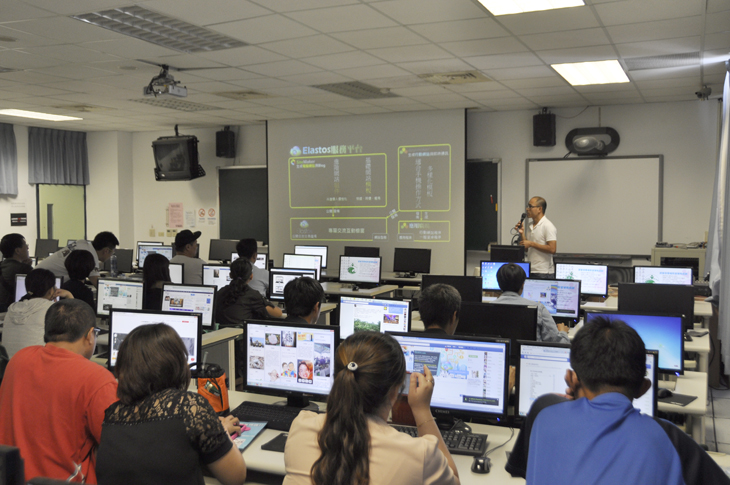
To help young farmers grasp ESG trends and digital farming management skills, the Taitung District Agricultural Research and Extension Station (TTDARES) of the Ministry of Agriculture held a training course for young farmers on August 1, 2025, at the TTDARES regional education center, which was attended by 30 participants. The TTDARES stated that besides producing food, agriculture also aids in carbon sequestration, water conservation, and biodiversity preservation, making apparent the important role of agriculture in ESG development. The government is encouraging enterprises to integrate agricultural resources, propelling rural sustainability action, and advancing opportunities for enterprises and young farmers to collaborate. Guppy Digital Technology founder Bill Lin was invited to share about how AI and social impact tools can be used to create compelling ESG initiatives. Sky AIoT business director Tseng Shu-fen discussed the use of cloud-based smart automated irrigation and fertilization systems. The sharing of practical experience helped participants gain an understanding of critical concepts of ESG and digital management so that they may develop sustainable and competitive agricultural business models.

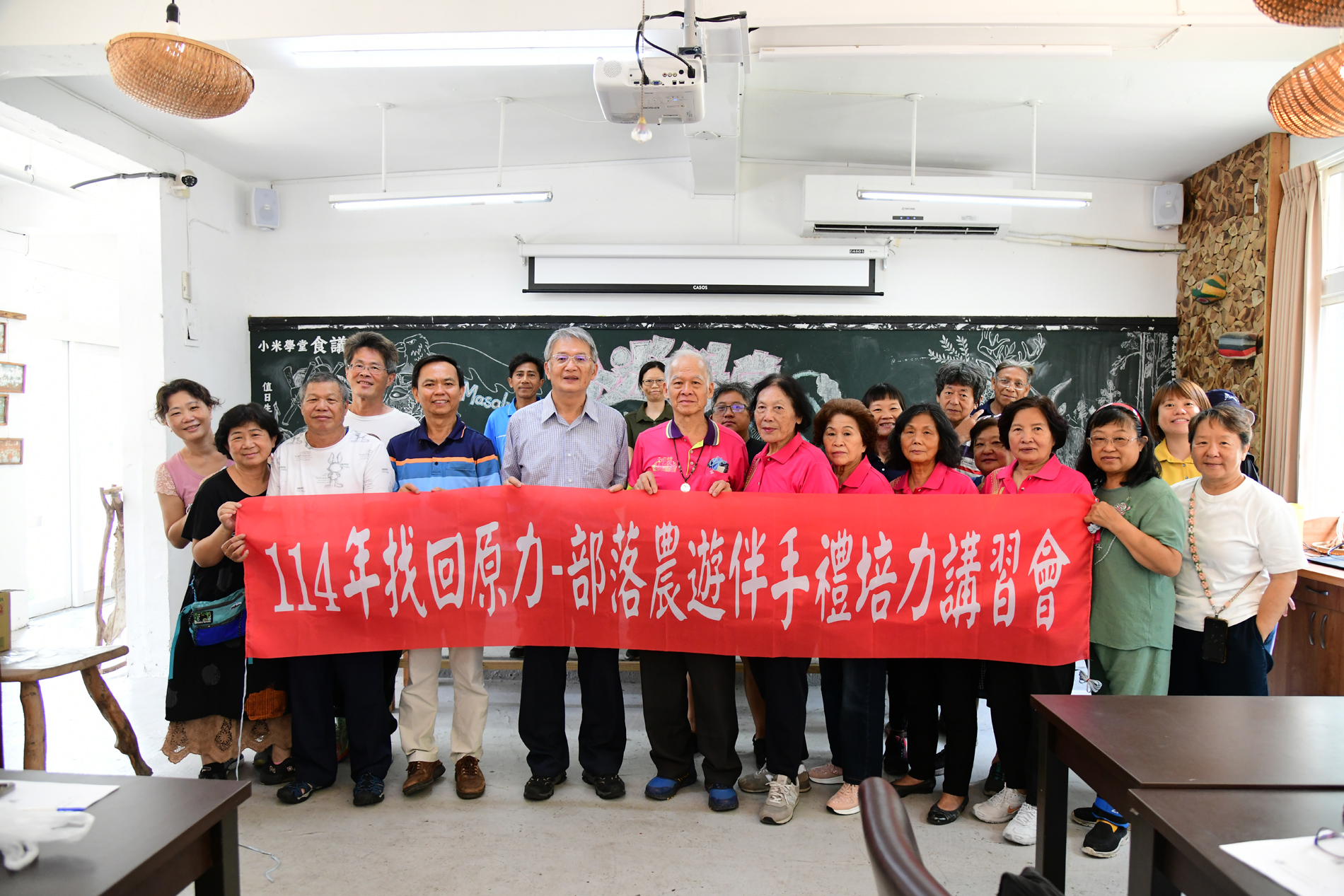
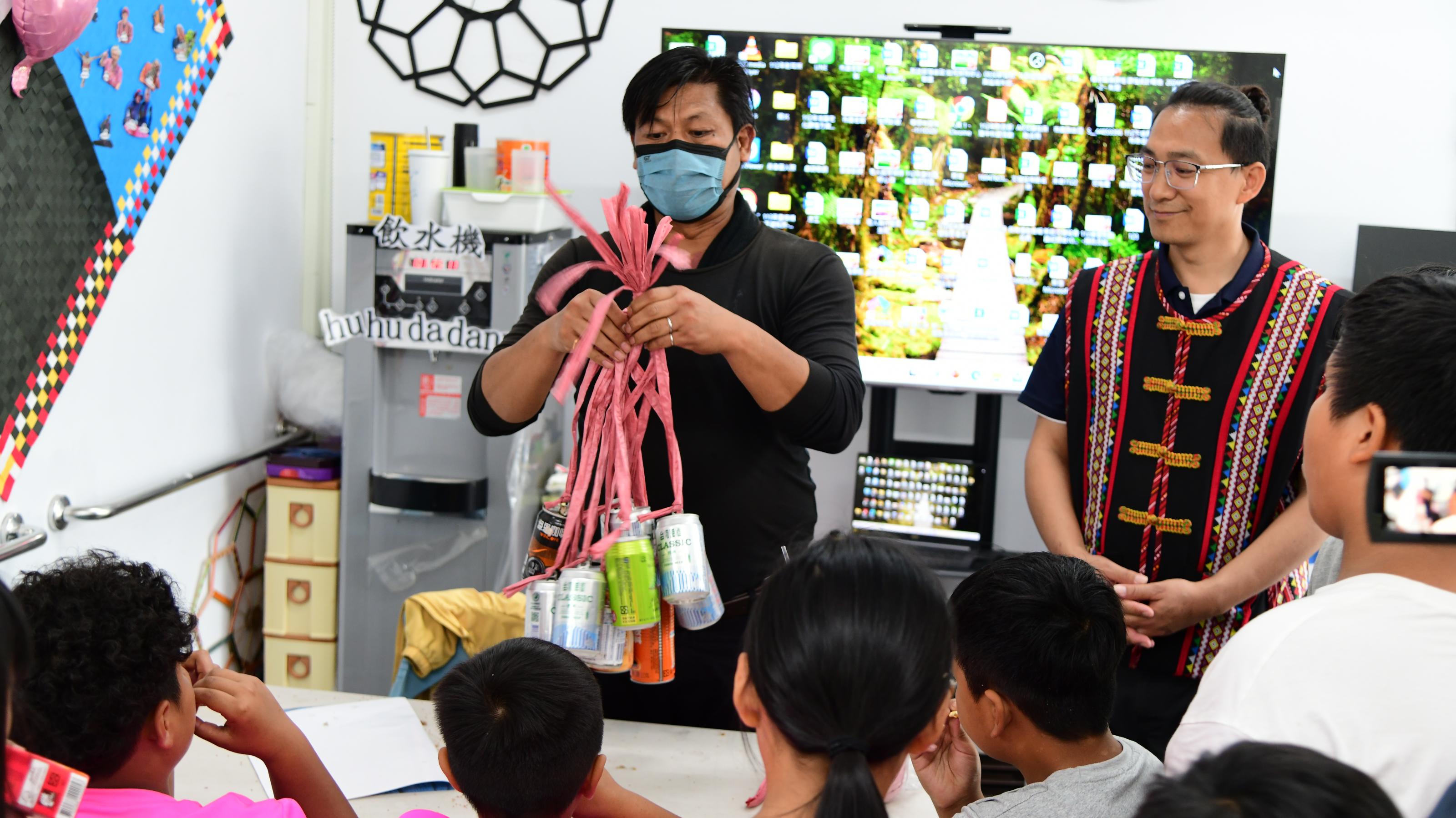
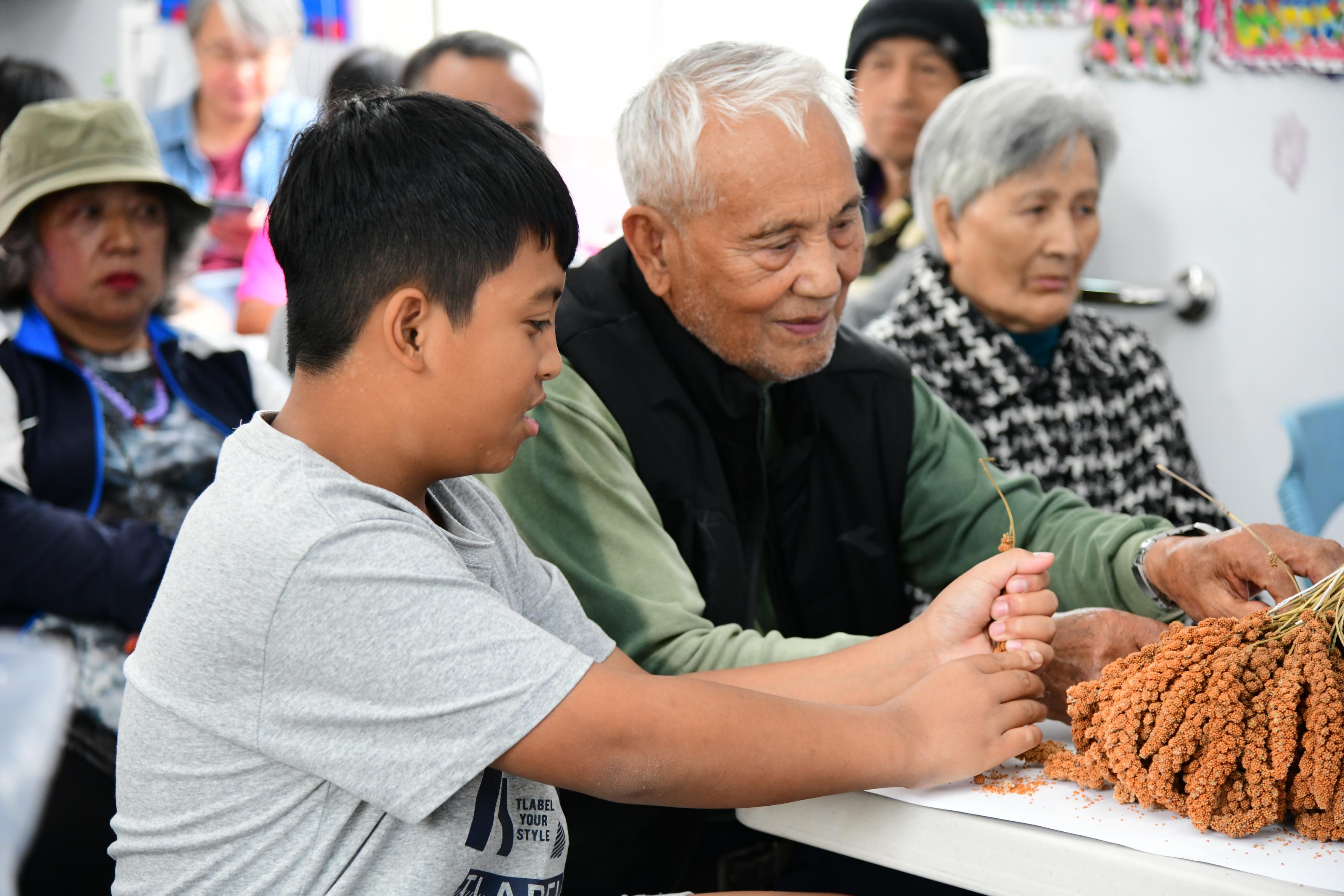
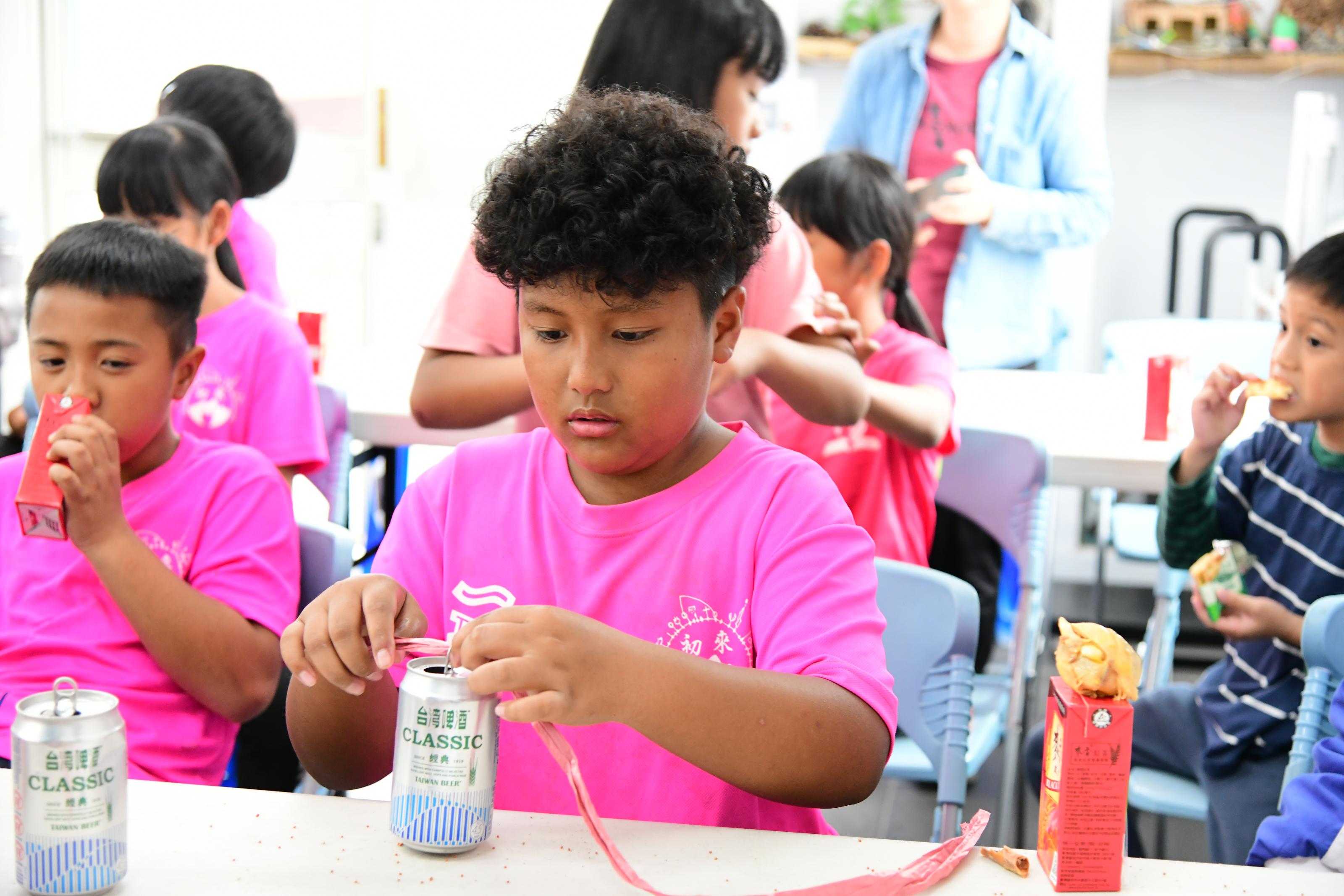
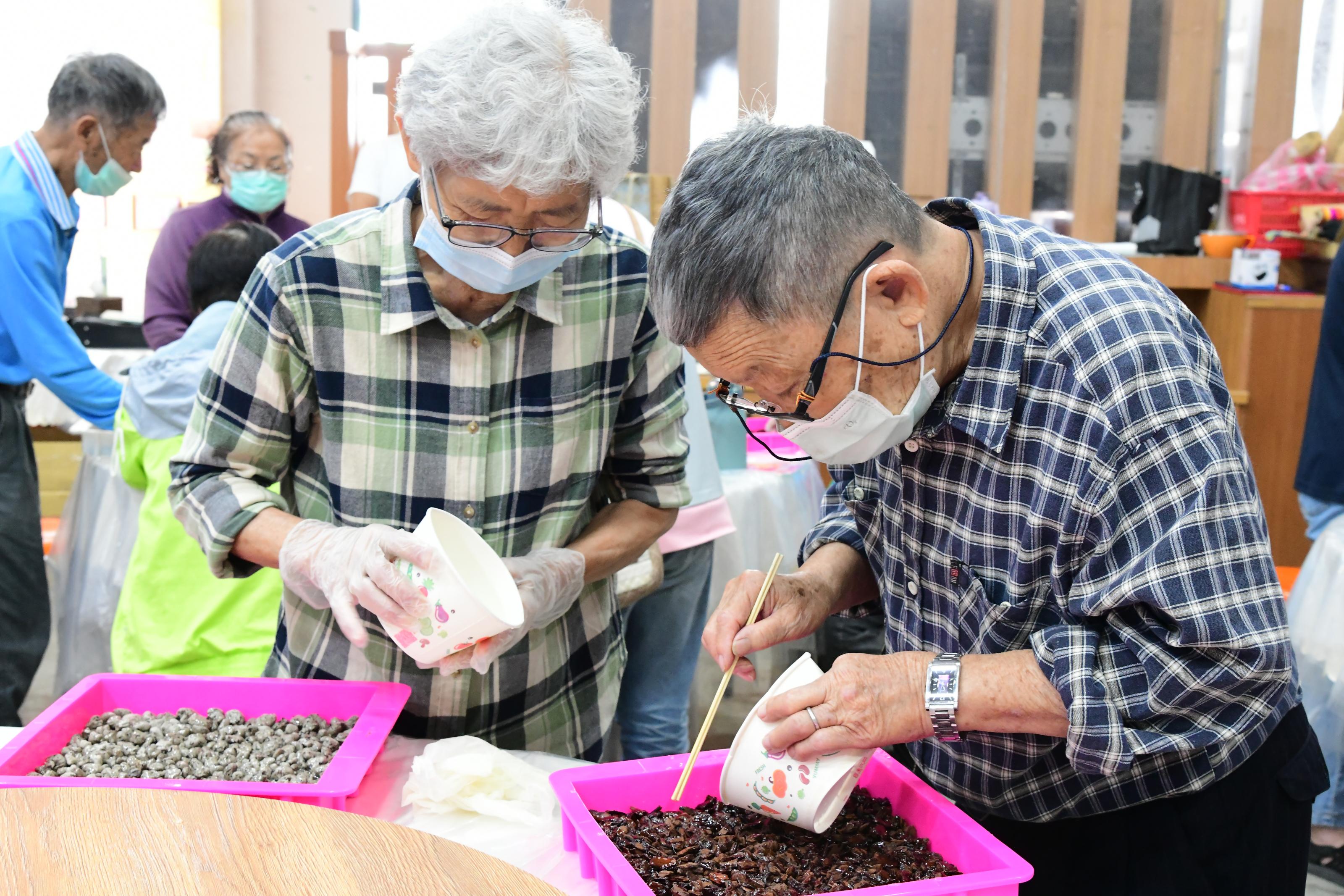
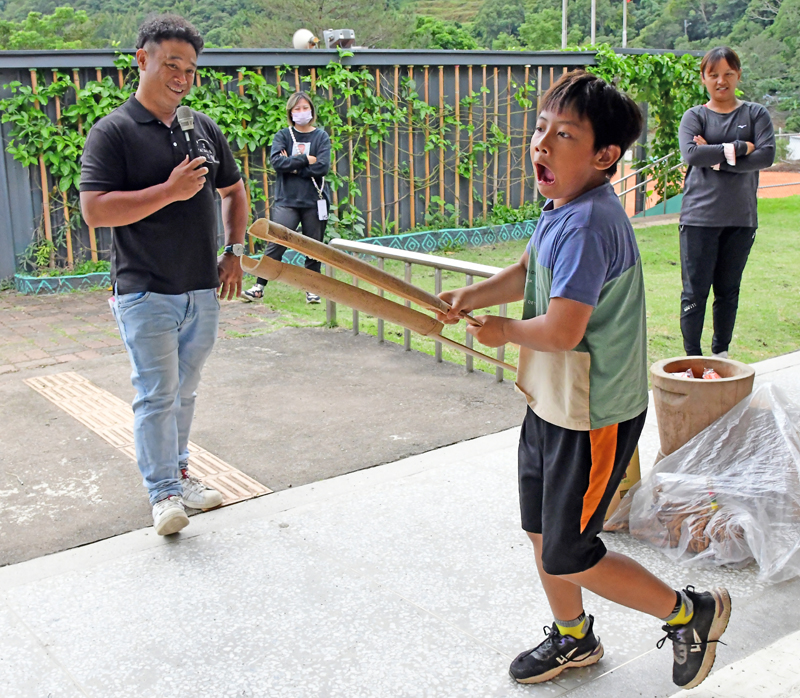
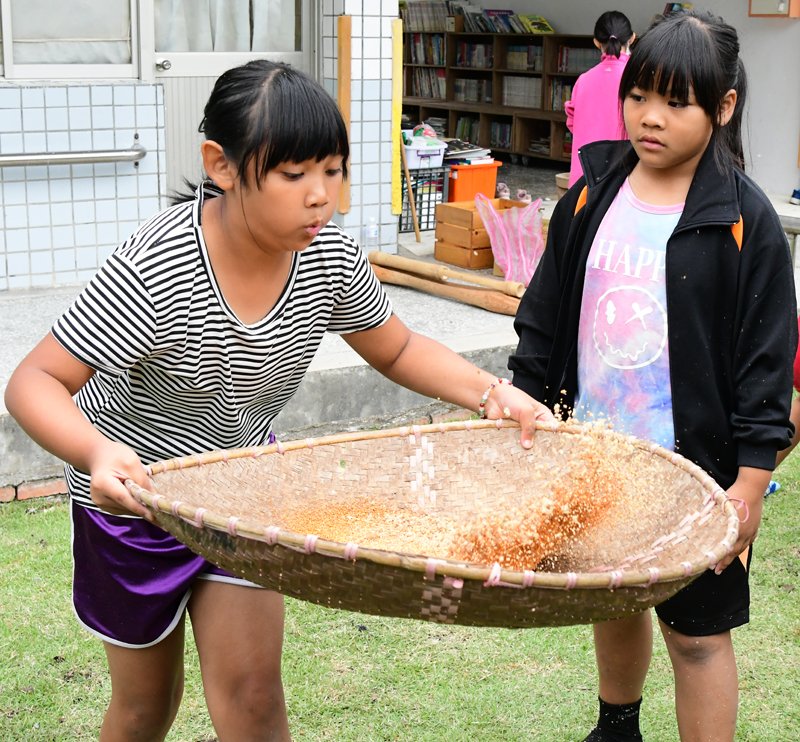
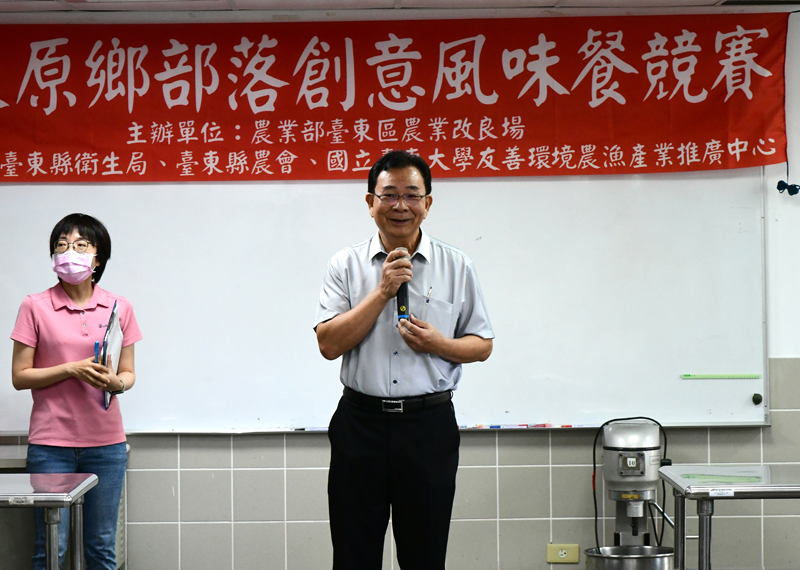
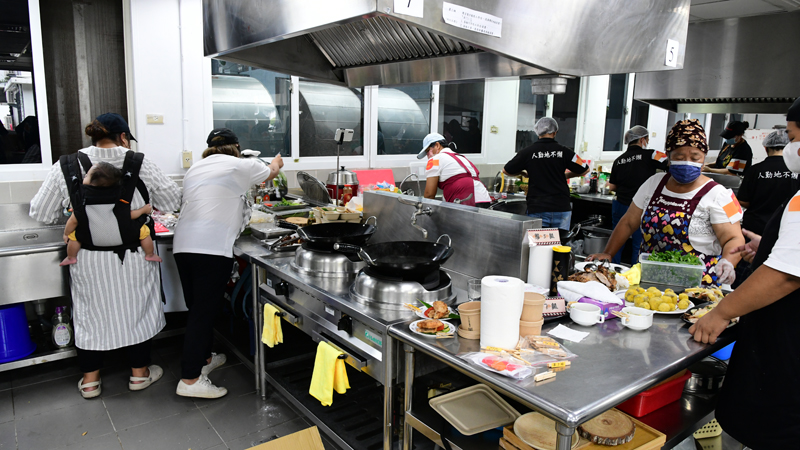
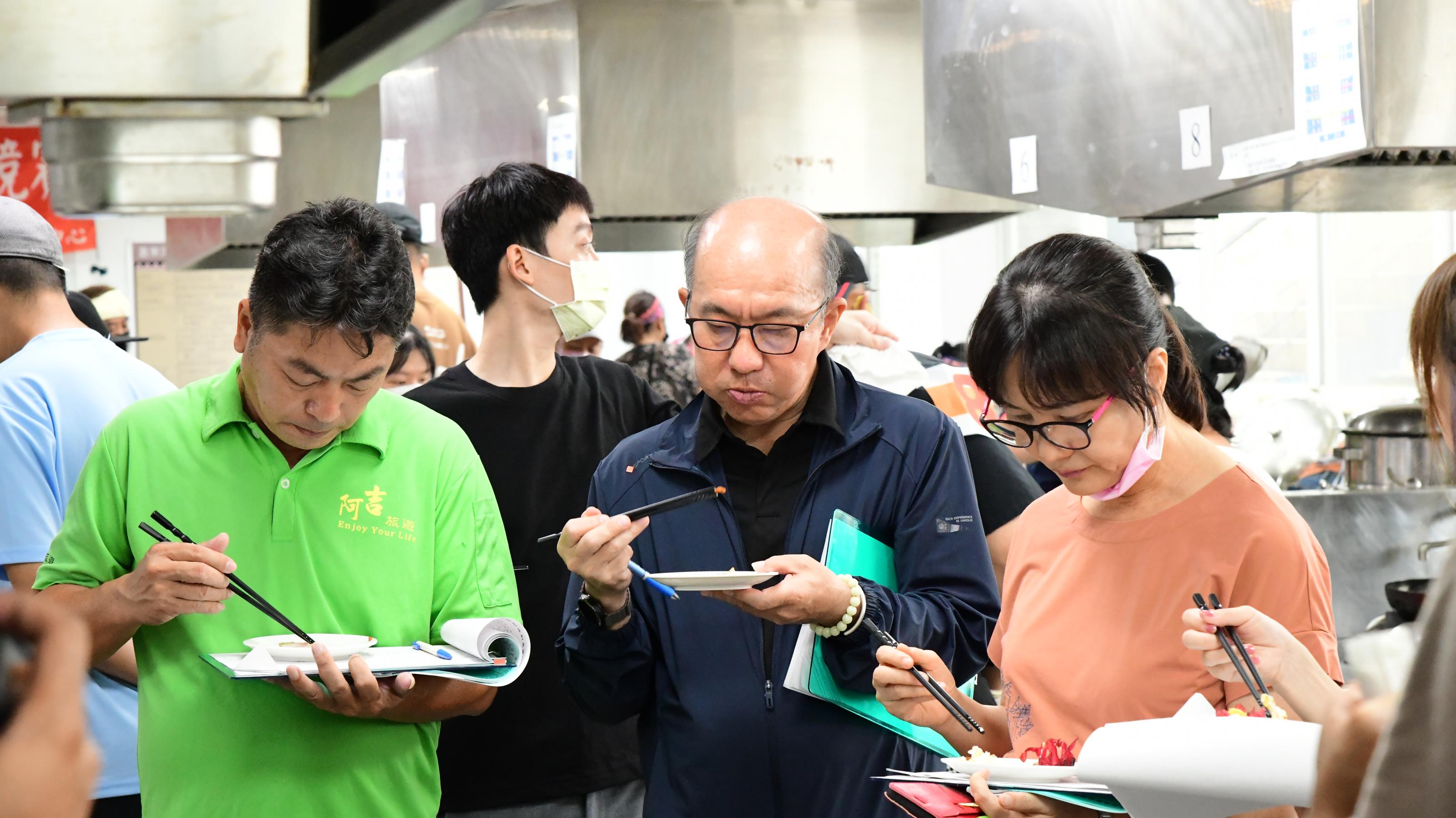
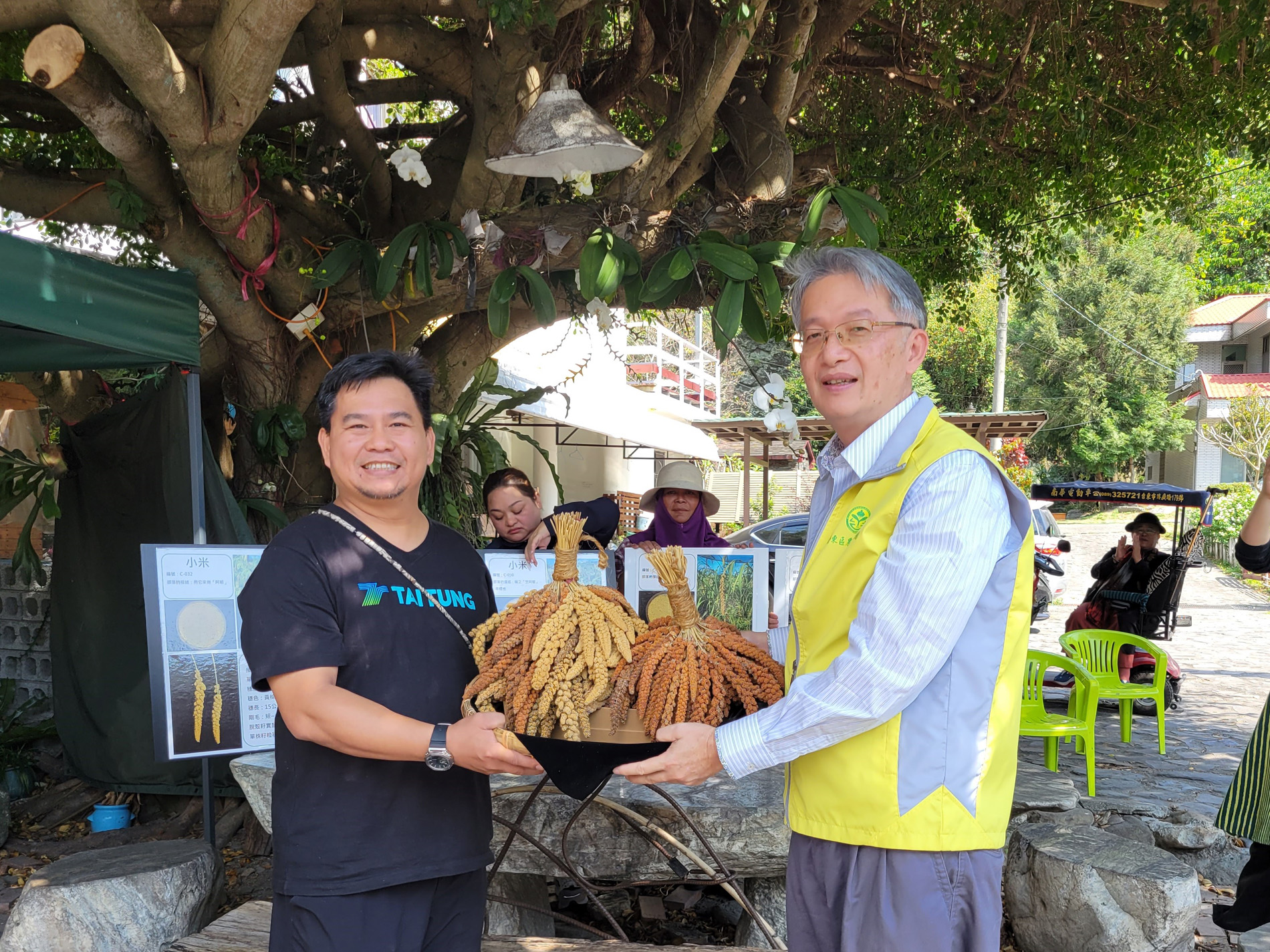
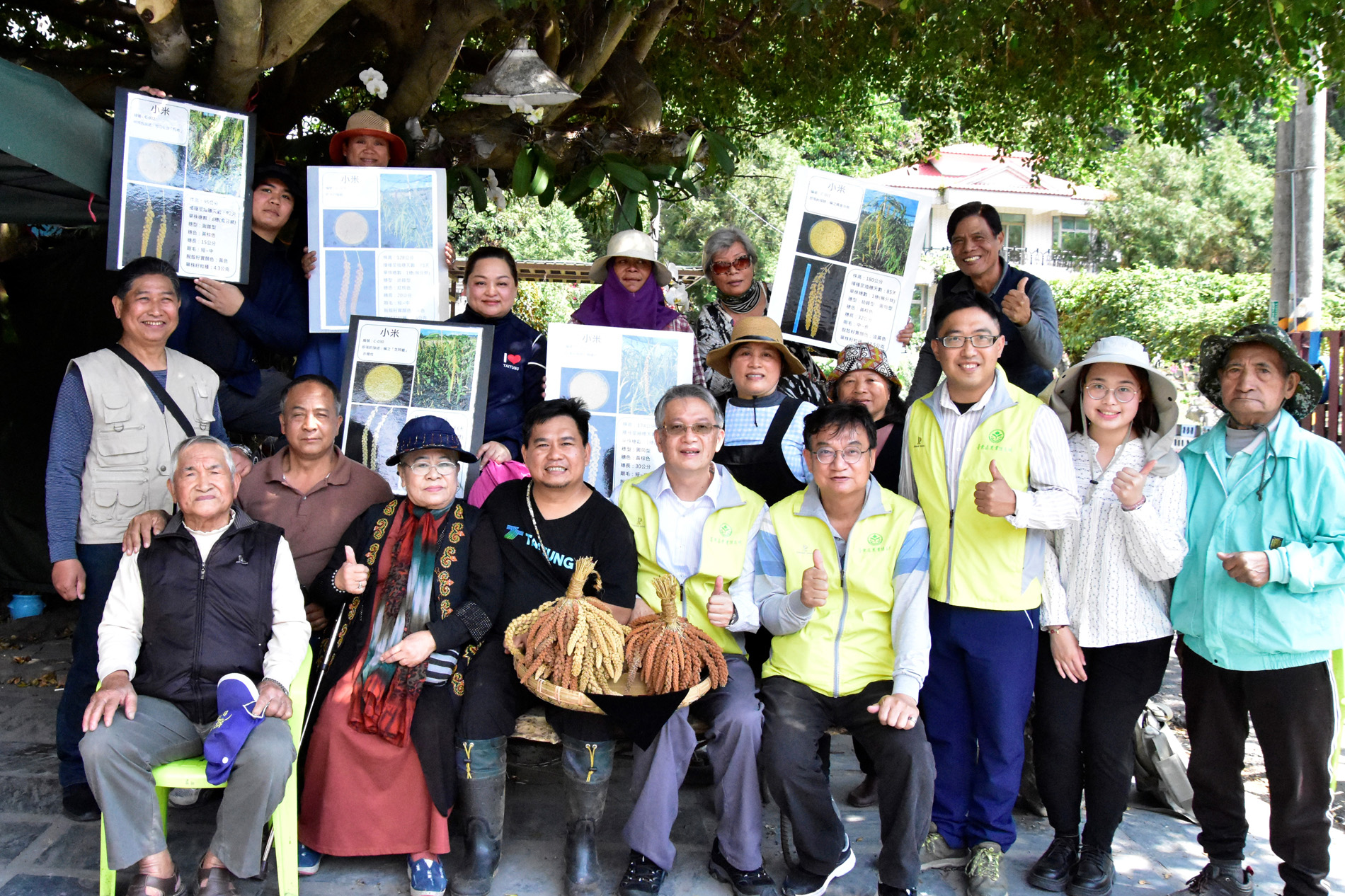
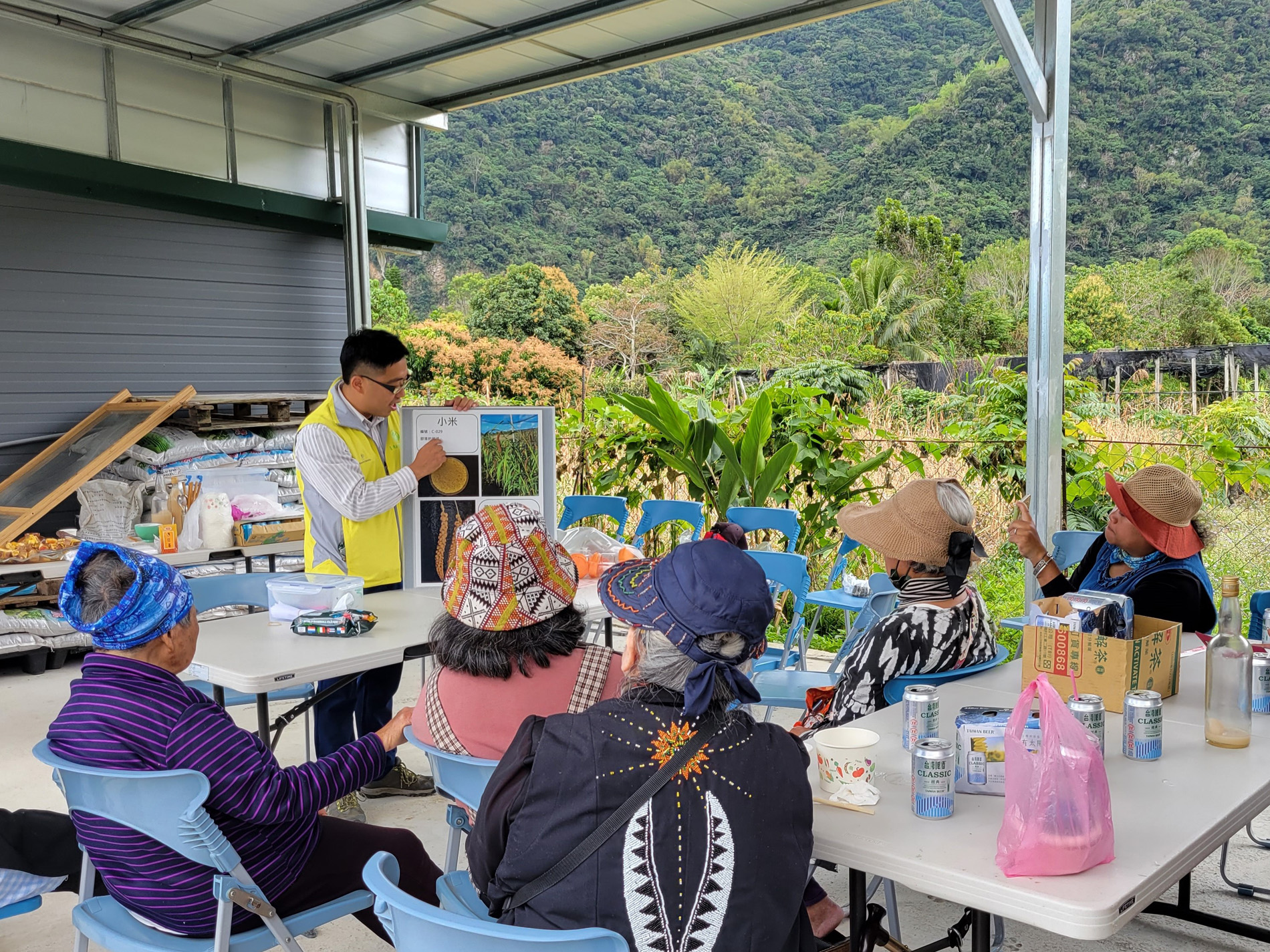
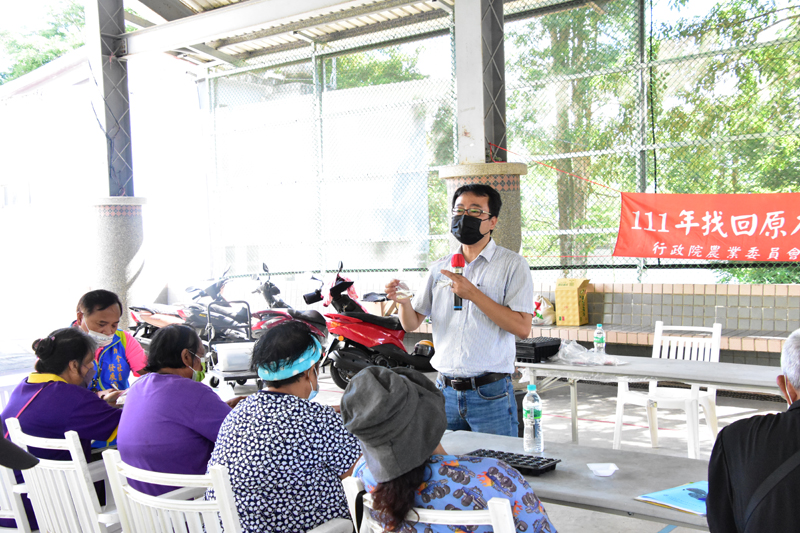
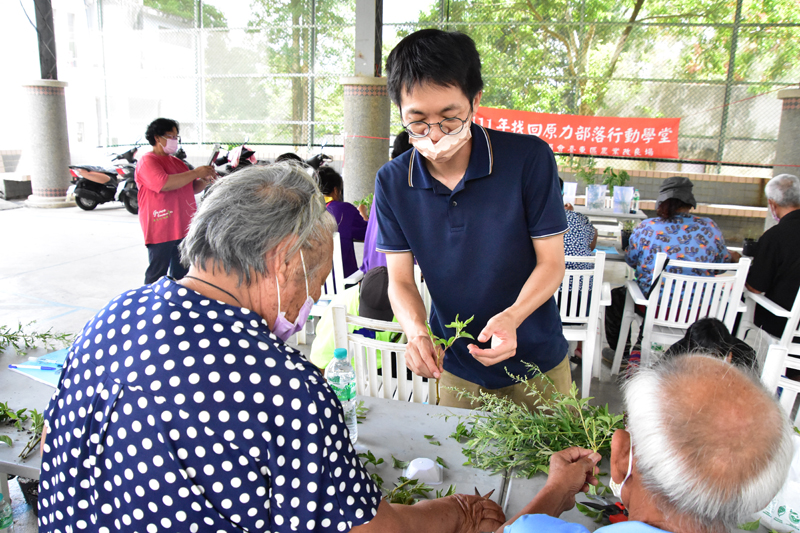
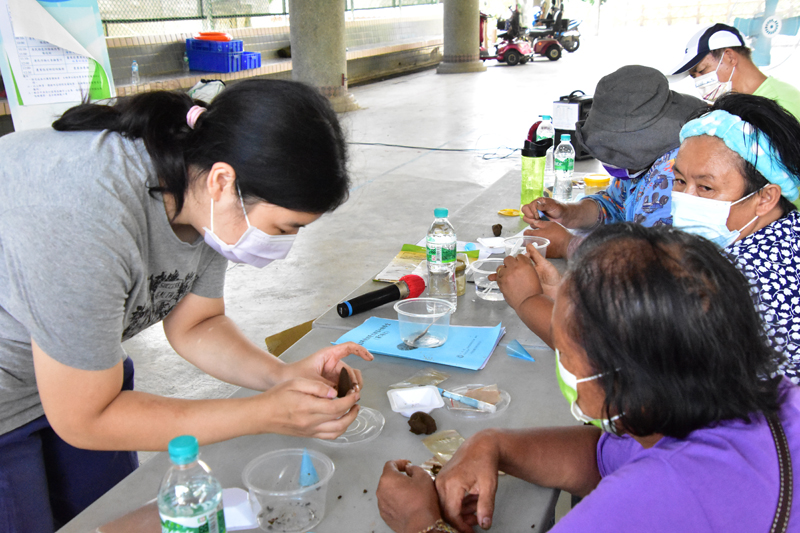
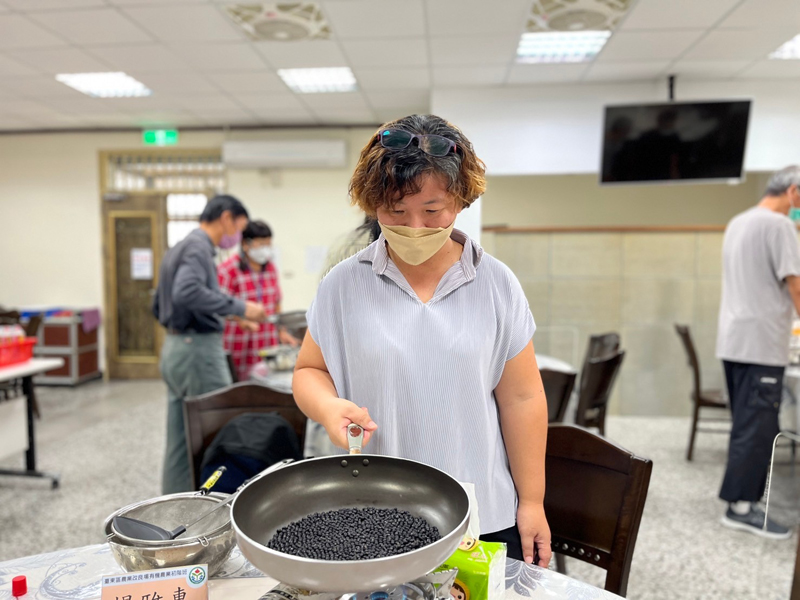
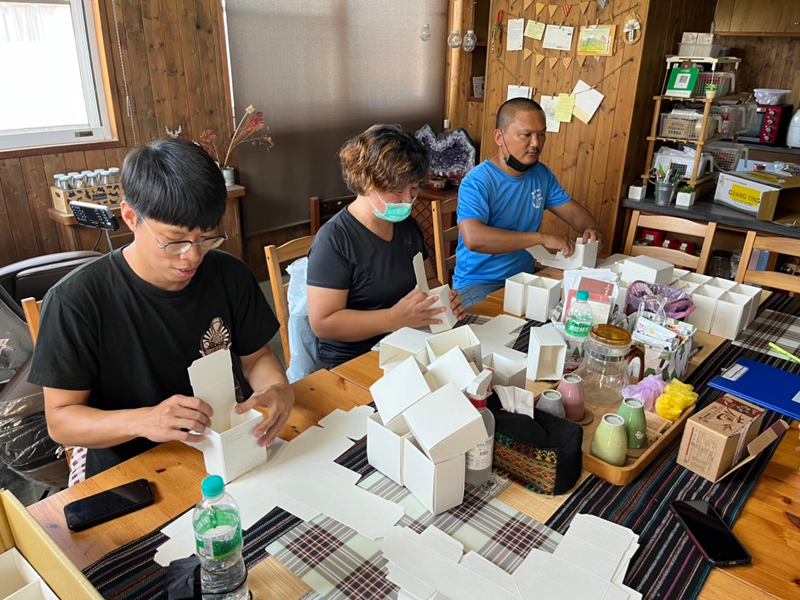
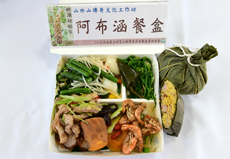
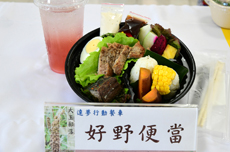
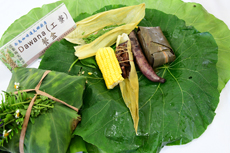
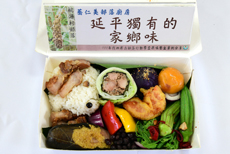
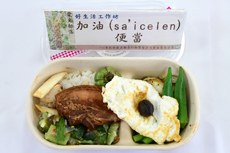
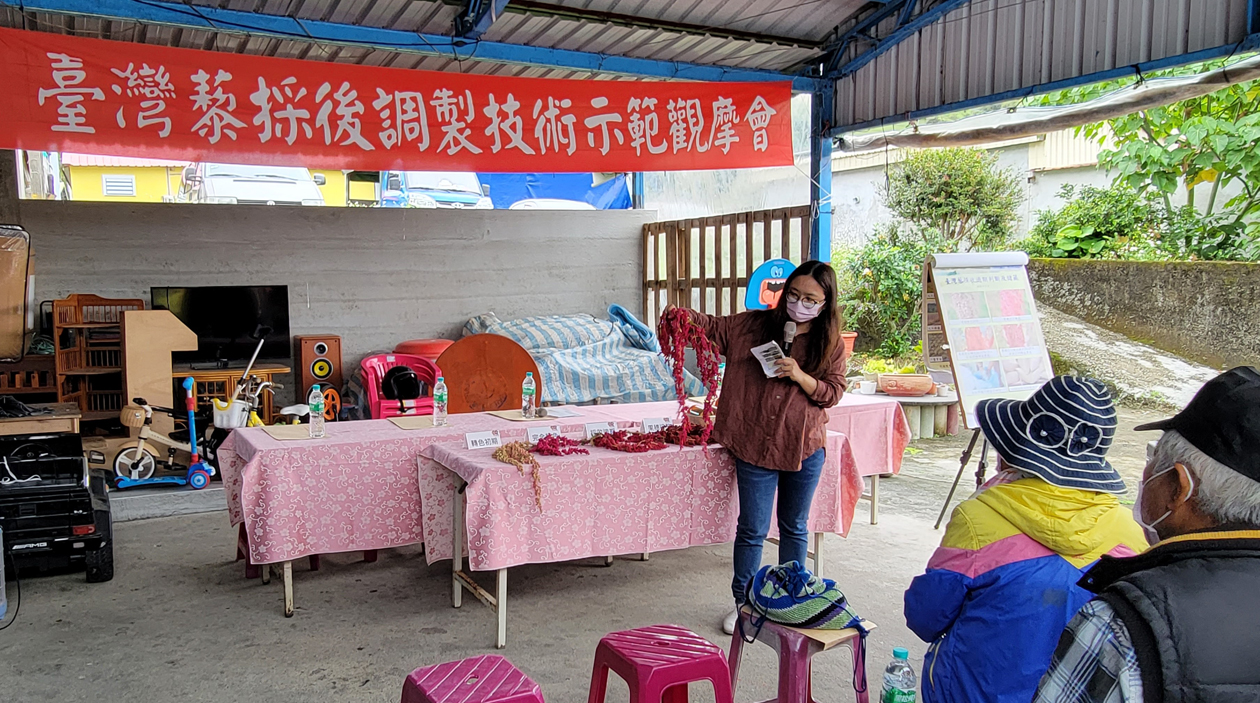
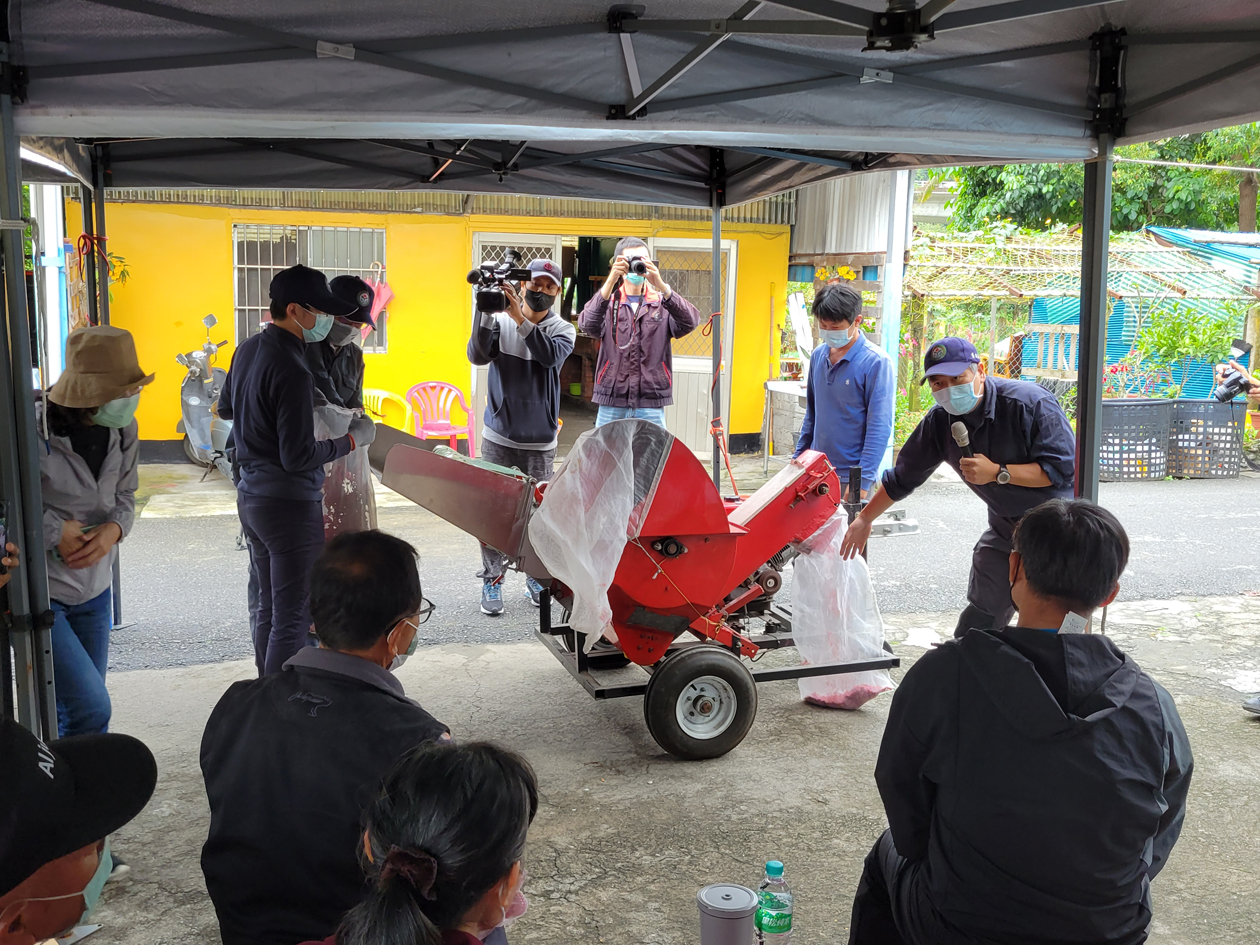
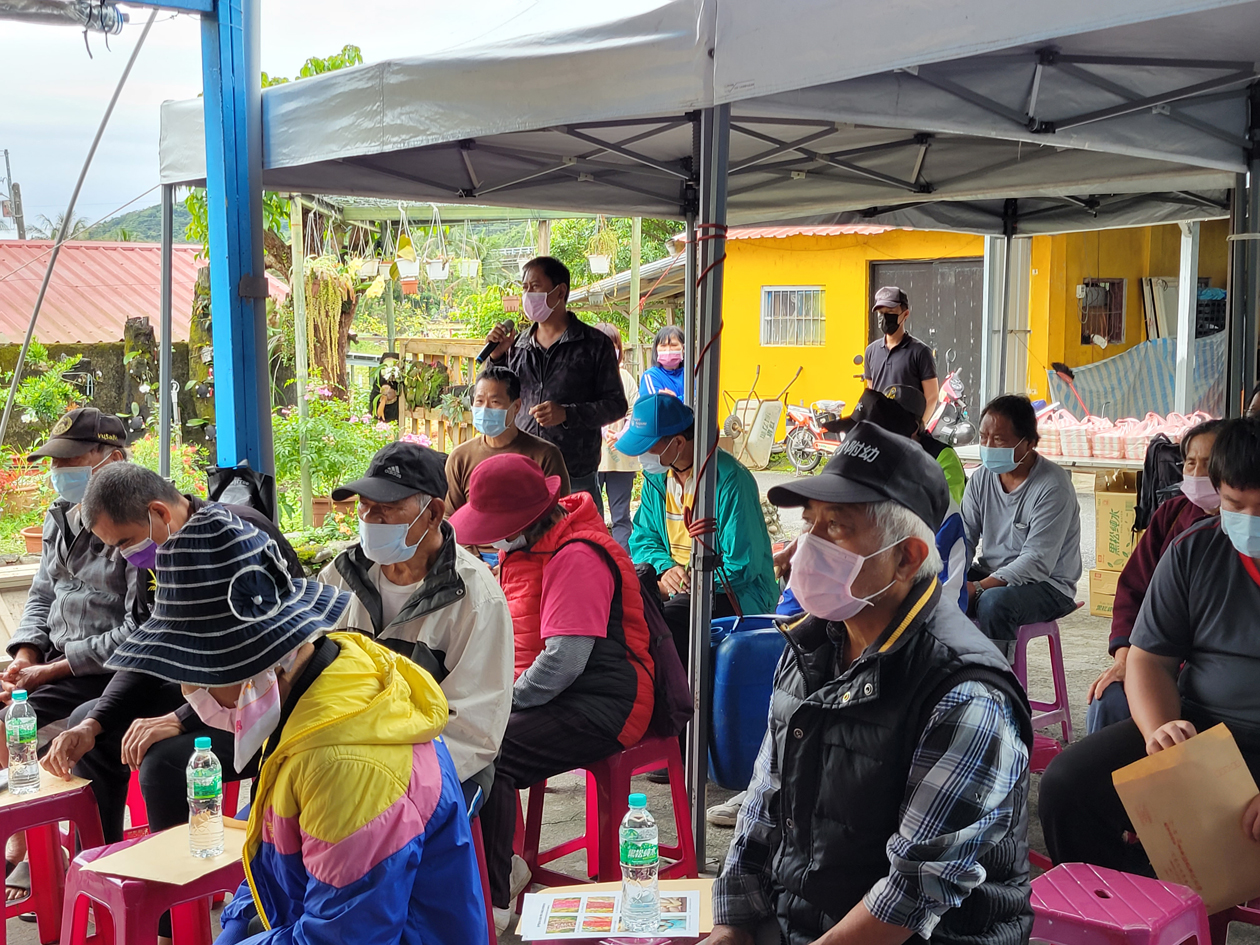
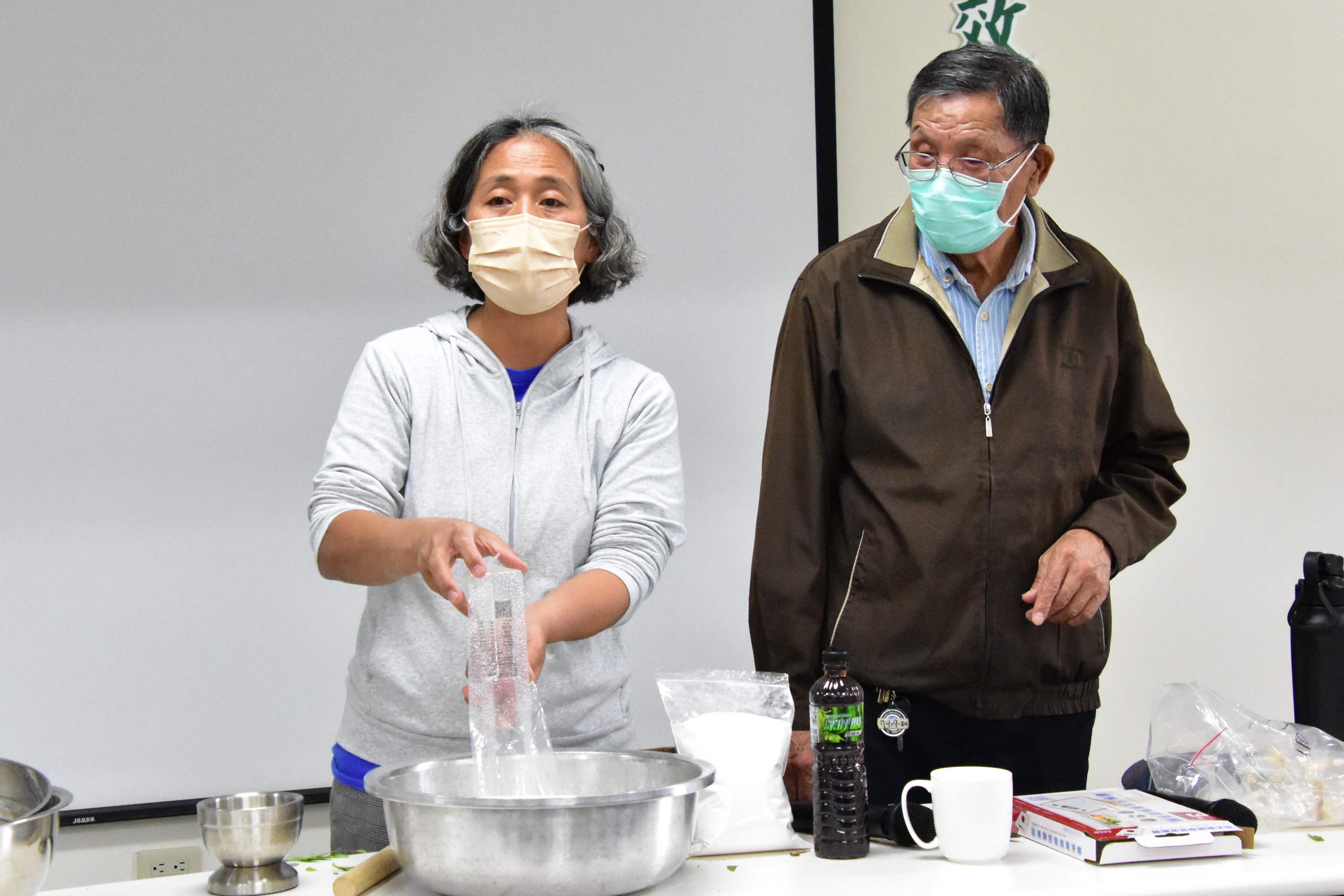
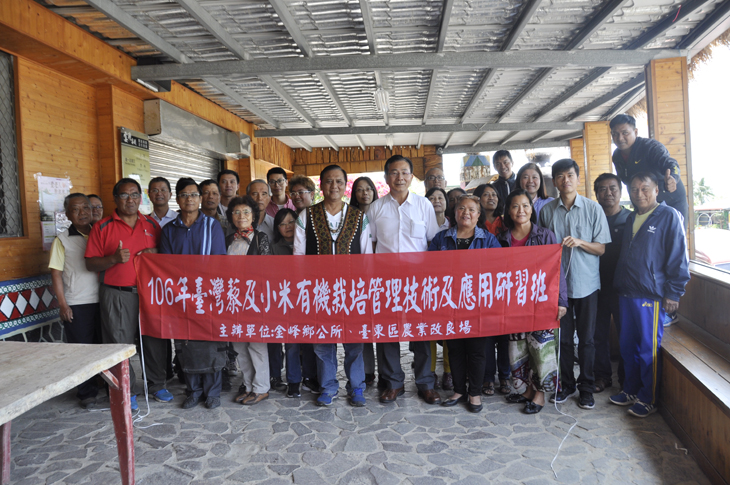
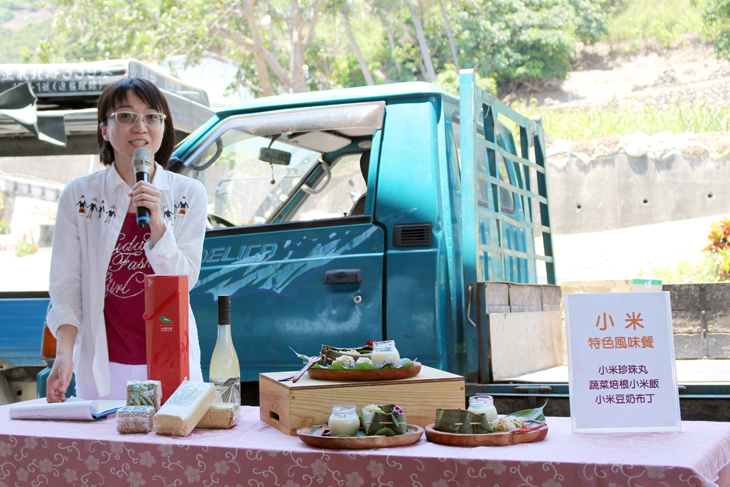
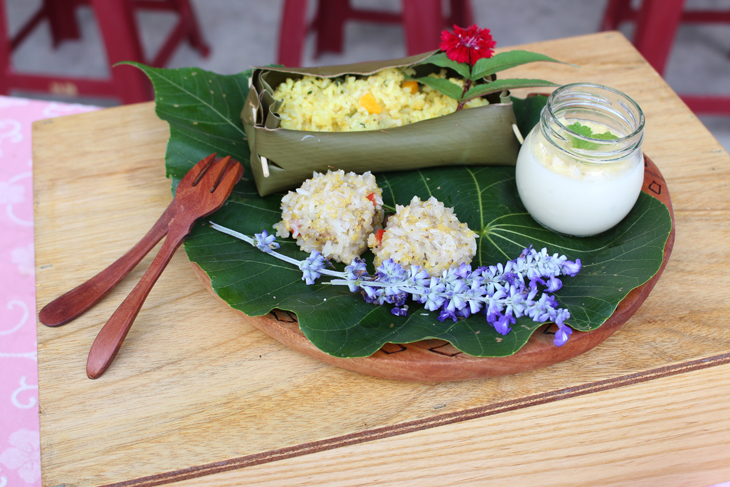
The Taitung District Agricultural Research and Extension Station (TTDARES) of the Ministry of Agriculture held the Indigenous Community Agrotourism Gift Creation Lecture on June 18, 2025, at the Millet Classroom in Jinfeng Township, which was attended by 20 local farmers and industrialists. With instruction on processing techniques and hands-on coursework, participants turned Indigenous people’s special crops into agrotourism gifts with market potential. TTDARES Deputy Director Lu Po-song stated that the special crops grown in Indigenous communities are diverse and unique, and if they can be made into gifts for the agrotourism industry, they will not only help promote Indigenous culture but also generate greater economic benefits.
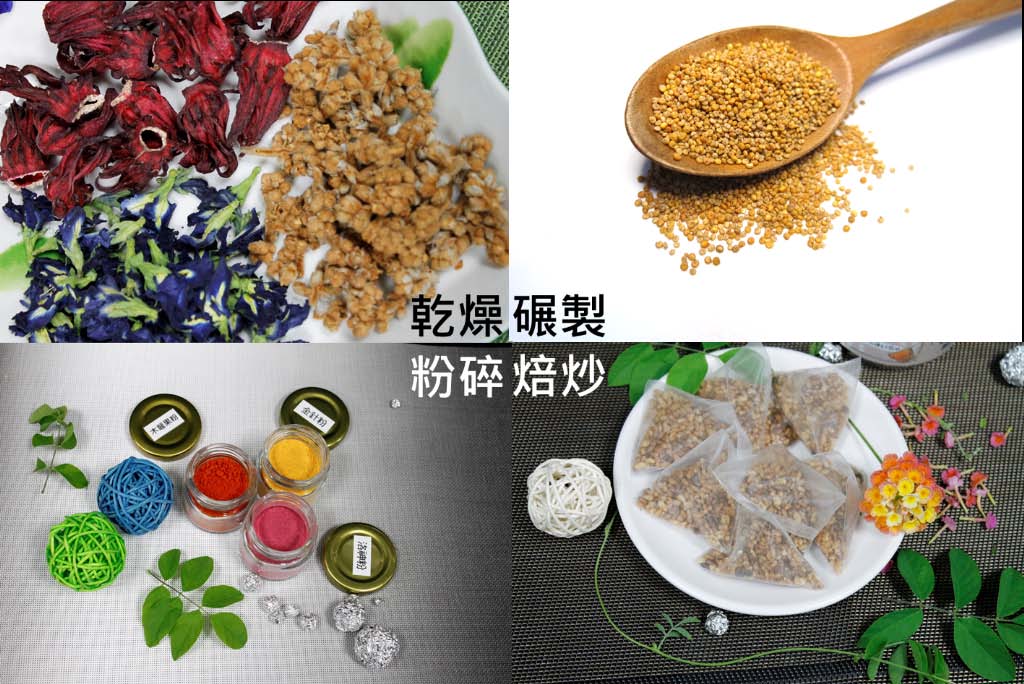
In the morning, TTDARES associate researcher Chen Ying-fang spoke about preliminary processing and packaging labeling, the techniques of drying and roasting, food labeling regulations, and Trial Production Center resources, helping participants become more familiar with processing and making their products marketable. After that, Guanshan Farmers’ Association Rice School Director Peng Yen-fang discussed how rice has been turned into Kuai Kuai snacks and how to work with other industries and brands to turn conventional rice into innovative agrotourism gifts.
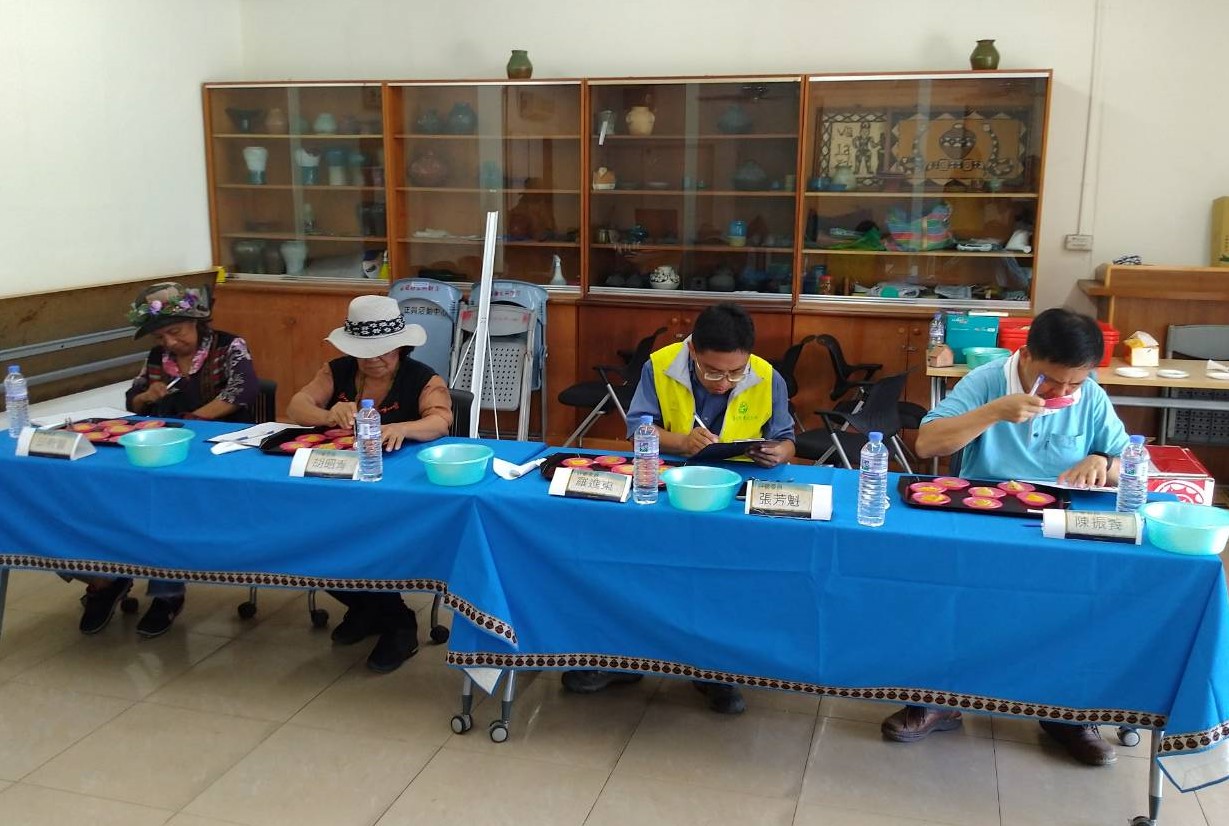
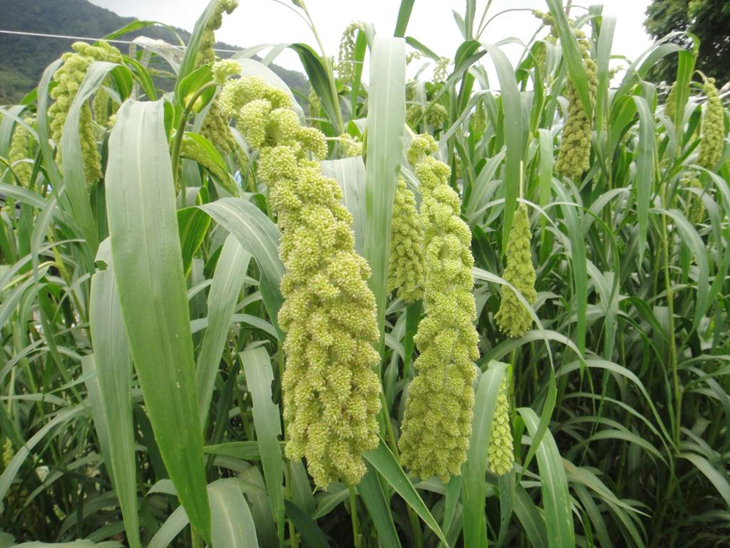
In the afternoon, Sauniyau, head of Sauniyau Bake Shop, led participants in making a type of millet cookie, incorporating an Indigenous people’s crop into a modern snack and boosting the capacity of participants to link their development of new products to culture. The TTDARES stated that it will continue to promote agricultural innovation and add value to culture while helping Indigenous communities achieve sustainable development in the agrotourism industry.

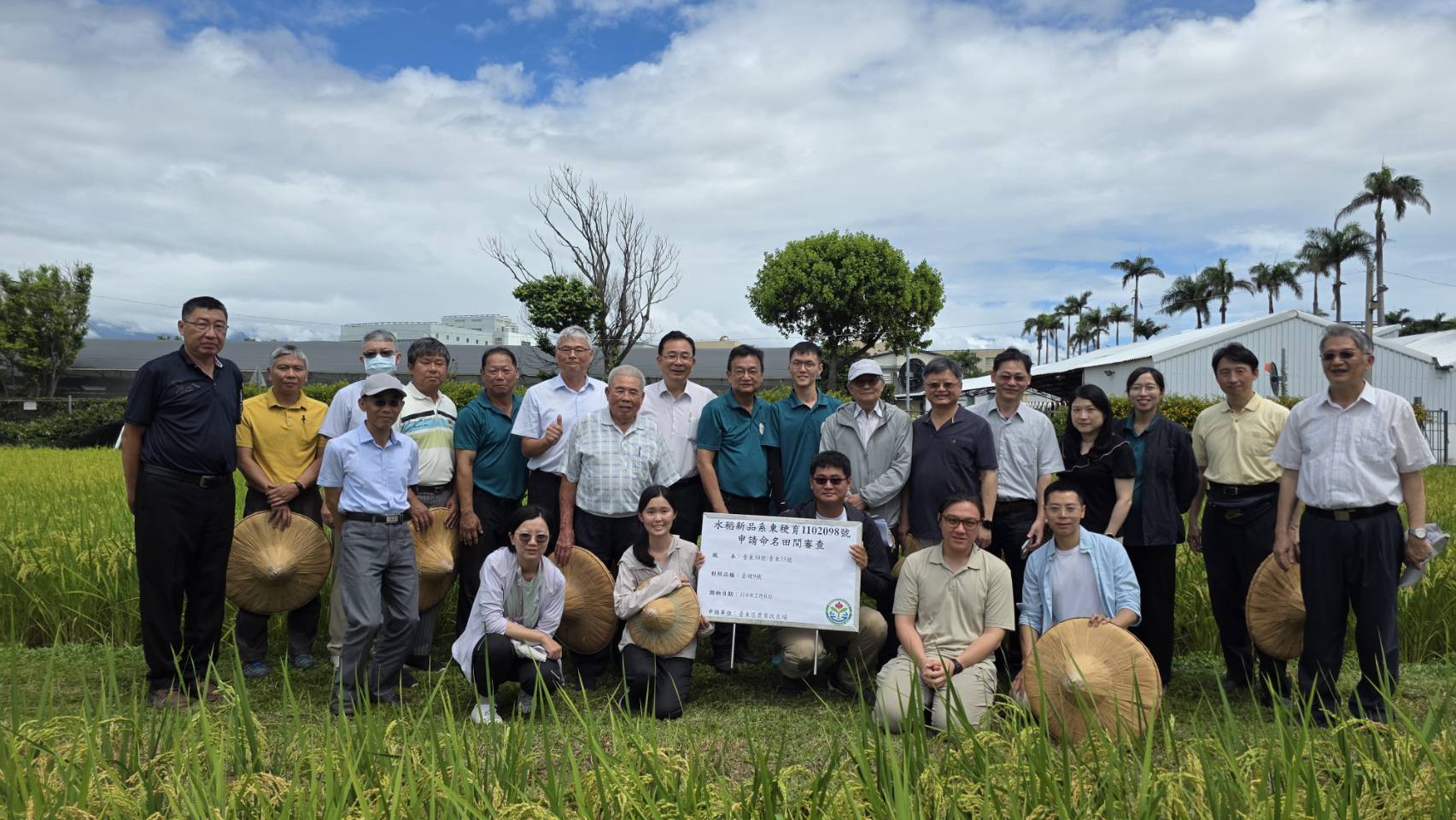
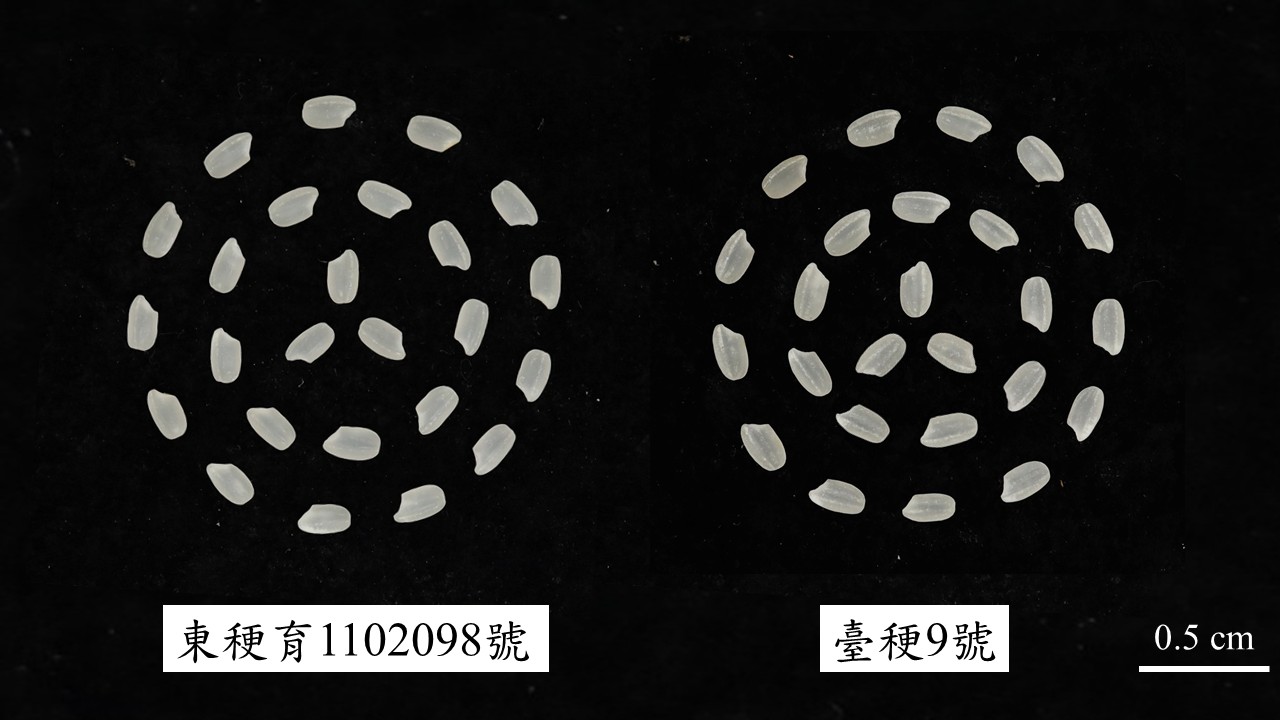
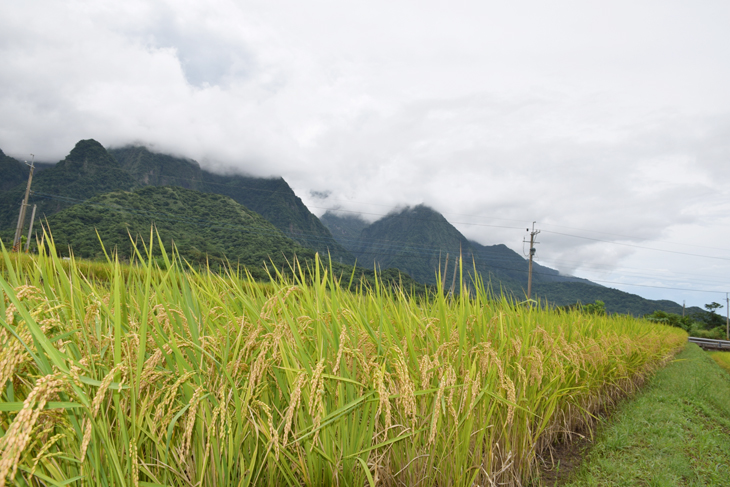
After seven years of dedicated breeding, the Taitung District Agricultural Research and Extension Station (TTDARES) has successfully developed a new rice variety with popcorn-like aroma, excellent grain quality, and strong resistance to rice blast and lodging. The new variety was unanimously approved for naming as "Taitung 36" by a rice variety naming committee on June 10, 2025.
The committee was chaired by Chih-Wen Wu, the deputy director of the Kaohsiung District Agricultural Research and Extension Station, included experts from academia, government, and research institutes. The review included field inspections, a presentation of breeding history and variety traits, and evaluations of grain characteristics and taste. The panel praised the variety’s ideal plant type, disease resistance, lodging resistance, stable yield, and good eating quality.
"Taitung 36" originated from a 2018 cross between Taitung 30 and Taitung 35. Selected in the fifth generation, it passed performance, regional, and quality trials. A mid-late maturity variety, it yielded 5,256 kg/ha in the first crop season and 3,686 kg/ha in the second, comparable to Taiken 9. It also shows cold tolerance at the seedling stage, resistance to rice blast and brown planthopper, and high appearance quality with A-B grade eating quality.
With consumer preference shifting toward premium rice, aromatic varieties are gaining popularity. Currently, fragrant rice covers about 11,000 hectares in Taiwan, or 5.5% of total rice area. Given its excellent quality and resilience under changing climate conditions, “Taitung 36” is expected to be well-received by both consumers and contract farming groups, contributing to the competitiveness and sustainability of Taiwan's rice industry.

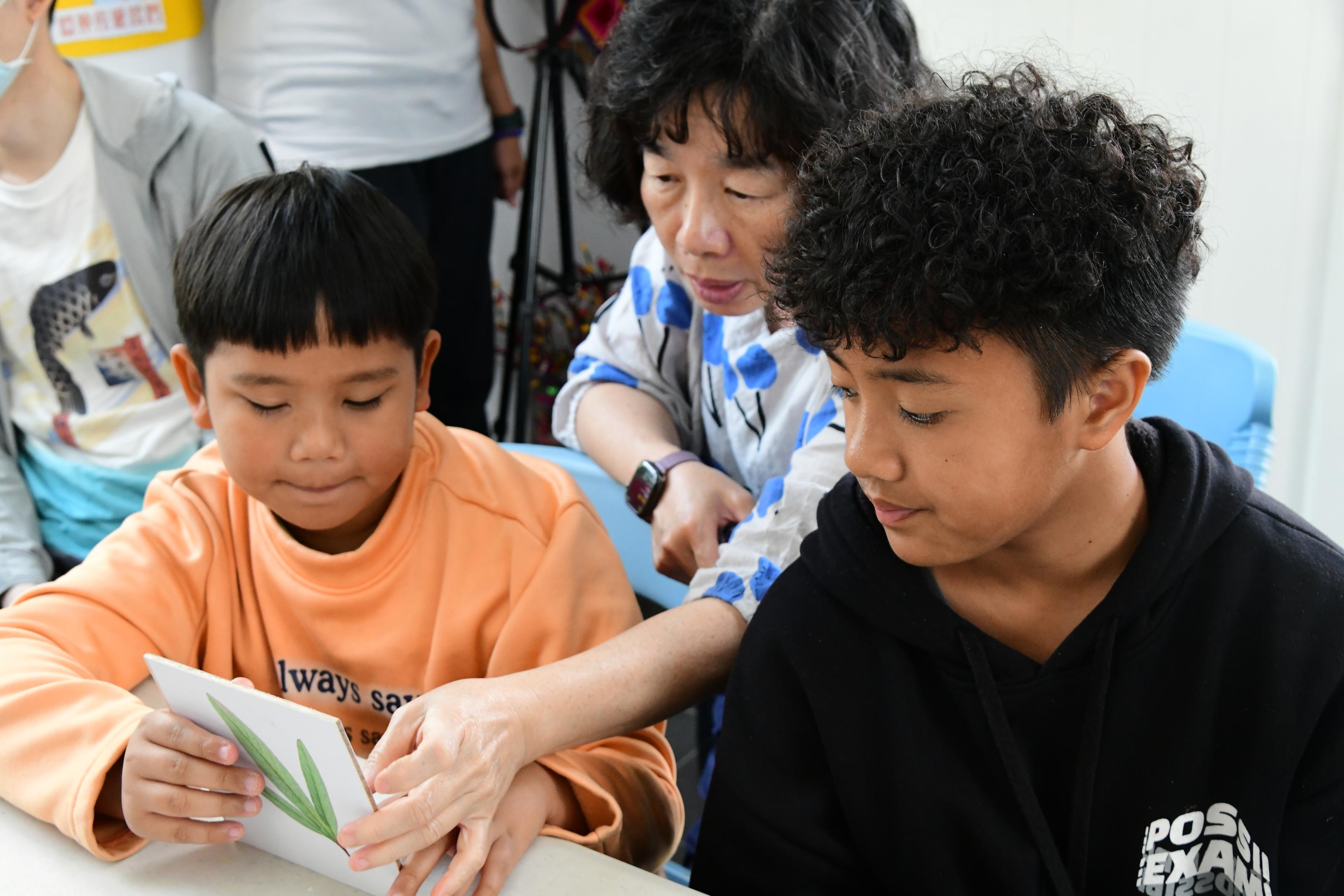
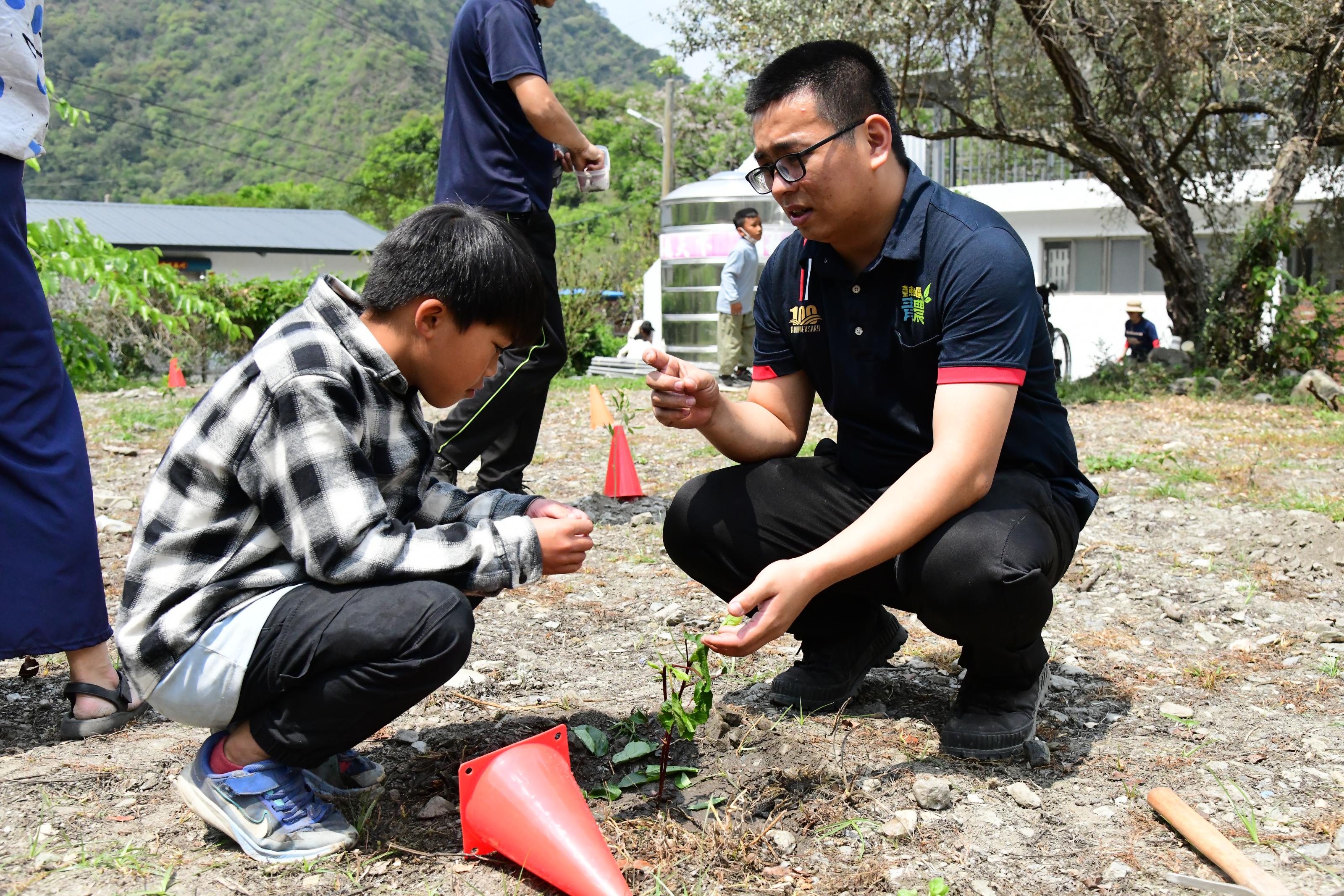
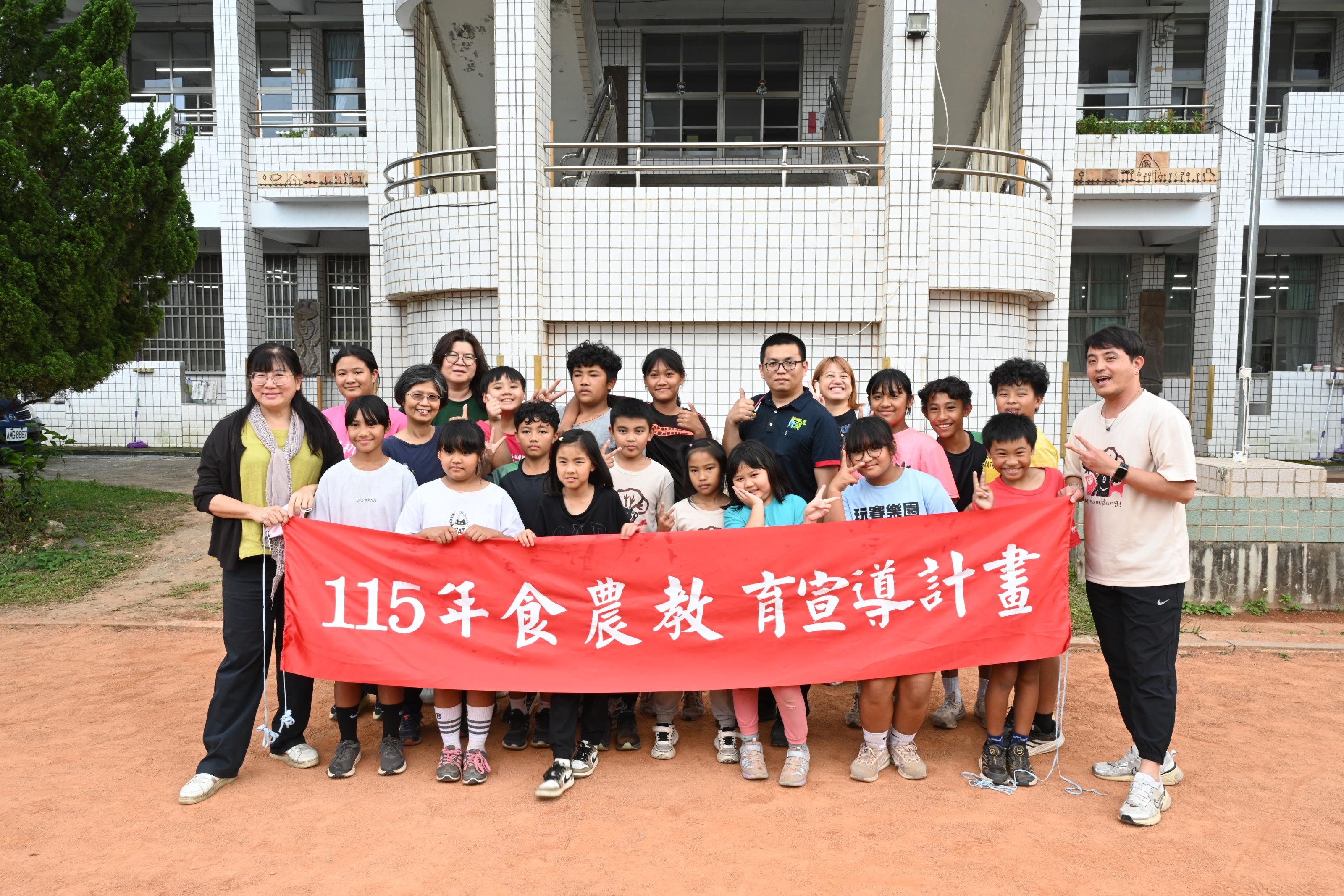
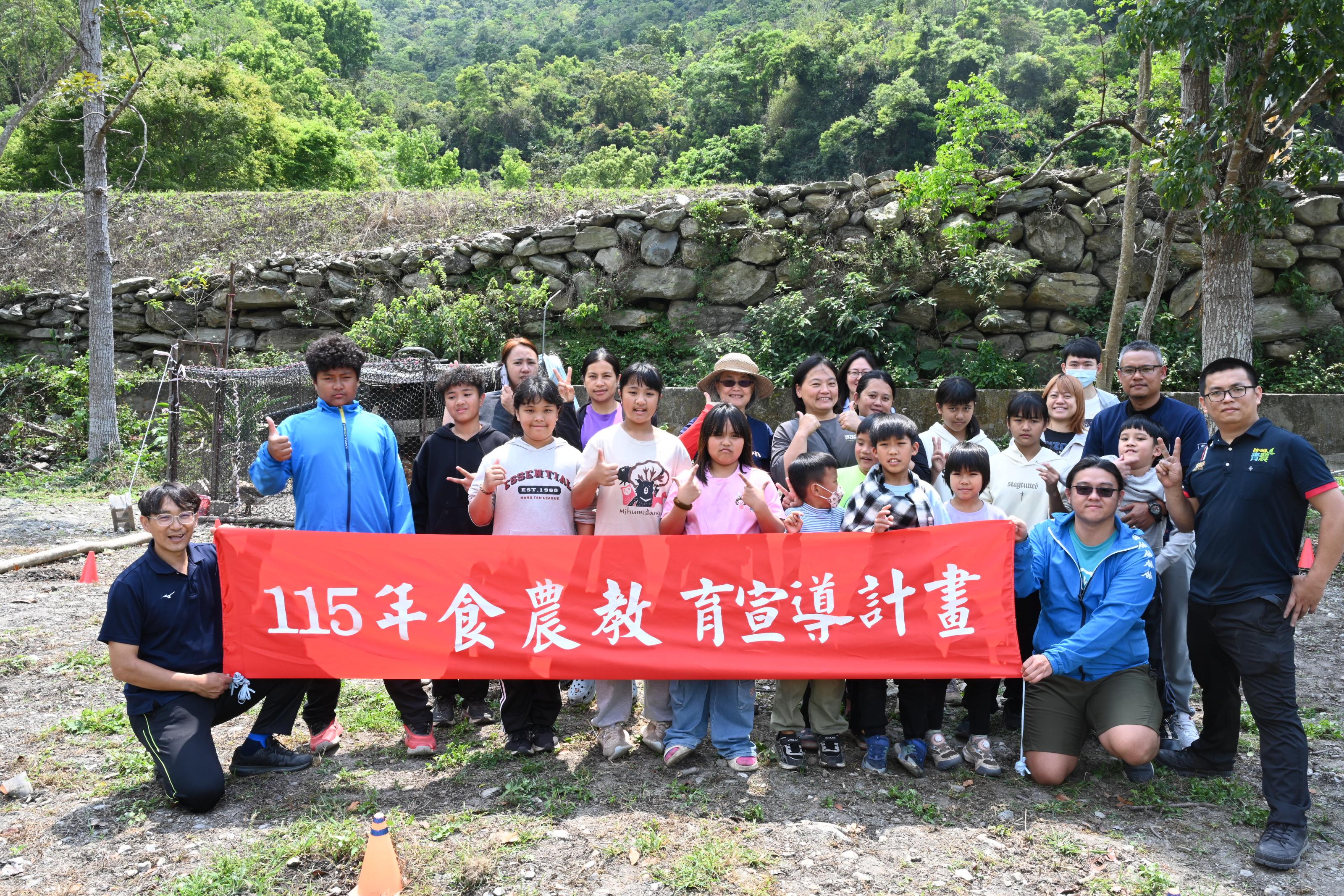
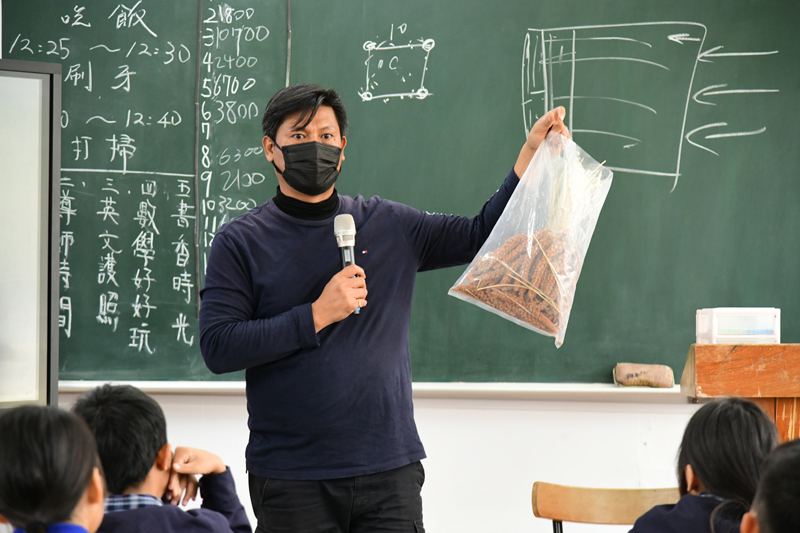
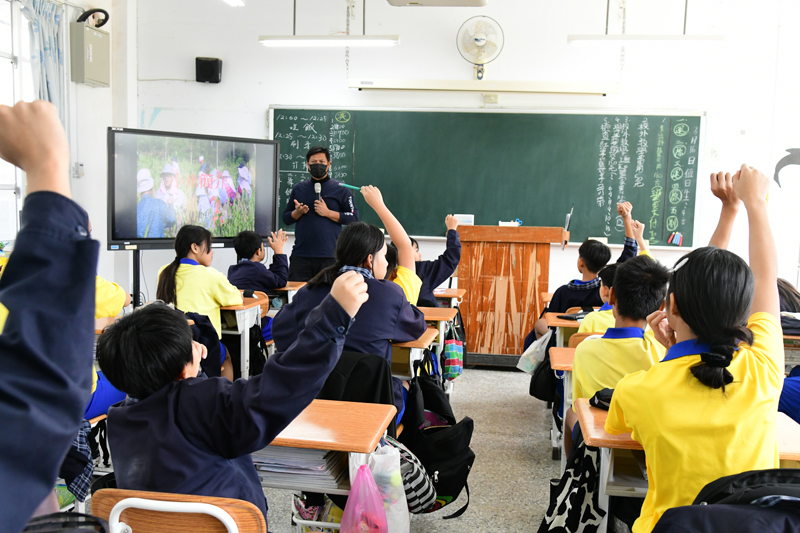
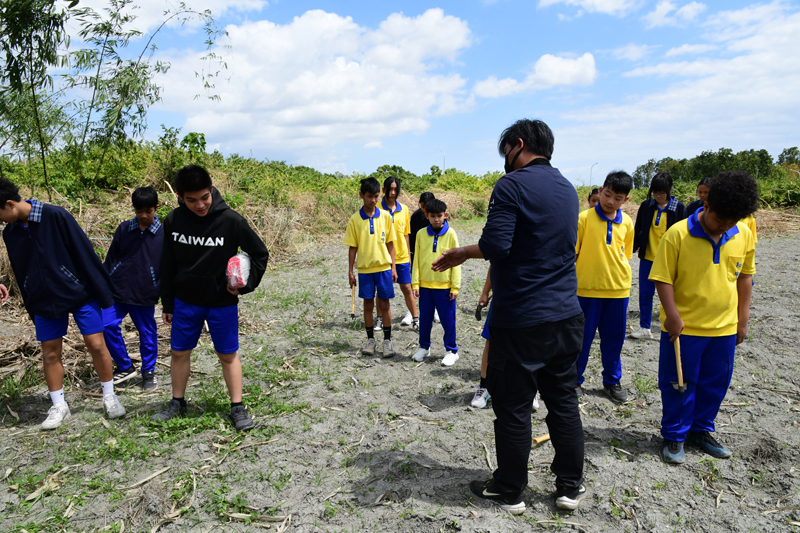
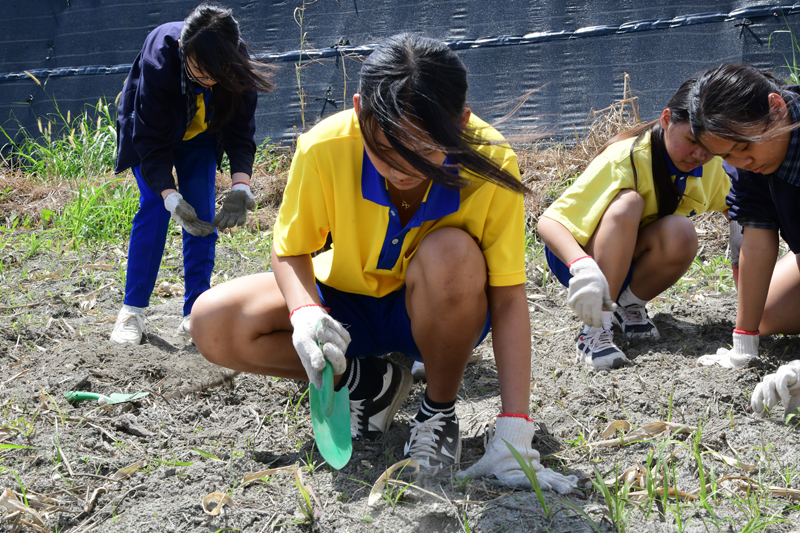
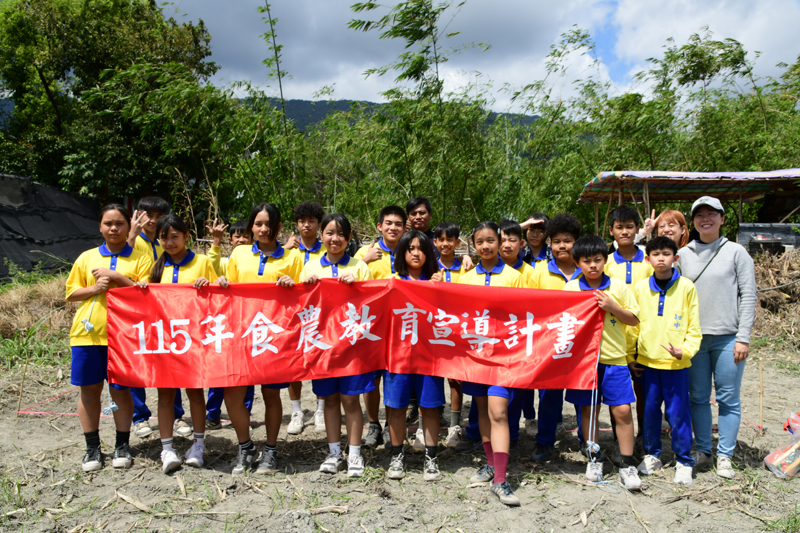
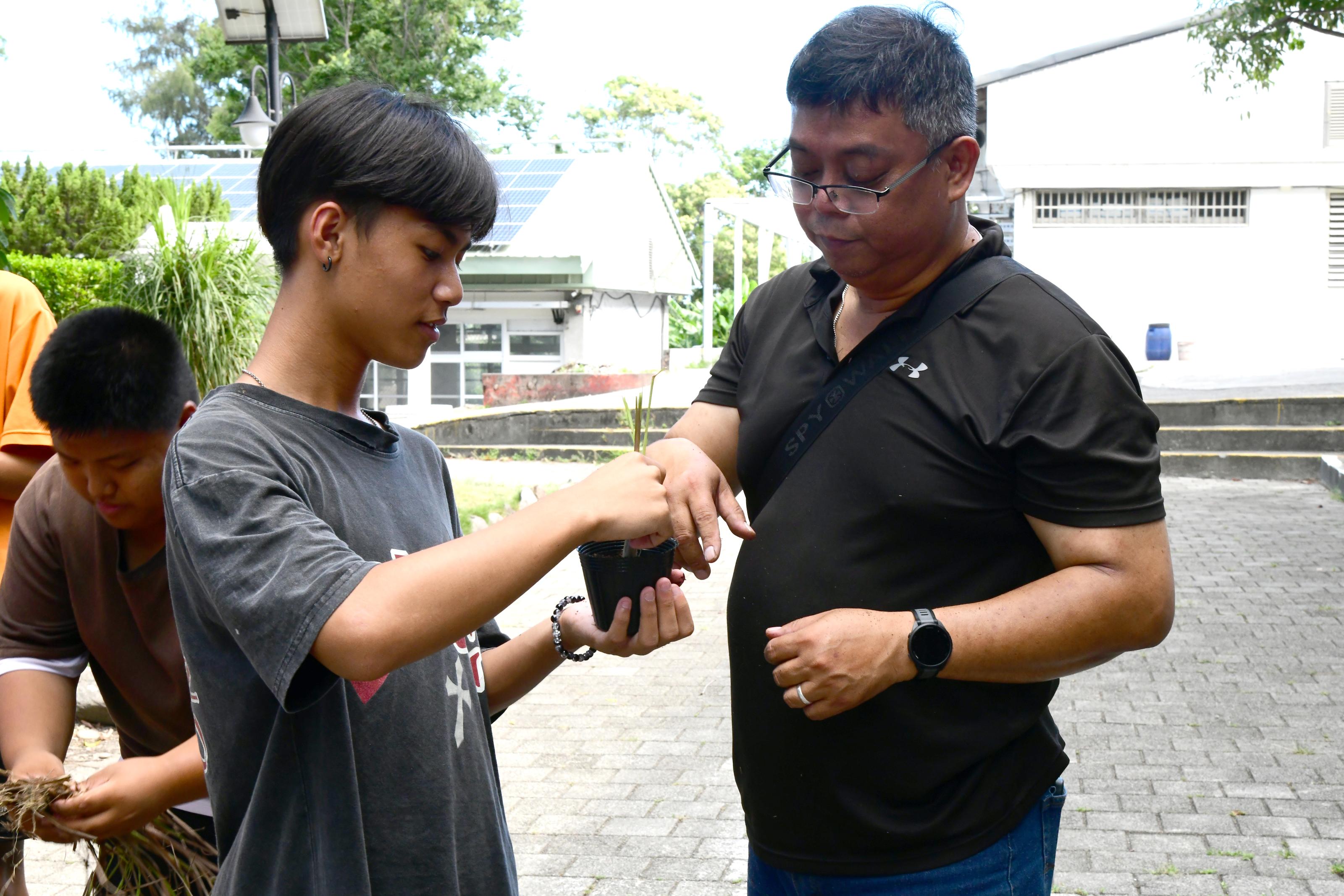
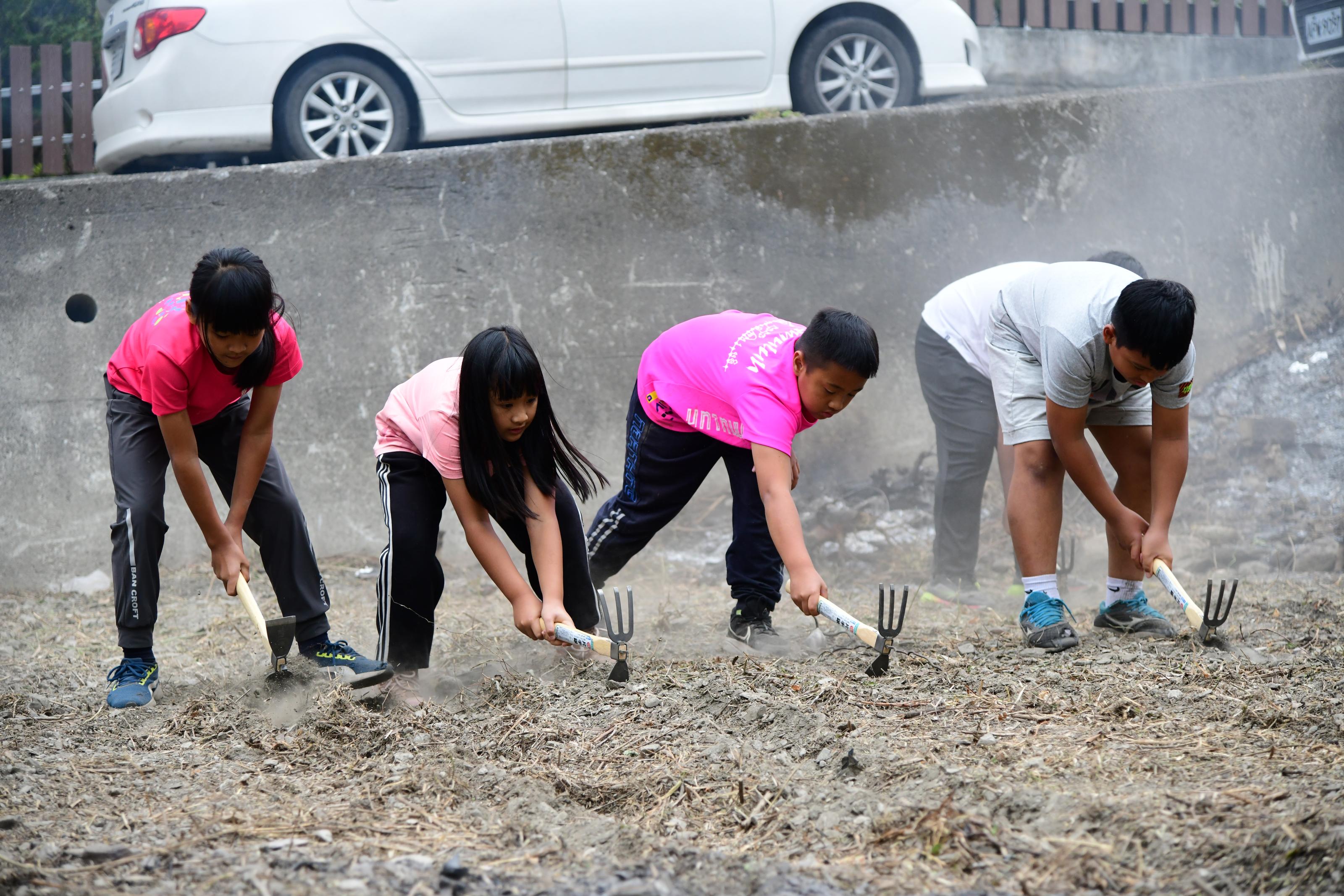
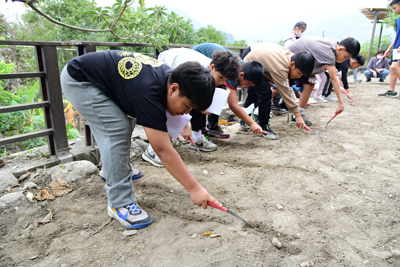
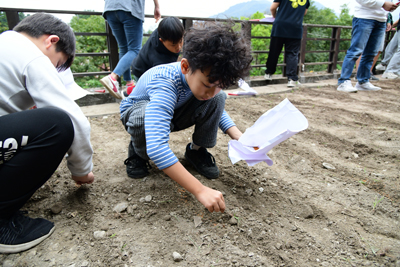
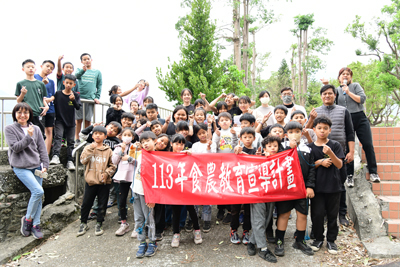
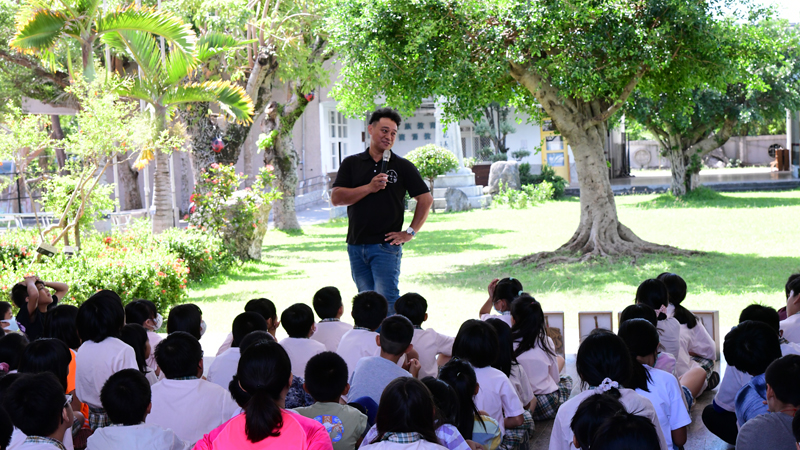
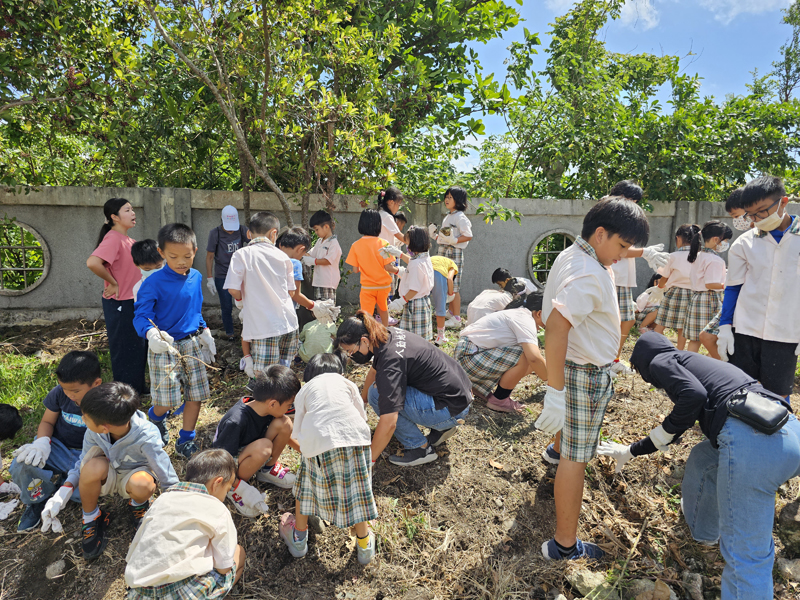
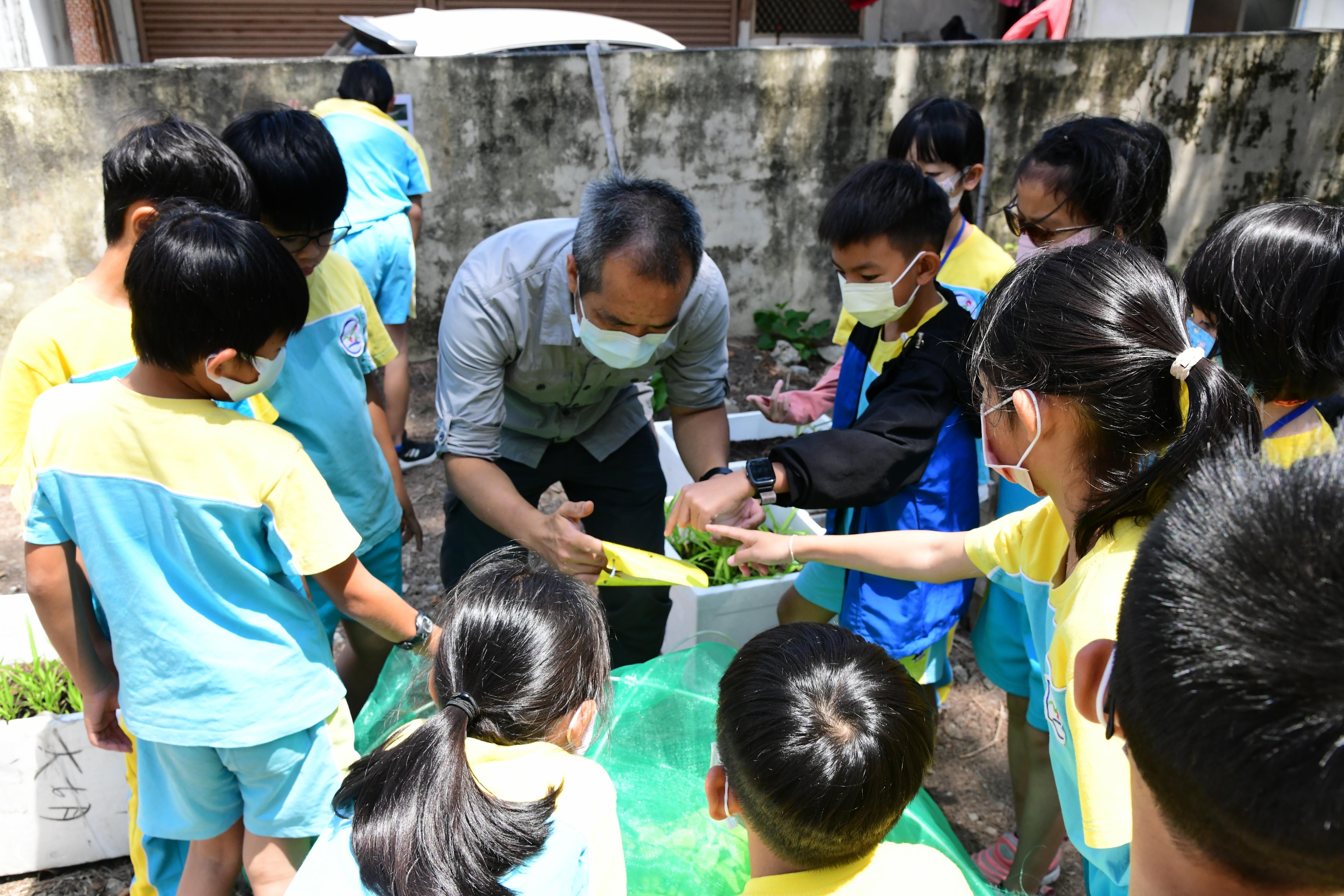
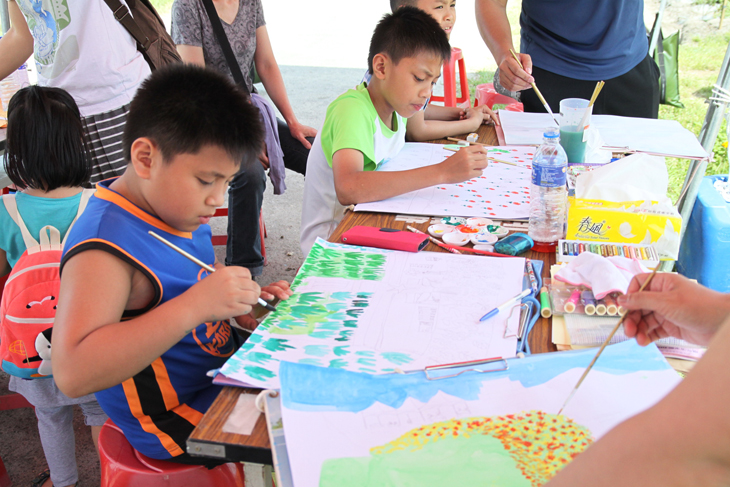
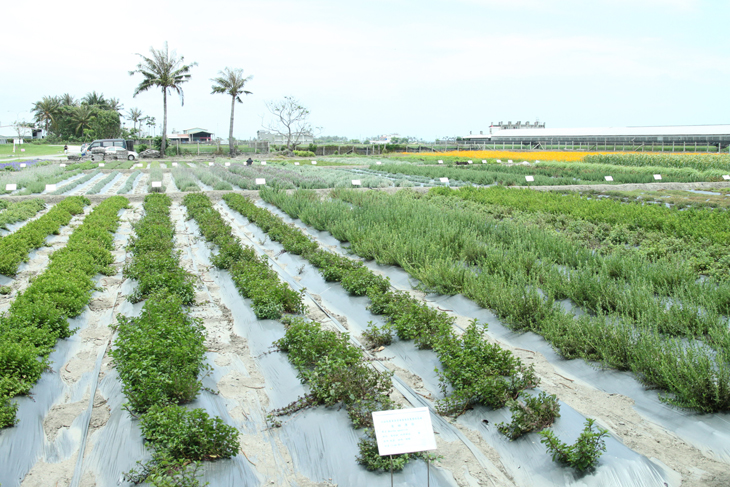
To promote food and agriculture education and enhance students’ understanding of local special crops, the Taitung District Agricultural Research and Extension Station (TTDARES) of the Ministry of Agriculture held an educational event on lemongrass on May 16 (Fri.) at Binmao Junior High School in Taimali. Lü Hung-wen, named one of the Top Hundred Young Farmers in the second year of the contest, was the instructor, guiding students to learn about the variety and practical value of the herb through a hands-on activity. 38 students and teachers joined the event.
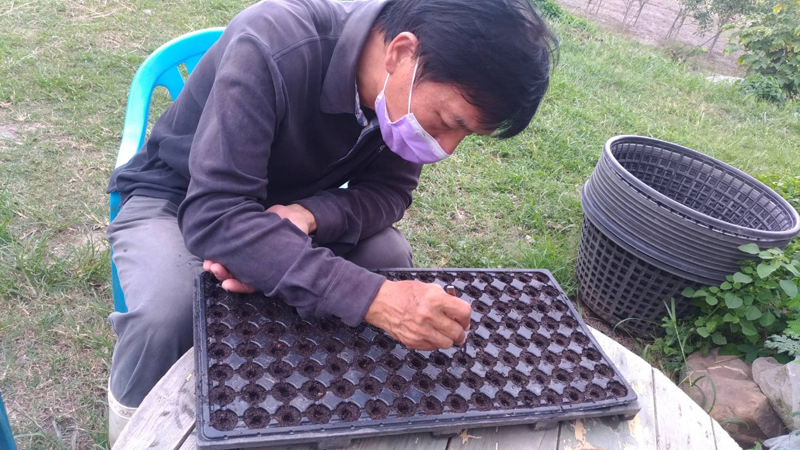
The class was mainly about information on growing lemongrass, including its growth habits, method of propagation, field management, and application value. Lü led students in propagating the plants hands-on via division, step by step, as well as seedling cultivation techniques. After the class, Lü said that such classes help sharpen students’ capacity for observing nature and their sense of responsibility, and they also help promote education on eco-friendliness and sustainability at schools.
The class was closely related to students’ everyday lives, integrating theory and practice, and satisfying the dimensions of knowledge (understanding the connection between agriculture and diet), emotion (cultivating an attitude in which food is valued and farmers are cared about), and action (participating in agricultural activity and practicing environmental sustainability) within food and agricultural education.
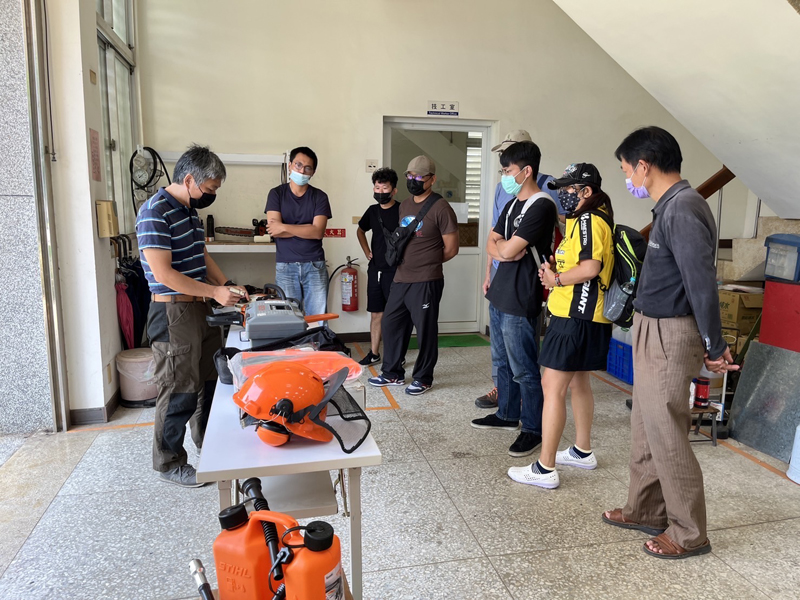
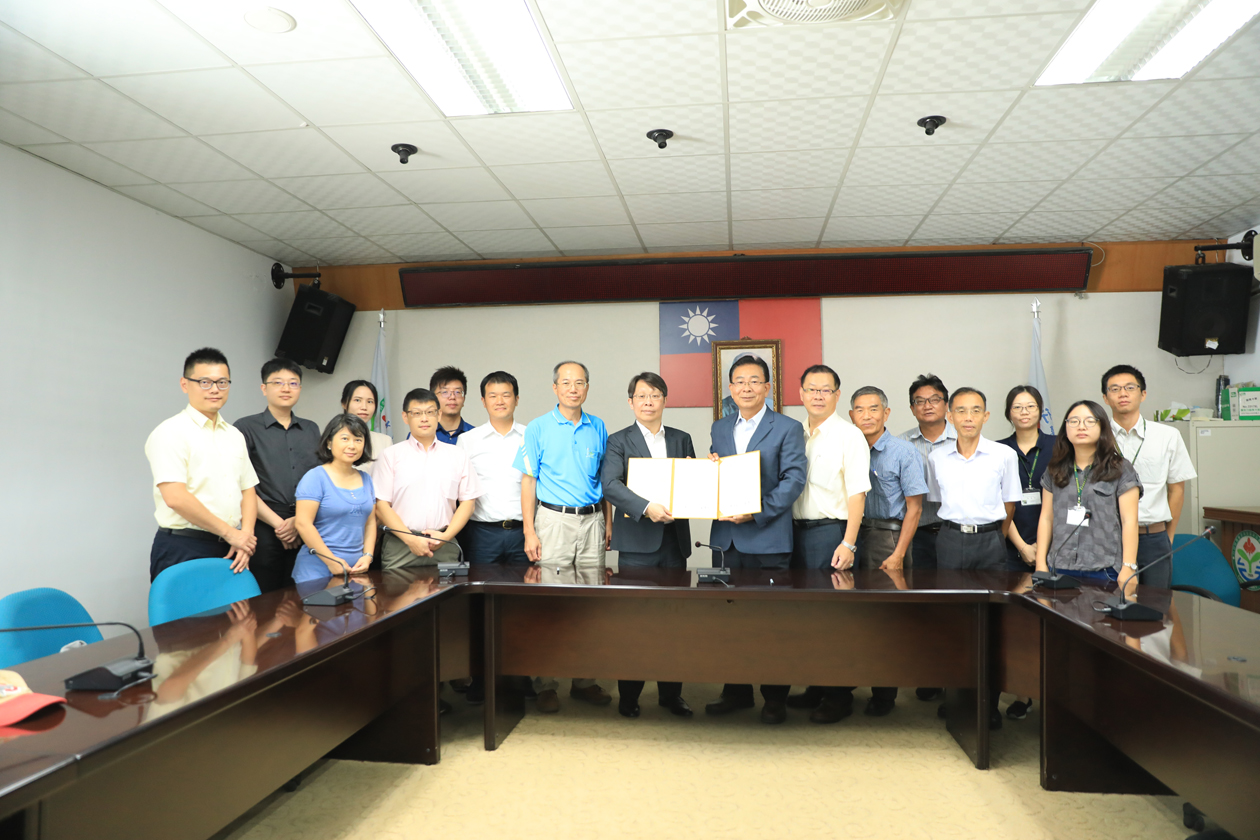
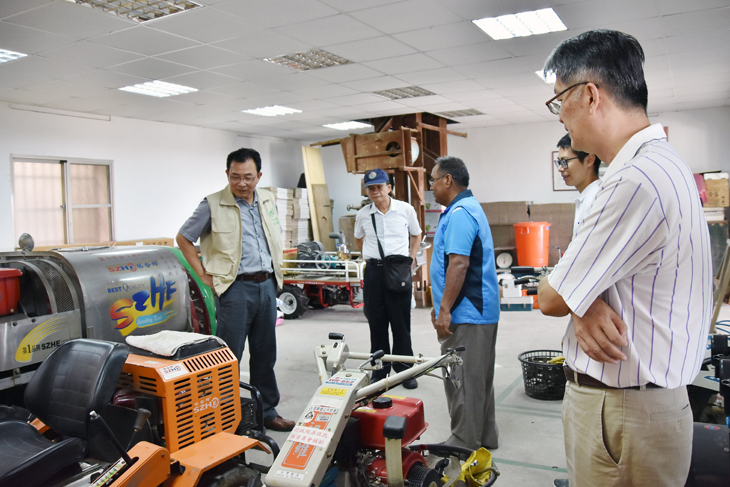
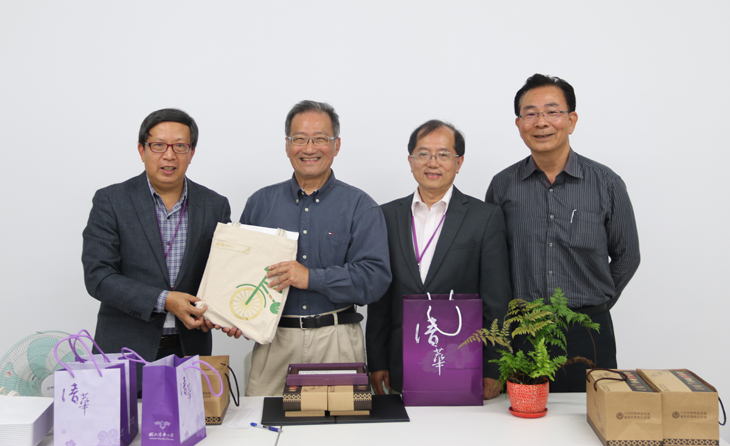
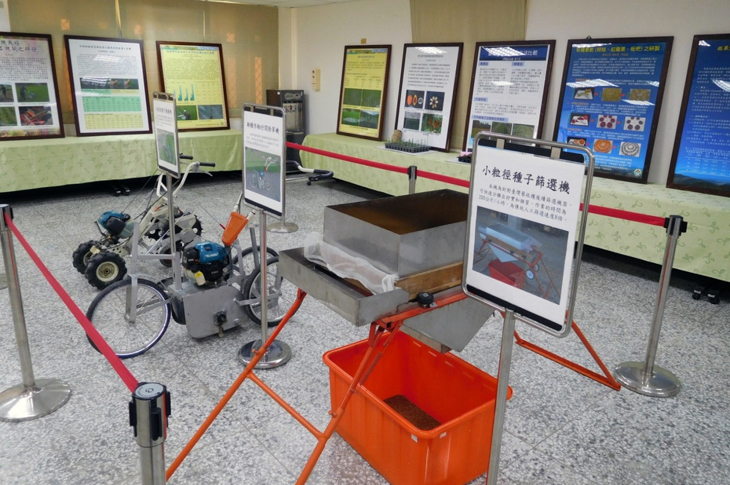
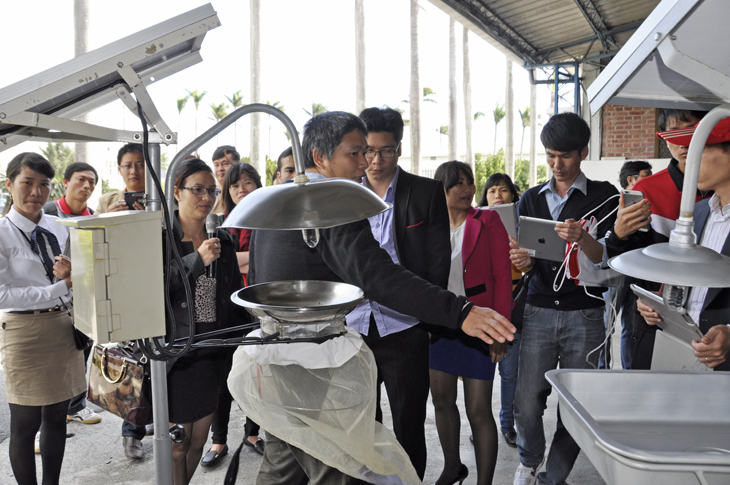
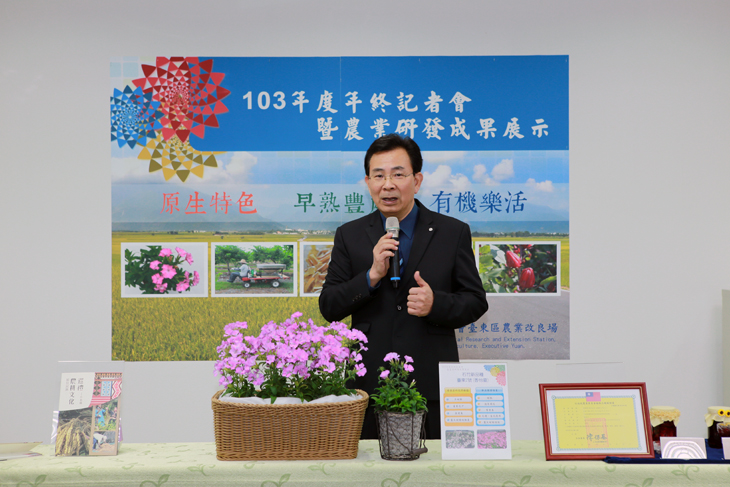
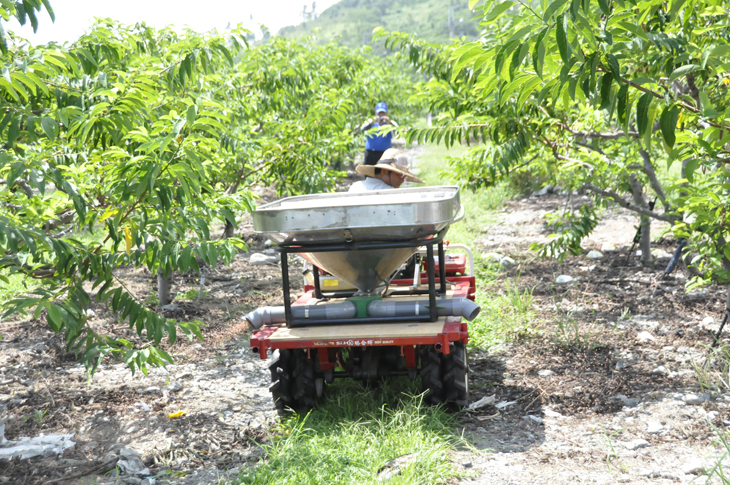
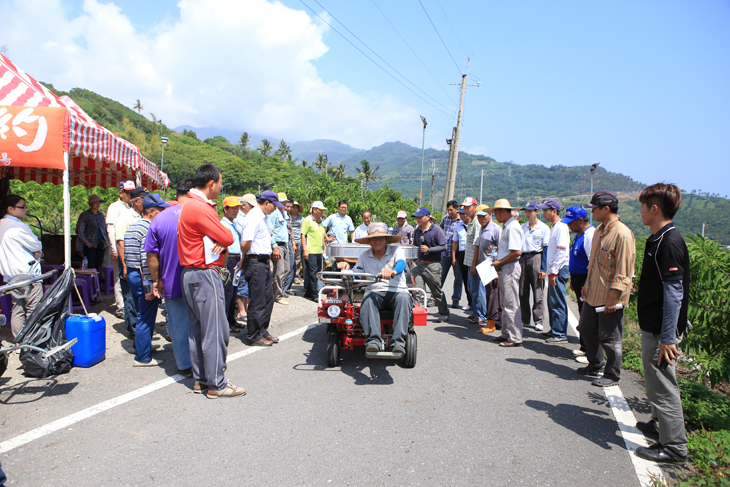
To strengthen bilateral agricultural ties, Korean Mission in Taipei Representative Lee Eun-ho led a team to visit the Taitung District Agricultural Research and Extension Station (TTDARES) on April 8, 2025, to see achievements in the TTDARES’ core areas of work: Indigenous people’s traditional crops, early ripening and full harvests, and organic LOHAS living. TTDARES associate researcher Huang Cheng-lung exhibited TTDARES-developed labor-saving machinery and its applications. TTDARES Director Chen Hsin-yen introduced experimental research achievements and agricultural technology progress in recent years, such as smart farming applications, smart selective breeding, responses to climate change, atemoya cold chain system optimization, organic and eco-friendly cultivation techniques, sustainable resource use, food and agriculture education, and personnel training. The delegation tried out processed products made from Taitung’s specialty crops and learned about how innovative technology is boosting the added value of agricultural products and helping growers expand market channels, in turn boosting their profits. Representative Lee highly praised the TTDARES’ accomplishments in technology applications and how it has substantially benefitted farmers and sharpened Taiwan’s international competitive edge. The visit not only helped reinforce the agricultural connection between Taitung and South Korea but also solidified the foundation for future agricultural collaboration between Taiwan and South Korea. The finale was a gift exchange between the visiting delegation and the TTDARES.

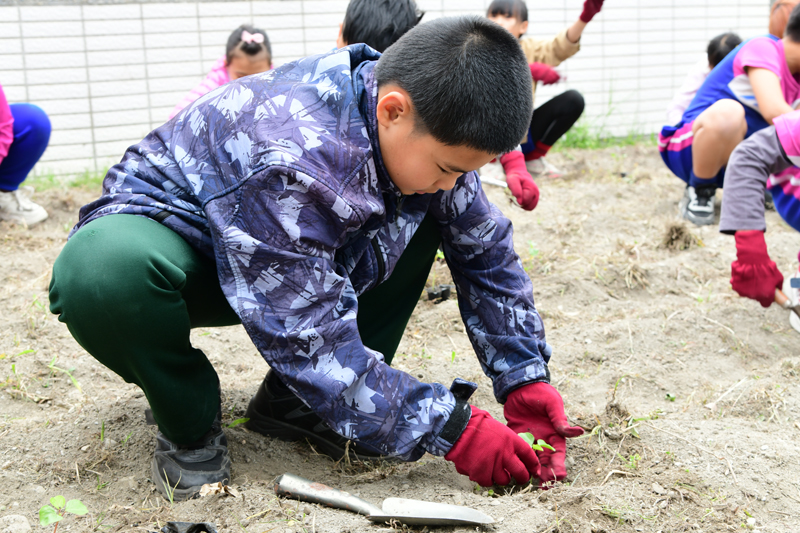
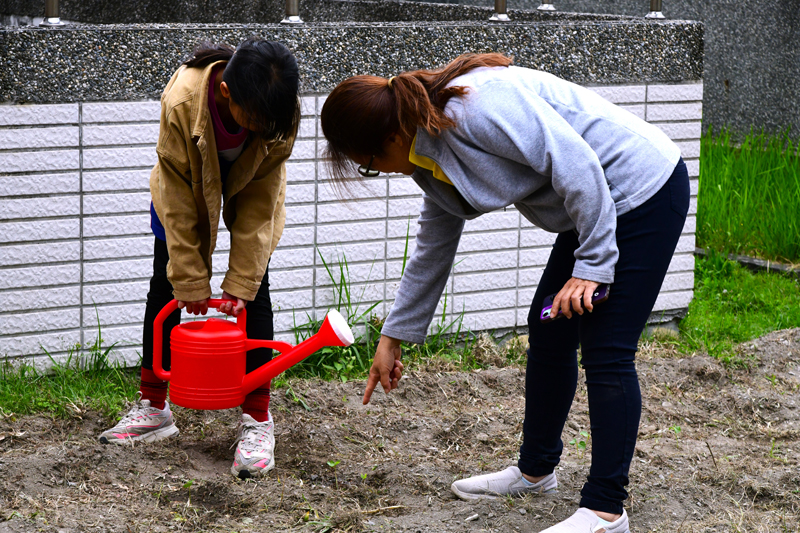
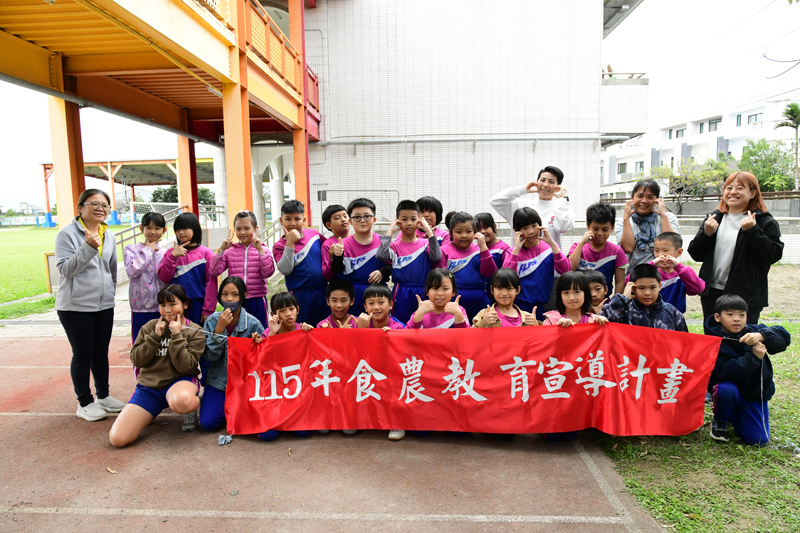
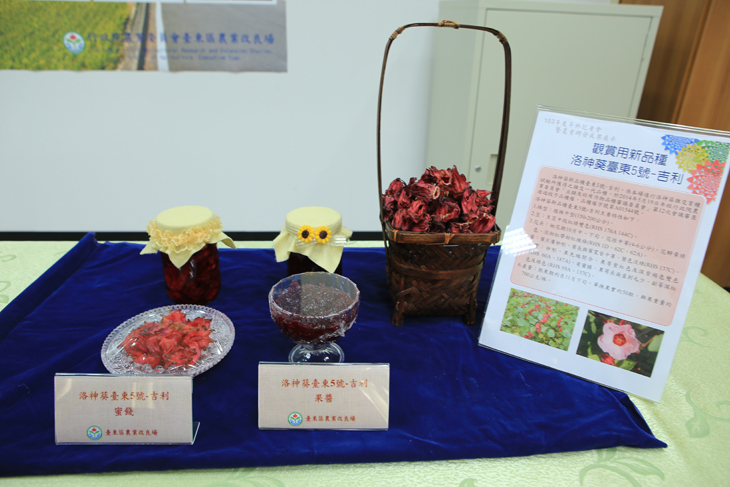
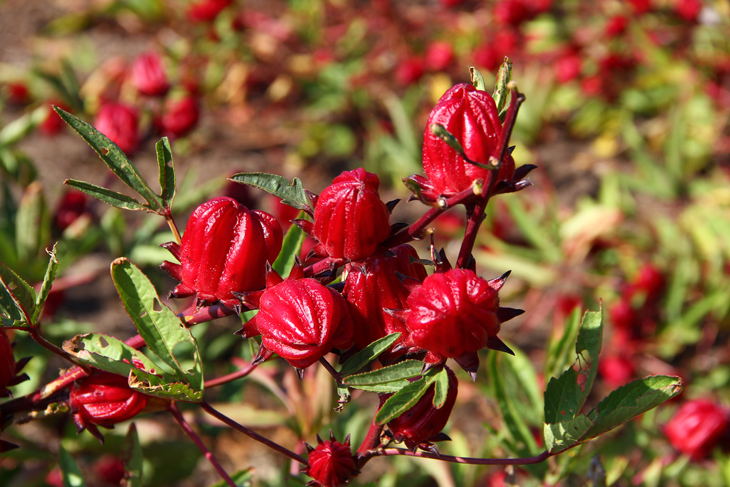
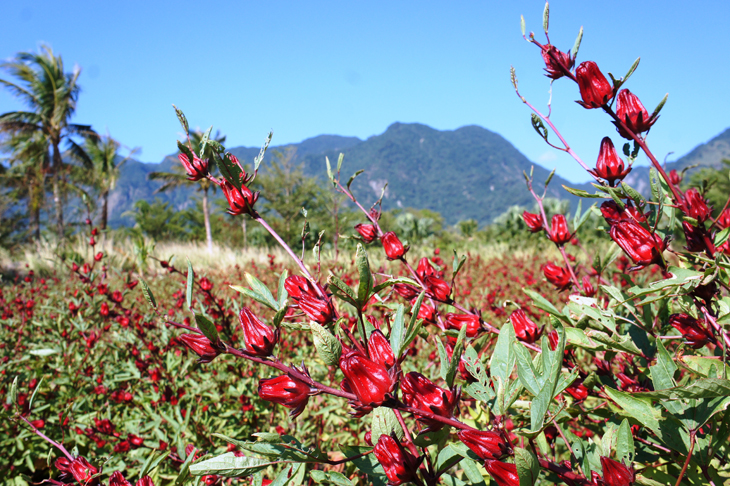
In promoting food and agriculture education, the Taitung District Agricultural Research and Extension Station (TTDARES) of the Ministry of Agriculture held a food and agriculture education class themed on roselles at Guangming Elementary School on Tuesday, April 1, 2025, which was attended by 62 students and teachers. Local farmer Wu Mei-hua discussed the types, growth traits, cultivation management, and nutritional value of roselles as well as disease and pest prevention methods. She demonstrated how to look up roselles on the Taiwan Food and Drug Administration’s Integrated Food Ingredient Inquiry Website to verify that roselle calyces are edible, while the capsules and fruit have not been determined as safe to eat. This exercise helped students learn more about the plant, showed them how to search for information in general, and boosted their understanding of food safety. The instructor also led the students in transplanting seedlings in the school garden, showing them what to pay attention to while planting and managing their roselles, allowing the kids to experience both the fun and hard work of farming. Participating teachers said that the students learned practical skills, from farming knowledge to food safety practices, which are useful in daily life.

To promote food and agriculture education, the Taitung District Agricultural Research and Extension Station (TTDARES) of the Ministry of Agriculture held a pigeon pea-themed food and agriculture education class on Friday, February 14, 2025 at Xianglan Elementary School in Taimali. Farmer Lyu Hung-wen, a winner of the Second Top Hundred Young Farmers award, instructed the students and teachers (39 in total).
The instructor first discussed the origins and uses of pigeon peas, including their nutritional value and their significance in traditional Taiwanese Indigenous culture as seen in a traditional dish: “warrior soup.” Students were given hands-on experience cultivating seedlings and turning the soil, and they learned about the plant’s growth characteristics and management methods. Pigeon peas usually must be cooked for a while before becoming edible, but the TTDARES has developed ready-to-eat pigeon peas, which the students were able to try out. These peas may be eaten directly or after being first soaked in water. Teachers present said that having a learning-by-doing class boosted the students’ motivation to learn and gave them a better understanding of the importance of the crop in the traditional Indigenous diet.
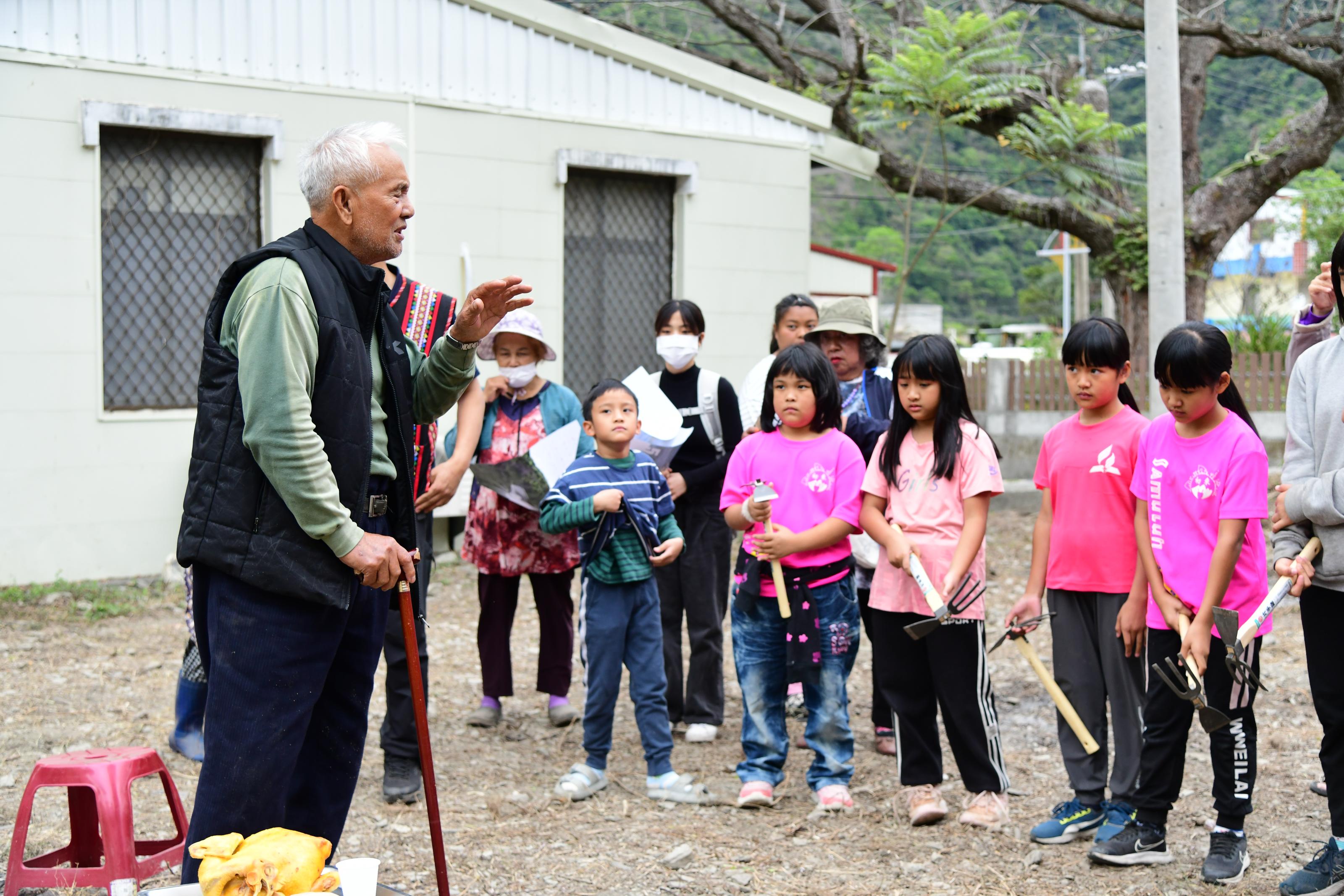
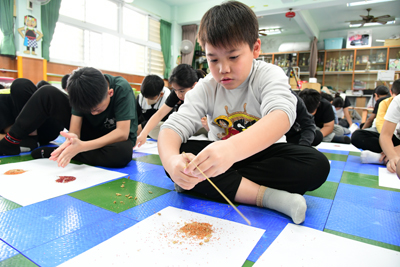
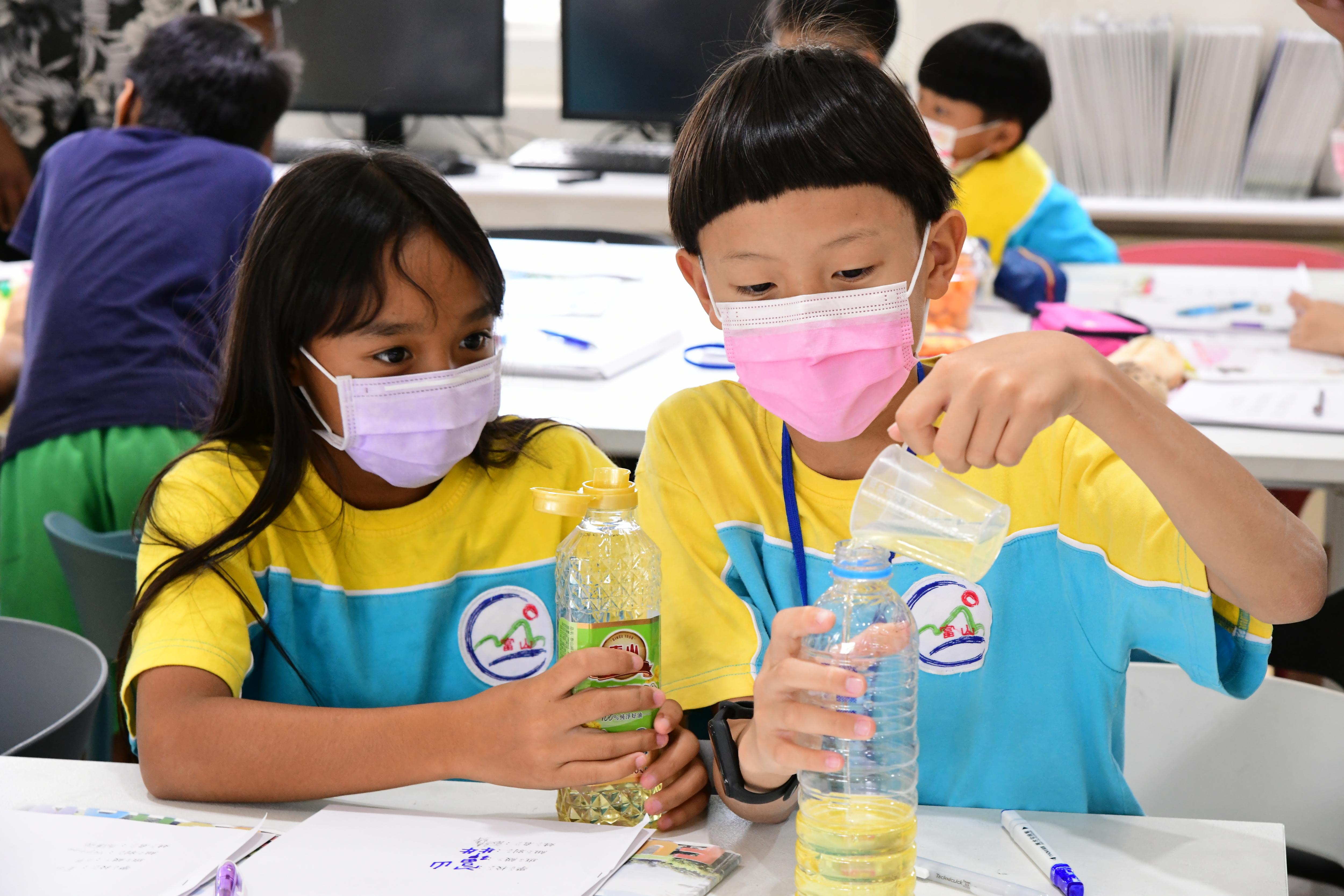
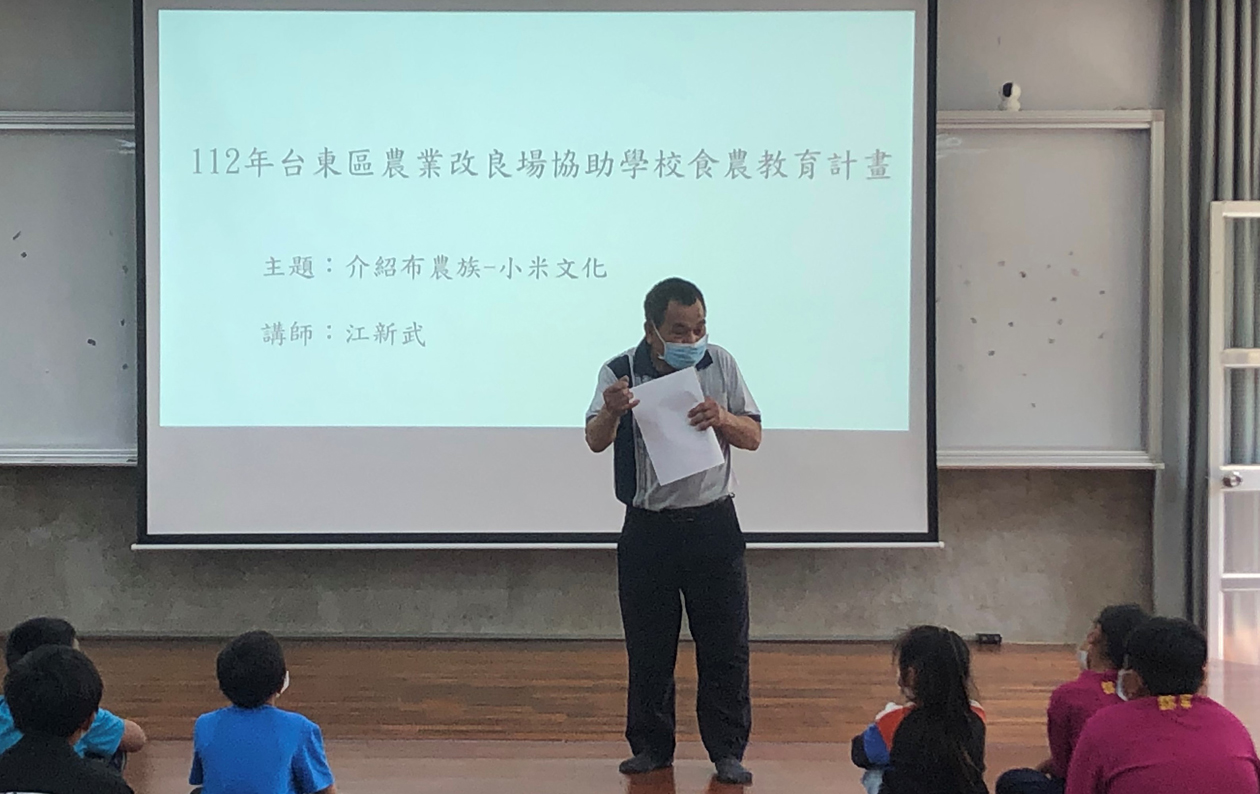
To promote food and agriculture education, the Taitung District Agricultural Research and Extension Station (TTDARES) of the Ministry of Agriculture held a millet-themed food and agriculture education class on Tuesday, February 11, 2025 at Wulu and Lidao Elementary Schools in Haiduan. Farmer Lin Chian-chung, a winner of the Fourth Top Hundred Young Farmers award, instructed the students and teachers (63 in total).
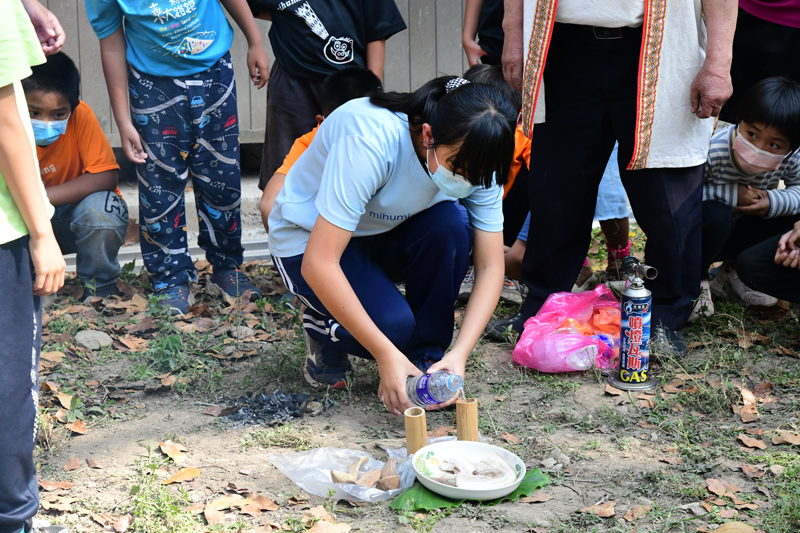
Lin used a fun interactive card game to give students an understanding of millet cultivation and management skills. The class made a deep impression on them because they also got to plant seeds of this traditional crop. Teachers present said that having the class themed on millet helped the students make a connection to their traditional culture and made them more familiar with their community’s environment and dietary culture.
The TTDARES holds classes annually for 23 elementary and junior high schools, for which local young farmers are invited to teach and promote food and agriculture education. With the farmers’ solid foundation of experience, they transmit well the spirit of food and agriculture education within the farming culture.
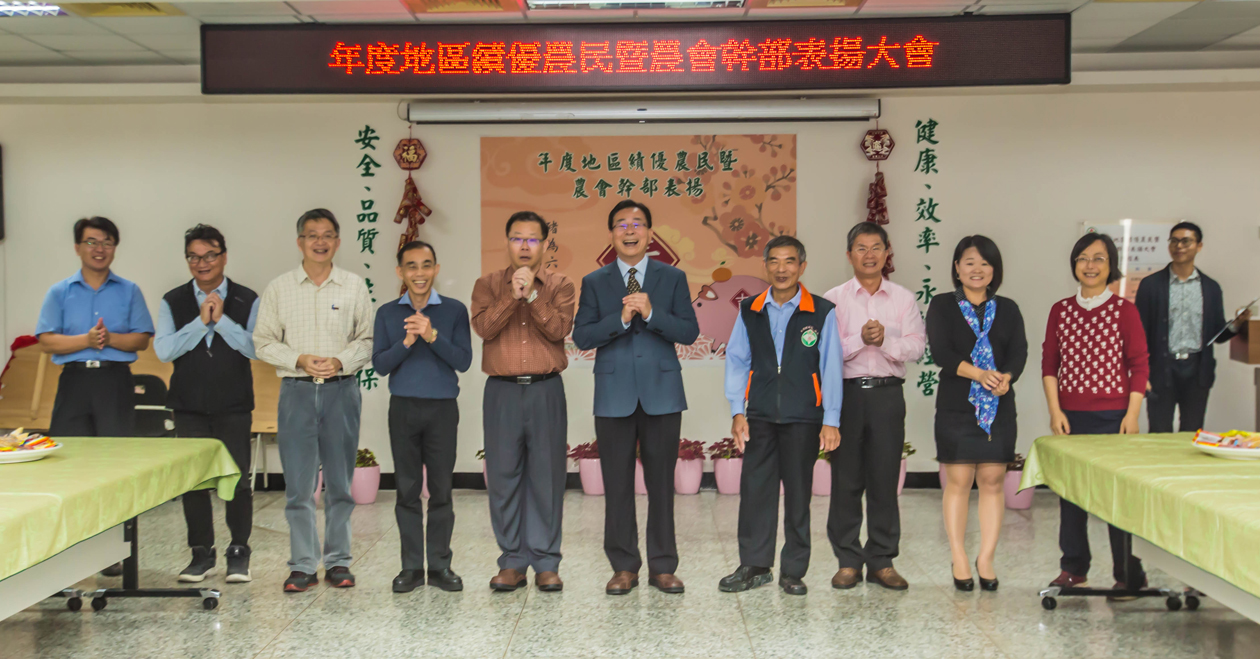
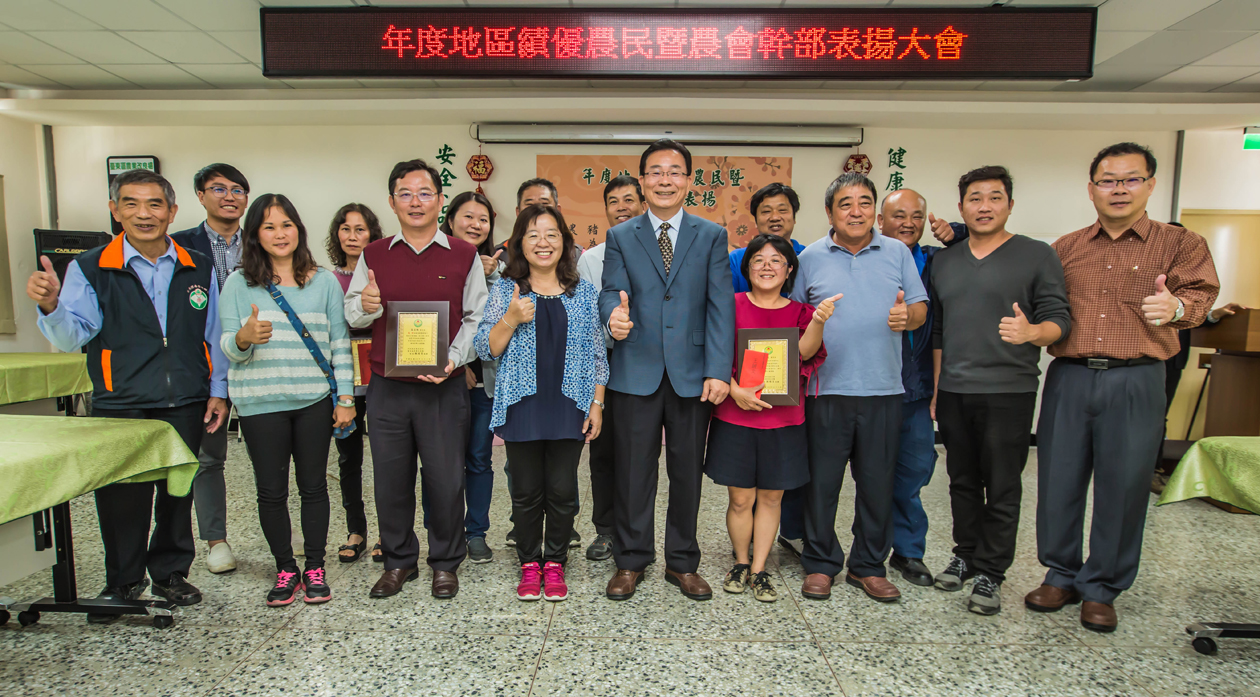
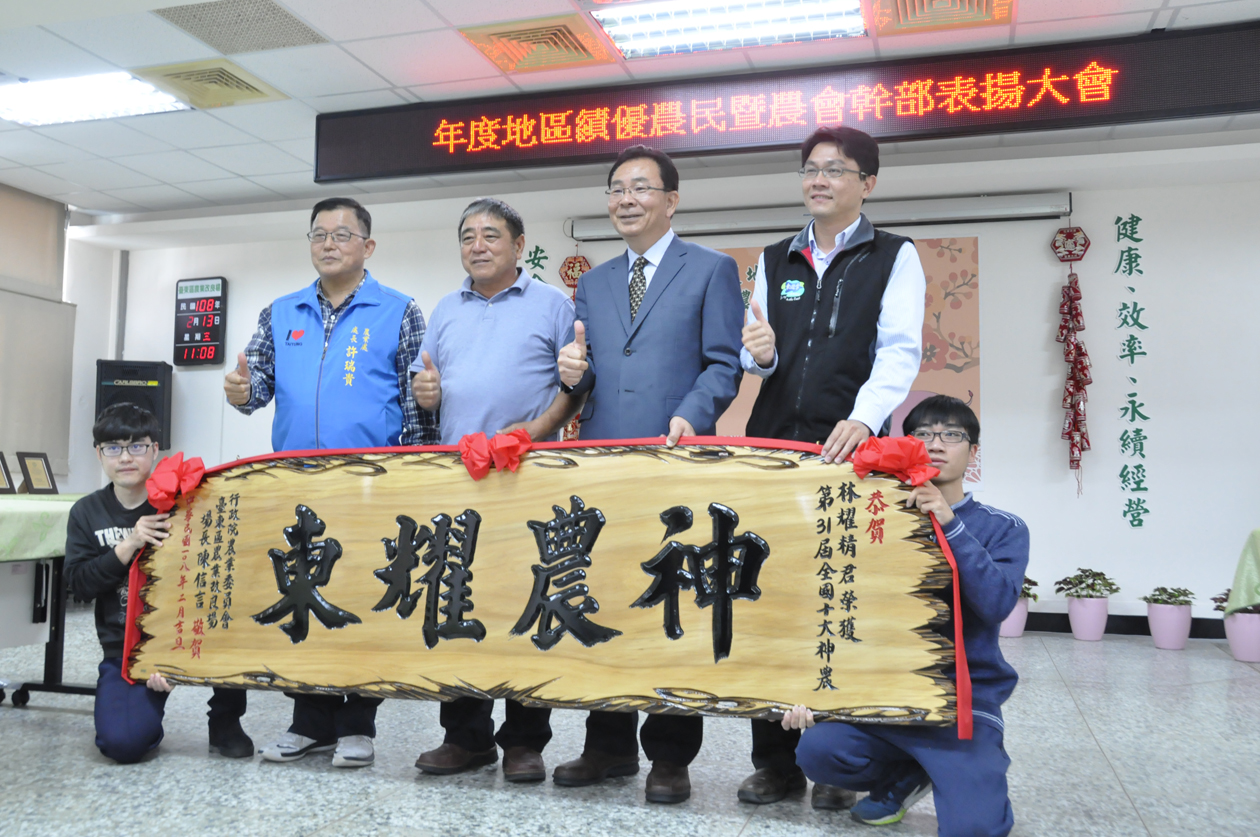
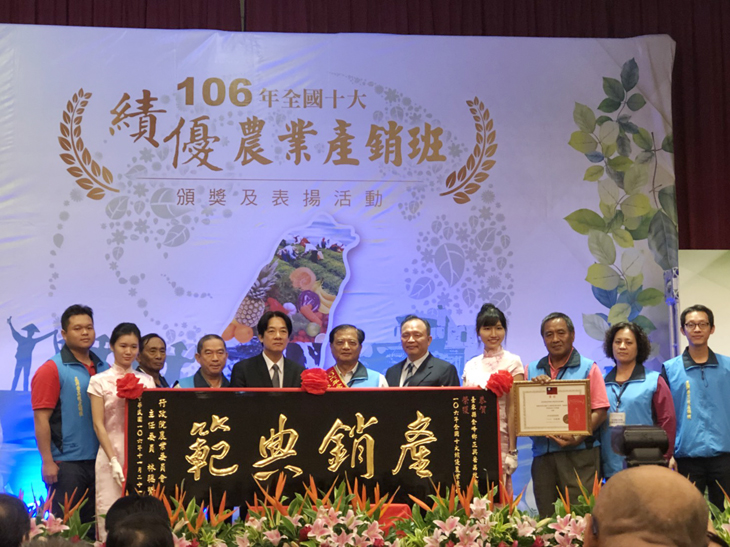
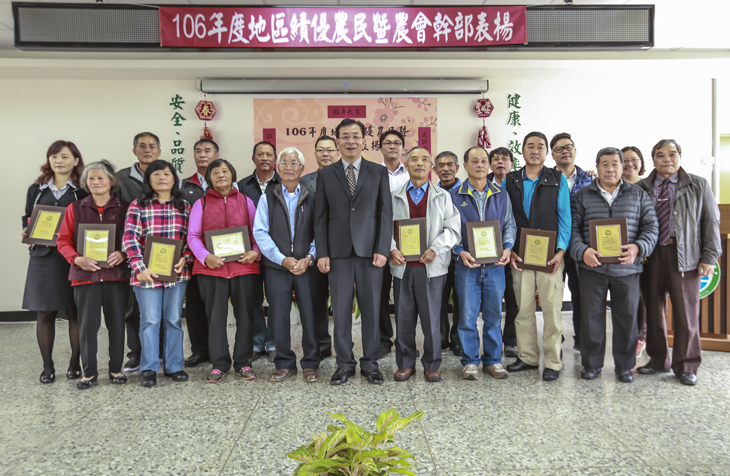
The Taitung District Agricultural Research and Extension Station (TTDARES) of the Ministry of Agriculture held an annual award ceremony on the morning of February 8, 2025, at the TTDARES regional education center. TTDARES Director Chen Hsin-yen welcomed attendees and wished them an auspicious, prosperous Year of the Snake. He thanked growers and farmers’ associations for their important contributions to agricultural extension in Taitung over the past year, especially for their help with important experiments, demonstrations, and promotion, which allowed for tasks to be conducted smoothly. He also encouraged those at the TTDARES to keep working hard to accomplish much and be farmers’ strongest pillar of support by supplying them with outstanding technology and services.
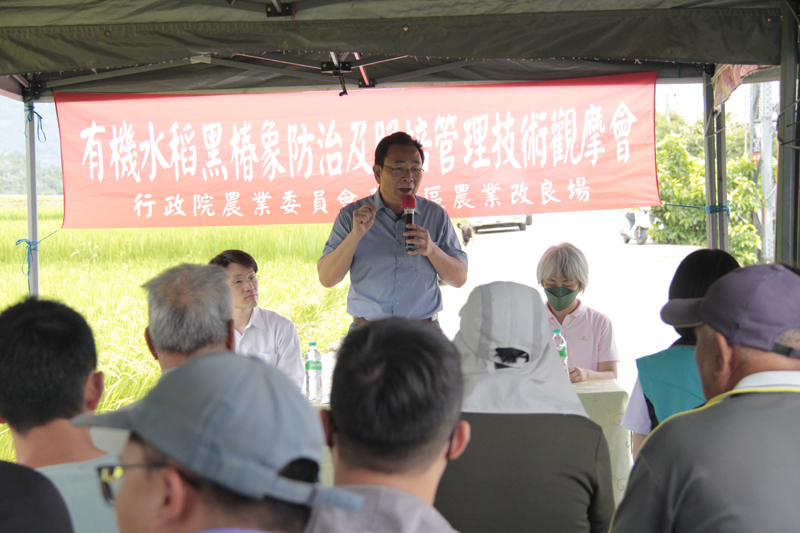
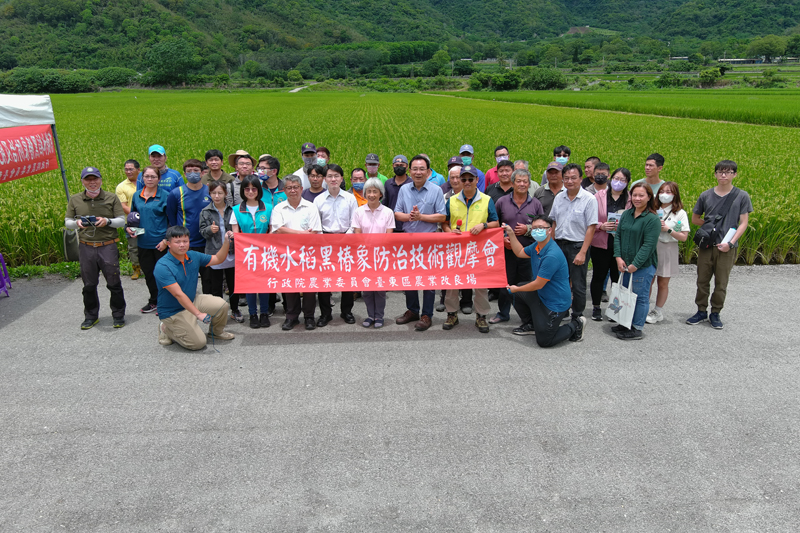
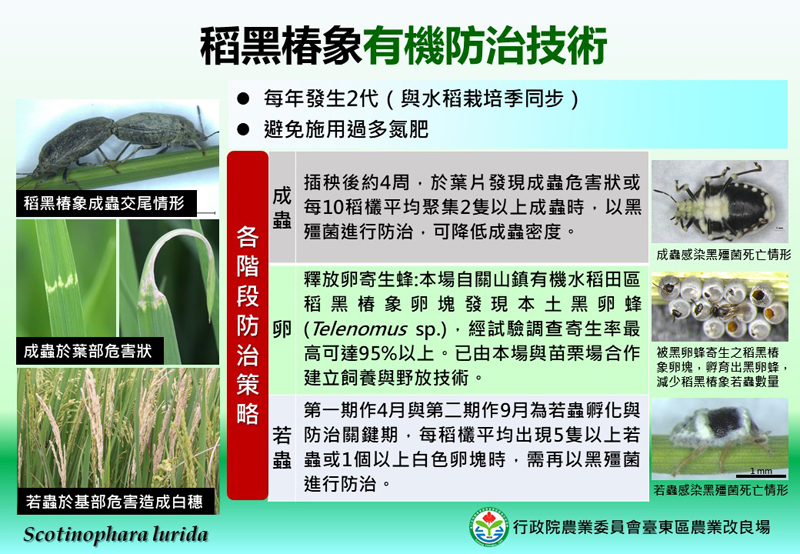
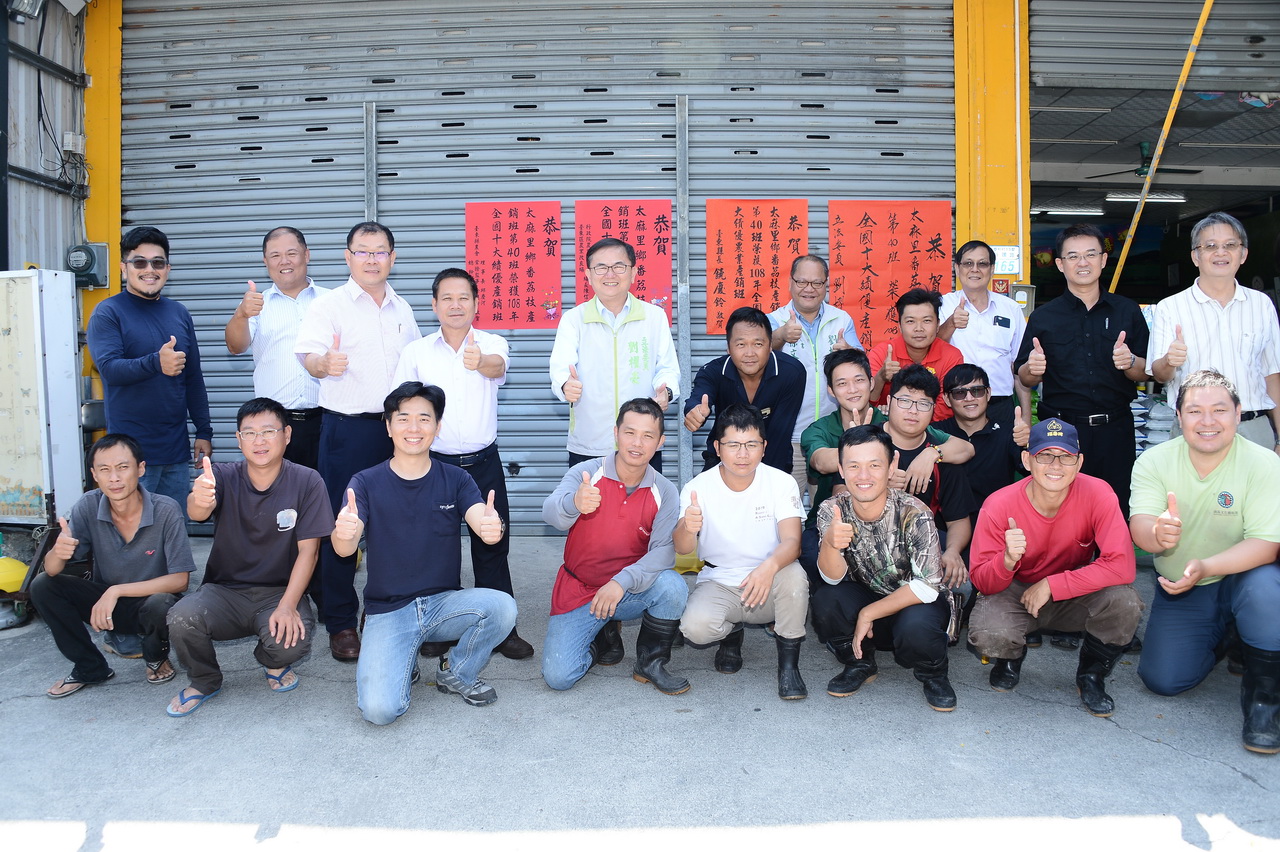
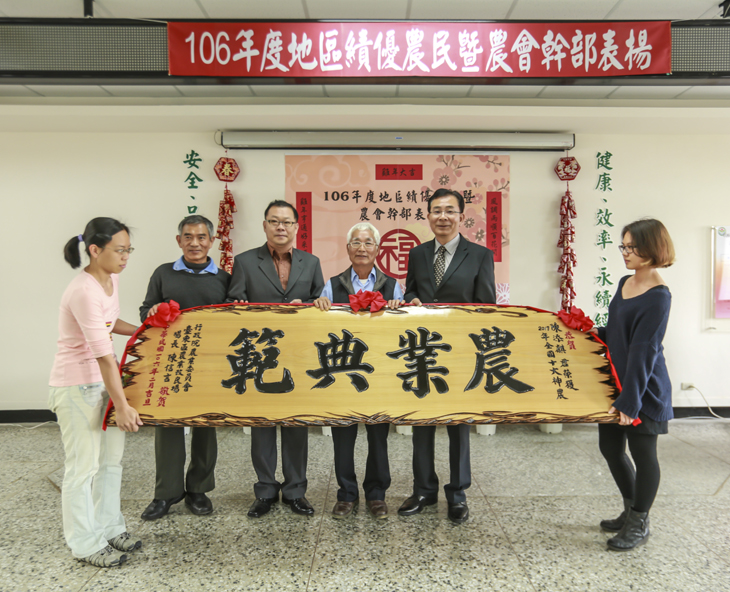
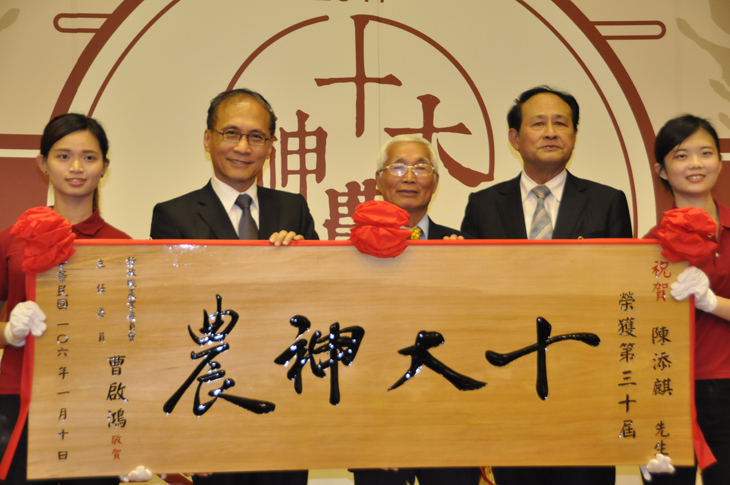
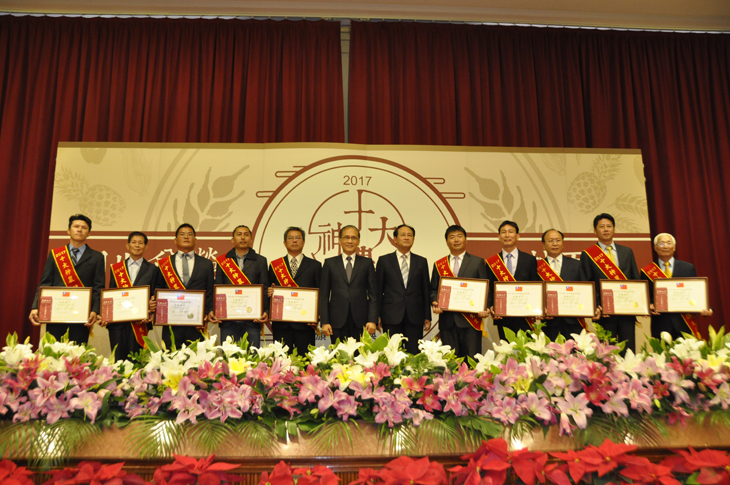
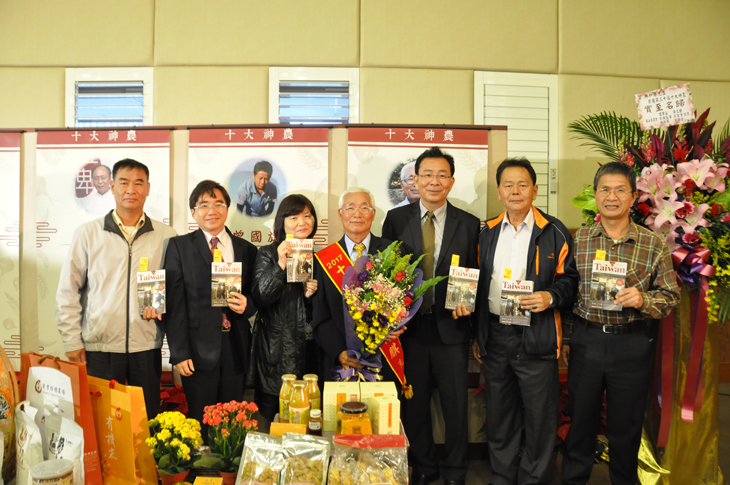
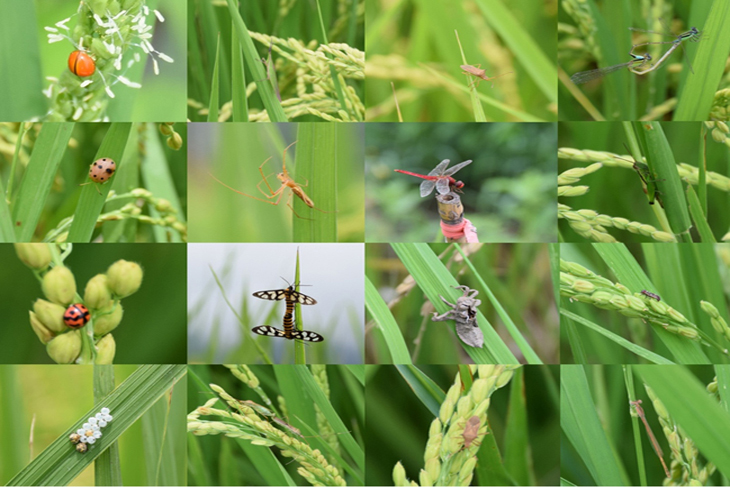
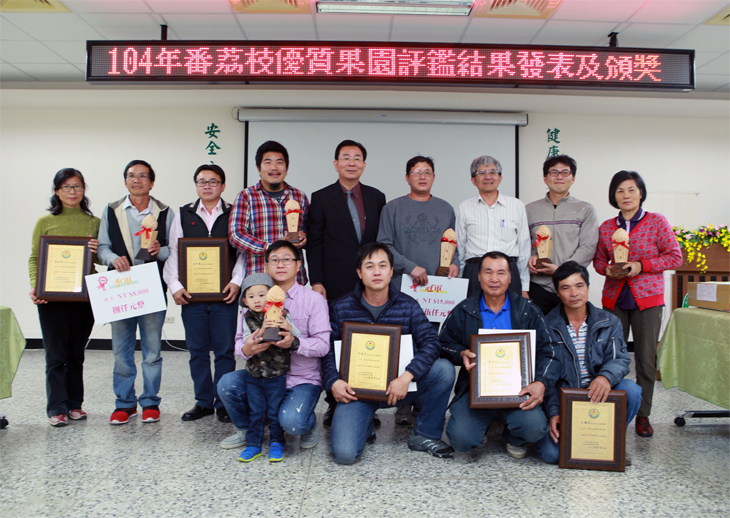
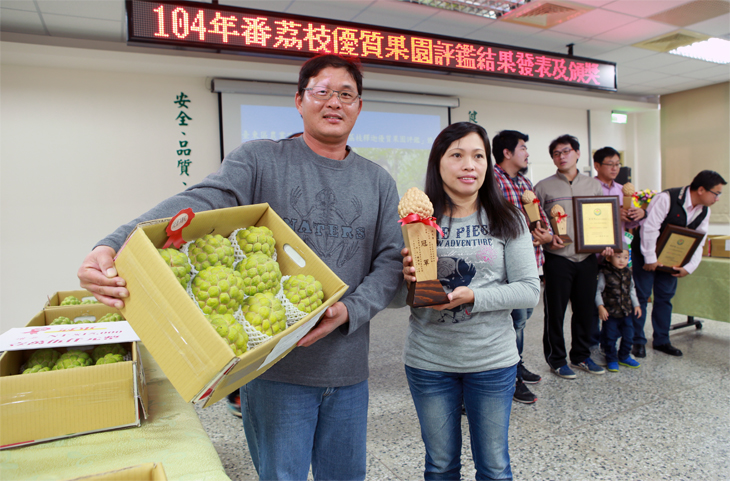
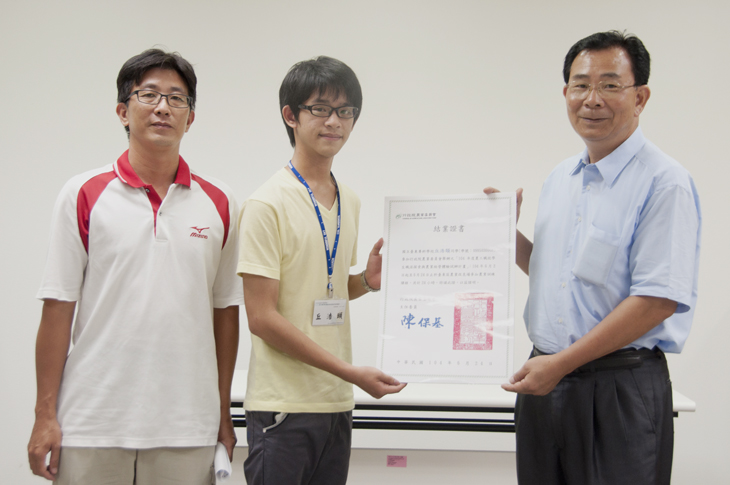
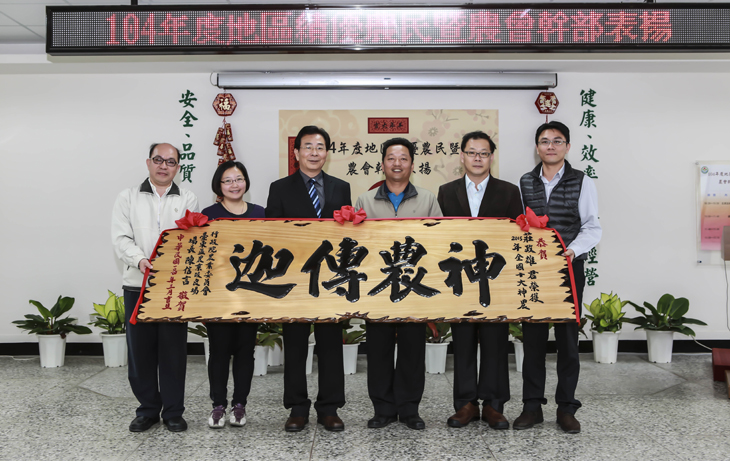
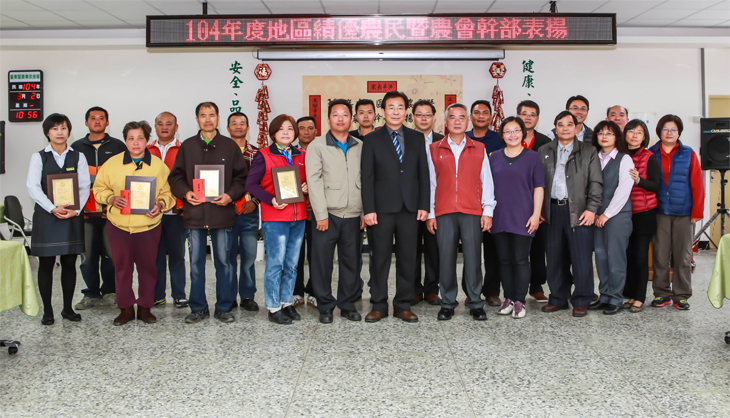
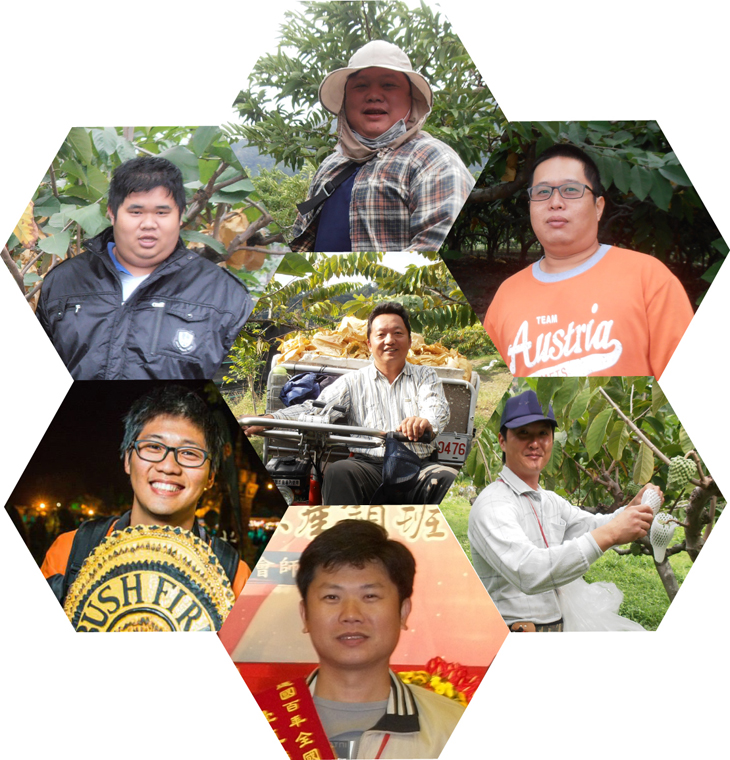
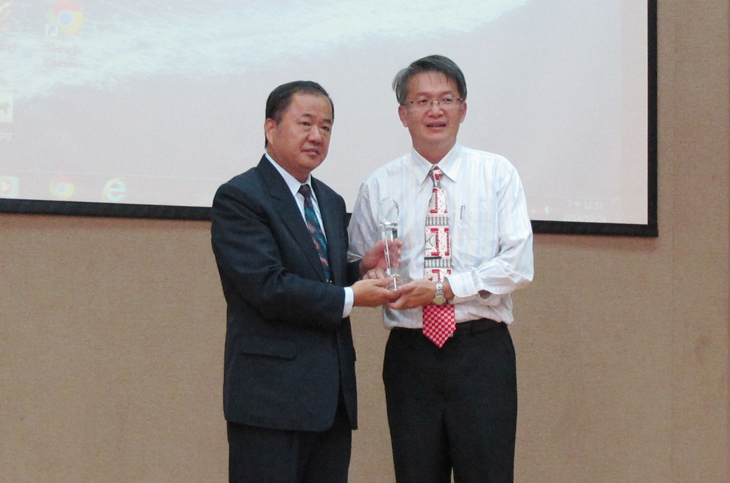
The TTDARES presented farmer Liang Cheng-hsian with a 34th National Model Farmer trophy for his contributions to the development of the Chishang rice industry and local public welfare services. Farmers Chiu Kuei-chun, Kuan Sheng-lin, Li Shu-chen, Fan Chih-hsi, Lin Pei-ying, Yeh Chen-ling, Cheng Su-chen, Hsieh Zong-hsian, and Chuang Cheng-hsiung were awarded for their outstanding collaboration on experiments with the TTDARES in the areas of grain production mechanization, organic rice black bug control, agricultural ecology surveillance, the promotion of food and agriculture education, agricultural product processing, and the integrated management of sugar apple production and related research on resilience. Also recognized were farmers’ association management staff members Yan Hsin-ling and Li Hung-chin for their support for young farmers, agrotourism, and homemakers classes. Moreover, certificates were given to those who performed exceptionally in the TTDARES’ 2024 Agricultural Industry Knowledge Passport Class. An atmosphere of warmth enveloped this celebration of achievements.

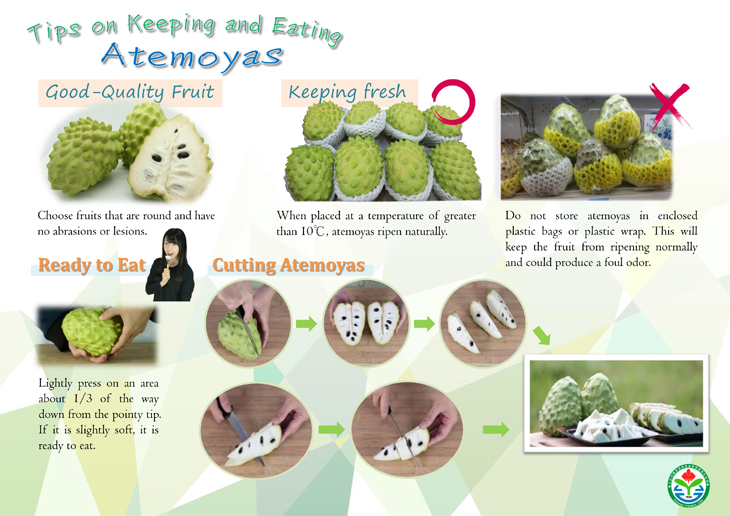
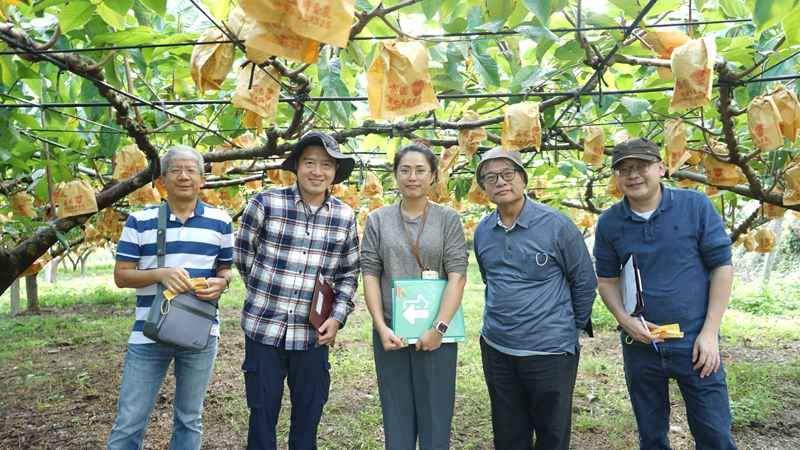
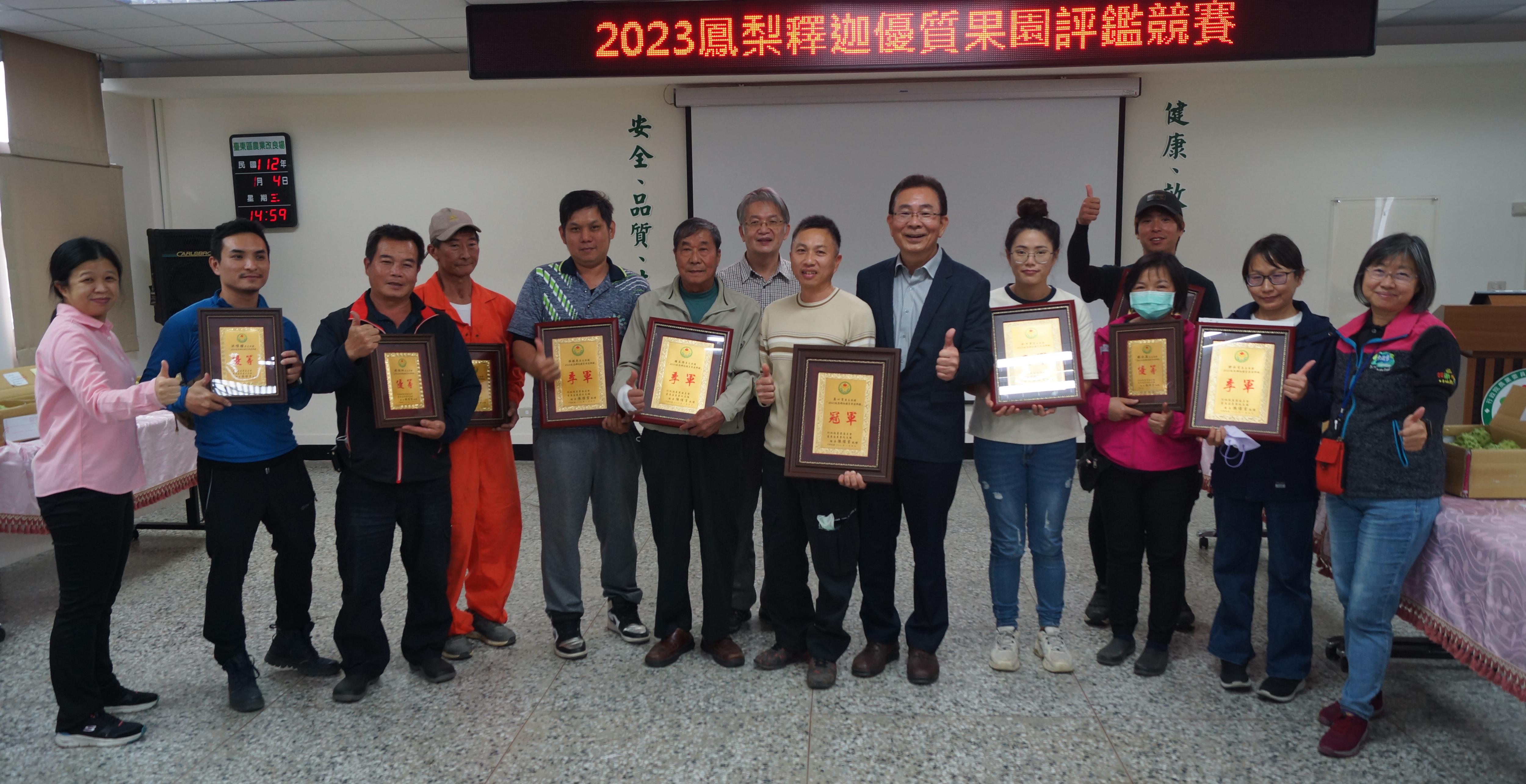
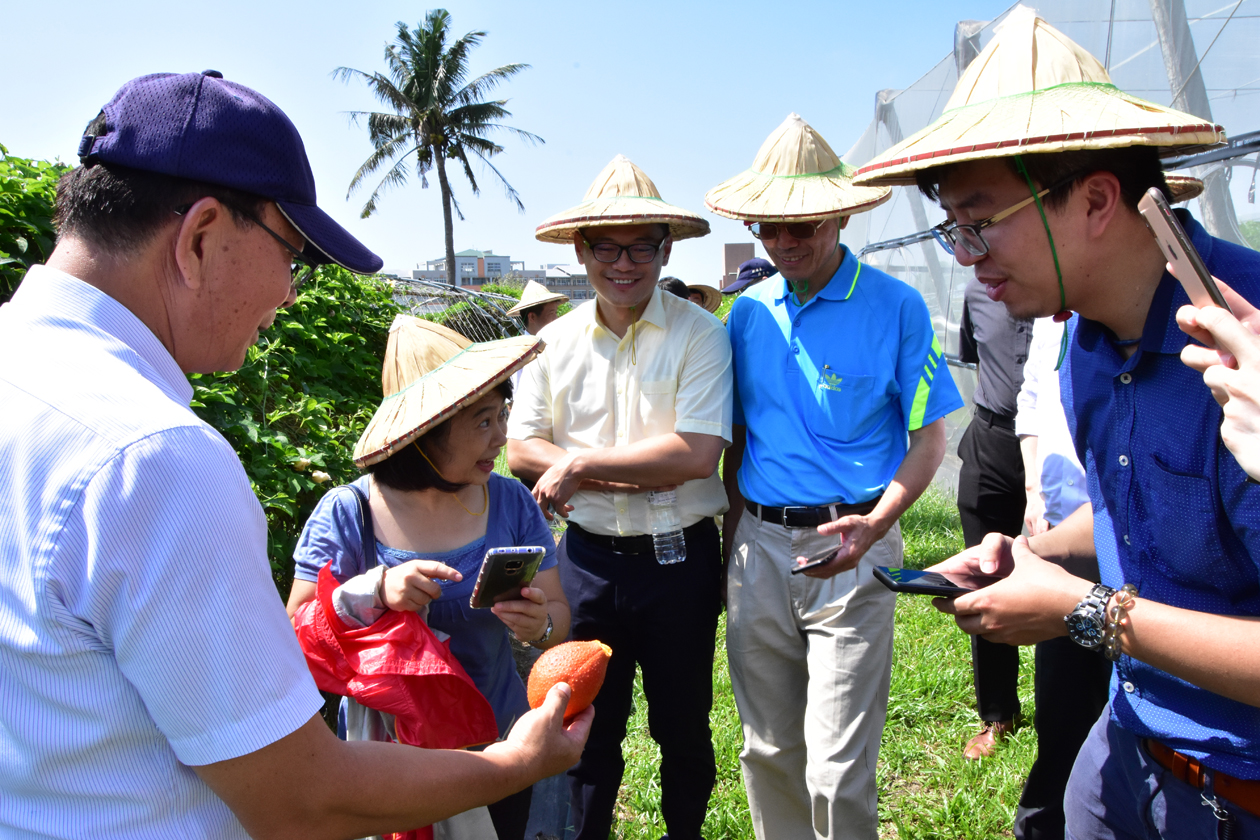
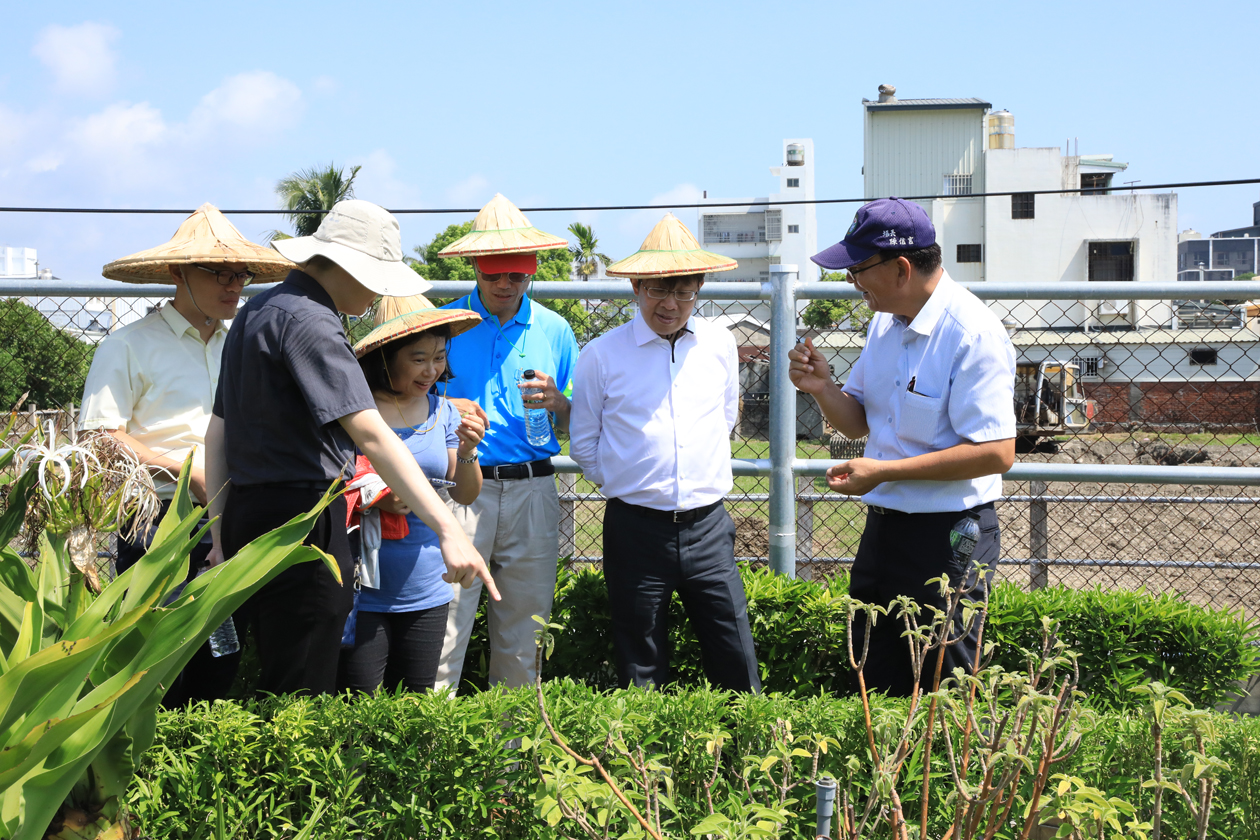
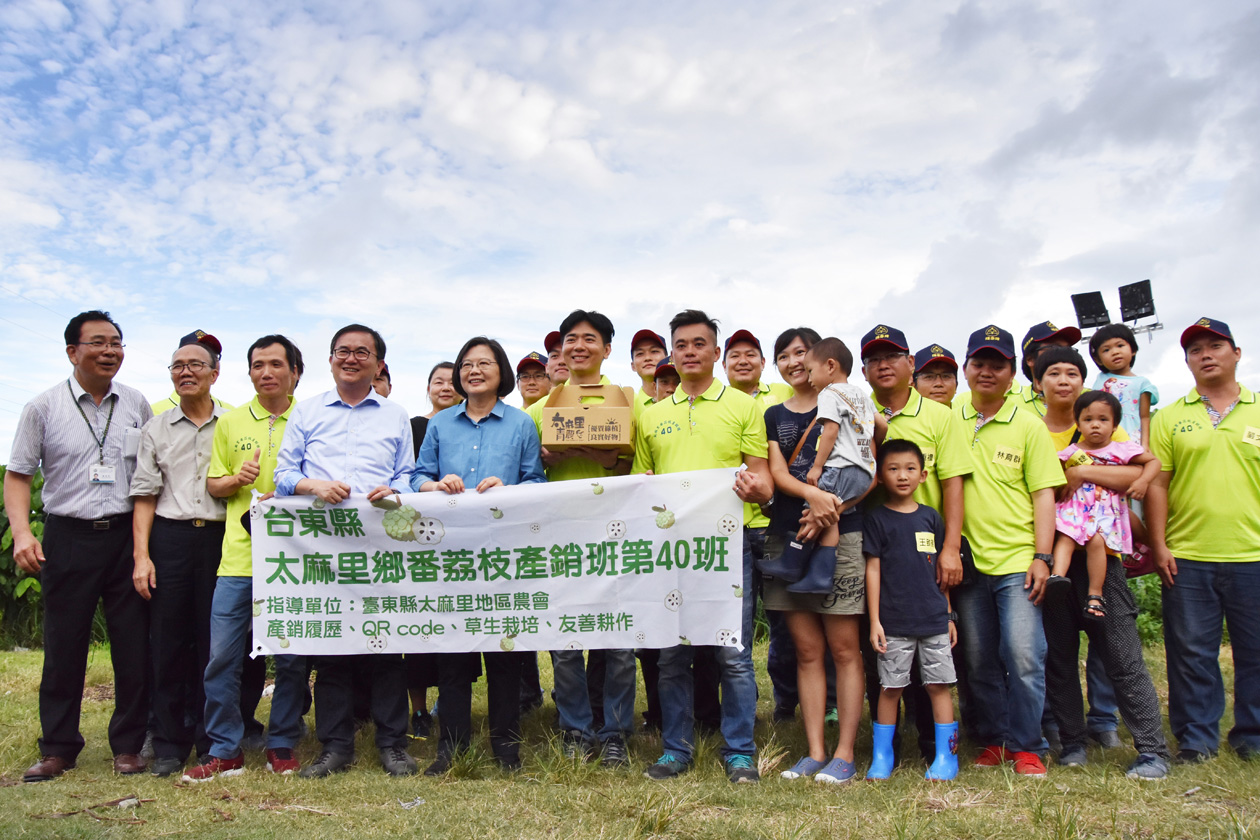
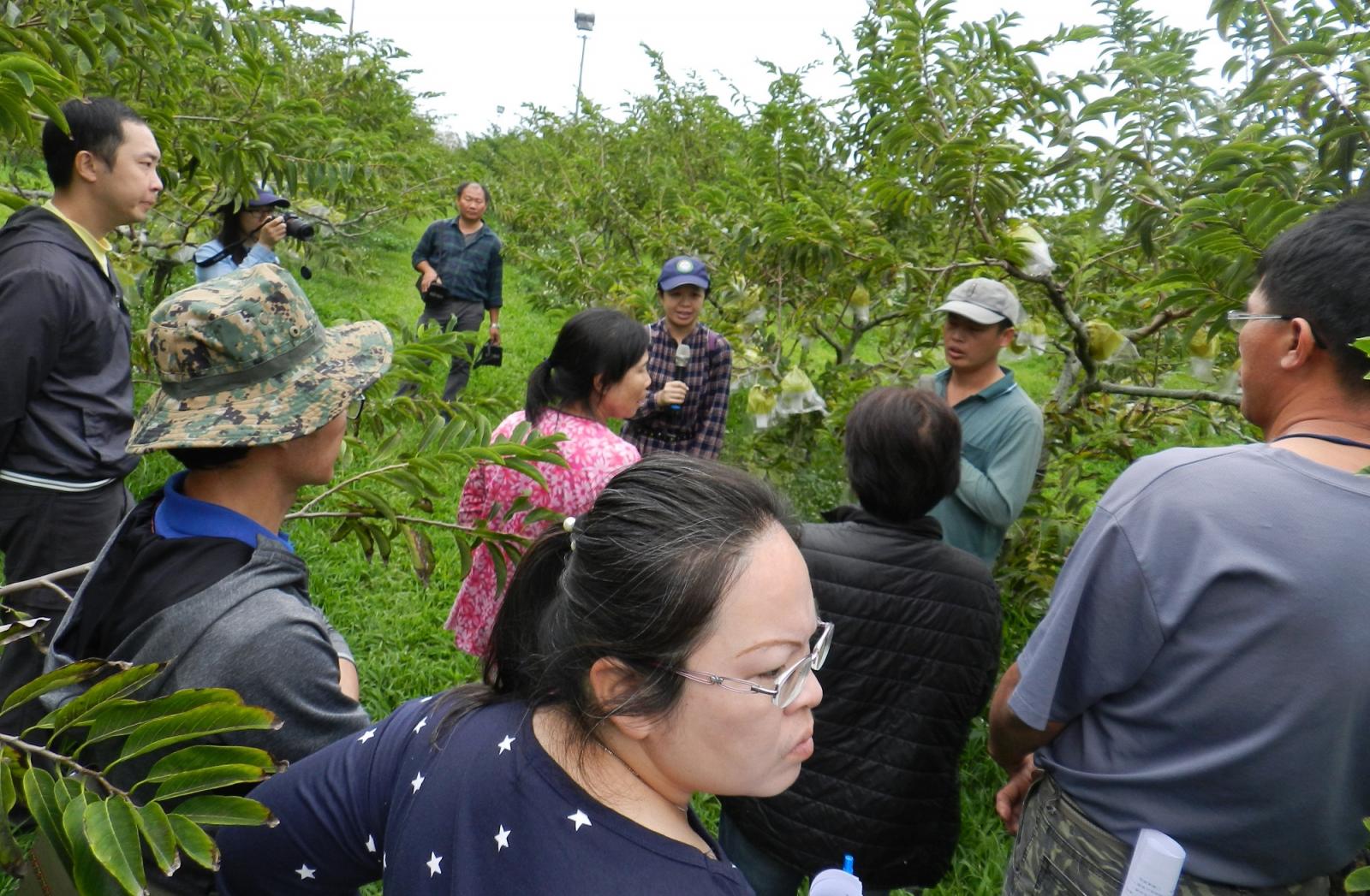
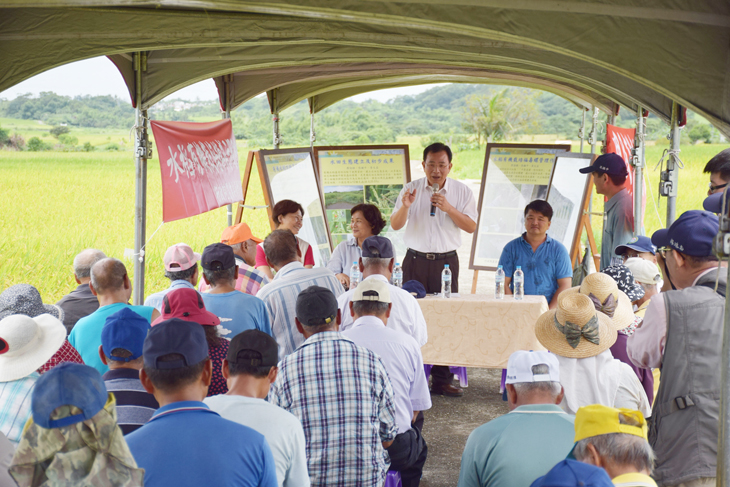
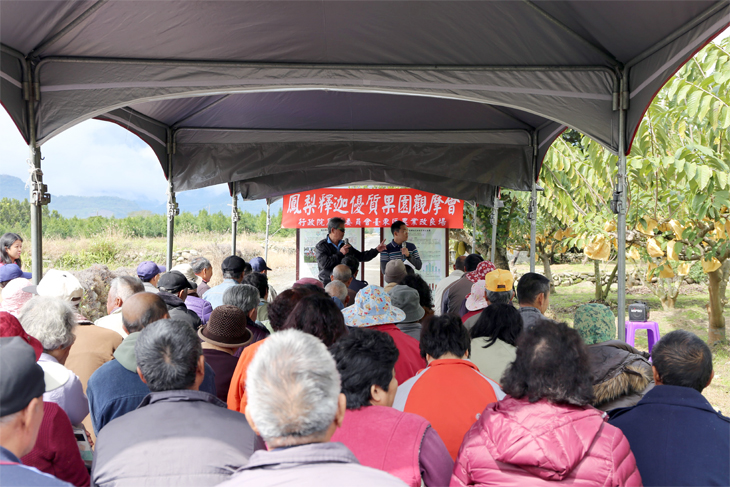
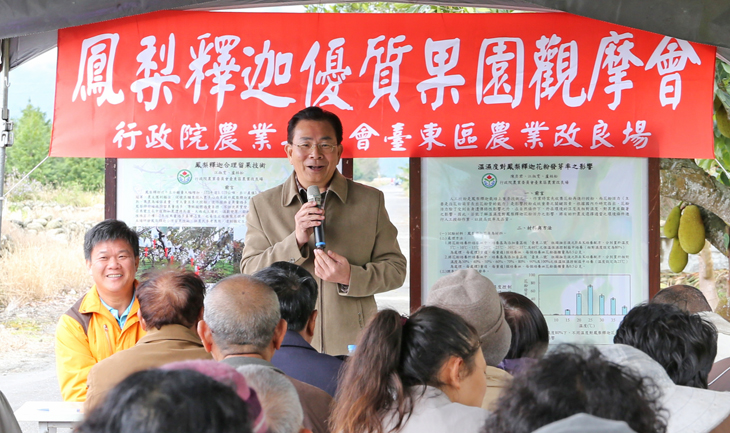
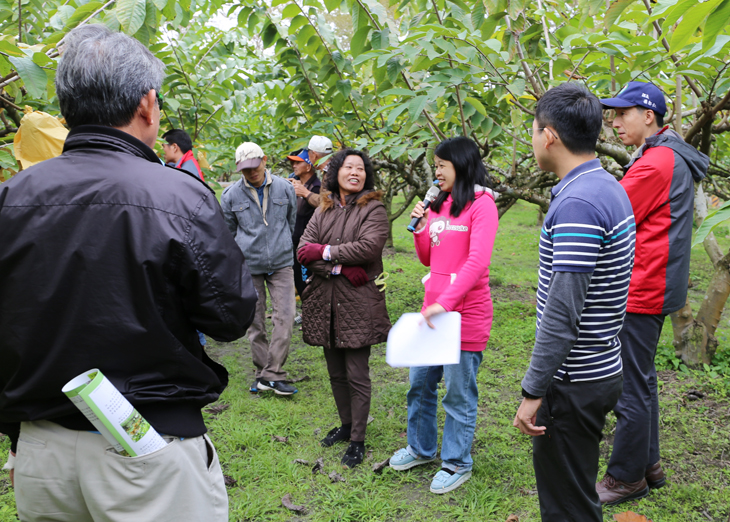
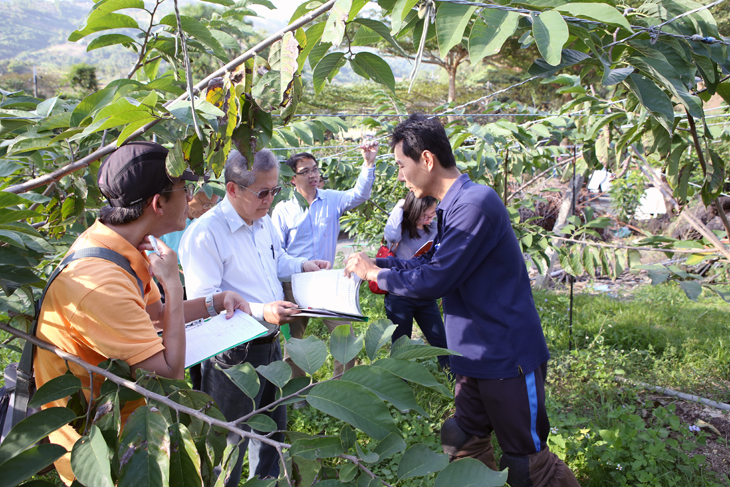
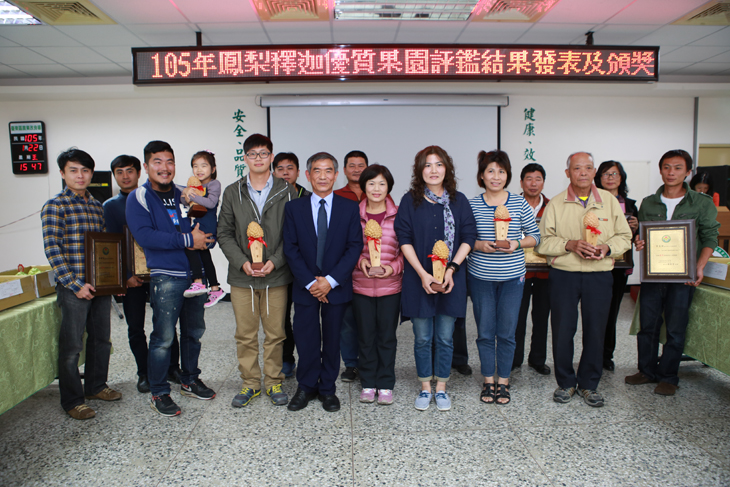
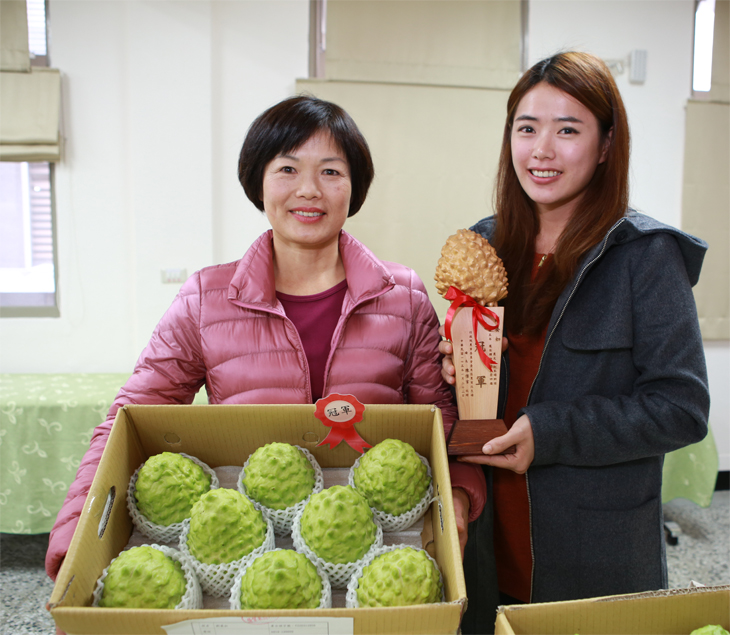
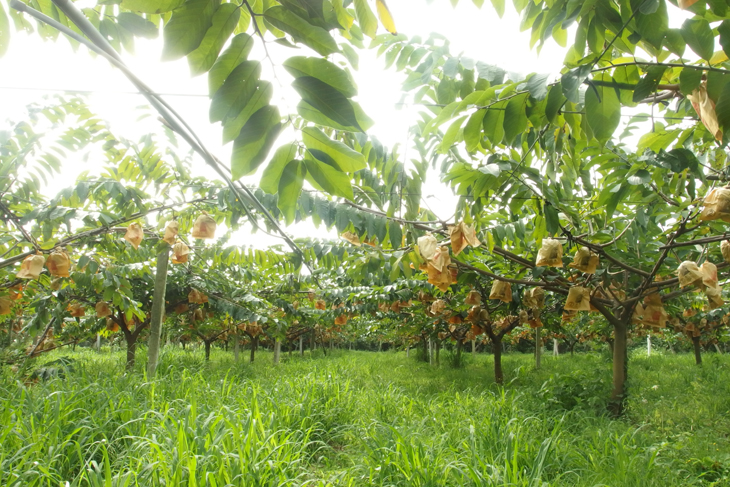
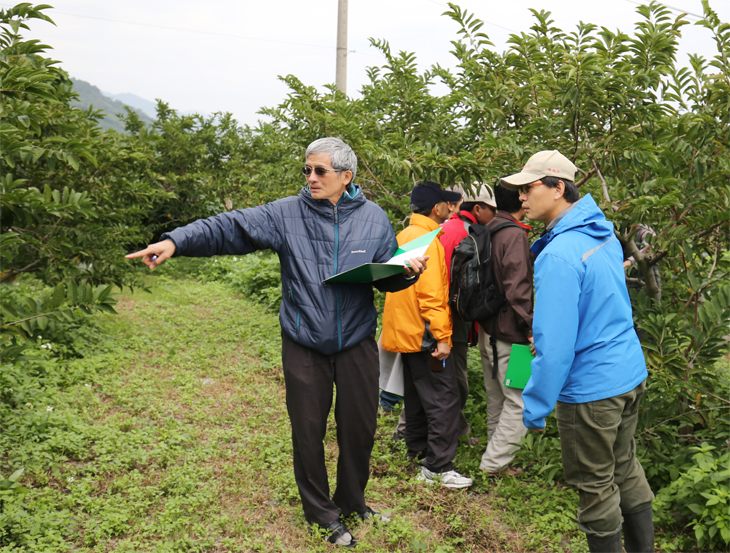
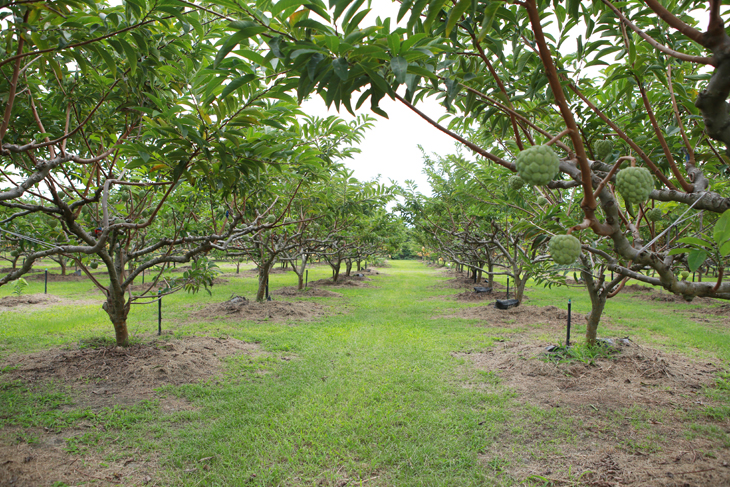
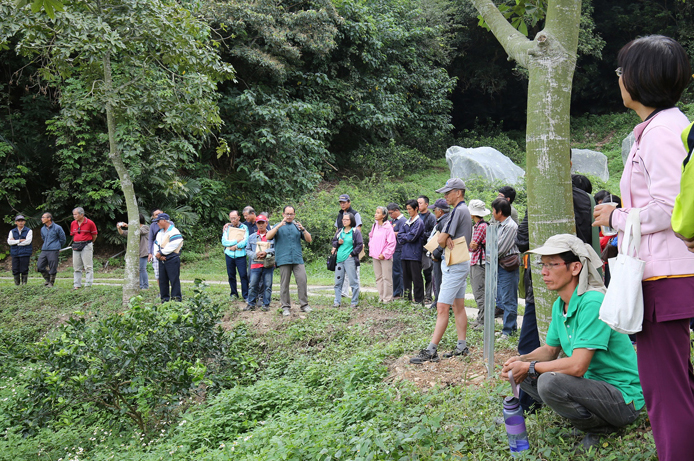
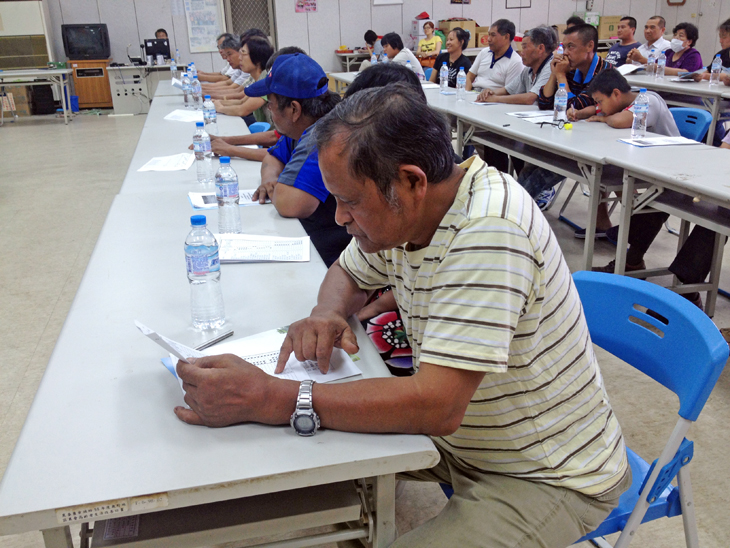
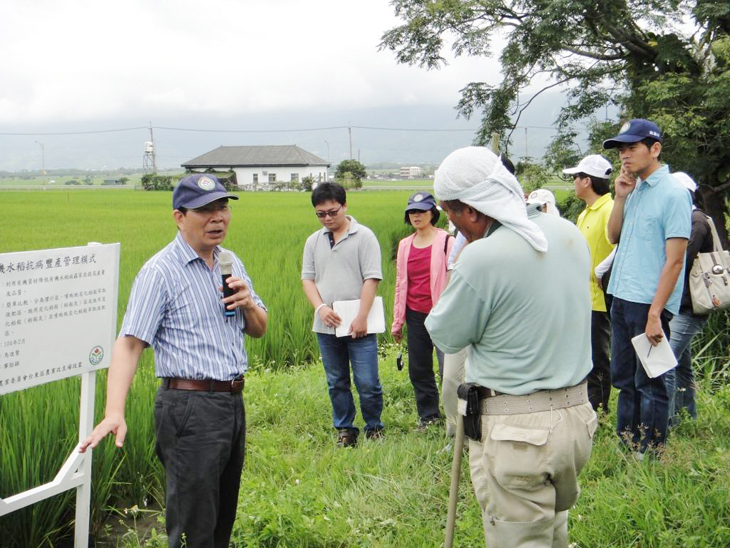
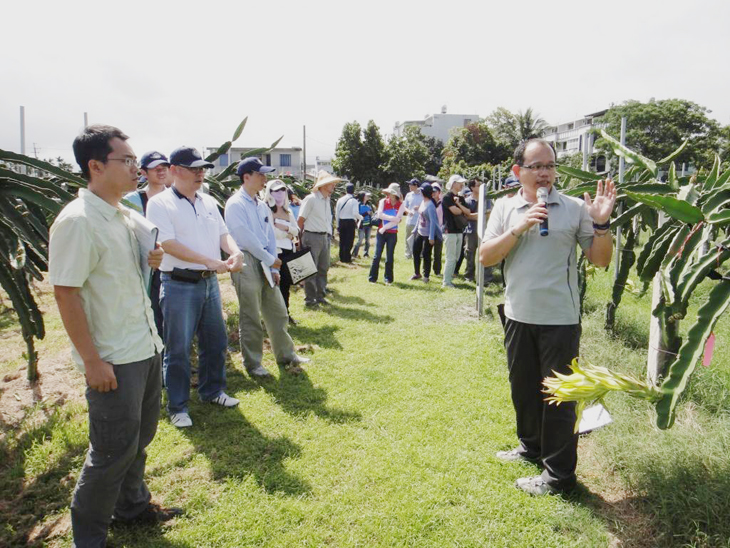
To drive a healthy crop management system and encourage sugar apple farmers to produce safe, high-quality fruit, the Taitung District Agricultural Research and Extension Station (TTDARES) of the Ministry of Agriculture held the Outstanding Sugar Apple Orchard Demonstration Event at the farm of Hsieh Tsung-hsian (second-place winner of the 2024 Outstanding Sugar Apple Orchard Contest) on September 6, 2024. Healthy sugar apple orchard management points were shared at the event, and Hsieh shared his experiences in the field and his thoughts on joining the Taiwan Good Agricultural Practice (TGAP) system, which is a product traceability system. 36 farmers and other people attended and enthusiastically participated in discussion and exchanges. Hsieh stated that being part of the TGAP system has been quite helpful with risk control/management and provides a competitive edge on the market—he has even gone a step further by joining the TGAP PLUS system. The TTDARES emphasized that it takes an outstanding orchard to produce outstanding fruit so as to encourage farmers to implement healthy management and maintain the Taitung sugar apple industry’s competitive edge.

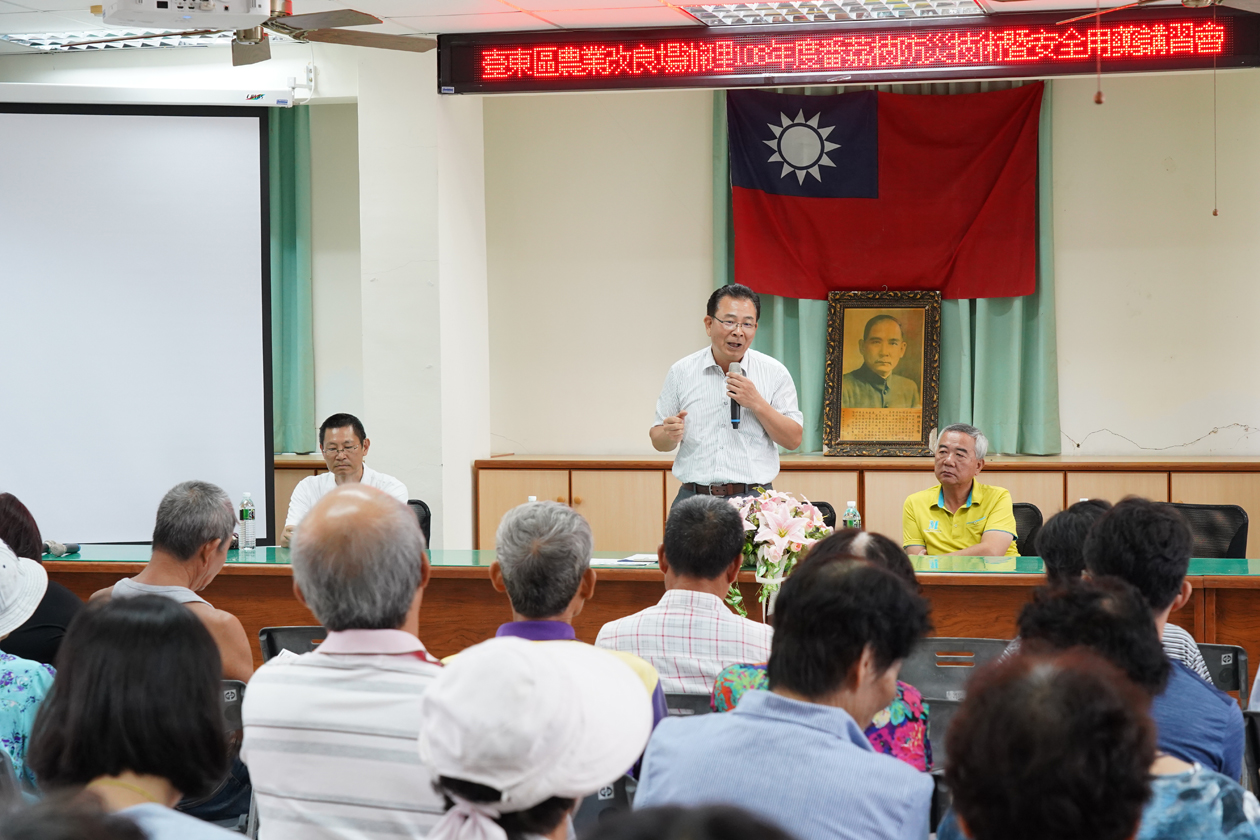
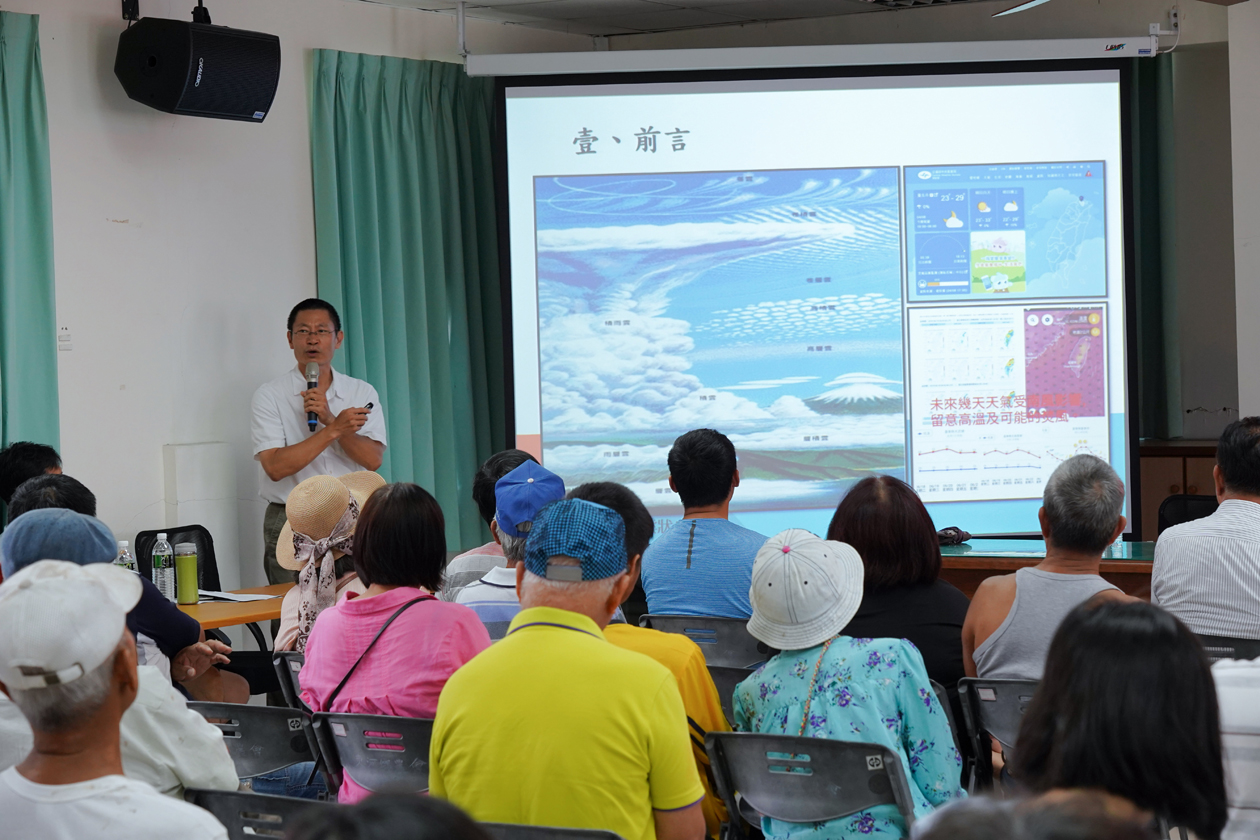
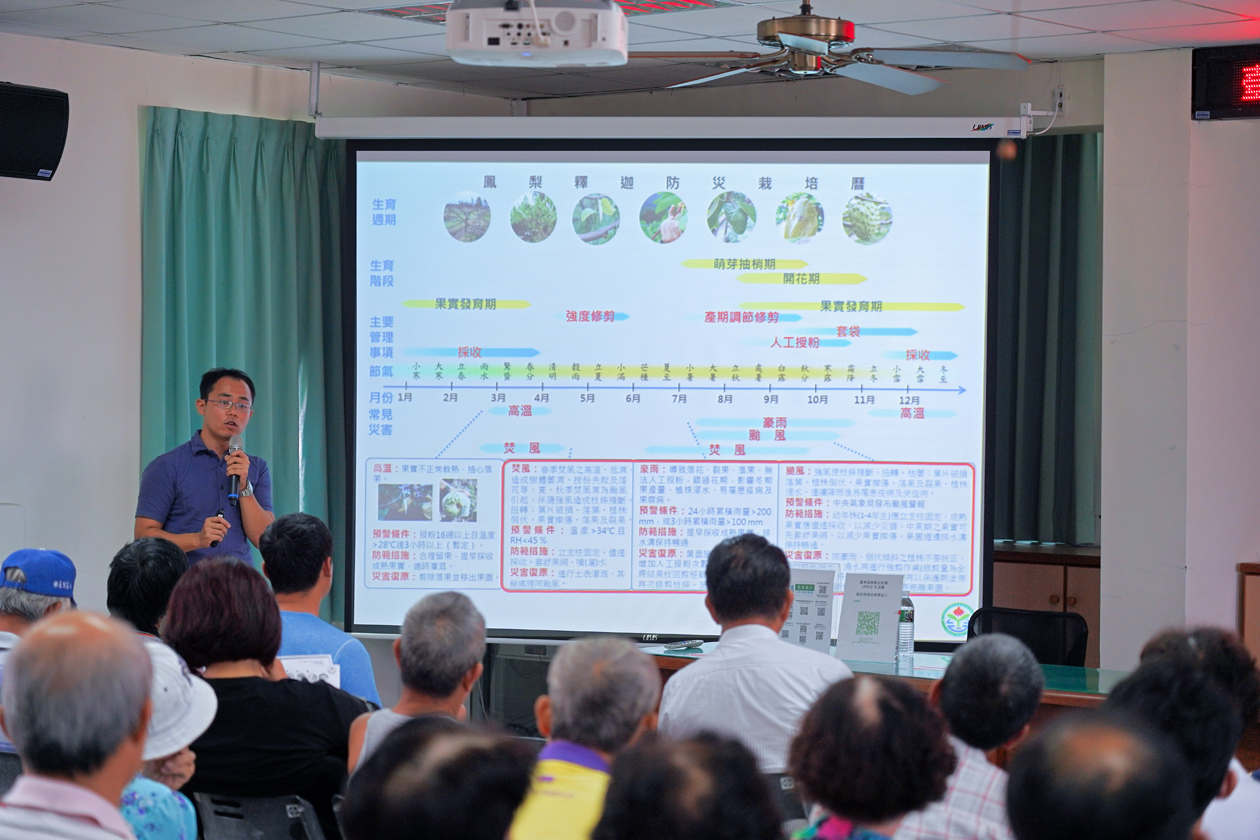
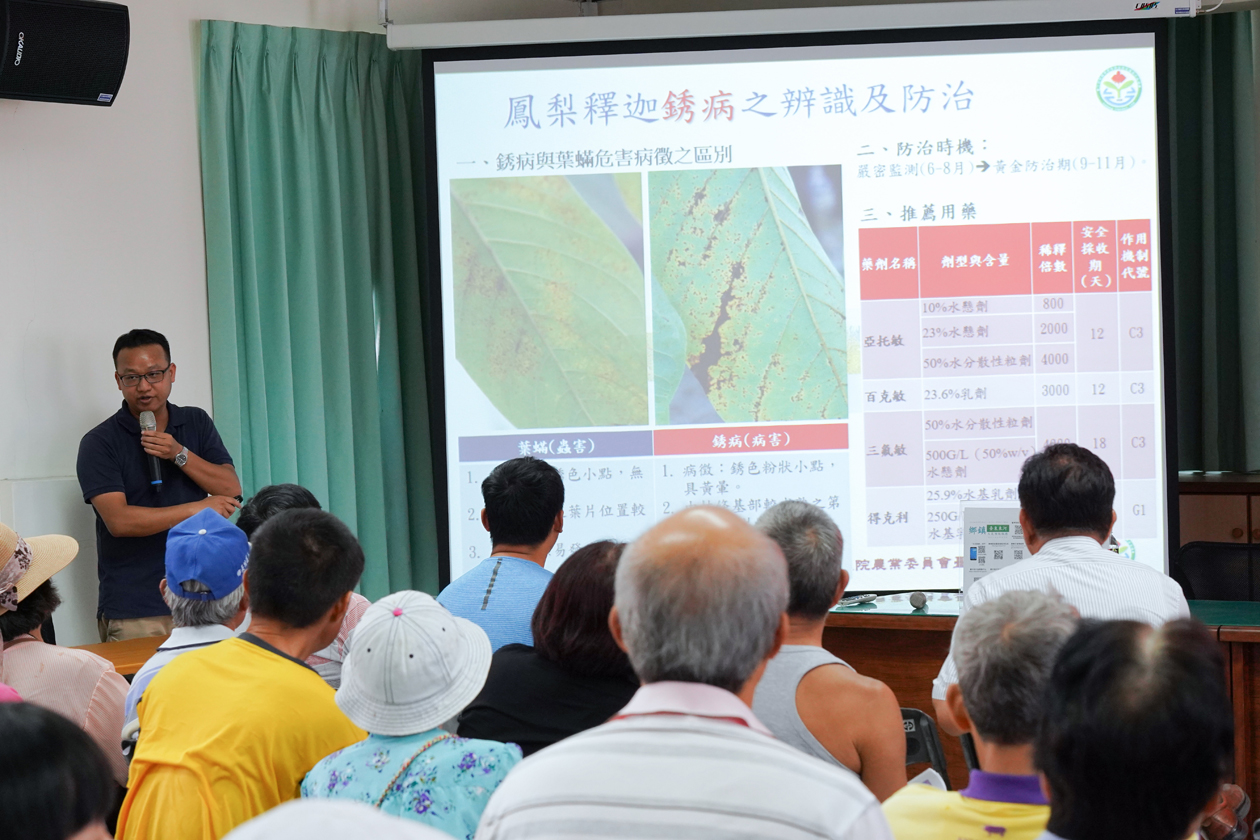
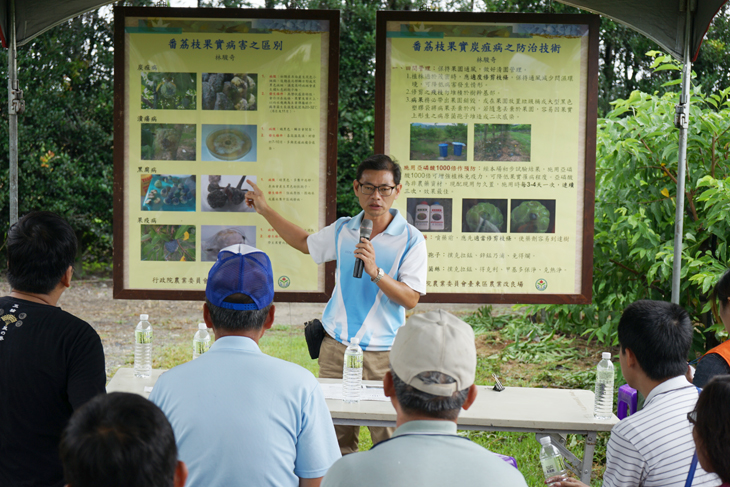
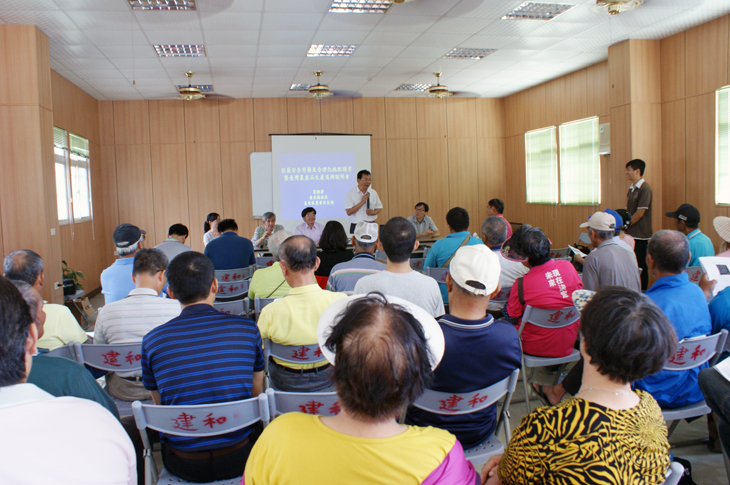
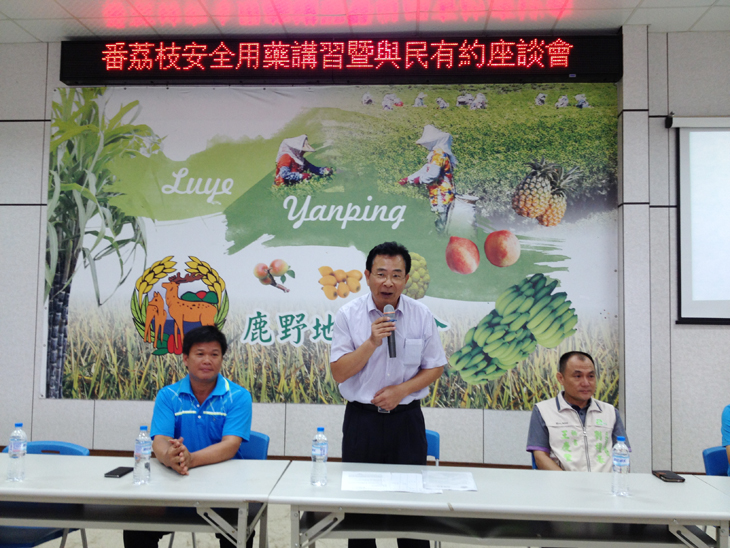
To promote the use of the Agriculture Disaster Prevention Line Group (which allows farmers to receive real-time weather and crop disaster prevention information on the instant messaging app Line), enhance the resilience of fruit trees, and reinforce sugar apple pest and disease management techniques, the TTDARES held the Fruit Tree Disaster Prevention Information and Sugar Apple Pest and Disease Integrated Management Techniques Seminar on the morning of August 28, 2024 at the Taimali Farmers’ Association in Taitung County. The use of the Agriculture Disaster Prevention and Weather Information Platform and techniques on preventing/reducing fruit tree damage from natural disasters were discussed at the event. By obtaining timely alerts and making use of appropriate techniques, farmers may reduce losses in the face of natural disasters. In addition, staff from the TTDARES Plant Protection Laboratory discussed techniques for the safe use of agrochemicals to boost sugar apple quality and safety. 52 growers and other people attended and enthusiastically participated in the event.

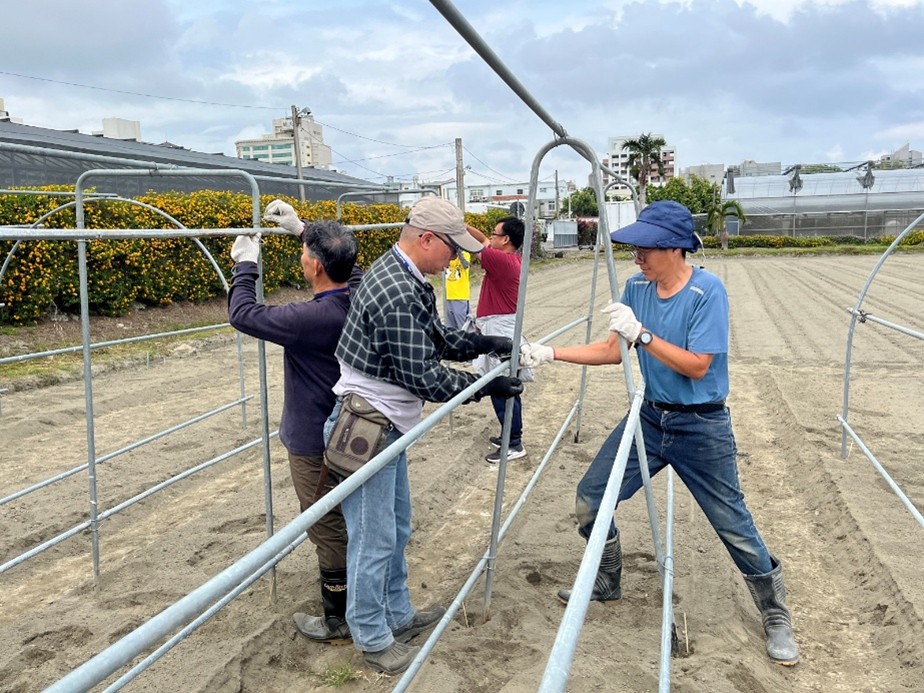
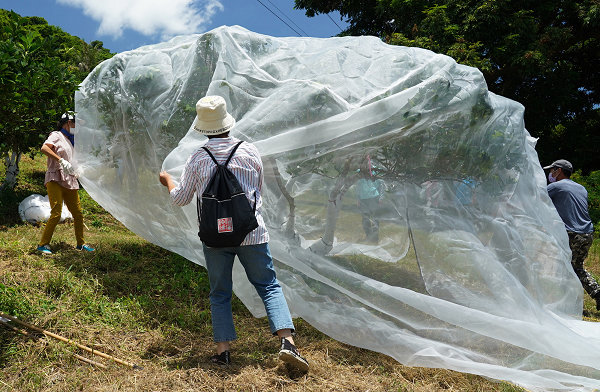
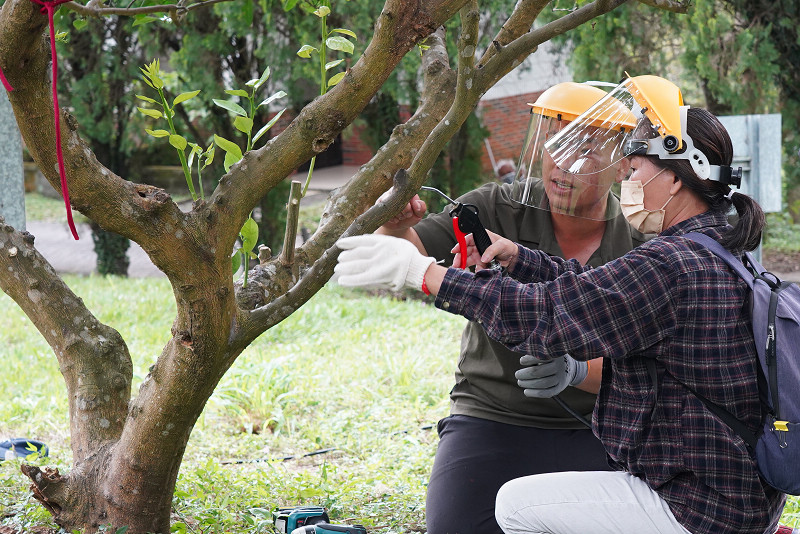
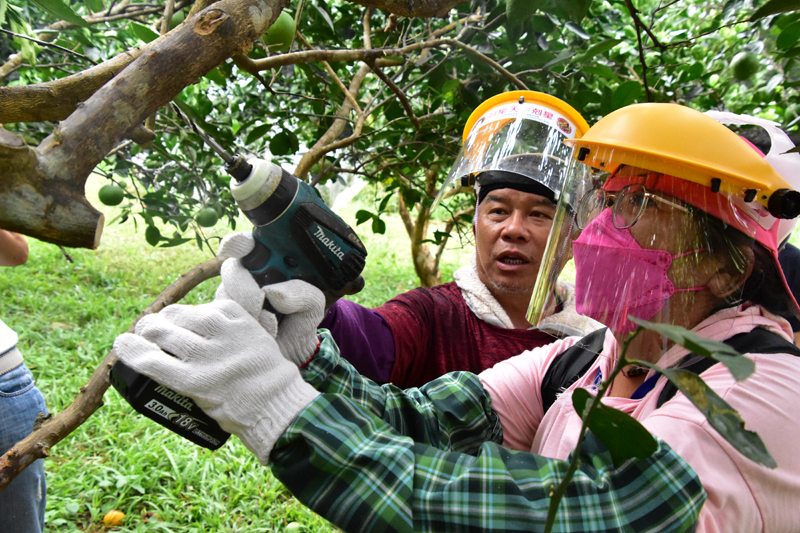
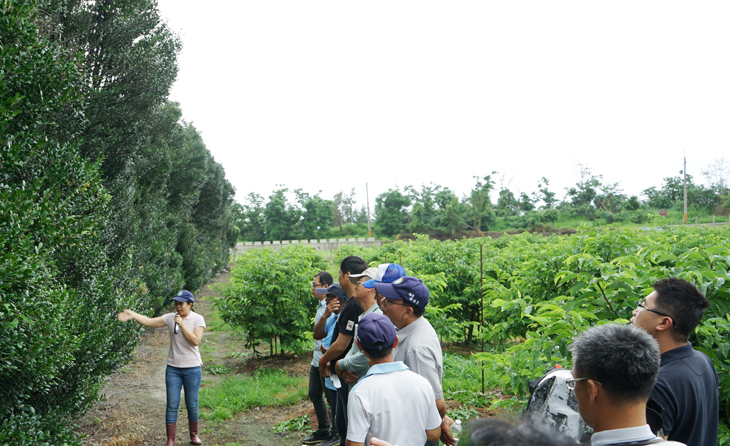
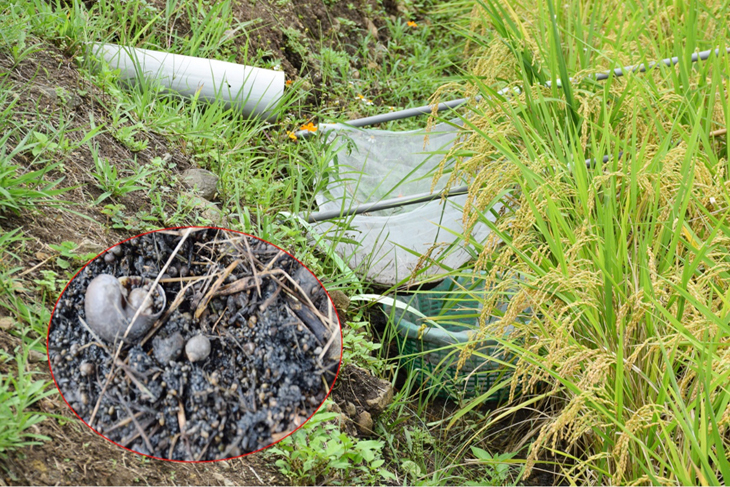
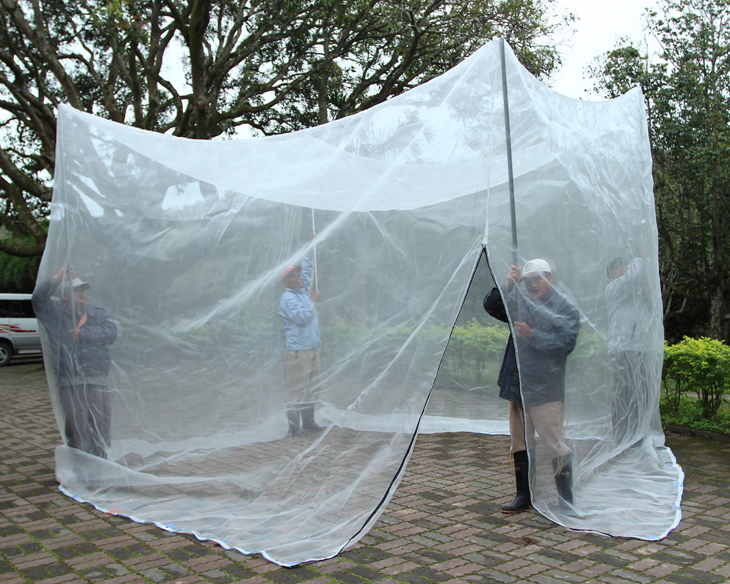
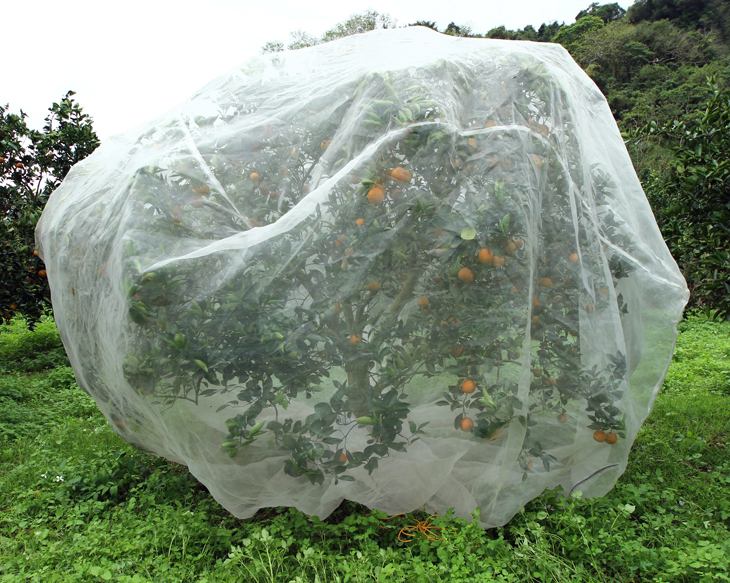
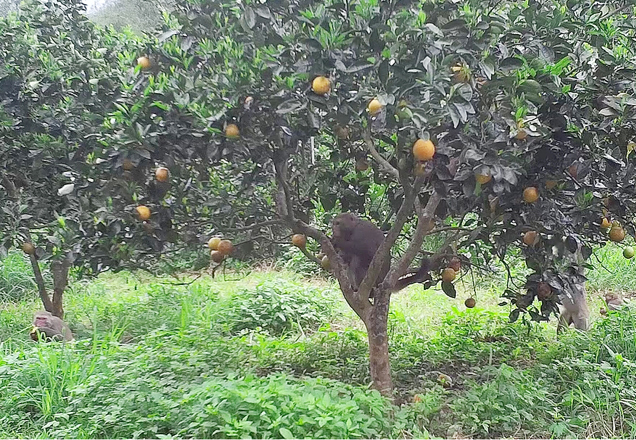
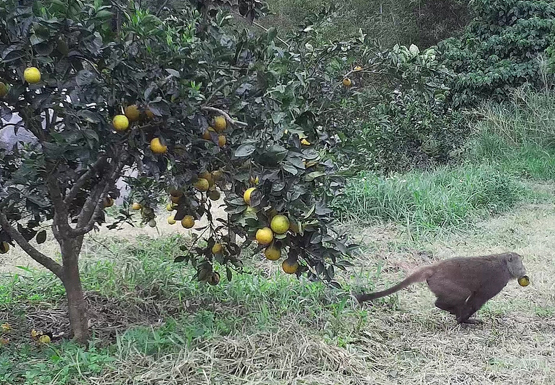
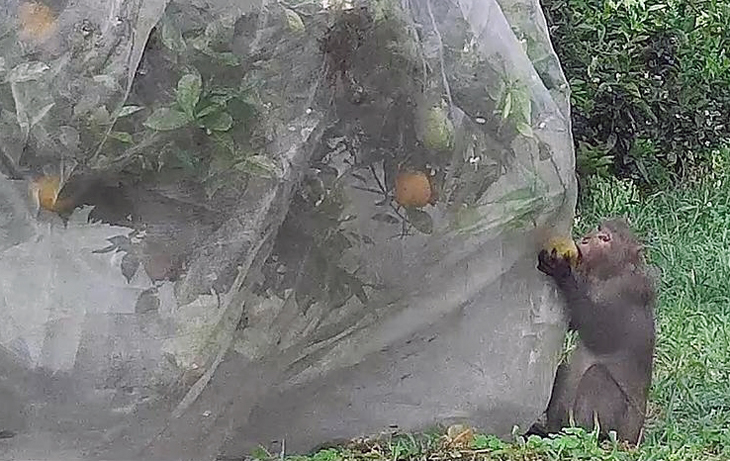
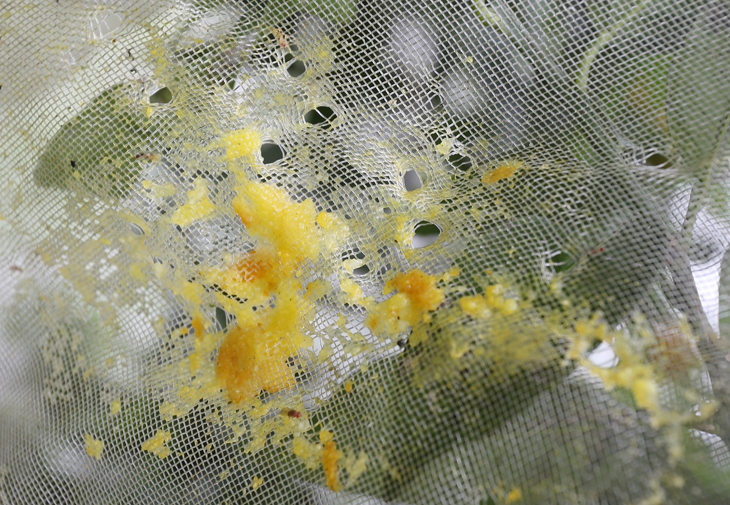
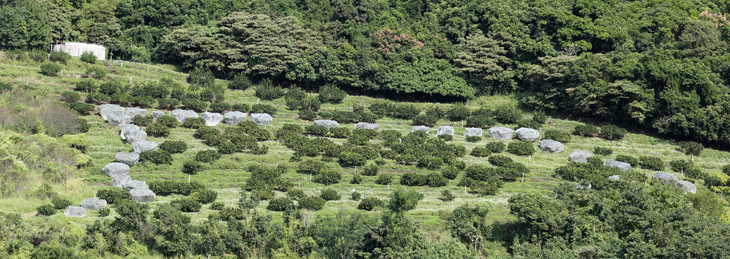
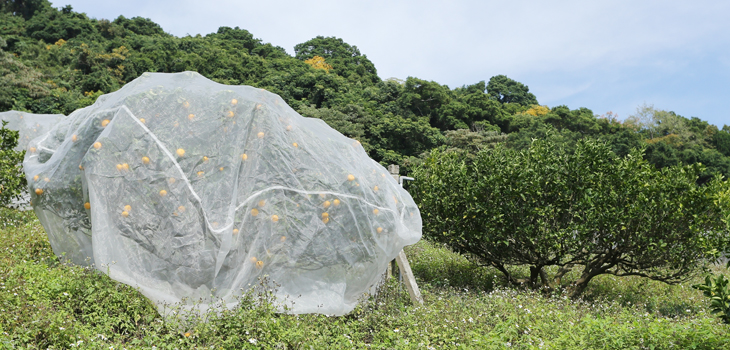
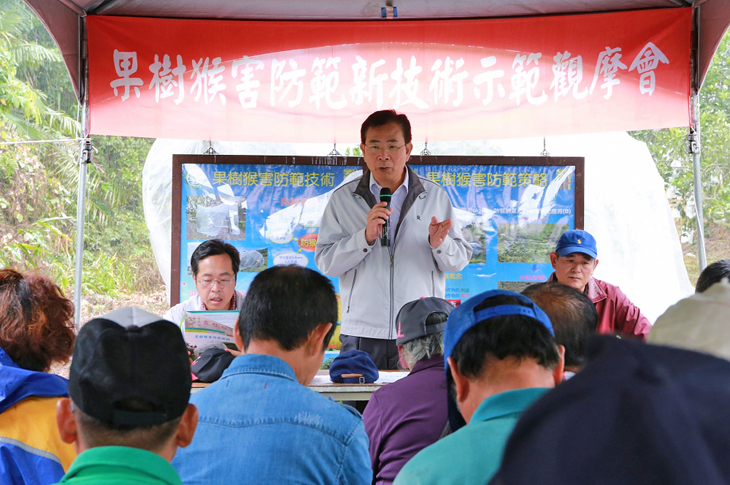
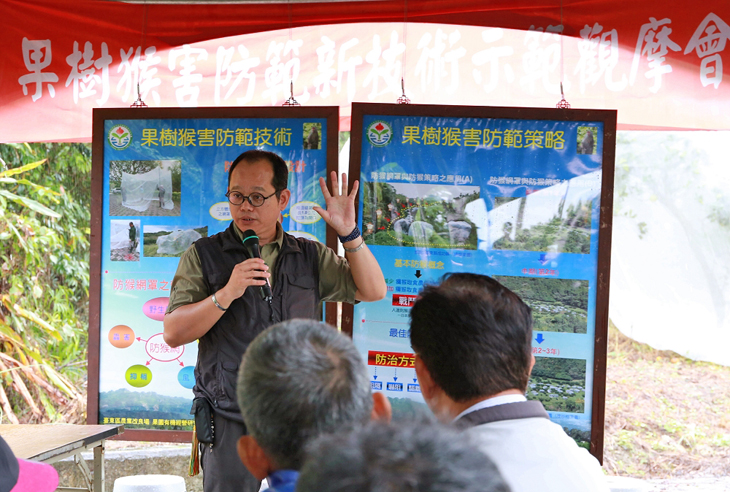
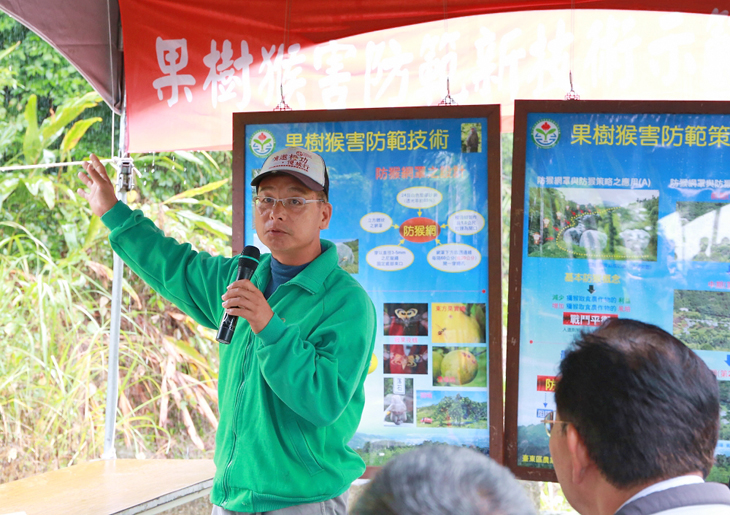
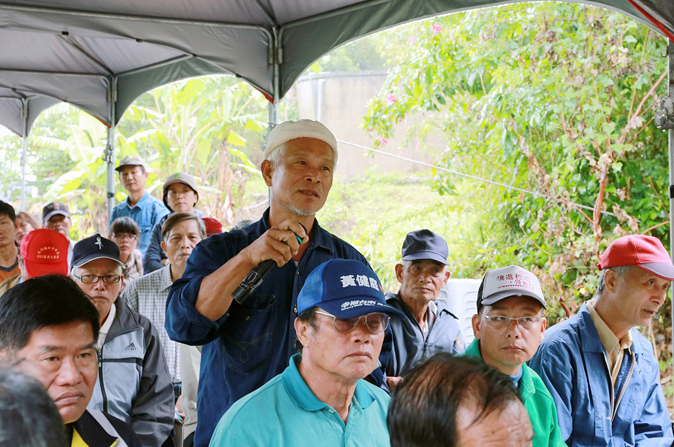
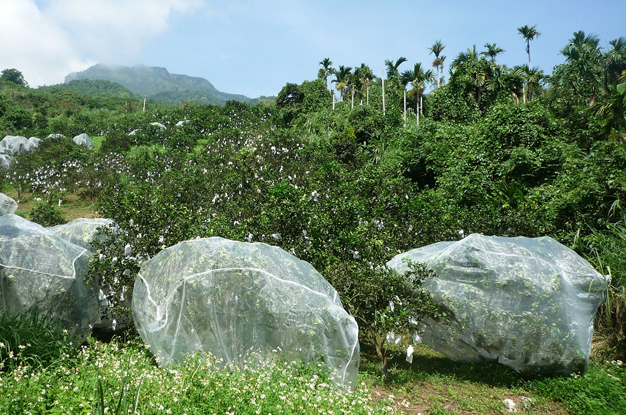
Longicorn beetles and Formosan rock monkeys have long bothered fruit farmers, and dealing with them while not harming the environment has been a challenging issue of urgency. After years of research and experimentation, the TTDARES has developed physical means to eliminate longicorn beetle larvae (with a high-pressure air gun) and to keep monkeys away from trees (with a mesh cover). At the TTDARES Banchiu Branch Station orchard in Binlang on August 21, 2024, the TTDARES held the Eco-friendly Fruit Tree Monkey and Longicorn Beetle Control Techniques and Agriculture Disaster Prevention Information Seminar to provide farmers with related information. Also, to make it easier for farmers to obtain information on the weather to prevent disaster and to help them with applying for relief after natural disasters, an app for taking pictures of affected land was introduced at the event with the aim of reducing farmers’ losses.


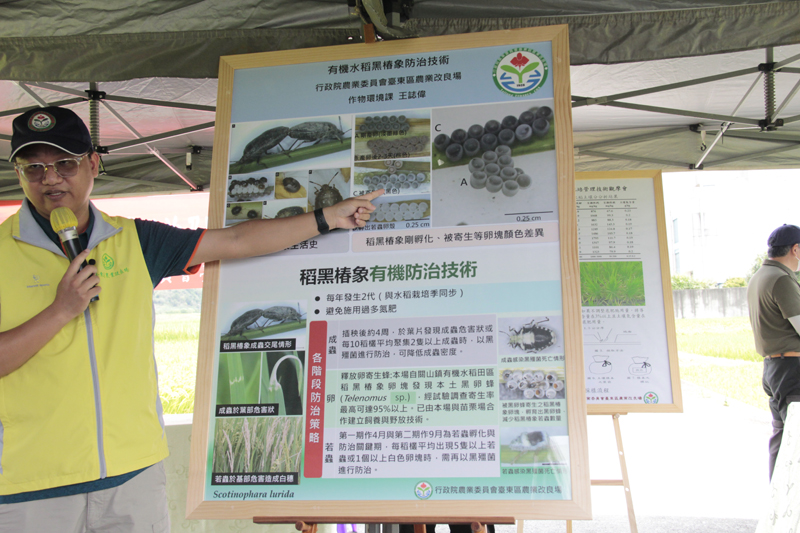
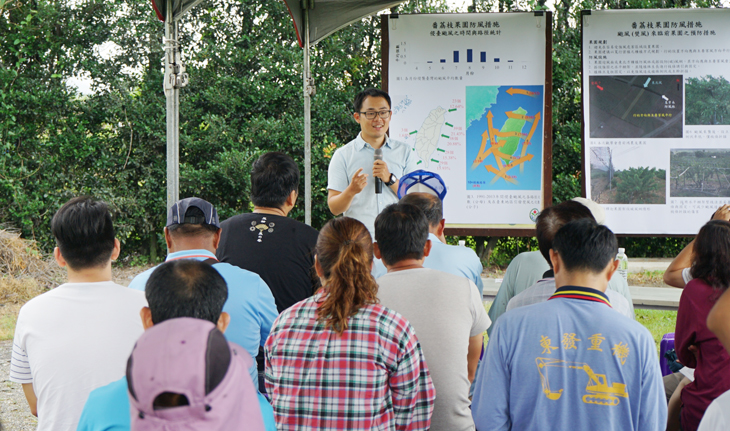
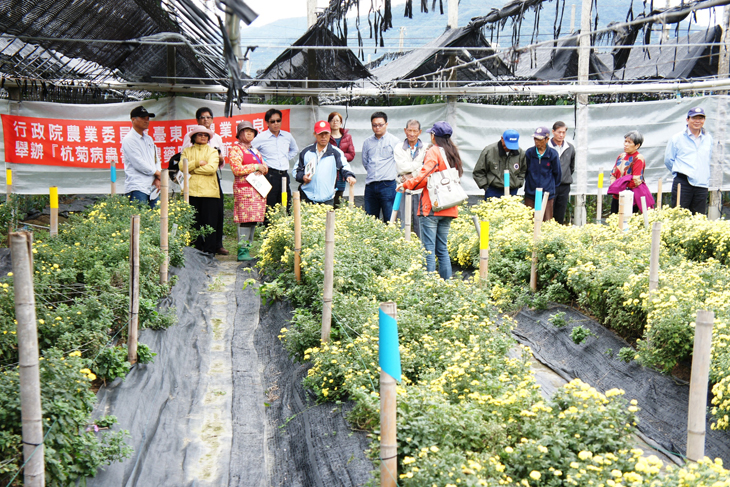
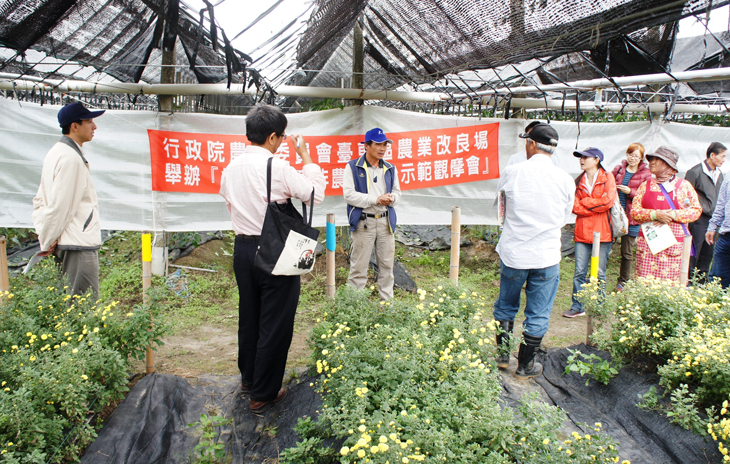
The TTDARES has developed effective, eco-friendly (no agrochemicals required) fruit tree pest and disease management approaches based on “eco-power” that match with a variety of field management measures and the use of organic materials. At the TTDARES Banchiu Branch Station orchard in Binlang on June 25, 2024, the TTDARES held the Eco-friendly Fruit Tree Pest and Disease Management Techniques and Agriculture Disaster Prevention Information Seminar to provide farmers with related information. In addition, June falls in the typhoon season, and since obtaining typhoon information is important to increase farmers’ capacity to respond, the Agriculture Disaster Prevention and Weather Information Platform was introduced, which makes it easier for farmers to be aware of related information so that they may take preventive measures in advance to reduce losses when bad weather is expected.


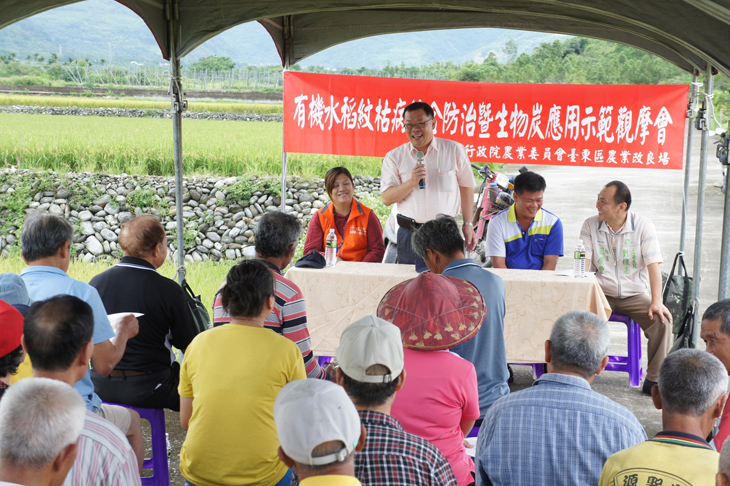
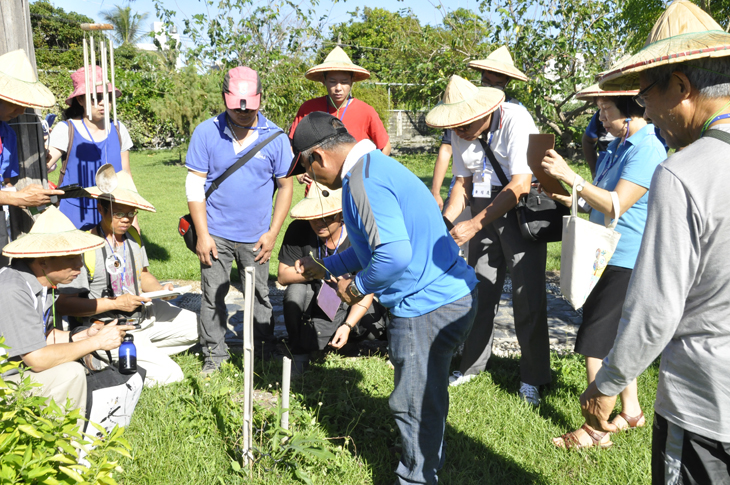
Weeds, which can be a form of groundcover, play quite an important role in the ecology. If the groundcover in an orchard has biodiversity, it will invite the arrival of pests’ natural enemies and lead to antagonism, thus helping in the battle against pests and diseases. A diversity of vegetation directly and indirectly positively affects the physical, chemical, and biological properties of the soil and enhances its fertility. Weeds have always been a problem for farmers, so to ensure proper care for orchards and help reduce farmers’ workloads, the TTDARES held the Eco-friendly Orchard Groundcover (Weeds) Management Techniques and Agriculture Disaster Prevention Information Seminar at the TTDARES Banchiu Branch Station orchard in Binlang on April 24, 2024, at which integrated management techniques developed for orchard groundcover were shared with farmers. Also, to increase farmers’ capacity to respond to natural disasters, the Agriculture Disaster Prevention and Weather Information Platform was introduced and demonstrated at the event. The platform provides information to help farmers take preventive measures in advance to reduce losses when bad weather is expected.


]]>

]]>

]]>

]]>

]]>

]]>

]]>
]]>
]]>
]]>
]]>
]]>
]]>

]]>


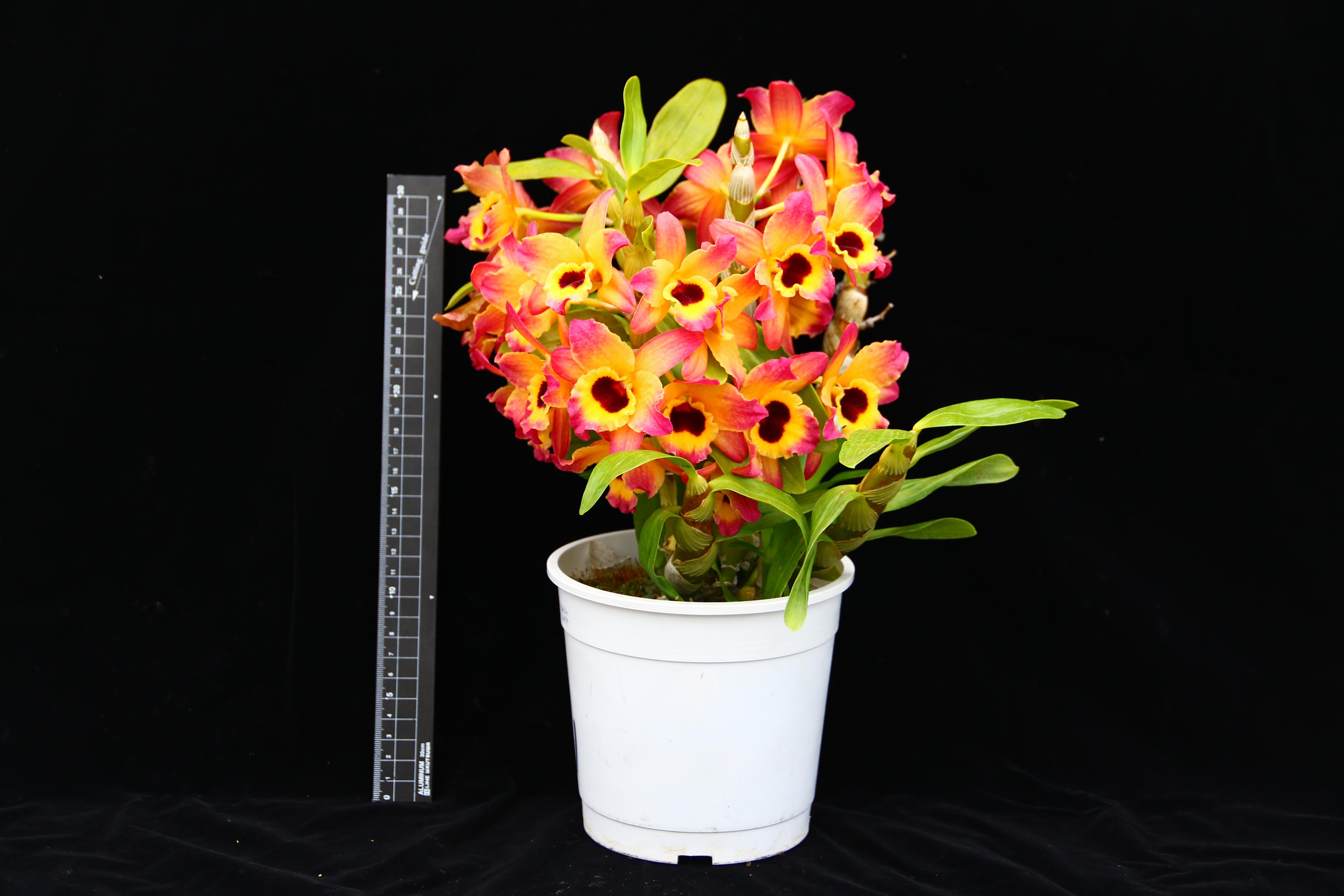
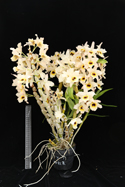
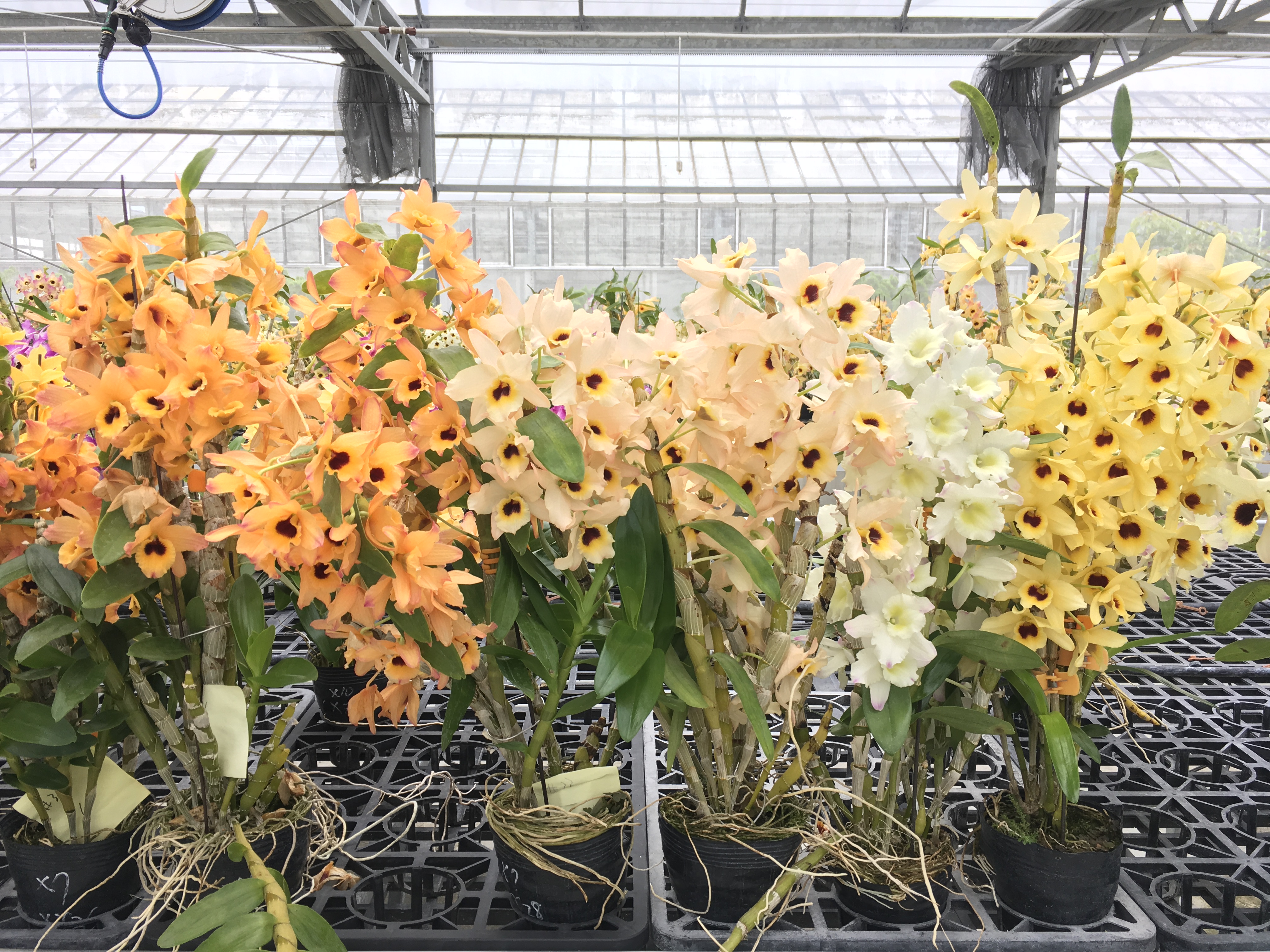
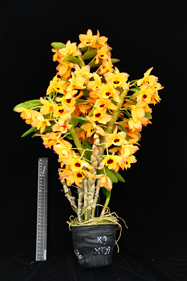
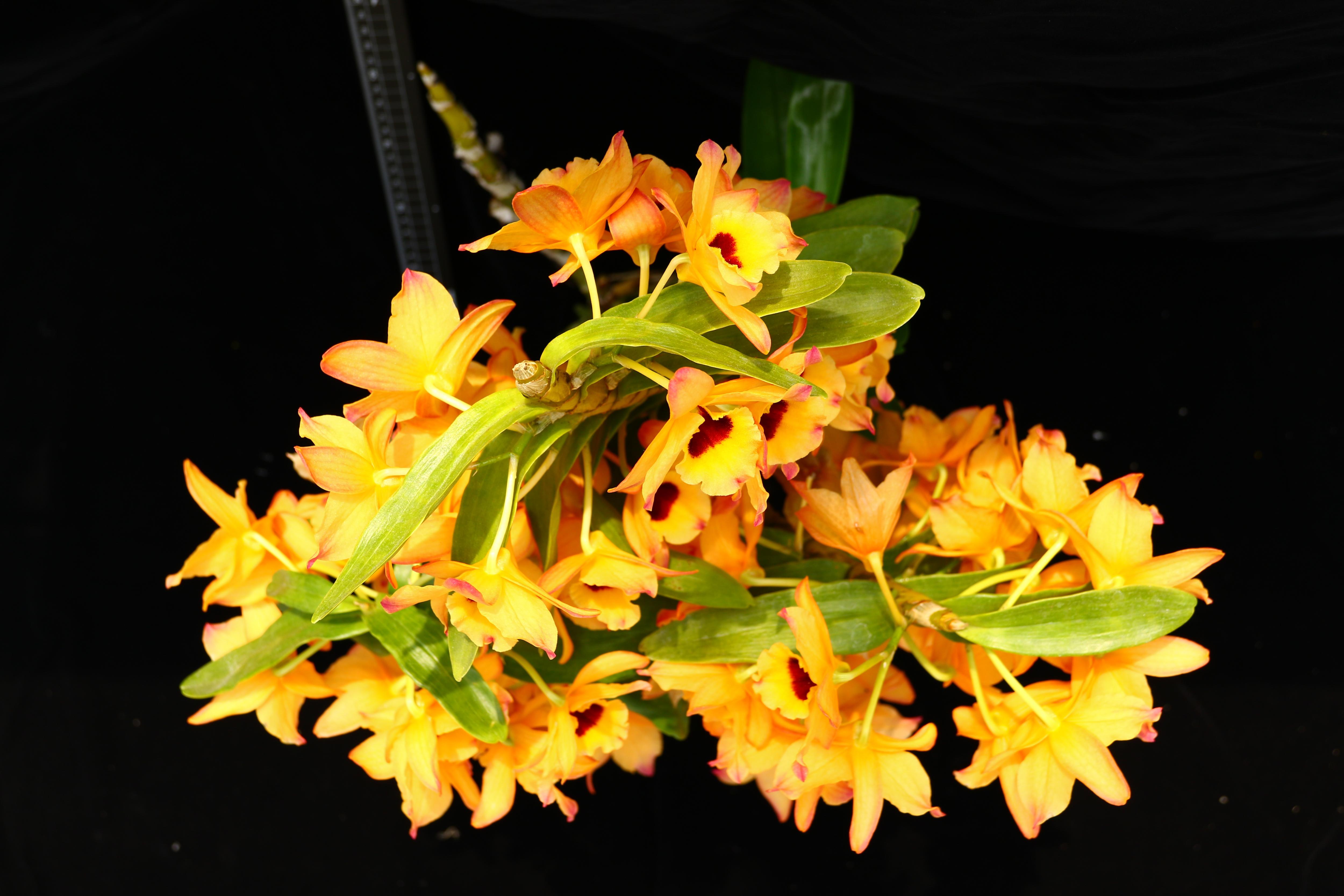
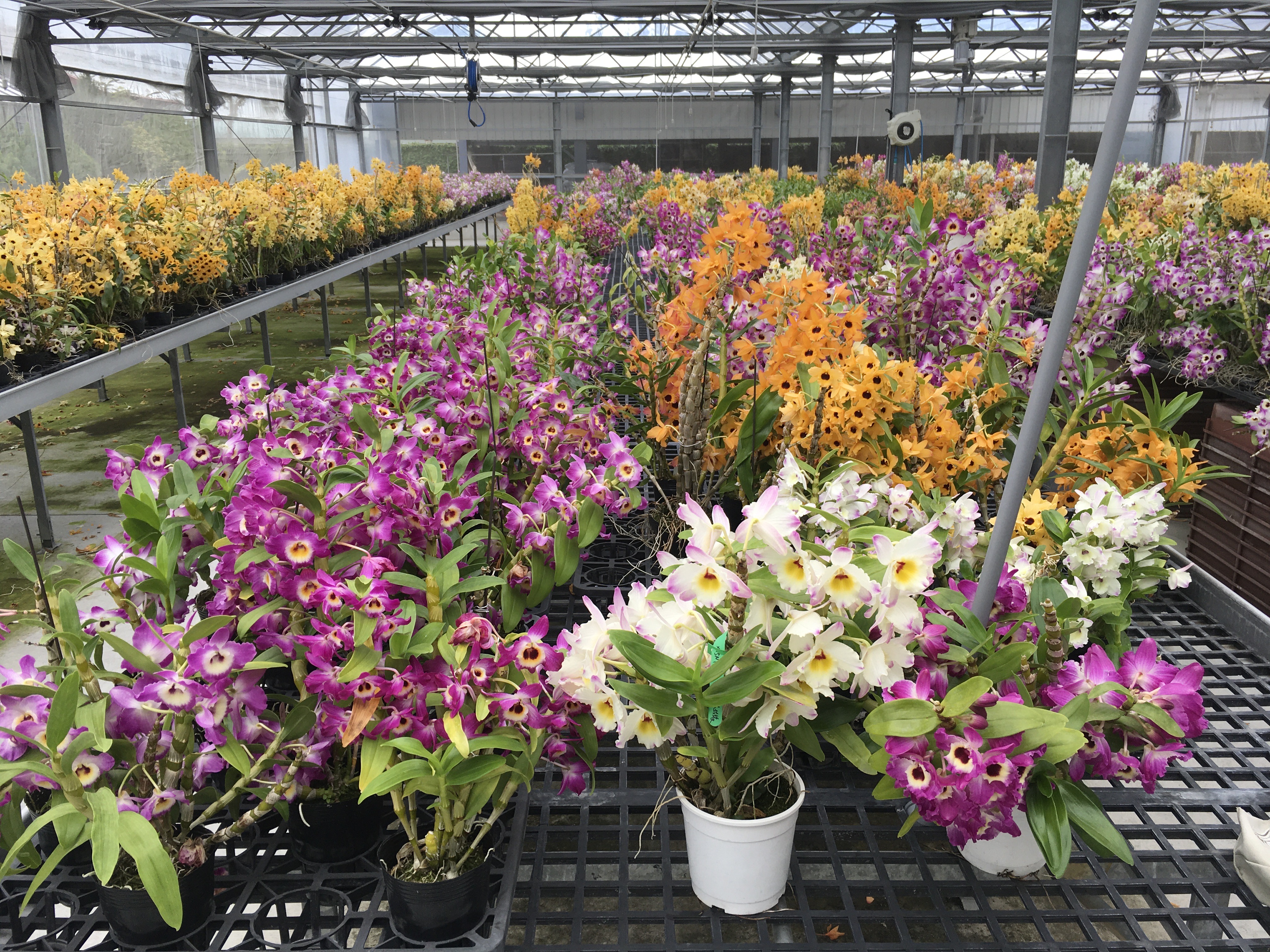
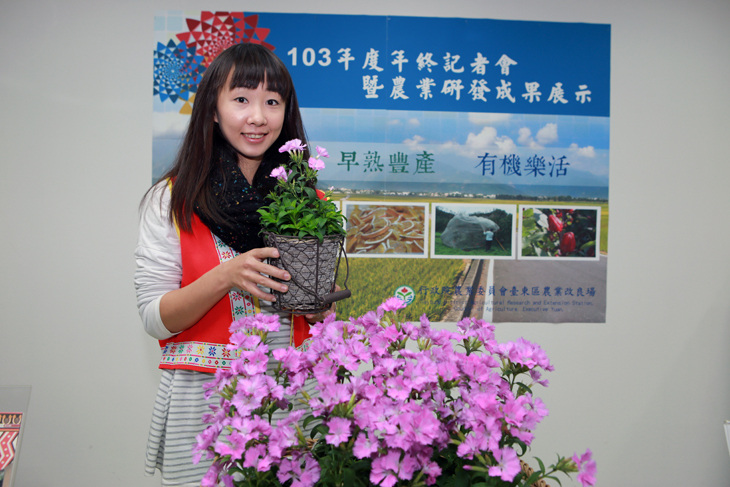
Taitung wedding has multiple stems, producing three annually. The eye-catching flowers are large, bright in color with strong contrast, and grow as tall as 30 centimeters. Taitung quartz pink changes in color: the blooms first appear as light yellow before gradually becoming pink, a relatively rare phenomenon on the commercial market. Taitung positive passion has deep yellow, mid-sized blooms whose petal edges are embellished with a red-purple, and it readily blooms in warm temperatures. Dendrobium nobile is a crucial element in driving Taitung’s competitiveness in the industry. In recent years, major flower companies from the US and Europe have actively sought out new varieties in Taiwan, so breeding good new strains has become important in boosting competitiveness. The three varieties introduced here will be promoted through means of paid transfers or variety rights permission, accelerating the diversification of usage and contributing to a strong foundation for Taiwan’s Dendrobium nobile industry.


]]>


]]>


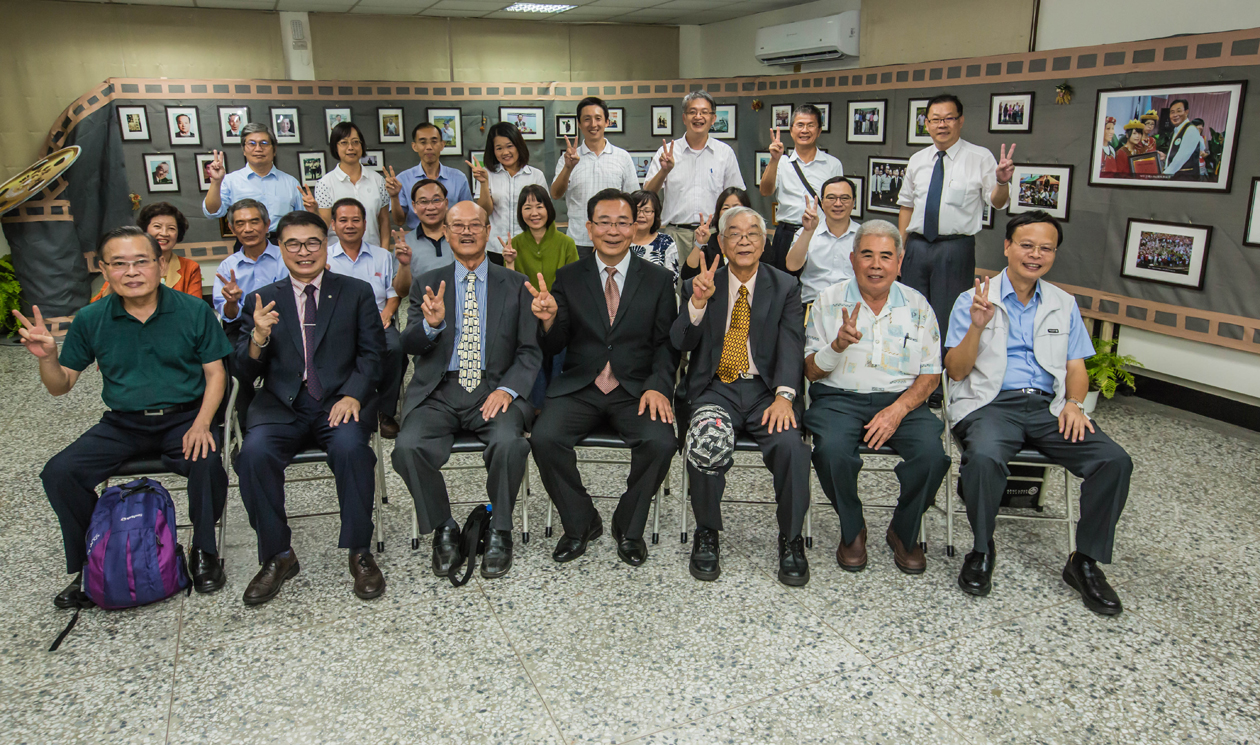
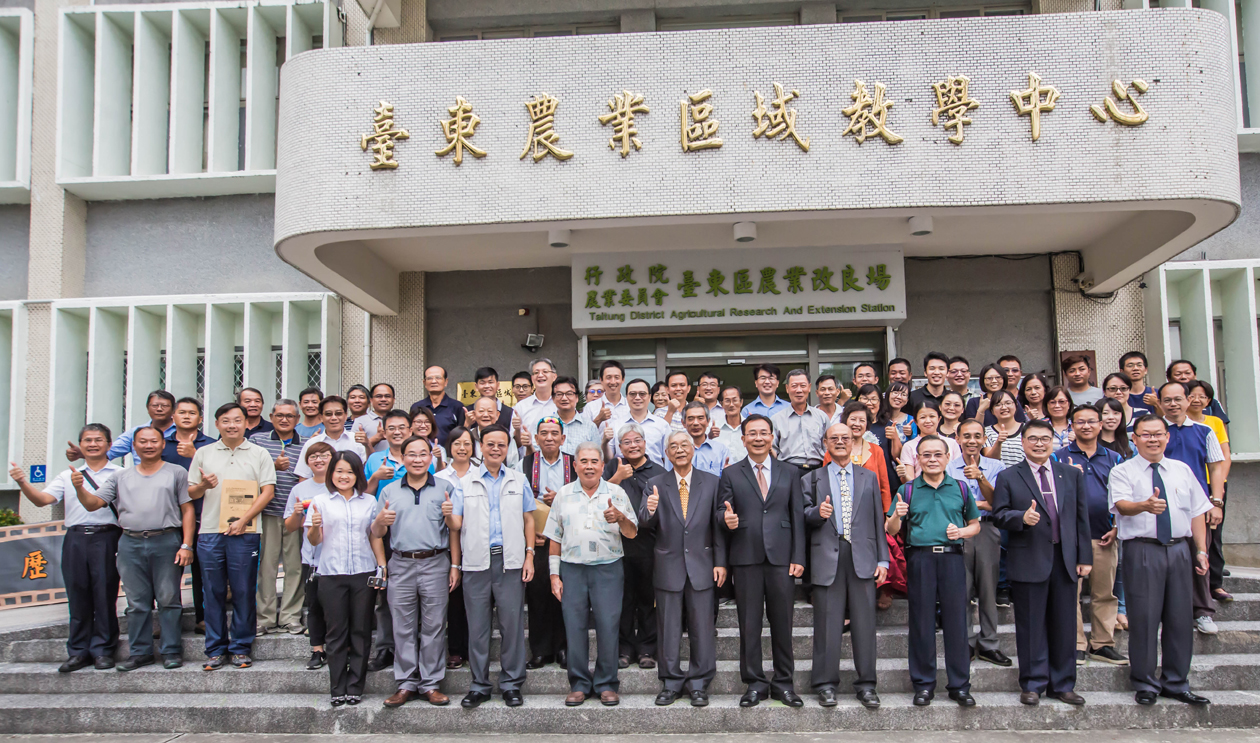
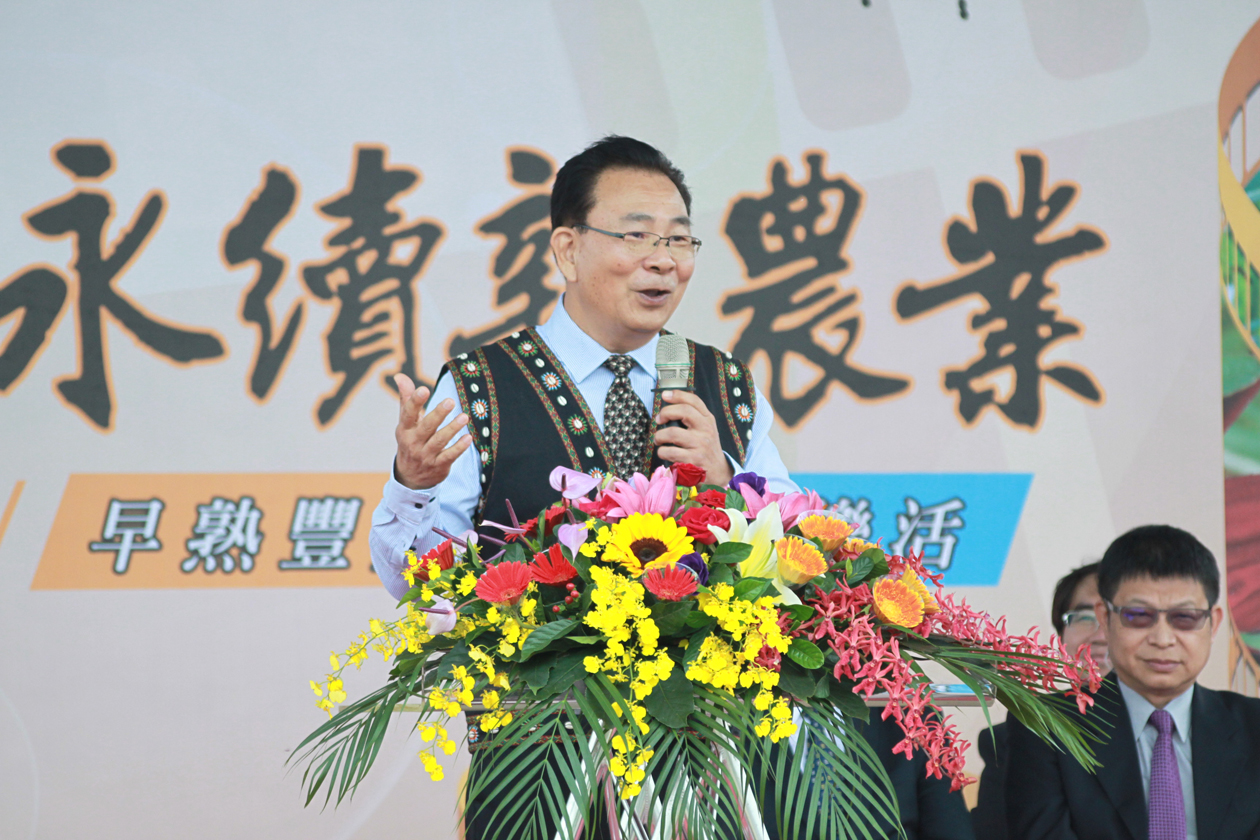
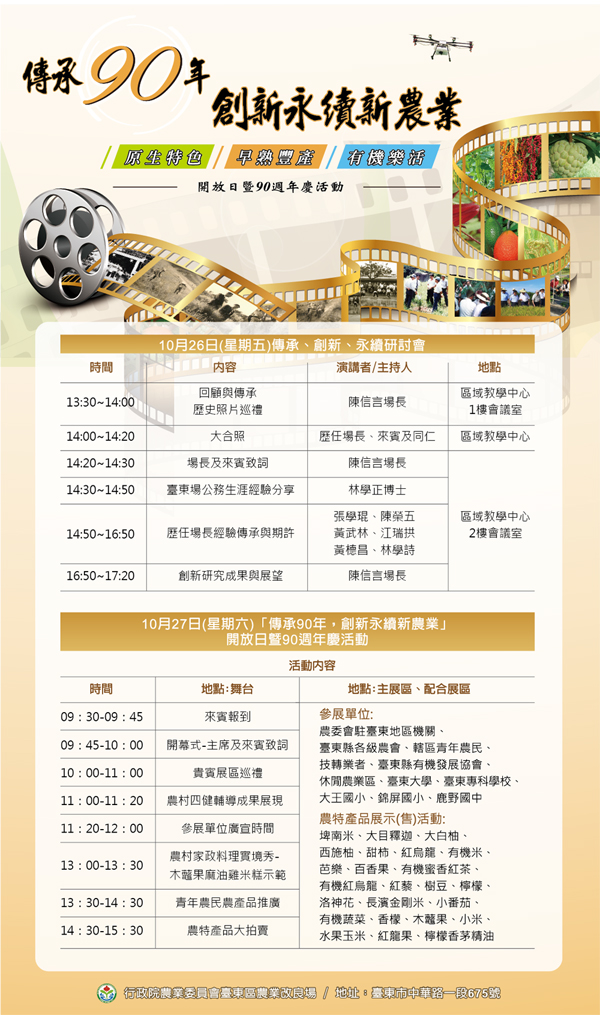
TTDARES Director Chen Hsin-yen stated that this year’s open house and anniversary celebration coincide with the publication of its latest TTDARES Achievement Records. He thanked the former directors for coming to share about their experiences, which was very helpful for those of the current generation. With the outstanding leadership of the former directors and the hard work of employees at the TTDARES, many and great things have been achieved over the past 90 years. An exhibition entitled Looking Back on History and Legacy was set up in the first-floor meeting room of the TTDARES regional education center, allowing viewers to take a trip back in time and both see and affirm all that the TTDARES has done for Taitung over the years.

Former TTDARES directors attended the events to share their experiences, and there were also a photo exhibition and the release of the latest TTDARES Achievement Records, allowing attendees to become better acquainted with the TTDARES. On the second day, there was an exhibition of achievements (including farming technology and new plant variety development) related to three core concepts the TTDARES has been working on: special indigenous crops, early ripening, and organic LOHAS living. DIY activities, great food, and discounted agricultural products were available at the event. All who came had a fun and educational time. (See attachment for more details.)
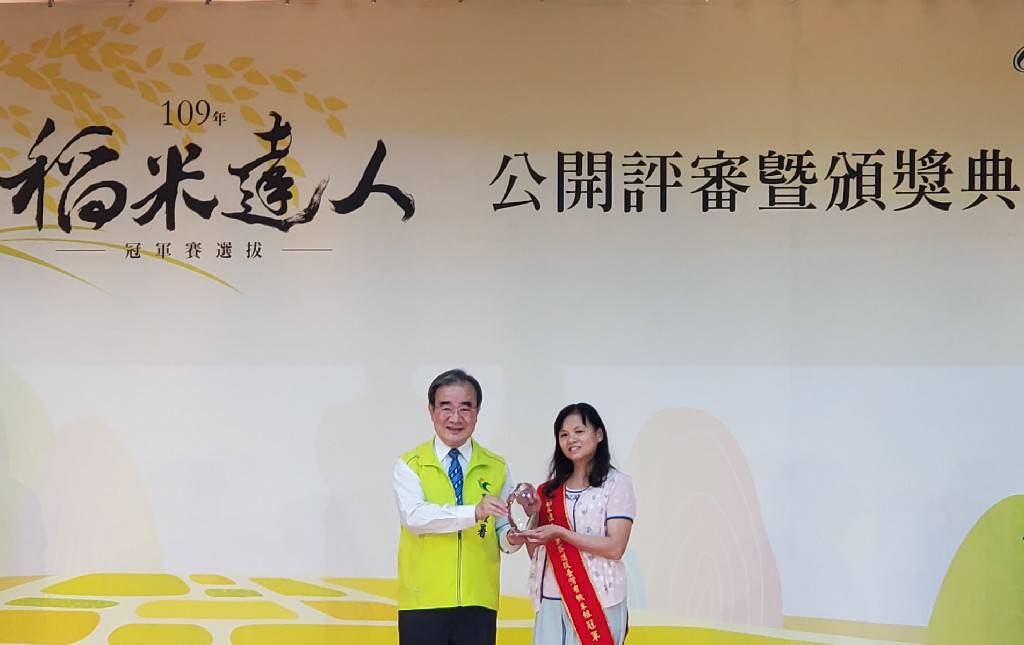
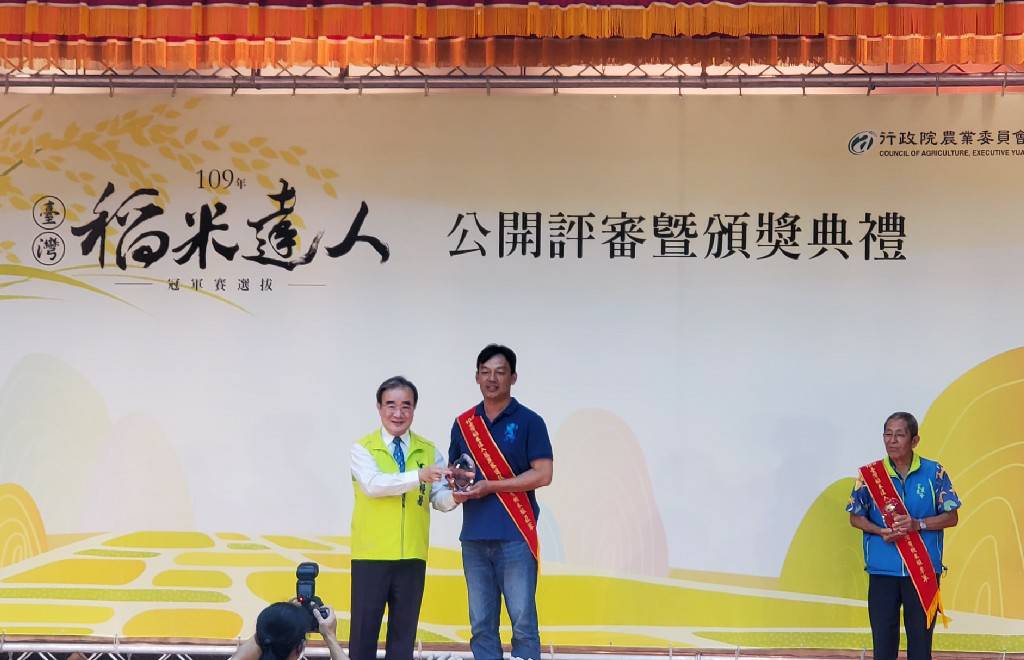
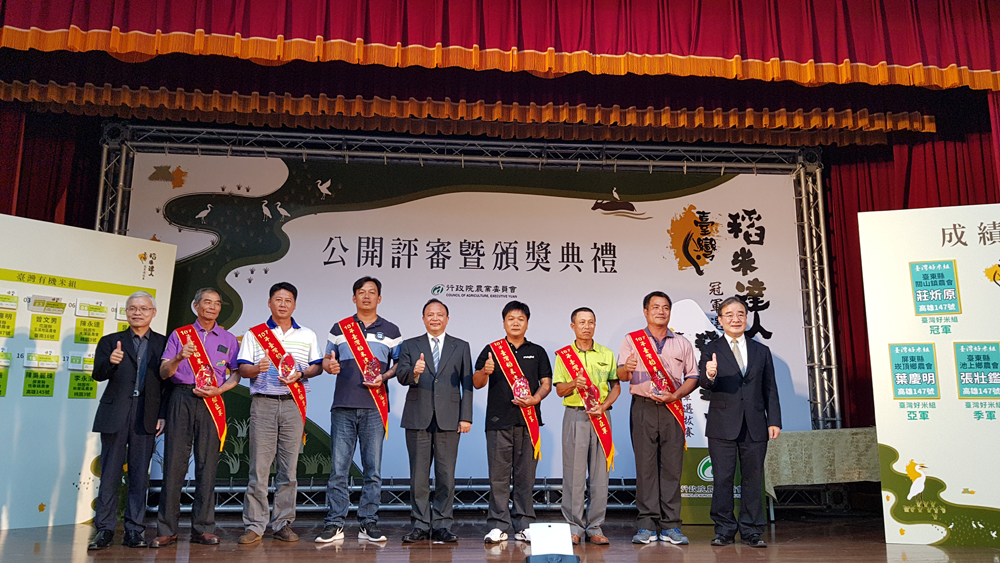
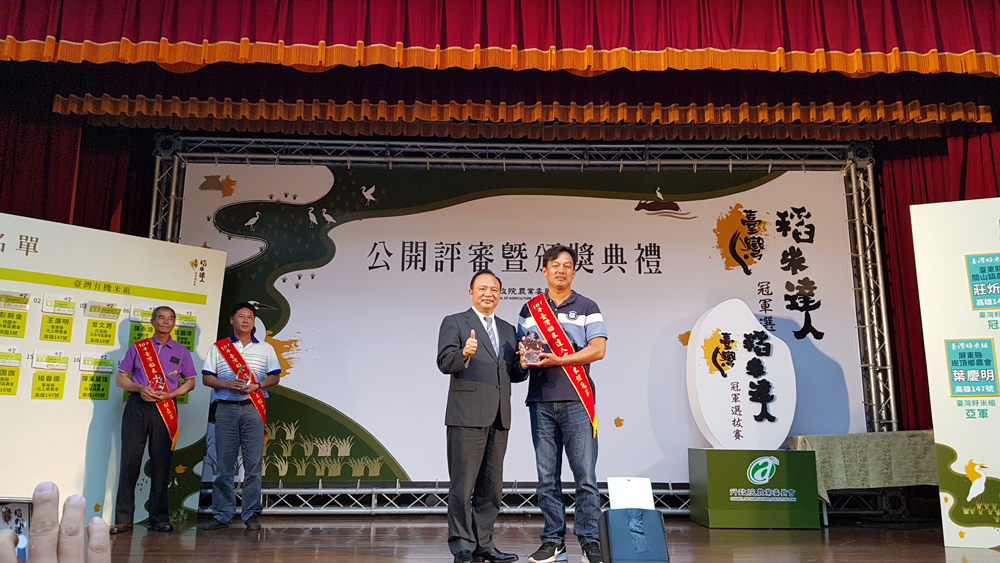
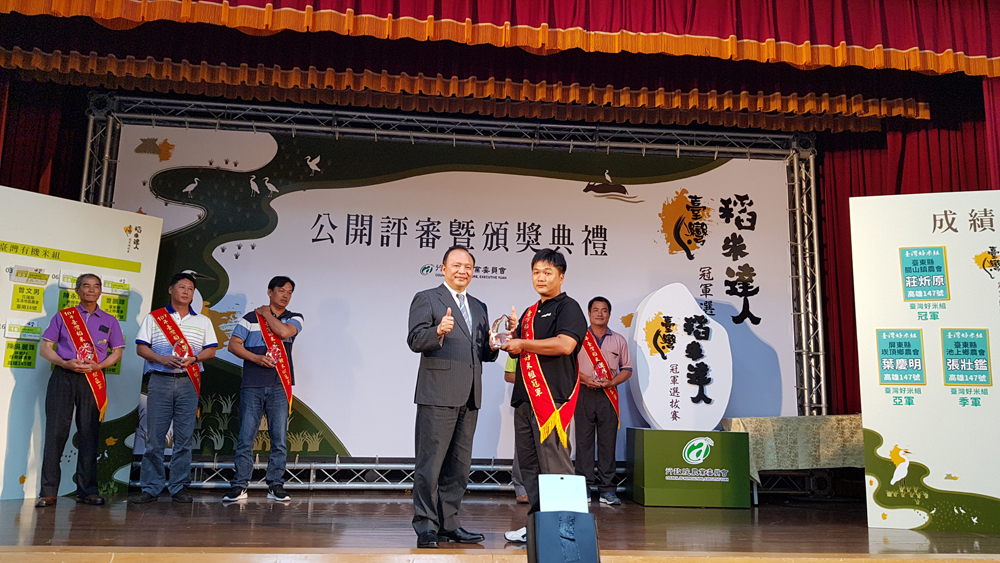
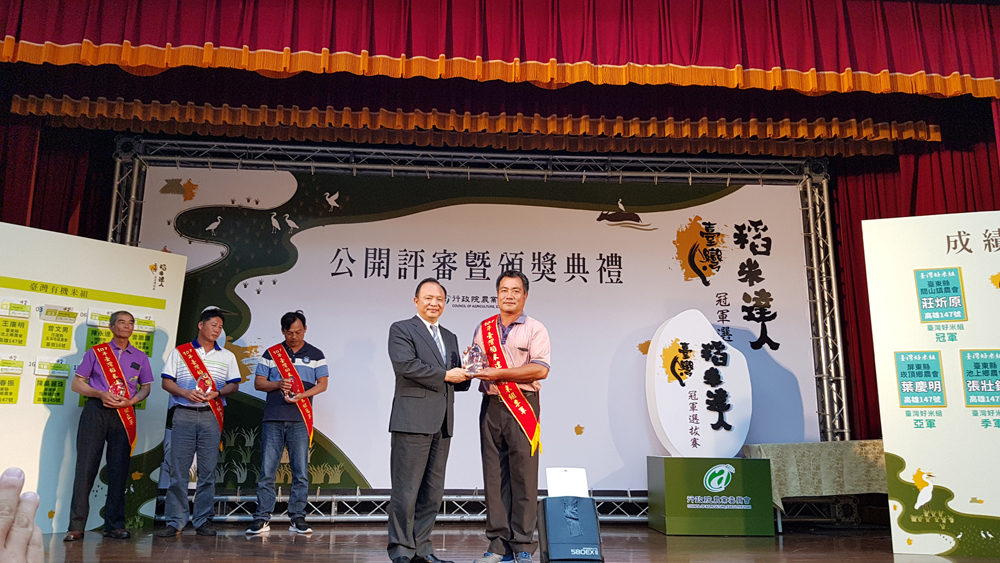
The Taiwan Rice Competition is the biggest rice contest in Taiwan. This year, 824 farmers submitted their rice for the first round, but only 20 qualified for the second round. The competition was fierce for the mere six awards to be given, but Taitung won three of them, serving as a strong affirmation of the hard work toward improving technique by Taitung’s farmers.
Taitung County is blessed with a great environment, climate, and soil that are quite suitable for the cultivation of rice. Moreover, local farmers are so enthusiastic about learning new concepts and techniques that the courses in agronomic practices held by the TTDARES are frequently unable to meet local demand. From what they have learned, farmer are carrying out a variety of practices on cultivation and disease/pest control, visiting each other’s farms and learning from each other. The TTDARES will continue working hard alongside farmers to promote the quality of Taitung rice and boost the local rice industry.


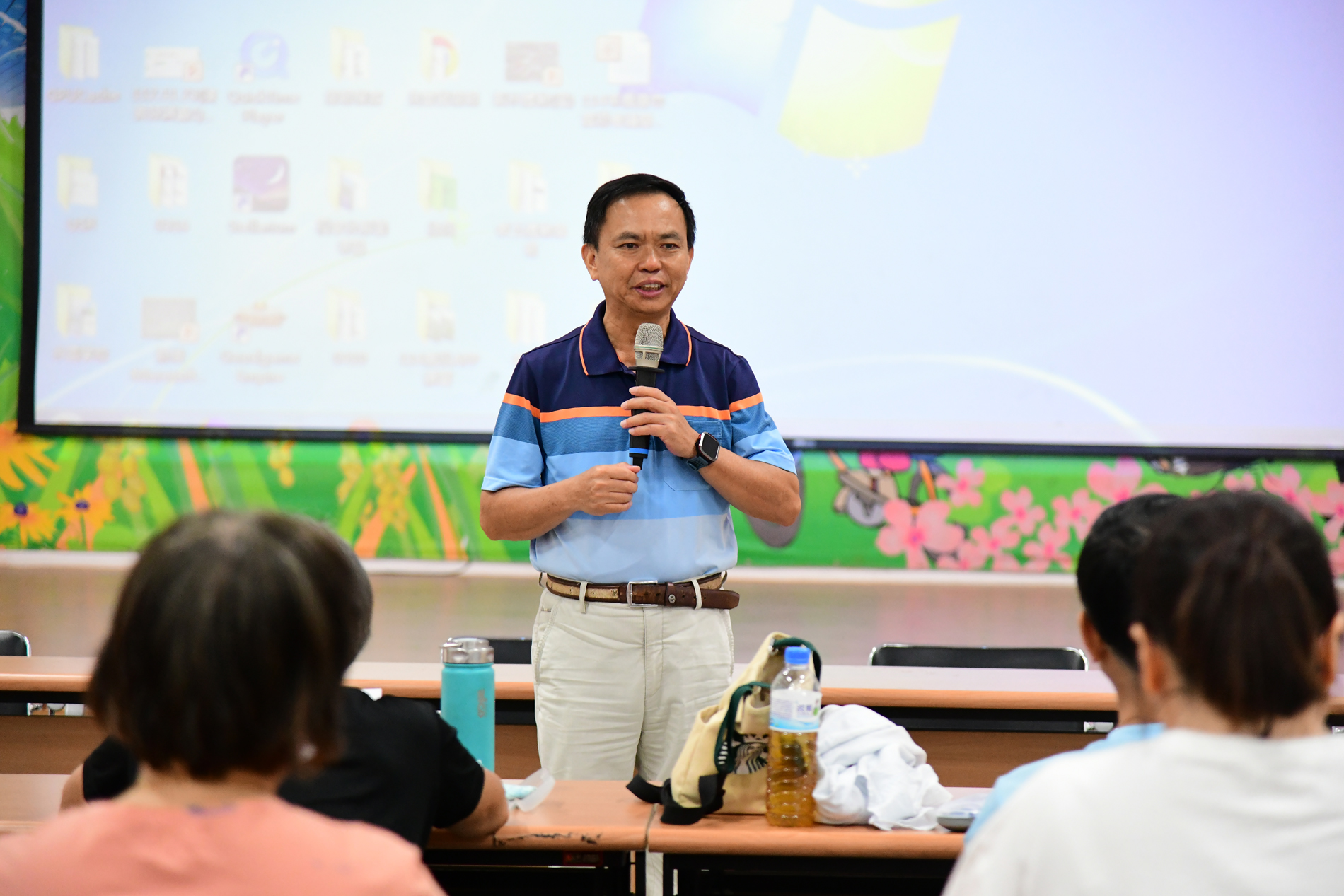
The TTDARES stated that government authorities in the agriculture sector are helping teachers establish concepts on food and farming education as well as vision for instruction in these areas. This is expected to help teachers plan and carry out related lessons in the future. At the first session (held at Dawang Elementary School in Taimali on August 1), attendees expressed that the knowledge and skills they obtained during the camp will help be helpful in their daily lives and will be integrated into their future lesson plans so as to cultivate in children a concern for the local land and to pass on the local farming and dietary culture. The main goal of the camp is to solidly root food and farming education into local schools.


]]>
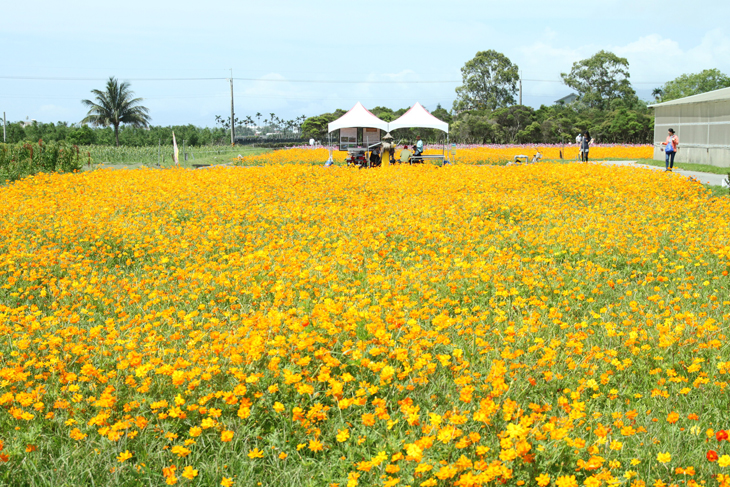
The Fengli Experimental Grounds are located at: No. 21, Lane 427, Chengdu South Road, Taitung City (near the 166.6 km point on Highway 11). All who are interested may come. We look forward to seeing you on April 21!
]]>


]]>